REVIEW · OAHU
Family Stand Up Paddle Lesson with Waikiki Courtesy Shuttle
Book on Viator →Operated by Ohana Surf Project · Bookable on Viator
A good family activity should feel simple and still deliver real water time. This Waikiki stand-up paddleboard lesson is built for mixed ages and skill levels, with instruction, boards, and kid-friendly coaching. I especially like the built-in courtesy shuttle and the fact that you get everything you need on the water.
Two things make this one practical for a Hawaii vacation: you don’t have to rent equipment, and the staff handles the pacing from check-in through getting you into the surf. The one thing to plan around is that family lessons require at least one child 12 or younger plus a parent, and if anyone cannot swim (or has specific needs), the team may steer you toward a private option.
In This Review
- Key things that matter before you book
- Waikiki family SUP, without the usual hassle
- Getting picked up: the yellow bus and set meeting spots
- From Ohana Surf Center to the shoreline: what the timeline feels like
- Learning the basics: how instruction adapts for kids and confidence
- The included gear: what you’re actually wearing and using
- After the lesson: photos, videos, and the return to Waikiki
- Price and value: is $57 a good deal here?
- Who should book this family SUP lesson?
- Should you book this Ohana Surf Project family SUP lesson?
- FAQ
- How long is the family stand up paddle lesson?
- What does it cost?
- Is transportation included?
- Where is the meeting point?
- What gear is provided?
- Are souvenir photos included?
- Do I need to be able to swim?
- What are the family lesson age requirements?
- How small is the group?
- Are instructors available in other languages?
Key things that matter before you book
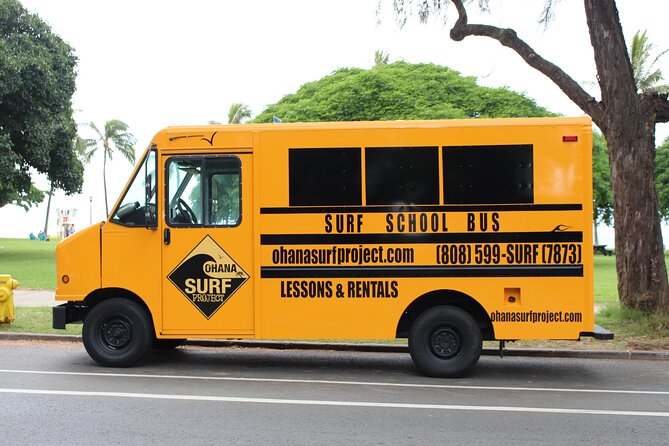
- Courtesy shuttle in Waikiki: Air-conditioned pickup via a clean, easy-to-spot Surf School bus (plus a white shuttle with the logo)
- All gear included: rashguard, reef shoes, and an SUP board with the basics handled for you
- Small group cap: maximum 8 travelers, with a lesson ratio around 1 instructor per 3–4 family members
- Family-focused coaching: support geared toward kids and parents, including tandem possibilities for younger riders
- Structured before-and-after flow: check-in and gear at the Ohana Surf Center, then back for photos/videos and merch
Waikiki family SUP, without the usual hassle
For $57 and about 2 hours on the clock, this is one of those tours that removes the stress. The biggest value isn’t just learning SUP, it’s that the day is organized end-to-end: you get picked up, checked in, geared up, coached at the shoreline, then returned to Waikiki-area drop-off.
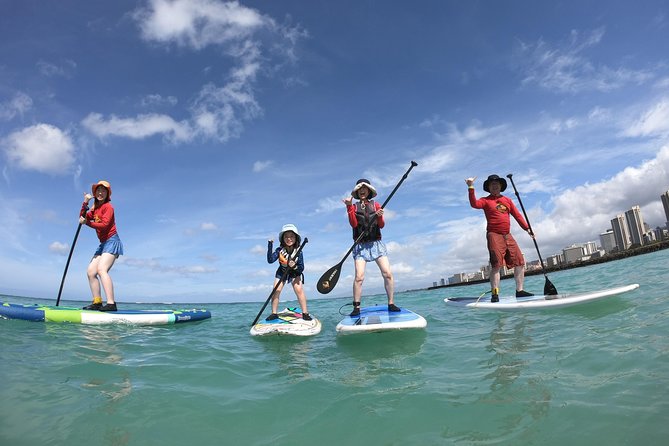
Ohana Surf Project’s family lesson format is also a strong fit if you want a shared activity that still works for kids. The lesson is designed for different ages and comfort levels, which matters because SUP is equal parts balance and confidence. You’ll start with an instructor-led plan and then move into the water only once everyone feels ready.
The other value point: this includes taxes, fees, and handling charges, plus all the equipment (including rashguards and reef shoes). That means fewer surprises when you’re already paying for flights, lodging, and beach days.
The main watch-out is that this is a family lesson with specific minimums. There’s a 2 person minimum, and the family lesson requires at least one child age 12 or younger and one parent. If your group doesn’t match that setup, you may need to look at other lesson types.
You can also read our reviews of more tours and experiences in Oahu


Getting picked up: the yellow bus and set meeting spots
SUP lessons can be chaotic if your logistics are DIY. Here, the plan is to get you from select Waikiki locations to the surf center, using a dedicated shuttle service.
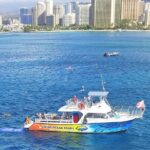
You’ll start at 2552 Kalākaua Ave, Honolulu (the listed start point), then you’ll be connected to pickup details by email. The operator uses a Surf School Bus that’s described as air-conditioned, clean, and easy to spot, yellow and branded, plus a white shuttle with the logo. If you don’t receive the exact pick-up location and time at least 24 hours before your lesson, you’re told to contact Ohana Surf Project.
One practical tip: since the activity is near public transportation, this is also a solid option if you’re not renting a car. You’ll still want to confirm your specific pickup details, but you’re not stuck with a remote, hard-to-reach meeting point.
From Ohana Surf Center to the shoreline: what the timeline feels like
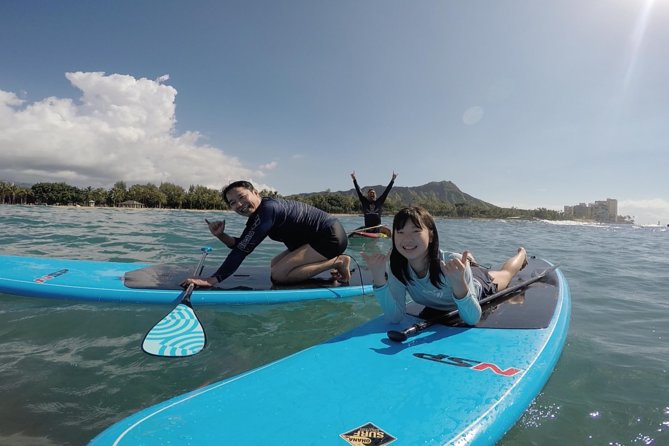
After pickup, you’ll be brought to the Ohana Surf Center at the Waikiki Beach Marriott. That’s your home base for check-in, equipment, and photos/videos afterward. For many families, this matters because it gives you a predictable place to regroup, especially if you’re juggling kids, towels, sunscreen, and changing plans.
Here’s how the flow works once you arrive:
- Check-in at the surf center.
- Geared up with the included equipment (including a rashguard and reef shoes).
- You’ll then be shuttled to the beach for the lesson.
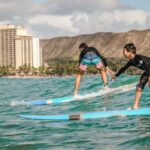
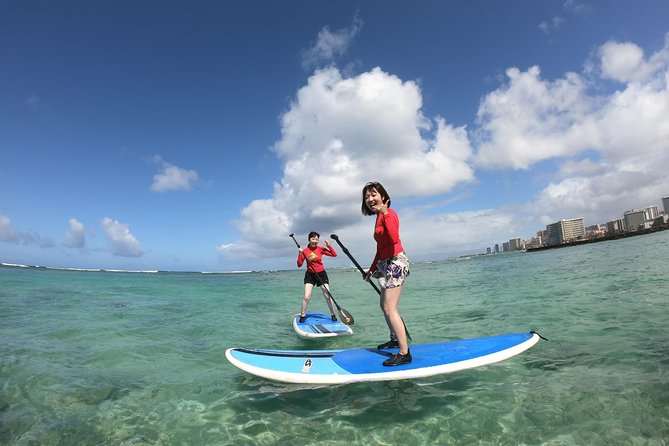
At the ocean, you meet your instructor. The staff will talk with you about your prior experience and your swimming strength, plus any concerns or conditions. Then you’ll walk your lesson boards to the water. Once you’re ready, you’ll leash yourself to the board and head in.
For kids, that “walk boards to the water” step is more than logistics. It lets the instructor control the pace and transition, which often makes the first ocean moments feel less intimidating.
Learning the basics: how instruction adapts for kids and confidence
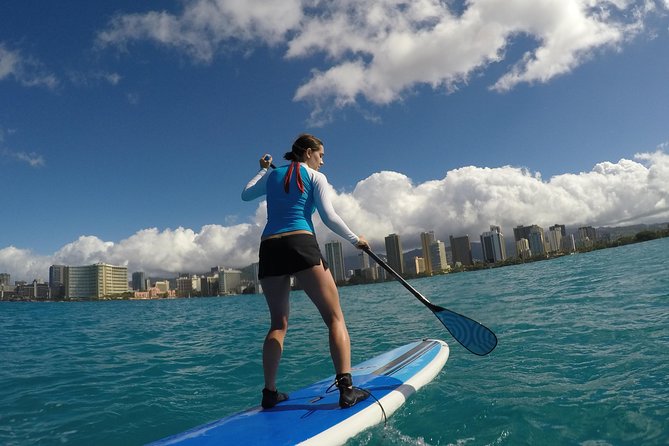
SUP is technical in a way that doesn’t feel obvious until you’re on the board. The good part here is that the instruction is tailored to all ages and skill levels, not delivered like a one-size-fits-all lecture.
The lesson ratio is listed as 1 instructor for every 3–4 family members, which is helpful when you’re working with kids who need more hands-on attention. Also, family lessons have a specific structure:
- A family lesson requires at least one child 12 or younger and one parent.
- Younger kids may ride in tandem sometimes (especially for kids around 6 and under), depending on how the lesson is set up.
- If an older child feels uncomfortable in the ocean, tandem can be recommended to help them feel safer.
- If a student needs to be on the same board as the instructor, a child may need a private instructor.
That level of detail matters. Balance and fear don’t always start with the board, they start with the moment someone realizes how far the water is from shore. So when the team can adjust using tandem or recommend private instruction when needed, your lesson has a better chance of landing as a positive experience rather than a stress test.
One named instructor that came up in the experience feedback is Kevin, described as patient and kind while explaining the paddleboarding steps and how to maneuver through the ins and outs. That aligns with what you want from a family SUP instructor: clear guidance, calm pacing, and practical coaching.
The included gear: what you’re actually wearing and using
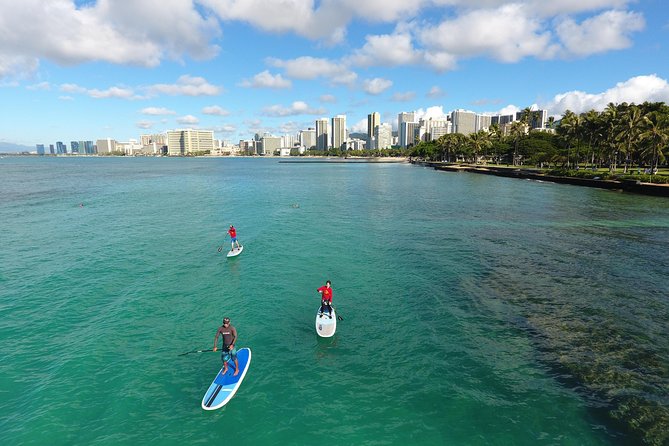
Most “SUP for beginners” experiences fall apart when you show up and start hunting for the right size equipment. This one removes that problem.
Included equipment covers:
- Rashguard
- Reef shoes
- Stand-up paddleboard
And it’s not just “gear provided.” The lesson includes the key steps that make the gear useful. You’ll talk with your instructor first, then walk boards down to the water. Once you’re set, you’ll attach the leash to your board and go into the ocean for instruction and practice.
You should also come prepared. You’re advised to wear your bathing suit ahead of time, bring a towel, and make sure sunscreen is applied before you arrive. For families, this is worth treating as part of your packing checklist. It’s easy to assume you can do it all once you reach the beach, but kids get impatient fast.
If anyone in your group has concerns, like medical conditions, injuries, or can’t swim, you should tell the staff ahead of time. If someone cannot swim, the note says a private lesson may be recommended.
You can also read our reviews of more tours and experiences in Oahu






After the lesson: photos, videos, and the return to Waikiki
You’re not left to scramble after you finish. Once the SUP lesson wraps, you’ll return to the Ohana Surf Center. From there, you can check out photographs and videos (available for purchase) and browse or pick up merch.
If you’re traveling with kids, that photo/video step is often a win. Even if a child is too busy worrying about the next instruction cue to notice what they look like, you still get a record you can take home.
Then the shuttle drives you back to one of the convenient drop-off locations. The listing notes the activity ends back at the meeting point, and in practice that means you’ll be routed back into your Waikiki plans without needing to handle a long transfer right after you’re wet, tired, and hungry.
Price and value: is $57 a good deal here?
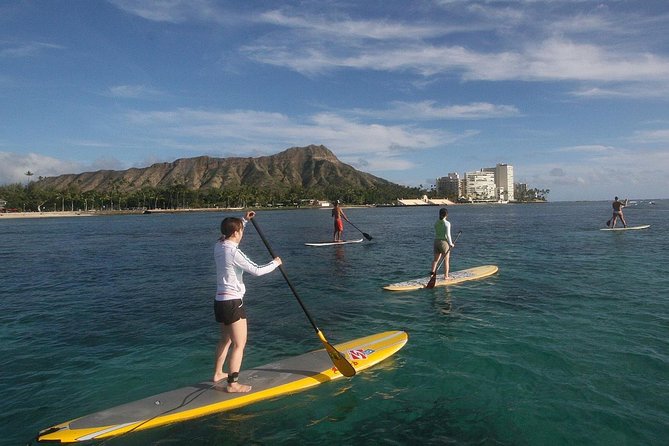
Let’s do the math in plain terms. You’re paying $57 for an approximately 2-hour family SUP lesson in Waikiki, and the price includes:
- Professional instruction
- Transportation to and from designated meeting spots in Waikiki and certain hotels outside Waikiki with advance notice
- All taxes, fees, and handling charges
- All necessary equipment (rashguard, reef shoes, SUP board)
The only clear extra mentioned is souvenir photos and videos, which you can buy if you want.
That makes the price feel more “all-in” than many activities where you later discover gear rental costs or transport add-ons. It’s also good value because it’s not just balance practice, you’re getting guided support, plus a structure that helps families transition from land to water.
If you’re comparing options mentally, the key is what’s included. If you’d otherwise have to rent equipment and figure out beach logistics, this format is usually the simpler win.
Who should book this family SUP lesson?
This is best for:
- Families with at least one child 12 or younger and a parent
- Groups that want easy logistics (pickup, gear, and transport handled)
- First-timers who want instruction paced for kids and different comfort levels
- Travelers who prefer a smaller group experience (max 8 travelers)
It might be less ideal if:
- Your group doesn’t meet the family lesson minimums (2 person minimum, and the child/parent structure)
- Someone cannot swim and you’re not ready for the possibility of a private lesson recommendation
- You have a medical condition or injury that might require extra accommodations, because you’ll need to coordinate ahead of time
Also consider seasickness. If you’re prone to it, the information suggests taking a remedy you already use (and talking to your doctor for guidance).
Should you book this Ohana Surf Project family SUP lesson?
Book it if you want a family-friendly Waikiki water activity where the staff handles the hard parts, pickup, gear, instruction, and the return. The combination of included equipment, small group size, and family lesson structure makes this a strong first-SUP choice, especially if you’d rather spend your vacation enjoying the ocean than wrestling with logistics.
Before you lock it in, do two practical things:
- Match your group to the family lesson requirements (child 12 or younger with a parent).
- Plan clothing and gear timing: bathing suit on, towel packed, sunscreen already applied.
If that sounds like your group, this is a smart, low-stress way to get out on the water in Waikiki and actually learn something without turning the day into a project.
FAQ
How long is the family stand up paddle lesson?
The lesson is listed as about 2 hours.
What does it cost?
The price is $57.
Is transportation included?
Yes. The experience includes transportation to and from designated meeting spots in Waikiki and certain hotels outside of Waikiki with advance notice.
Where is the meeting point?
The start point is 2552 Kalākaua Ave, Honolulu, HI 96815, USA.
What gear is provided?
All necessary equipment is provided, including a rashguard, reef shoes, and a standup paddleboard.
Are souvenir photos included?
No. Souvenir photos are available for purchase.
Do I need to be able to swim?
The information says you should advise the staff ahead of time if someone cannot swim, and a private lesson may be recommended.
What are the family lesson age requirements?
Family lessons require at least one child 12 or younger and one parent. Additional family members may be added.
How small is the group?
The activity has a maximum of 8 travelers.
Are instructors available in other languages?
Written materials are available in Spanish, Japanese, Korean, and Chinese. With at least 24 hours’ notice, the operator will do their best to accommodate Spanish, Japanese, Korean, and Chinese speaking instructors.