REVIEW · OAHU
Kailua Bay, Oahu: Epic Kayak and Snorkel to Islands
Book on Viator →Operated by Kailua Beach Adventures · Bookable on Viator
Kayak to a bird sanctuary feels unreal. In Kailua Bay you paddle past quiet beaches, snorkel warm water near Lanikai, and aim for the Mokulua Islands when the day allows.
I like the simple, all-in-one setup: you get all the snorkeling and kayaking gear plus a lunch ready to go. And I really like the wildlife focus, especially the chance to see green sea turtles while you’re in the water off Lanikai Beach.
One thing to think about before you book: you’ll need to work. Moving a 70-pound kayak down to the sand (and back again) is part of the day, not a minor footnote.
In This Review
- Key takeaways before you go
- Kailua Bay by kayak: why the islands feel close
- Price and what’s included for about $114.58
- Meeting point and morning flow: the part that makes or breaks the day
- Stop 1 and 2: Kailua and the calm, family-friendly launch at Kailua Beach Park
- Stop 3: Lanikai Beach snorkeling and the green turtle chance
- Stop 4: the Mokulua Islands bird sanctuary stop, Queen’s Bath, and monk seals
- Guided vs self-guided: picking the style that fits your comfort
- If you choose self-guided
- If you choose guided
- Real talk: wind, distance, and the workout factor
- What the small details get right (and why they matter)
- Who should book this Kailua Bay kayak and snorkel day
- FAQ
- How long is the Kailua Bay kayak and snorkel experience?
- Where does the tour start and end?
- Is hotel pickup available?
- Can I go self-guided or do I have to go with a guide?
- What snorkeling and kayaking gear is included?
- Do I need to be able to swim?
- What kind of wildlife might I see?
- Is there a limit on group size?
- What are the rules for children?
- What if the weather is windy or unsafe?
Key takeaways before you go
- Small-group style (max 8) keeps it easier to get help fast when you need it
- Gear and lunch included means less schlepping and more time on the water
- Lanikai snorkeling window gives you a real shot at green sea turtles
- Mokulua bird sanctuary access adds a rare, permission-based island stop
- Self-guided flexibility helps if you like your own pace (within conditions)
- Weather matters can change how far you get and what you can safely do
Kailua Bay by kayak: why the islands feel close
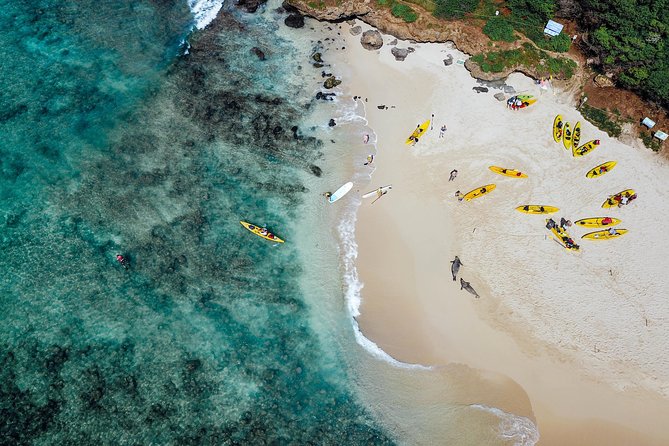
Kailua Bay has that rare “short distance, big payoff” vibe. From shore, the water turns from open ocean to protected bay, and the islands start to look reachable instead of distant. That’s the magic of kayaking here: you’re not looking at the coast, you’re moving through it.
This is a half-day eco-adventure built around calm-water paddling when possible. You’ll start at the shop near Kailua Beach Park, get a safety talk and quick instructions, then head out with life jackets, a dry bag, snorkel gear, and a kayak that you’ll be responsible for piloting. The day is paced so you’re not racing, more like a guided route with room to breathe.
You can also read our reviews of more tours and experiences in Oahu
Price and what’s included for about $114.58
At about $114.58 per person for roughly 5.5 hours, the value is in what you don’t have to rent or track down. Your price includes:
- island landing permits
- kayak use
- snorkel equipment, dry bag, locker, and showers
- safety briefing and instruction
- a deli lunch (included for all tours)
- a professional guide if you pick the guided option
So you’re paying for the whole “go do it” package: equipment, permission to land on the right spots, and staff who handle the water setup. If you’re doing this solo on Oahu, that matters. Kayak rentals and snorkel gear add up quickly once you include extras, so the bundled approach is the smart way to spend a few hours in Kailua.
Meeting point and morning flow: the part that makes or breaks the day
The tour starts and ends back at the meeting area at 130 Kailua Rd, Kailua, HI 96734. If you choose pickup, buses run from Waikiki hotels and central meeting spots, and you return to Waikiki around 3:30–4:00 PM.
Check-in is 15 minutes early, and you wait until your name is called. Once you’re in the system, the staff does the heavy lifting:
- lockers for valuables
- fitting life jackets and snorkel gear
- handing over dry bags and any extra items you need
- directing you to the beach launch point (a walk is involved)
The hours are 8 AM–5 PM daily, and you’ll need to return rentals by 5 PM. Even if you’re not the last one back, that time boundary is real, so don’t treat it like a casual “sometime this afternoon” outing.
Stop 1 and 2: Kailua and the calm, family-friendly launch at Kailua Beach Park
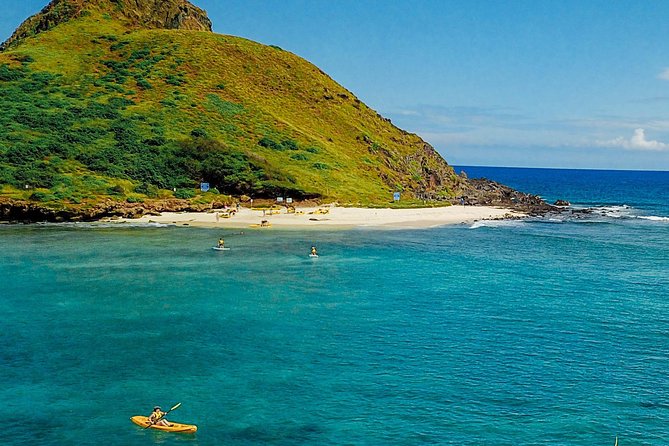
Your day kicks off in Kailua, right near Kailua Beach Park. This is a family-friendly beach, and it shows in how the operation works: it’s an easy place to launch and land compared with rougher coastlines.
You’ll get outfitted on land, then your adventure begins right from the beach area. A practical detail I appreciate here: everyone uses a locker. That keeps wallets, phones, and cameras from becoming a “where did I put it” problem while you’re focused on paddling.
You’ll also hear route and conditions guidance. In plain terms, you’re being taught what to expect from the water that day, especially how wind and waves can change the plan.
Stop 3: Lanikai Beach snorkeling and the green turtle chance
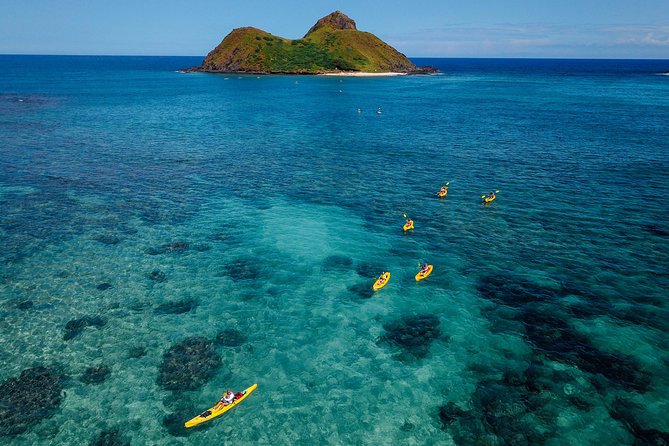
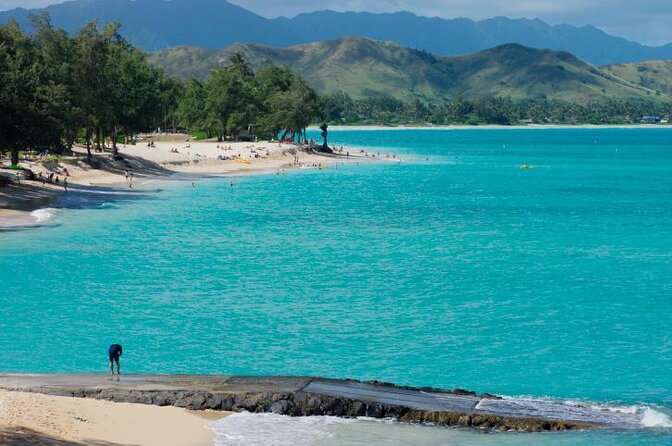
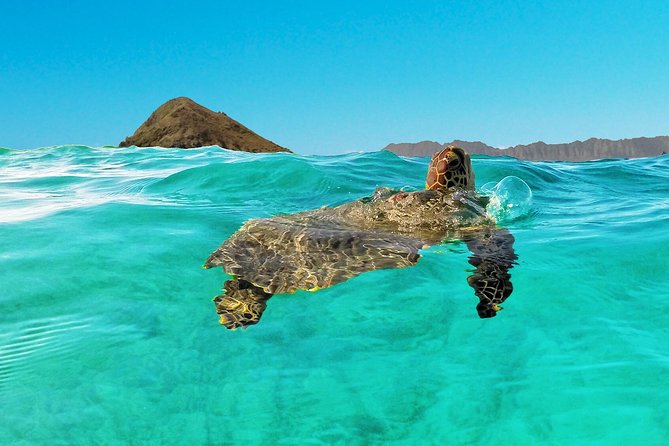
Lanikai is one of those places where the water looks like someone turned up the color. From the kayak, you paddle along the coast with soft sand and turquoise water, and you get a real beach-to-water feel before snorkeling.
This is the key snorkel stop because it’s where the tour is aiming for sea turtles in warm water. If conditions are good, you’re set up to spend time in the water with snorkel gear you already know you have (dry bag, lockers, showers, all handled by the shop).
Here’s the honest tradeoff: snorkeling can be hit-or-miss depending on wind and surface conditions. On very rough days, visibility and comfort can drop fast. When things are calm, this part can be the highlight, when you get turtles and lots of fish, it feels like you skipped the lines and went straight to the good part.
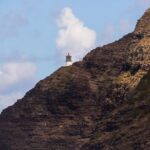
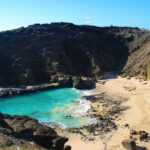

Stop 4: the Mokulua Islands bird sanctuary stop, Queen’s Bath, and monk seals
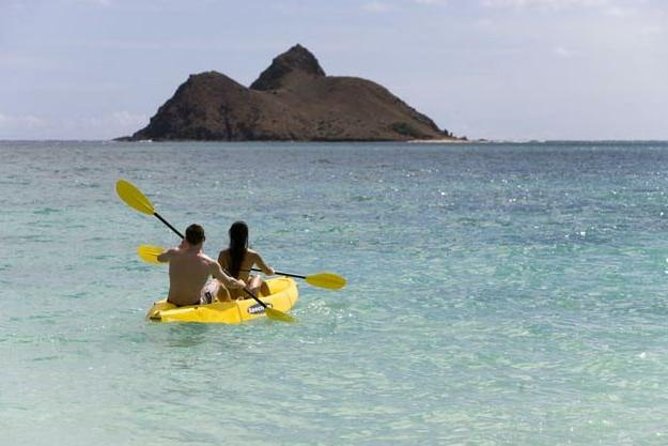
The final stop is the big “wow” moment: the Mokulua Islands area. The most famous one is Moku Nui, a bird-nesting sanctuary that requires special permission to visit. That permission piece matters. It’s not just another beach landing, it’s a protected habitat with rules, which usually means you’re seeing it the way nature intends.
What you’re likely to see here:
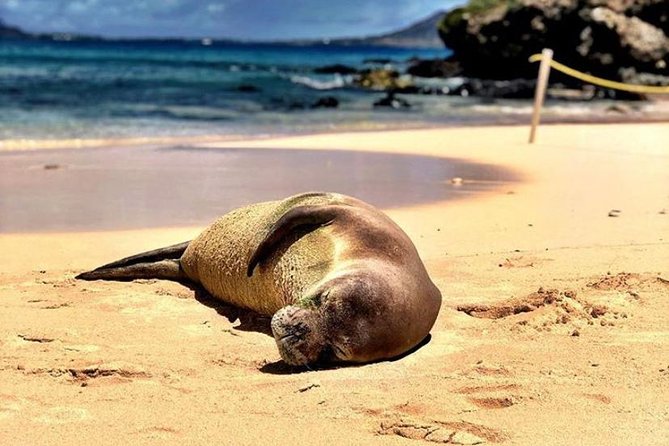
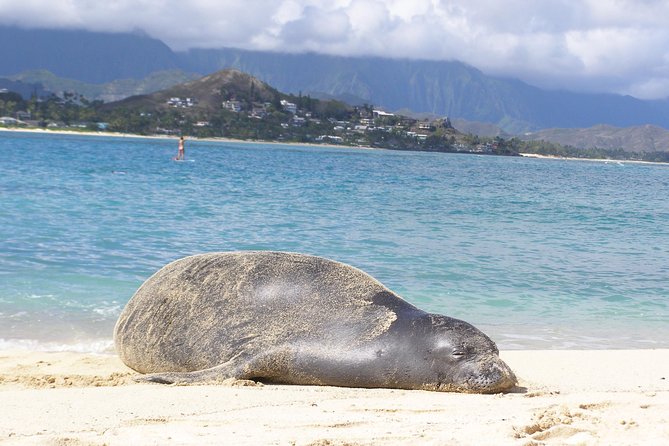
- Hawaiian monk seals sometimes bask on the shoreline
- sea turtles feed around the coral reefs
- native sea birds cruise overhead
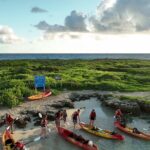
You start with a short hike to Queen’s Bath, a tide pool area where you can plunge into a saltwater “jacuzzi” view. It’s scenic, but it’s also functional: it gets you off the boat mindset and into island exploration. After that, you hike back and go snorkel again, scanning for turtles and tropical fish around the reefs.
Lunch comes after. You’ll break out a picnic and eat on the beach with a view of the Ko‘olau Mountains, then settle back into the pace of a real island moment.
Two considerations worth factoring in:
- Landing can be limited if wildlife needs protection during sensitive moments. There are times when access changes near nesting animals.
- Weather can steer the whole day. When wind spikes, the best plan might mean fewer island options or less time in the water.
Guided vs self-guided: picking the style that fits your comfort
You can choose self-guided or a small-group guided tour. The whole operation caps groups at max eight travelers, so even on the guided side you’re not swallowed by a crowd.
If you choose self-guided
Self-guided tends to work best if you’re comfortable paddling and you’re happy following the route setup without a leader in your ear every minute. The route can be flexible, especially on the Mokulua side, so your day may shift based on what’s safe and available.
The benefit: you can set your own pacing. The risk: if you hit choppy water or you’re not confident steering, you’ll feel it faster.
If you choose guided
A guide helps with safety and makes the day feel smoother. Guides also add cultural context while you’re moving between shore, island, and snorkel stops. If you’re newer to ocean kayaking, guided is the safer bet. You’ll spend more time enjoying the day and less time worrying about the “what if” part.
If you want a named example from within the team: people specifically call out guides like Mike, Tupre, Isaac, Alex, and Evelyn for being helpful and for making the day feel organized. You can’t assume you’ll get any one person, but you can feel confident that the staff training shows up in how the experience runs.
Real talk: wind, distance, and the workout factor
This is an ocean kayak day. That means the weather isn’t just a background detail, it’s part of the itinerary.
When winds rise, you might find:
- less ideal paddling conditions
- reduced snorkeling time or fewer options
- a route that changes, sometimes aiming for one island instead of the full plan
Even on a good day, expect effort. Your arms will work. You’re also handling a heavy kayak on land twice (down and back). One of the most repeated “do not skip this” realities is that you need the strength and balance to pull and drag a 70-pound kayak over sand and cart it to the water. After your time on the island, you’ll do it again in reverse.
So if you’re moderately fit, this can feel like a satisfying workout. If you’re not, it can feel like a slog. I’d treat it as a cardio-and-core day with a reward at the end.
What the small details get right (and why they matter)
The best-run kayak days have a few behind-the-scenes things that keep you from wasting time. Here, the staff supports you with:
- dry bags so you can keep valuables dry
- lockers so you don’t improvise a storage plan
- showers after the water time
- equipment that’s set up for comfort
They’re also set up for people who want last-minute add-ons. There’s a full retail store nearby, and they offer a 15% discount to Viator guests for items like reef-safe sunscreen and UV shirts if you need them.
A small but useful note: you must be able to swim, and you’ll have life jackets provided. The kayak part is one thing; the ocean water part is another.
Who should book this Kailua Bay kayak and snorkel day
Book this if you want:
- a half-day in Kailua Bay that blends paddling, island time, and snorkeling
- a plan that includes permits, gear, and lunch in one package
- a route that can be guided or self-paced
- wildlife opportunities like green sea turtles, plus monk seals and nesting birds around the Mokulua area
Consider passing if:
- you’re worried about physically moving a heavy kayak across sand and to/from the beach
- you’re expecting snorkeling to be perfect every time, on windy days, it can be less productive
- you’re not comfortable swimming in open water, even with life jackets
FAQ
How long is the Kailua Bay kayak and snorkel experience?
It runs about 5 hours 30 minutes.
Where does the tour start and end?
You start at 130 Kailua Rd, Kailua, HI 96734, and the activity ends back at the same meeting point.
Is hotel pickup available?
Yes. Pickup is only available if you select and pay for that option, with pickup times at multiple Waikiki-area hotel locations listed by the operator.
Can I go self-guided or do I have to go with a guide?
You can choose either a self-guided tour or a small-group guided tour when checking out.
What snorkeling and kayaking gear is included?
You get use of the kayak and snorkeling equipment, plus a dry bag, locker access, and showers.
Do I need to be able to swim?
Yes. All guests must be able to swim, and life jackets are provided.
What kind of wildlife might I see?
The plan is designed for possible green sea turtles off Lanikai, Hawaiian monk seals around the Mokulua Islands area, and native birds overhead.
Is there a limit on group size?
Yes. The tour has a maximum of 8 travelers.
What are the rules for children?
Children age 15 and under must be accompanied by an adult in a double (tandem) kayak.
What if the weather is windy or unsafe?
This experience requires good weather. If it’s canceled due to poor weather, you’ll be offered a different date or a full refund. Wind can also affect how much you’re able to do during the day.