REVIEW · OAHU
Surf Lessons get your Social Media video & photos you Surfing HI.
Book on Viator →Operated by Island Fiel Surf · Bookable on Viator
Two instructors, lots of waves, real attention. This Oahu surf lesson with Island Fiel Surf keeps things focused: you get small groups of two per instructor and a custom 10–15 minute land demo on fundamentals and ocean safety, with plenty of time for questions. The one possible drawback is that Go-Pro footage and edits cost extra if you want that added keep-sake.
For $100 per person, you’re also getting quality gear and a plan that aims to keep you moving. You’ll use NSP surfboards, plus Excel dry suit tops (and rash-guard coverage), reef shoes, and secure lockers, so you spend less time fumbling and more time learning.
In This Review
- Key things I’d look for in this surf lesson
- First Contact at Pau Hana Sailing on Ala Moana
- Small Groups, Real Coaching, and Why It Changes Everything
- What You Wear and What They Provide (So You Don’t Overthink It)
- The 10–15 Minute Land Demo That Sets You Up for Success
- Entering the Ocean: Paddle Assistance and Short Waits
- What you’re really practicing in the water
- Photos, Video Options, and What It Costs to Go Beyond the Basics
- Duration, Schedule Flow, and Where the Time Actually Goes
- Price and Value for a 1-Hour Oahu Session
- Who Should Book This Surf Lesson (and Who Might Not Love It)
- Quick Weather Reality Check
- FAQ
- FAQ
- How long is the surf lesson?
- What’s the meeting point?
- What equipment is included?
- Do I get any photos or videos?
- Is there a land lesson before going into the water?
- What language is the lesson taught in?
- Can I cancel if weather is bad or plans change?
- Should You Book Island Fiel Surf in Oahu?
Key things I’d look for in this surf lesson
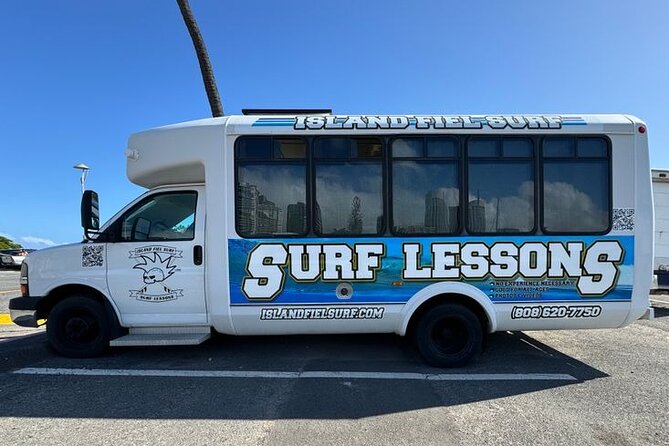
- Two-student instruction style keeps you close to the coaching, not stuck waiting in the lineup
- Eddie Fiel and Johnny Noel teaching with a focus on success and ocean safety
- Short land demo (10–15 minutes) customized to your level and questions
- Quick water rhythm with paddle assistance and an expectation of a wave every 5 minutes or less
- Free photos so you get proof even if you’re not filming yourself
First Contact at Pau Hana Sailing on Ala Moana
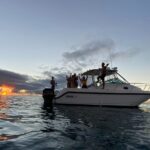
This lesson meets at Pau Hana Sailing, 1651 Ala Moana Blvd, Honolulu. It’s a practical choice: you’re already in the Honolulu area, and you have a clear starting point before you head into the water.
Plan on arriving with enough time to get set up. They build in about 5 minutes to prepare you with equipment, which matters because the lesson is only about 1 hour total (approx.). When the clock is short, fast setup is the difference between feeling rushed and feeling ready.
The session is also run as a private activity for your group, so you’re not being mixed into a bigger crowd. That usually helps beginners because you get calmer instruction and fewer distractions.
One more detail I like: the ocean time starts when you enter the ocean. That’s helpful mentally. You can treat the early part (prep and land demo) as getting set, then focus on the actual surfing once you’re in the water.
You can also read our reviews of more photography tours in Oahu



Small Groups, Real Coaching, and Why It Changes Everything
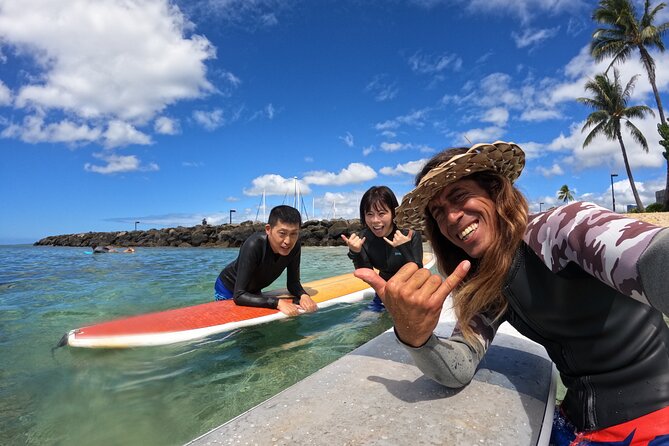
The big theme here is attention. The instructors keep things tight: 2 students per instructor. On paper, that sounds like a minor logistics detail. In practice, it changes the whole learning curve.
With small groups, you get:
- more feedback while you’re still in the water
- fewer long waits watching other people
- more chances to try again quickly
The teaching team includes Eddie Fiel, the owner of I.F.S. (Island Fiel Surf), plus Johnny Noel. You’re not stuck with someone who’s only doing board hand-offs. The instruction is built around making you successful, not just getting you out there.
They also use a couple of teaching methods that show they care about your comfort level:
- a custom land demo geared to your situation
- patience if you have unanswered questions
- a promise-like approach: you shouldn’t have to suffer just to learn
They also specifically mention they do not use oversized paddle boards that tire you out fast. That’s not a small point. Bigger boards can feel steady at first, but they can also make paddling harder and steal your energy. If your arms are spent, it becomes harder to focus on timing, posture, and wave selection.
What You Wear and What They Provide (So You Don’t Overthink It)
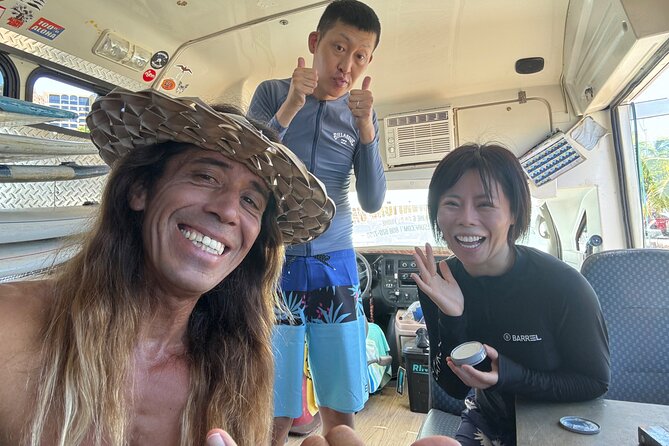
Gear can make a surf lesson either smooth or miserable. Here, the included setup is designed to keep you comfortable and moving.
Included with the lesson:
- NSP surfboards
- Excel dry suit tops (and rash-guard coverage)
- reef shoes
- secured lockers for belongings
In the fall and winter months, the water can feel chilly. Dry suit tops help you stay comfortable without having to guess what to bring. Even if you run warm, having the option to stay covered usually helps you stay focused on learning instead of managing cold.
Reef shoes are also a smart baseline. Even if you’re new, you don’t want foot discomfort to become the story of your lesson.
And about the lockers: it’s a simple amenity, but it reduces stress. You can stash your stuff and stop worrying about it until you’re done.
If you’re the type who likes to show up prepared, you still should wear what the conditions require and follow local advice. But from what’s provided here, you’re not walking in blind or trying to cobble together a surf kit on short notice.
The 10–15 Minute Land Demo That Sets You Up for Success
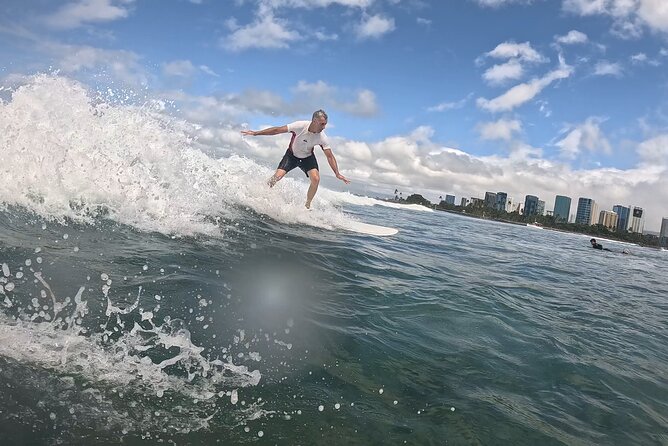
Before you get wet, you get a 10 to 15 minute land demo. This is where the lesson starts to feel intentional.
They cover the fundamentals of surfing and ocean safety, and they keep it custom to the students. That custom part matters. If you’re a total beginner, you need basics (paddling, stance, where to look). If you already know the basics, you need refinement (timing, wave rhythm, and less wasteful effort).
They also say the demo is designed to ensure success. That might sound like marketing, but it’s consistent with the small-group teaching and the promise that you won’t be left behind. The goal seems to be: teach you just enough on land so you can actually apply it once you’re in the water.
If you’ve got questions, this is the right moment to ask. They’re described as patient and willing to answer, including for the things that sound small but get big when you’re out there, like how to handle wipeouts, where to position yourself, or what to do if a wave doesn’t break the way you expected.
Entering the Ocean: Paddle Assistance and Short Waits
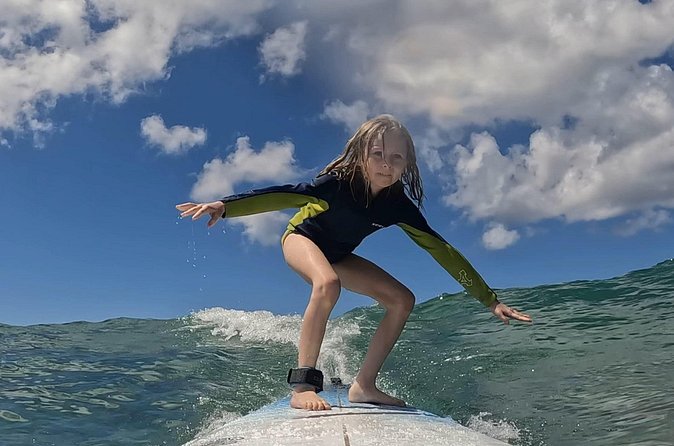
Once you enter the ocean, that’s when the real action begins. They aim for momentum, not long downtime.
They also provide paddle assistance, which helps a lot when you’re still building technique and stamina. It’s one thing to hear about paddling; it’s another to feel it under your arms with waves shifting constantly.
A key promise here is pacing:
- you should expect 1 wave about every 5 minutes or less
That kind of pacing is what turns a surf lesson from a “try once and be done” experience into an actual learning session. More attempts generally mean faster progress. And when progress happens, confidence grows, which changes how you paddle and how you commit to the wave.
They also emphasize that they know the waves well. In real terms, that likely means they choose conditions and teaching moments that match your skill level rather than just launching you into whatever is happening.
Another theme is not leaving you behind. It’s not just about friendliness. In surf lessons, being left behind often looks like: you get stuck on the outer side, you can’t catch a wave, and your session turns into frustration. Here, the structure is built to avoid that cycle.
You can also read our reviews of more tours and experiences in Oahu



What you’re really practicing in the water
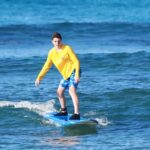
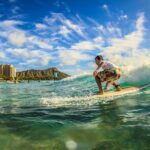
Even with one hour, you can work on the building blocks:
- paddling efficiency (so you conserve energy)
- timing (so you’re not late)
- stance and balance once you’re up
- wave selection based on what the instructors teach you on land
If you’re new, your biggest win might simply be catching a wave without feeling totally lost. If you’ve surfed before, your win might be fewer wasted attempts and more targeted feedback.
Photos, Video Options, and What It Costs to Go Beyond the Basics
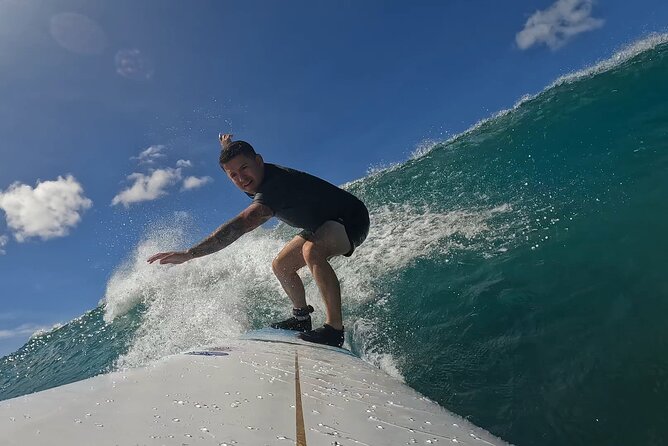
You’ll get free photos. That’s huge for a surf lesson because it’s hard to film while you’re also learning. Even if you bring a phone, you’re likely juggling where it’s safe, how to keep it dry, and when you’re actually riding.
There are also optional Go-Pro add-ons if you want more footage:
- Go-Pro footage costs $39.99 (by email)
- buying an SD card is $49.99
- a YouTube edit is $74.99
So here’s the practical way to think about it: the base lesson includes photos, which is usually enough to remember your first successful rides. If you’re a content-minded traveler or you want a polished recap video, factor in the additional costs before you book.
If you hate surprises, decide early:
- want simple keepsakes (free pics)? great
- want full video editing? budget for the upgrades
Duration, Schedule Flow, and Where the Time Actually Goes
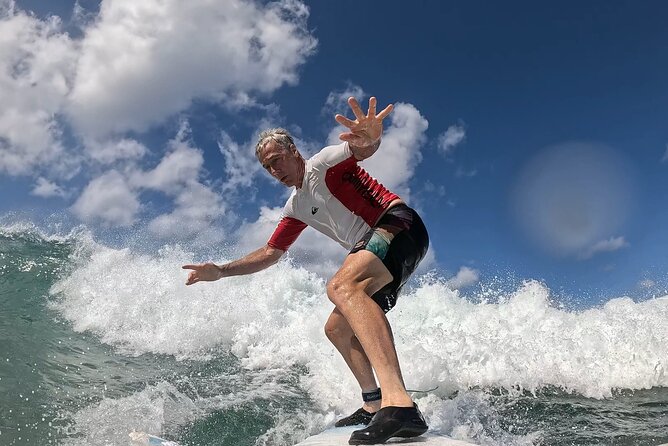
This lesson is about 1 hour, and the timing is straightforward:
- ~5 minutes to prepare equipment
- 10–15 minutes land demo (fundamentals + safety, customized)
- ocean time begins once you enter the water
- session ends back at the meeting point
Because you’re only in one location and you return to the same meeting spot, you don’t need to figure out complicated transport mid-lesson.
The short total time is also why the teaching style matters. A lesson that’s all waiting won’t work. This one is designed to keep you active with short gaps between waves.
Also, it’s offered in English, and service animals are allowed. If you’re planning around a group schedule, it helps that the format is consistent and the time is about what you’d expect for a beginner surf intro.
Price and Value for a 1-Hour Oahu Session
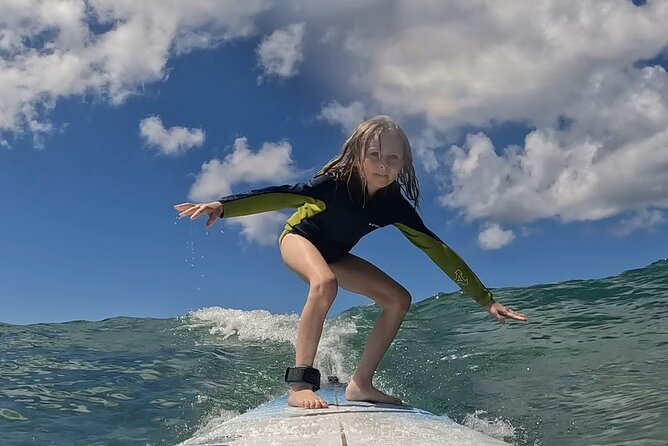
At $100 per person, this surf lesson sits in a “serious beginner” range. You’re not paying for just a board rental. You’re paying for:
- instruction from Eddie Fiel and Johnny Noel
- small groups that keep coaching close
- included gear: NSP board, Excel dry suit tops/rash-guard coverage, reef shoes
- secured lockers
- free photos
The value is in the structure. In many surf lessons, the issue is that you’re in a big group, trying to catch waves while someone else is teaching. Here, the 2-student-per-instructor setup is the difference-maker for learning speed and comfort.
The only major value trade-off is optional add-ons for video. If you don’t care about extra footage, the lesson price already covers a lot of what you’d otherwise have to spend money on.
If you’re deciding between cheaper surf sessions and this one, ask yourself what you want most:
- If you want a guided first surf with fewer wasted attempts, small groups and paddle assistance are worth real money.
- If you’re mainly after a board rental to experiment on your own, this might feel like more coaching than you need.
Who Should Book This Surf Lesson (and Who Might Not Love It)
This is a good match if you want an instructor-led surf introduction in Oahu that prioritizes safety and learning success. Most travelers can participate, which suggests the lesson is built for a range of abilities.
You’ll probably feel most comfortable if:
- you’re new or still learning the basics
- you prefer tight instruction over a busy group session
- you want included gear and a setup that keeps you warm in cooler months
- you like the idea of getting free photos
You might want to think twice if:
- you only want to learn independently and don’t want coaching
- you hate the idea of optional photo/video costs (since Go-Pro footage and edits aren’t included)
- you’re visiting during a period where weather can cancel plans (the experience requires good weather)
There’s also an English instruction advantage for planning. If you’re not comfortable with complex instruction, having the lesson offered in English helps a lot.
Quick Weather Reality Check
Surf lessons depend on conditions. This one requires good weather, and if it’s canceled due to poor weather, you’ll be offered a different date or a full refund.
That’s normal for ocean activities, but it’s worth planning with flexibility. If you’re in Oahu on a tight itinerary day-after-day, give yourself a bit of buffer.
FAQ
FAQ
How long is the surf lesson?
It’s about 1 hour (approx.). The schedule includes around 5 minutes to prepare equipment and 10–15 minutes for a land demo before you enter the ocean.
What’s the meeting point?
The lesson starts at Pau Hana Sailing, 1651 Ala Moana Blvd, Honolulu, HI 96815, USA, and ends back at the same meeting point.
What equipment is included?
You get a surf board (NSP), Excel dry suit tops (and rash-guard coverage), comfortable reef shoes, and secured lockers for your belongings.
Do I get any photos or videos?
You get free photos. Go-Pro footage is available for an additional fee if you want it (39.99 by email), along with optional costs for an SD card or a YouTube edit.
Is there a land lesson before going into the water?
Yes. You’ll get a 10 to 15 minute land demo covering fundamentals of surfing and ocean safety, and it’s custom to your group.
What language is the lesson taught in?
The lesson is offered in English.
Can I cancel if weather is bad or plans change?
You can cancel for a full refund if you cancel up to 24 hours in advance of the experience start time. If it’s canceled due to poor weather, you’ll be offered a different date or a full refund.
Should You Book Island Fiel Surf in Oahu?
If you care about getting real feedback and not spending your hour mostly waiting, I’d book this. The small-group setup (2 students per instructor), the customized land demo, and the focus on quick wave attempts are all built for first-timers who want to succeed.
Add in the included gear (Excel dry suit tops/rash-guard coverage and reef shoes) and free photos, and the $100 price starts to look less like a ticket and more like a complete learning package.
Just be honest with yourself about video add-ons. If you want Go-Pro footage with editing, budget for it. If you’re fine with free photos, you can keep it simple and spend your money on the lesson itself.