REVIEW · OAHU
Private Surfing Lesson: Two Hours of Beginner Instruction
Book on Viator →Operated by Pro Surf School Hawaii · Bookable on Viator
First waves, zero guesswork. This private two-hour beginner lesson on Oahu combines a quick on-land introduction with hands-on coaching in the surf, so you can learn as slow or fast as you personally need. It’s focused on fundamentals, safety, and getting you to stand up without the trial-and-error suffering.
I like that every instructor is CPR and lifeguard certified by the American Red Cross. I also like the way you start with a land lesson that covers the key skills you’ll use in the water, so the first paddle and first attempt at your feet make sense.
The only real drawback: two hours is just enough for a strong start, not a full skill makeover. Go in expecting beginner technique and safety training, not advanced maneuvers.
In This Review
- Key things I’d watch for
- Private Surfing Lesson on Oahu: Why This Format Works
- Where You Meet (and How the Lesson Flows)
- The Land Lesson: Learn the Moves Before You Get Towed by the Ocean
- In the Water: Catch Waves, Stand Up, and Stay Safe
- Instructor Quality and Safety: The Details That Make It Worth It
- Equipment and What to Wear: Your Day-of Checklist
- Who This Private Beginner Lesson Is For (and Who Should Skip It)
- Value in Two Hours: How to Get the Most Out of the Lesson
- Quick Decision Guide: Should You Book This Surf Lesson?
- FAQ
- Where is the surfing lesson meeting point?
- How long is the private surfing lesson?
- Is this lesson private or a shared group?
- What language is the instruction offered in?
- What should I wear or bring?
- Are the instructors certified for safety?
- What will I learn during the lesson?
- Is a private lesson required for kids?
- Can I cancel for free?
Key things I’d watch for
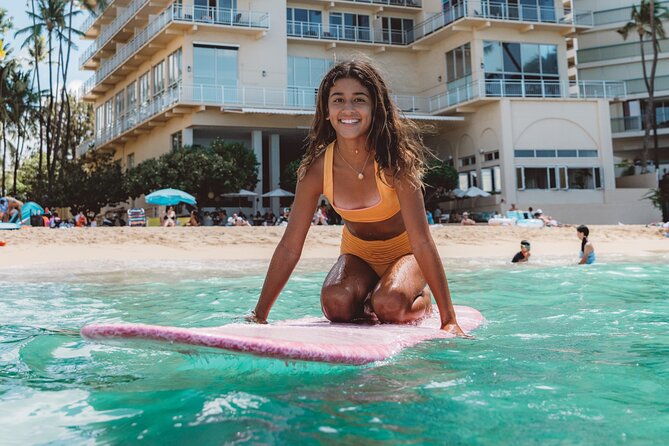
- Private coaching for your group only, so you’re not competing for attention
- A land lesson first, which makes the water time feel less chaotic
- Beginner skills taught step-by-step: positioning, paddling, turning, and stance
- American Red Cross certified instructors, with safety rules built into the lesson
- All equipment included, plus you just show up in a swimsuit and bring a towel
Private Surfing Lesson on Oahu: Why This Format Works
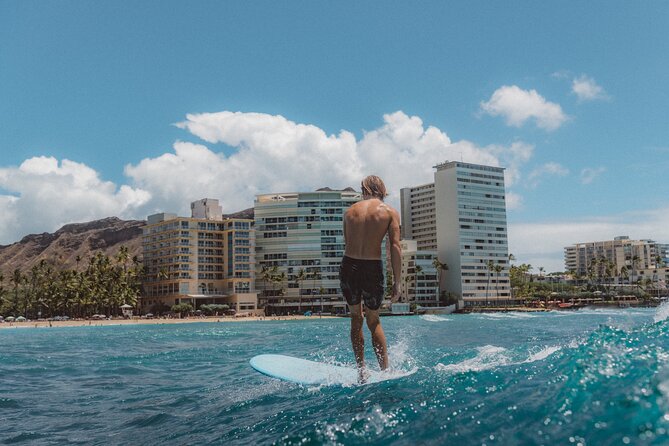
If you want to learn surfing on Oahu without guesswork, the private beginner lesson setup is a smart choice. The session is designed around one clear goal: help you get confident enough to catch waves and get to your feet, with your instructor guiding you throughout.
The biggest value here is the pacing. In a private format, your instructor can slow down for the parts you struggle with and speed up the pieces that click. That matters because first-time surfing isn’t just about balance, it’s about a chain of small actions happening in the right order.
This lesson is also a good fit if you’ve tried surfing a few times already but still feel like the basics are slippery. You’ll get taught the fundamentals again, with a focus on making them usable.
One more plus: it’s rated 4.6 out of 5 based on 17 ratings, and the praise is very consistent, especially around how helpful and effective the instruction feels.
You can also read our reviews of more private tours in Oahu

Where You Meet (and How the Lesson Flows)
You start at Kaimana Beach Hotel, 2863 Kalākaua Ave, Honolulu, HI 96815. The activity ends back at the same meeting point, so you’re not dealing with confusing drop-offs or long transitions.
The total time is about two hours. In that window, you’ll do two clear phases:
1) a quick land lesson to learn what to do and why
2) instruction in the water with coaching as you try to catch waves and stand up
That structure is practical. It keeps you from going straight into the ocean with no map. And it means your instructor isn’t just watching, you’ll be guided through each skill while you’re actively working on it.
The lesson is offered in English, and you can use a mobile ticket. Most people can participate, and because it’s private, it’s limited to your group only.
The Land Lesson: Learn the Moves Before You Get Towed by the Ocean
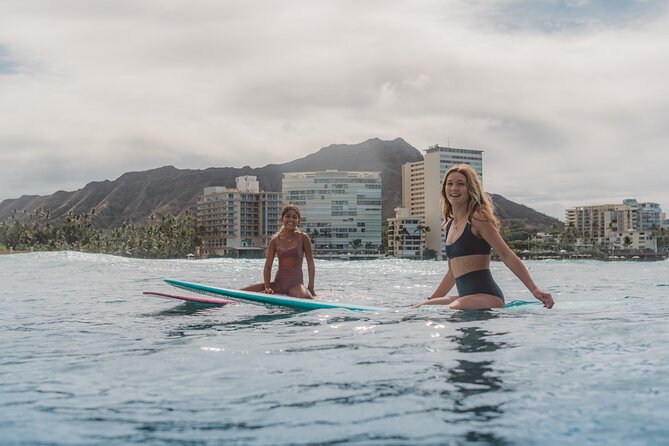
Before you hit the water, you’ll get a land introduction. This is where you build the mental checklist that makes your time in the surf more productive.
Here are the topics you’ll cover on land, and what they actually mean for you:
- Positioning yourself on the surfboard
This is about where you sit or lie on the board so it behaves the way your instructor needs it to.
- Paddling techniques
You’ll learn how to paddle efficiently for speed and control, instead of random arm flailing that burns energy fast.
- How to maneuver over waves
You’ll get told what to do when waves come toward you, so you’re not guessing whether to hold position, adjust, or move.
- Turning the surfboard
Turning is part skill, part confidence. Even if you’re a total beginner, you need to know how to change direction without panicking.
- How to get to your feet
This is the big one. Your instructor will explain the sequence that helps you go from lying or crouching to standing.
- Proper surf stance + balance techniques
Expect coaching on how to stand and how to keep your body steady as the board moves.
- Safety rules
This isn’t a sidebar. The lesson is built around staying safe while you learn.
I like this approach because it stops the usual beginner spiral: you paddle, you stand, you tip, and then you spend the next try hoping for luck. With a land lesson, you can correct specific mistakes quickly.
In the Water: Catch Waves, Stand Up, and Stay Safe
Once you’re in the water, instruction shifts from explanation to real-time guidance. The goal is to help you catch waves, get to your feet, and stay safe and having fun through the entire lesson.
Here’s what you should expect during the water portion, based on what the program teaches:
- Your instructor helps you apply paddling technique so you can reach waves with less wasted effort.
- You’ll be coached on positioning and how to line yourself up on the board.
- When it’s time to try standing, you’ll get help with the move sequence that improves your odds of success.
- You’ll learn balance and stance so standing isn’t just a one-moment trick.
This part matters more than most people think. Surfing is physical, yes, but it’s also coordination. When the instructor can cue you while you’re actively doing it, you’ll adjust faster.
If you’re a first-timer, your priority should be getting comfortable with the basics. If you’ve tried before and still feel stuck, this is where your missing piece gets targeted, like how your paddling timing affects getting in position for a wave, or how your stance affects whether you can ride it even for a short distance.
Instructor Quality and Safety: The Details That Make It Worth It
Safety is built into the lesson, and the instructor credentials are clearly stated. All instructors are CPR and lifeguard certified by the American Red Cross. That’s not a marketing line to ignore, it’s a real comfort factor when you’re learning in ocean conditions.
You’ll also be taught safety rules as part of the curriculum. Since the lesson covers positioning, paddling, maneuvering over waves, and turning the surfboard, it’s basically training you how to stay aware and in control while you’re learning.
One review credit that stood out in the feedback: an instructor named Noah was described as super helpful and effective for a first-time surfer (a daughter in the family). I can’t guarantee every session has the same instructor, but it tells you the teaching style people value here is practical coaching that builds confidence fast.
The overall rating backs that up, people aren’t just praising the ocean view. They’re praising the guidance.
You can also read our reviews of more tours and experiences in Oahu



Equipment and What to Wear: Your Day-of Checklist
Good surf lessons don’t make you bring a pile of gear. Here, all necessary equipment is provided. That reduces friction, especially if you’re traveling light or don’t want to figure out surf rentals in advance.
What you do need to handle:
- Wear a swimsuit
- Bring a towel
That’s it on the clothing side, which is helpful. For planning your day, I’d treat the lesson like a workout you can get wet during. Arrive ready, so you spend zero time hunting for a place to change or drying off later.
Because the lesson is private, the instructor can also spend more time adjusting your setup and helping you use the equipment the right way. That’s part of what makes private lessons feel more efficient than trying to “figure it out” while someone else teaches a group.
Who This Private Beginner Lesson Is For (and Who Should Skip It)
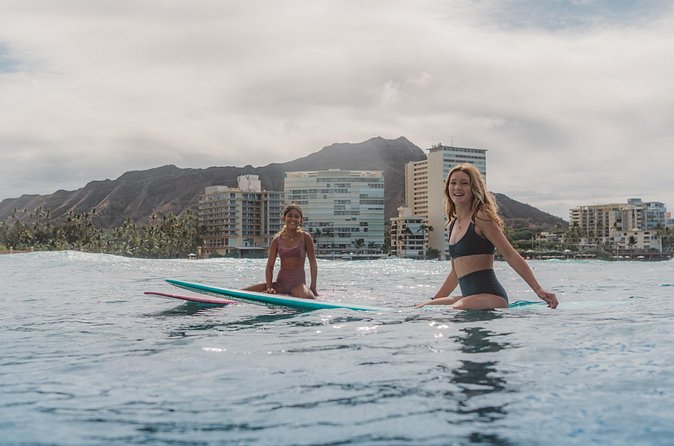
This surfing lesson is aimed at first-time surfers and also people who have tried before but still haven’t nailed the basics.
It’s also specifically structured for families:
- A private surf lesson is required for kids 10 years or younger or weak swimmers.
That’s an important note. If you’re traveling with younger kids, you’ll want the extra attention a private lesson provides, both for learning and for keeping everyone comfortable.
It’s also labeled as suitable for most travelers, and the fact that it’s private means your group won’t be mixed into a larger class where you wait your turn.
Who might consider something else? If you already surf comfortably and want coaching aimed at advanced skills, a beginner two-hour session may feel too basic. This lesson is about safety and fundamentals: getting your board under you, learning paddling, improving your stance and balance, and practicing how to get to your feet.
Value in Two Hours: How to Get the Most Out of the Lesson
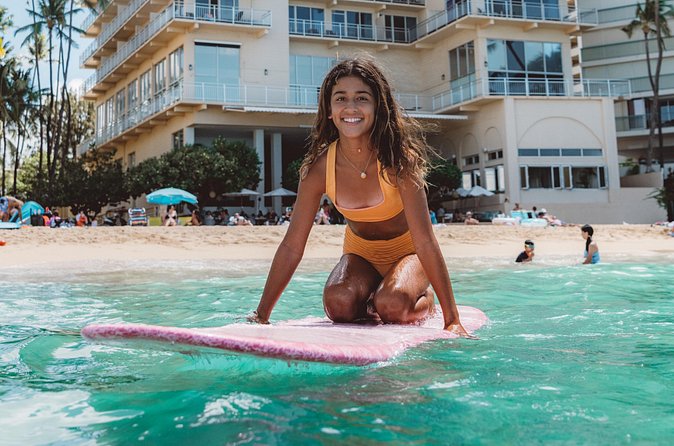
Two hours is a short window, so the secret is showing up ready to learn and staying flexible. Your instructor will cover a lot of core skills: positioning, paddling, maneuvering over waves, turning, getting to your feet, stance, balance, and safety rules.
To get more out of it, focus on these mindsets:
- Treat each attempt as a feedback cycle, not a pass/fail moment.
- Listen for one correction at a time. If you try to fix everything at once, you’ll likely freeze.
- Aim for calm basics over dramatic goals. Beginners progress fastest when they nail fundamentals first.
Because equipment is included and the instructor is CPR/lifeguard certified, you’re not juggling logistics while learning. That’s where value shows up: less time organizing, more time doing.
Also, since this is a private tour with only your group, you should benefit from faster troubleshooting. If something isn’t working, like how you’re paddling or how your standing sequence feels, you’re more likely to get a tailored fix quickly.
Quick Decision Guide: Should You Book This Surf Lesson?
Book this private beginner surfing lesson if:
- you want a structured start with a land lesson plus water coaching
- you care about safety and certified instruction
- you’re traveling as a small group and want your own instructor time
- you’re bringing kids 10 or younger (private is required) or someone who needs extra support as a weaker swimmer
Consider skipping or switching to a different style if:
- you’re already a strong surfer and looking for advanced technique coaching
- you expect a long, multi-session journey. This is a two-hour fundamentals push, not a full transformation plan
If you want a practical first step into surfing on Oahu, where someone teaches you what to do, then helps you apply it right away, this is the kind of lesson that feels worth your time.
FAQ
Where is the surfing lesson meeting point?
The lesson starts at Kaimana Beach Hotel, 2863 Kalākaua Ave, Honolulu, HI 96815, USA.
How long is the private surfing lesson?
It lasts about 2 hours.
Is this lesson private or a shared group?
It’s private. Only your group participates.
What language is the instruction offered in?
The lesson is offered in English.
What should I wear or bring?
You must wear a swimsuit and bring a towel.
Are the instructors certified for safety?
Yes. All instructors are CPR and lifeguard certified by the American Red Cross.
What will I learn during the lesson?
You’ll learn positioning on the surfboard, paddling techniques, how to maneuver over waves, how to turn the surfboard, how to get to your feet, proper surf stance, balance techniques, and safety rules.
Is a private lesson required for kids?
Yes. A private surf lesson is required for kids 10 years or younger or weak swimmers.
Can I cancel for free?
Yes. You can cancel up to 24 hours in advance for a full refund.