REVIEW · OAHU
First Time Introductory Scuba Dive
Book on Viator →Operated by Hawaiian Diving Adventures · Bookable on Viator
Scuba on Oahu is a whole new kind of wow. This first-time program is built for your comfort: safety coaching first, then real underwater time with a small group. You’ll learn how to breathe, move, and stay calm while you’re guided step by step.
I especially like that you don’t have to hunt down or pack equipment. Everything you need is provided, plus snacks keep you from feeling run-down before you hit the water. And the groups stay small, one to four people in the water, so you get more attention and a better shot at seeing marine life without spooking it.
One thing to consider: the experience is weather-dependent. On a choppy day, the surface portion can feel rough, and the skills practice happens in open water rather than a pool. If you’re easily rattled by waves, you’ll want to go in with a flexible mindset and good expectations.
In This Review
- Key Highlights Worth Booking For
- First-Time Setup in Honolulu: Gear, Check-In, and the 11:00 am Start
- What Your $279 Ticket Really Covers (And Why It’s Good Value)
- The First Water Skills: Safety Coaching That Builds Confidence
- Small Groups on Purpose: Better Learning, Less Wildlife Stress
- Underwater Time: What You Might See Around Oahu
- Weather Reality: Choppy Water Can Change the Feel of the Day
- Meeting Point Logistics: Near Public Transit and a Simple Round Trip
- Who Should Book This First-Time Program
- Should You Book? My Practical Recommendation
- FAQ
- How long is the first-time scuba program in Oahu?
- What’s included in the price?
- How big are the groups?
- Do I need to complete a medical waiver?
- Is the experience offered in English?
- Is there free cancellation, and what if weather is poor?
Key Highlights Worth Booking For
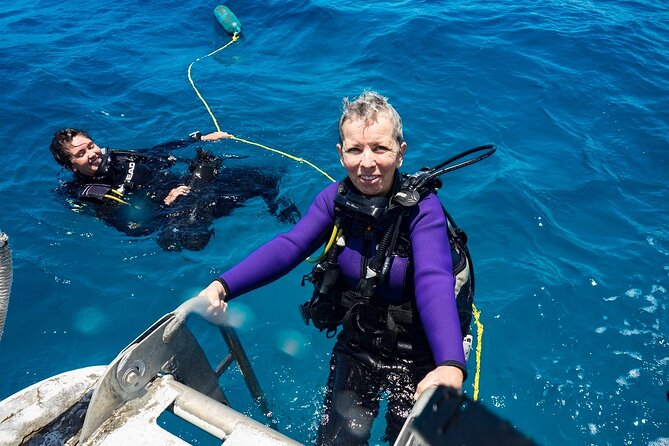
- Small in-water groups (1–4) for more coaching and calmer conditions underwater
- All scuba equipment included, so you travel lighter and focus on learning
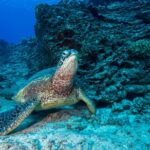
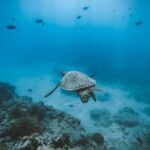
- Marine life odds with targets like sea turtles, octopuses, and sometimes electric eels
- Snacks included, so you stay fueled for a solid half-day
- Instructor-first safety setup, with close guidance on fundamentals before you head under
First-Time Setup in Honolulu: Gear, Check-In, and the 11:00 am Start
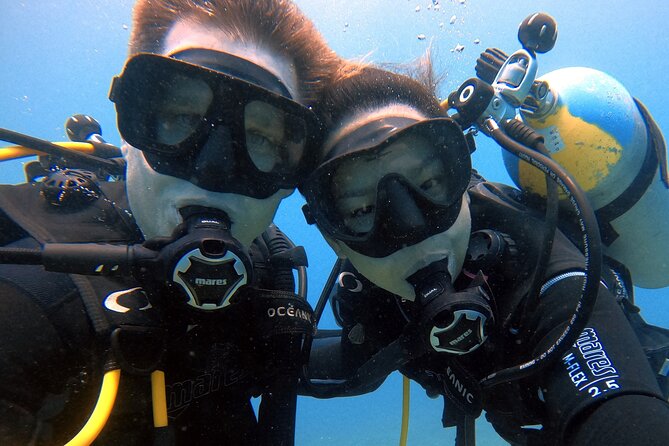
Your day starts around 11:00 am at 74VV+4W Honolulu (the activity ends back at the same meeting point). This matters because you’re not burning a full day in transit or waiting around for hours. It’s a clean half-day plan that fits well with beaches, food, and easy sightseeing before or after.
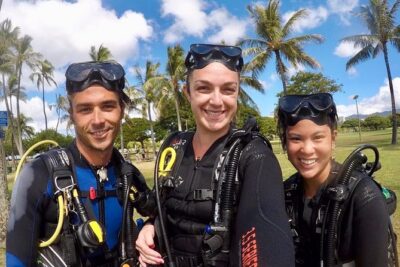
Once you arrive, expect a quick, organized flow: you’ll confirm, handle required paperwork, then get fitted with the scuba equipment. The big advantage here is that you’re not making decisions about what gear you need. For a first timer, that’s huge. Your brain can stay focused on what the instructor is saying, not on gear trial-and-error.
Also keep in mind the physical ask. The info lists a moderate fitness level. That usually translates to being able to handle getting in and out on a boat and moving around with your equipment, even when the day isn’t glass-calm.
You can also read our reviews of more scuba diving tours in Oahu

What Your $279 Ticket Really Covers (And Why It’s Good Value)
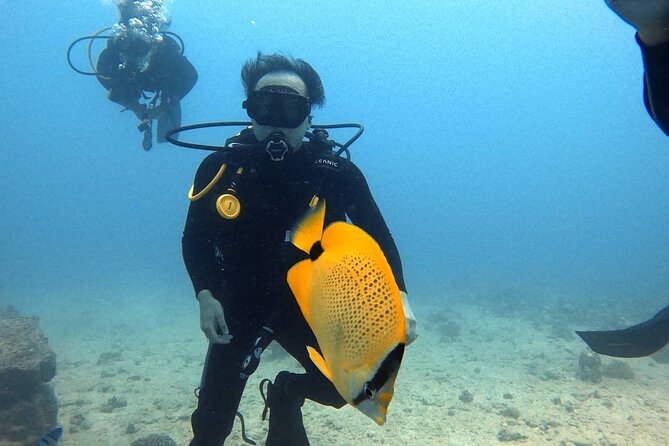
At $279 per person for about 4 hours, you’re paying for more than just time in the water. You’re paying for guided instruction, equipment use, and snacks, plus the fact that the operator runs this with small groups so your learning experience stays personal.
Here’s the practical value breakdown:
- Equipment is included. You’re not renting tanks, masks, fins, or related gear separately. That saves money and hassle.
- Instruction is continuous. The program is designed for your safety and comfort, which is exactly what you want when you’re new.
- Snacks are included. It sounds small, but it helps you avoid the tired-before-you-start feeling.
- Group size limits reduce chaos. Smaller charters help keep things calmer for both people and marine wildlife.
If you’ve ever watched someone struggle with their setup while everyone else waits, you’ll understand why that’s worth paying for. This is a learning-focused experience, not a “follow the crowd and hope for the best” situation.
The First Water Skills: Safety Coaching That Builds Confidence
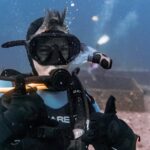
This program is meant for your fundamentals. You’ll go over safety guidelines and practice core skills under an instructor’s watch. The goal is simple: get you comfortable with breathing equipment, handling basic checks, and staying calm as you transition from surface to underwater.
What I love about this structure is the pacing. New divers often get overwhelmed when the instructor throws too much at them too fast. Here, the instructor’s primary focus is your safety and enjoyment, and the small group size supports that. If you’re lucky enough to get an instructor like Ed (named in the feedback), you’ll likely appreciate how patient the teaching can feel, explaining basics clearly, then checking that you actually understand what you just did.
One word of caution, based on real experience: skills practice happens in open water, and conditions can be choppy. That doesn’t mean you can’t do it. It means you should mentally prepare for the fact that your first moments might feel more intense than a pool practice would. If you’re the type who panics when the surface is rough, plan to lean on the instructor quickly and keep asking questions before you’re put on the spot.
Small Groups on Purpose: Better Learning, Less Wildlife Stress
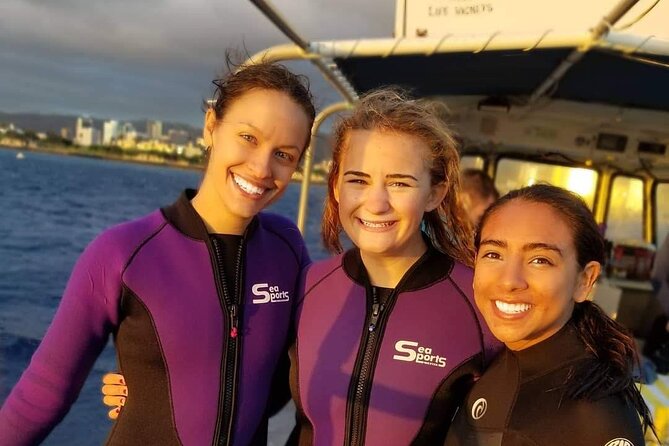
The program runs as a small group format: one to four people in the introductory dives, and the overall activity caps at 16 travelers. That’s a smart design choice. Bigger crowds can crowd out your attention, and they can also affect the animals you’re hoping to see.
In practice, smaller groups help in two ways:
- More coaching time: You’re not just another headset in the group. You’re there to learn.
- Less disturbance: The info specifically notes that larger groups can spook marine wildlife, so smaller charters help keep the water experience calmer.
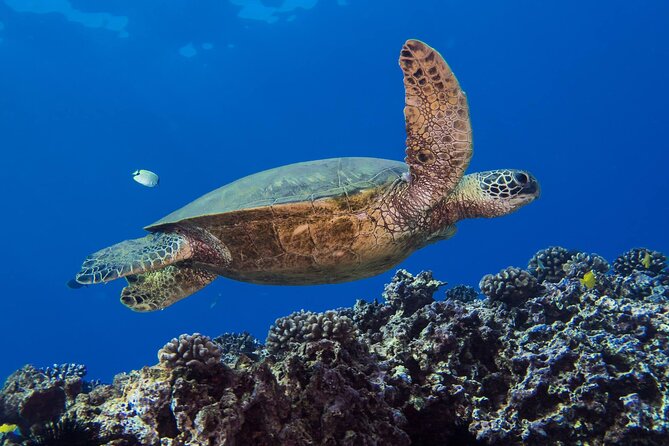
This is where your “what will I see?” expectations get more realistic. You’re targeting sea turtles and octopuses, and you might even spot other surprises. One named highlight from the feedback included turtles and electric eels. You won’t control what the ocean gives you, but small-group management boosts your chances of encountering wildlife naturally, without pushing it away.
Underwater Time: What You Might See Around Oahu
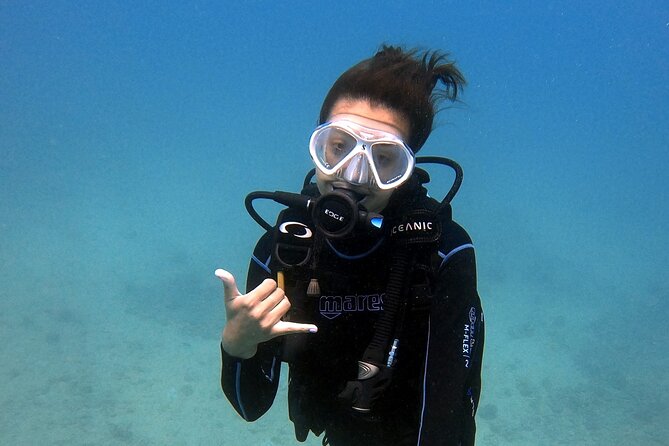
The attraction here is what’s under you: sea turtles and octopuses are the specific animals called out. Those are great first-time targets because they’re often slow-moving and visible enough to make the effort worth it.
Based on real feedback, some groups also reported electric eels. That’s not something you can count on like a schedule, but it’s a reminder that Oahu’s waters can surprise you when conditions cooperate and you stay observant.
Your best strategy as a beginner is to focus on two things at once:
- Control your breathing and buoyancy basics so you feel stable
- Scan patiently for movement and shape, rather than chasing fast shadows
If you do that, you’ll get more from the time you have underwater, and you won’t miss wildlife because you were busy fighting your gear.


Weather Reality: Choppy Water Can Change the Feel of the Day
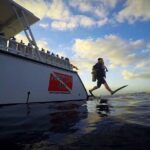
The operator notes that good weather is required, and if the experience is canceled due to poor weather, you’ll be offered a different date or a full refund. That’s important because scuba (and any open-water skills practice) is sensitive to surface conditions.
One piece of candid feedback: choppy water made the surface portion feel uncomfortable for a true beginner, and one person couldn’t continue because of fear. The response from the operator emphasized something worth taking seriously: choppiness doesn’t extend underwater. Once you’re properly underwater, conditions can feel more stable.
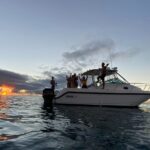
Still, if you know you get stressed by boat rides or rough water, you should go into this with the mindset that you’re learning in a real ocean environment. You’re not taking a beginner lesson in a controlled pool. If you’re excited by marine life and open-water learning, but not thrilled by waves, that’s the tension to think about before you book.
Meeting Point Logistics: Near Public Transit and a Simple Round Trip
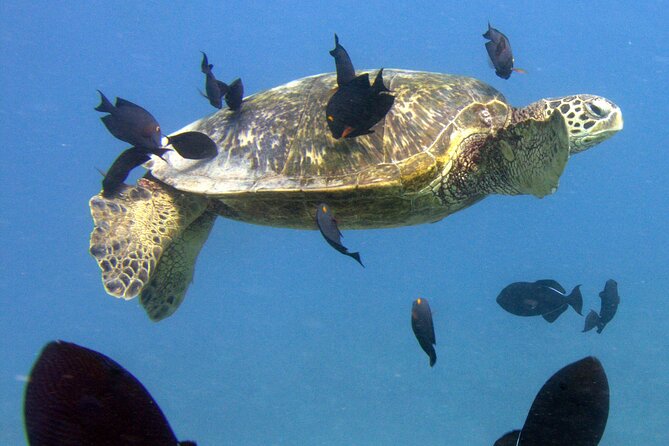
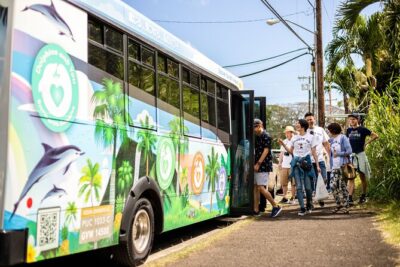
This tour starts and ends at the same meeting point near public transportation, which makes planning easier in Honolulu. You don’t have to solve a complicated pickup puzzle or worry about being left across the island.
Also, the activity is mobile-ticket friendly. That means fewer steps once you’re there: show up with what you need and follow the flow. For a first-time scuba day, that matters. Less logistical friction = more mental space for learning.
Who Should Book This First-Time Program
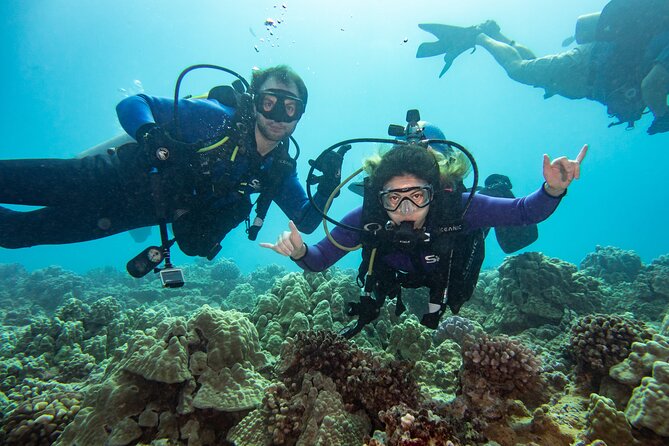
This is a great choice if:
- You want a guided skill lesson rather than a hands-off “try it and figure it out”
- You prefer small groups where your instructor can check in on you
- You want equipment handled for you so you can travel lighter
- You’re excited about seeing sea turtles and octopuses in Oahu’s waters
It may be less ideal if:
- You know you’ll struggle with choppy surface conditions
- You need a pool-based warm-up for confidence before open water
- You’re looking for a purely relaxed sightseeing swim with zero training feel
A good fit looks like this: you’re curious, you can follow directions, and you’re willing to practice basic skills with patience.
Should You Book? My Practical Recommendation
If your goal is a confident first experience with real instruction, I’d book this. The biggest reasons are straightforward: small-group coaching, included gear, and a safety-first approach. The feedback also backs that up, including the experience of someone guided by Ed, with patient explanations and strong wildlife sightings.
Just be honest with yourself about ocean conditions. Since skills practice happens in open water and the surface can be choppy on some days, you’ll enjoy this more if you’re comfortable with a boat ride and you can trust the instructor’s guidance.
FAQ
How long is the first-time scuba program in Oahu?
The experience lasts about 4 hours.
What’s included in the price?
You get use of scuba equipment and snacks.
How big are the groups?
Introductory dives are small groups of one to four people, and the overall activity has a maximum of 16 travelers.
Do I need to complete a medical waiver?
Yes. An RSTC Scuba Medical Waiver must be filled out on the morning of the charter. If you answer yes on the form, you’ll need a doctor’s note to scuba.
Is the experience offered in English?
Yes, it’s offered in English.
Is there free cancellation, and what if weather is poor?
You can cancel for a full refund up to 24 hours in advance. If the experience is canceled due to poor weather, you’ll be offered a different date or a full refund.