REVIEW · OAHU
Oahu: Wreck & Reef Scuba Dive for Certified Divers
Book on GetYourGuide →Operated by Dive Oahu Inc · Bookable on GetYourGuide
Oahu’s wrecks are not small business. On this wreck-and-reef scuba tour for certified divers, you target famous underwater sites off Oahu’s south shore and pair that with reef time for marine life. You’ll go out on a comfortable charter with sun and shade, plus a restroom onboard, so you can focus on the water instead of logistics.
I especially like the all-inclusive gear and wetsuits, no last-minute rental run. I also like the built-in variety: a wreck option (Sea Tiger or YO-257/San Pedro) followed by a guided stop at one of Honolulu’s favorite reef areas.
One possible drawback: the tour is not a general “first day in the ocean” experience. You must show proof of certification, you should be in good health and able to swim, and conditions can affect which wrecks are visited (San Pedro is only done when conditions are ideal).
In This Review
- Key Highlights That Make This Oahu Scuba Tour Worth Your Time
- 3 Hours on the Water: Boat Comfort and How the Day Flows
- Sea Tiger Wreck at 60–90 Feet: What to Expect from This Trading Vessel
- YO-257 and San Pedro Side-by-Side: When Currents Decide the Plan
- Honolulu Reef Time After Your Surface Interval: The Part You Shouldn’t Rush
- Marine Life You Can Actually Aim For: How to Increase Your Odds
- Gear, Wetsuits, and the $248 Value: What You’re Really Paying For
- Logistics That Matter: Where to Meet, What to Bring, and the Rules for the Sky
- Who This Tour Fits Best (and Who Should Skip It)
- Book It or Pass: My Decision Guide
- FAQ
- Where do I meet for the tour?
- How much time should I allow for check-in?
- Is parking available near the meeting point?
- What scuba certification do I need?
- What gear is included?
- What should I bring with me?
- How long is the tour?
- What marine life can I expect to see?
- Can I fly after the scuba session?
- Is the tour suitable for children or pregnant women?
Key Highlights That Make This Oahu Scuba Tour Worth Your Time
- Sea Tiger wreck option in about 123 feet of water, with structures in the 60–90 foot range
- YO-257 and San Pedro wrecks tackled side by side, with strong-current reality built in for San Pedro
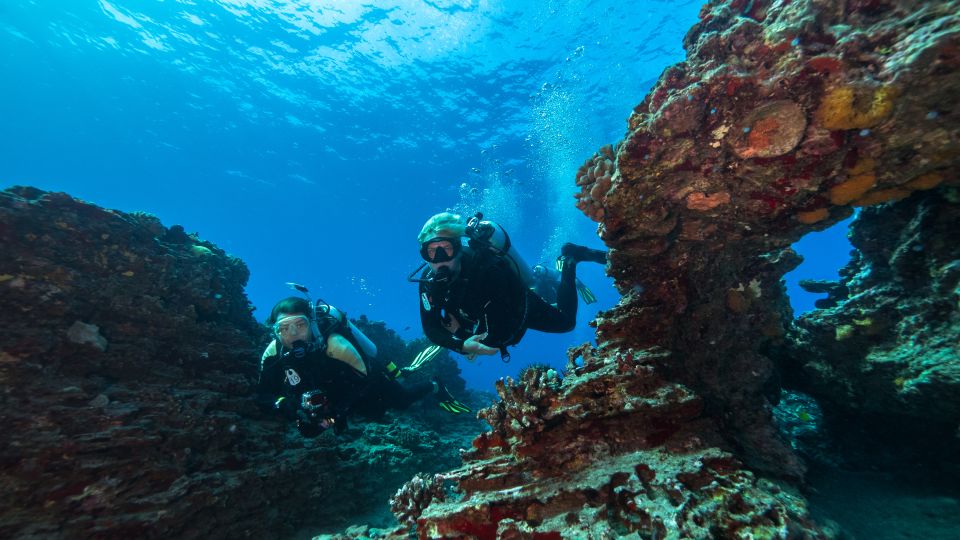
- Marine life odds are strong, including whitetip reef sharks, sea turtles, rays, eels, and big schools of fish
- Two-part plan: wreck time, then a surface interval and a guided reef stop
- Snacks and refreshments onboard, plus premier gear and wetsuits included in the $248 price
- Small-group feel led by PADI-certified professionals, with an English-speaking instructor
3 Hours on the Water: Boat Comfort and How the Day Flows
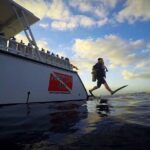
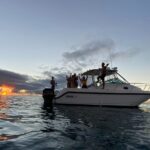
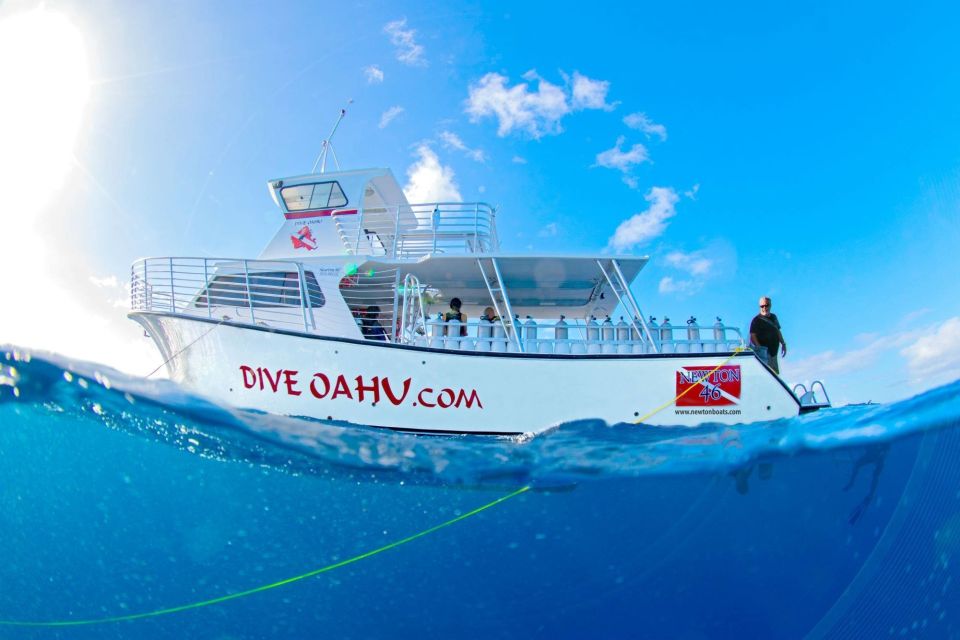
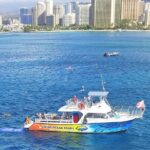
This is a short, tight 3-hour outing, which is a good thing if your schedule is stacked. You’ll meet at the harbor (Unit 109 at the Harbor), then board a fully equipped charter with a sun deck and shaded deck, plus plenty of room to gear up and move around. There’s even a restroom onboard, which sounds basic until you’re on a boat long enough to notice how much you appreciate it.
The rhythm of the day is simple. You’ll do your main underwater visit at the wreck site you choose, then come up for a surface interval with snacks and refreshments. After that, you’ll get a guided reef stop for more marine life encounters.
That “short and structured” format is also why this tour can feel great for experienced divers. You spend time where it matters, underwater, without turning the day into a long travel slog.
You can also read our reviews of more scuba diving tours in Oahu
Sea Tiger Wreck at 60–90 Feet: What to Expect from This Trading Vessel
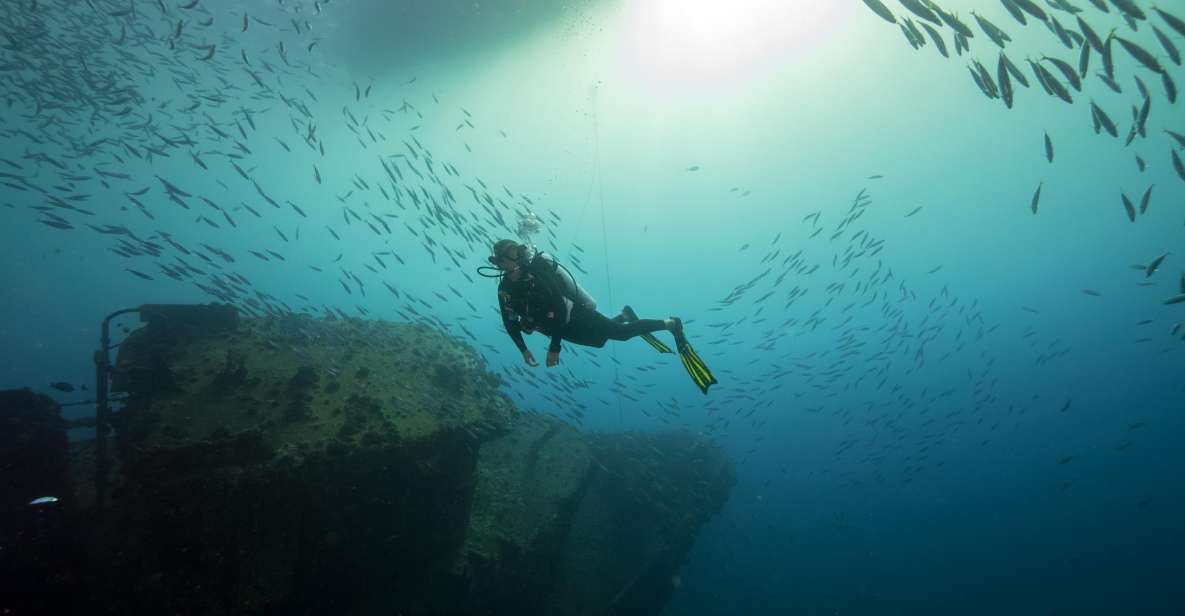
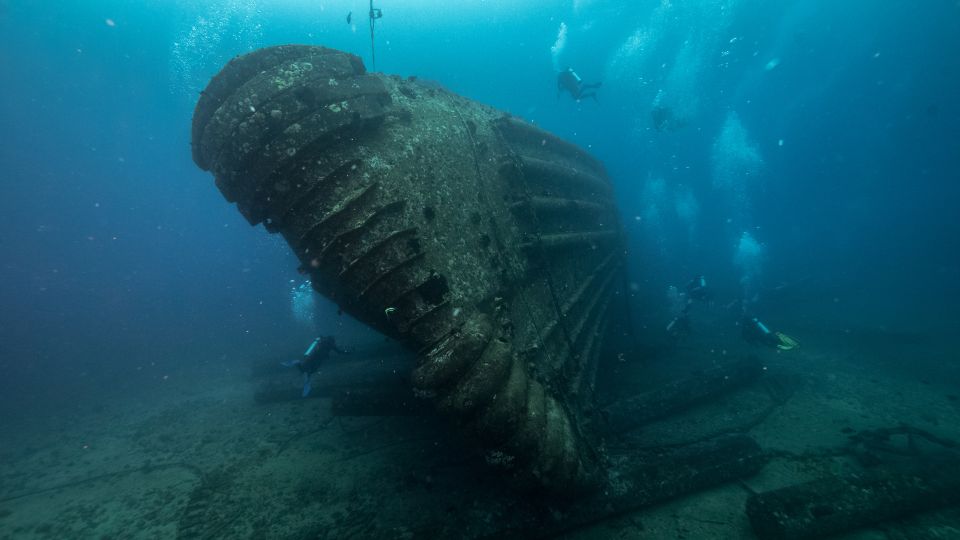
If you pick the Sea Tiger option, you’re in for a classic wreck experience. The former trading vessel rests in about 123 feet, but the most visually interesting structure sits shallower, around 60–90 feet. That’s a big deal because you can get a satisfying mix of depth and visibility depending on your buoyancy and comfort.
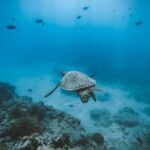
On the Sea Tiger, you’ll want to keep your eyes moving. The site is known for resident whitetip reef sharks, plus sightings like 6-foot sea turtles, moray eels, eagle rays, and massive schools of fish. The wreck is the main stage, but the surrounding water is where you’ll often spot the action too.
One practical tip: in wreck environments, you can’t rely on always having a perfect straight-on view. If you’re comfortable controlling your position and not kicking up sediment, you’ll usually see more. If you’re less experienced with wreck etiquette, this tour is still doable, but slow down, watch your trim, and listen carefully before you descend.
YO-257 and San Pedro Side-by-Side: When Currents Decide the Plan
The YO-257 and San Pedro option is built around two ships located about 50 yards apart. The YO-257 rests in about 115 feet, with its superstructure and deck in the 70–90 foot range. That makes it a strong “recreational profile” wreck: deep enough to feel adventurous, but not so deep that everything becomes about logistics instead of scenery.
San Pedro is a bit shallower, and the tradeoff is real: it can experience strong currents. The key point is that San Pedro is only visited when conditions are ideal. So if you’re hoping for that exact wreck specifically, know that the day depends on weather and sea state.
What you get from this two-wreck setup is variety within the same overall outing. Instead of one isolated structure, you’re moving between two wrecks and letting marine life “choose” where it wants to show up, around openings, along structure edges, or in the water column.
If you like wrecks but also enjoy the feeling of scanning for movement, this option can be satisfying. The ships’ proximity means you can compare what’s happening at different points without your day feeling scattered.
Honolulu Reef Time After Your Surface Interval: The Part You Shouldn’t Rush
After the wreck portion, you’ll take a surface interval onboard with refreshments and snacks, then head back in for a guided reef stop. The reef visit is described as one of Honolulu’s favorite sites, and in at least one experience, divers did time around Kewalo Pipe.
Reef time matters because it resets your brain. Wrecks ask you to navigate structure carefully. Reefs let you watch behavior, how turtles cruise, how rays patrol, how fish schooling patterns shift as currents move. You’ll also have another shot at the kinds of animals that make Oahu feel like a living aquarium.
Based on what’s been listed, your reef encounters can include sharks, turtles, eels, rays, octopus, starfish, crabs, Hawaiian endemic fish, and dolphins. Not everything is guaranteed, but the range is wide enough that you’re very unlikely to feel like you got the same sight picture twice.
If you want to maximize your chances, do this: stay calm during the transition back into the water. The best reef sightings often happen in the first few minutes once everyone is settled and neutral buoyancy is under control.
Marine Life You Can Actually Aim For: How to Increase Your Odds
This tour is advertised as a marine life experience, and the species list is specific. On the wreck side, you’re looking for things like whitetip reef sharks, moray eels, eagle rays, and turtles. On the reef side, you’re looking at a wider mix: octopus, starfish, crabs, endemic fish, and even dolphins as you work the surface interval and approach areas.
Here’s the practical truth: marine life sightings depend on conditions, time underwater, and how you move. You can’t force a turtle to swim closer, but you can make it easier for wildlife to tolerate your presence.
- Keep fin kicks small and slow. This reduces silt and helps visibility.
- Don’t chase. Watch where animals are already oriented, and let them come through your “view lane.”
- Stay in control of your buoyancy. It keeps you from bumping structure or hovering too high where fish won’t look your way.
Also, if you’re working with an English-speaking guide, a basic comfort with the instructions helps. One experience specifically noted that following guidance isn’t always easy if your English is limited, so even if your certification is solid, plan to listen closely once you’re onboard.
Gear, Wetsuits, and the $248 Value: What You’re Really Paying For
The headline price is $248 per person for about 3 hours. What makes this feel like decent value is that it’s all-inclusive for the gear and wetsuit. That matters because scuba days can quietly get expensive when you start paying for equipment at the dock.
Included items are listed clearly: premier gear rental, a guided tour with a PADI-certified instructor, and snacks and refreshments. Not included: parking. That last bit is worth noting, because parking can be the one cost that feels annoying at the last minute.
So when you’re judging value, don’t compare it only to other scuba tours that don’t include equipment. Compare it to the all-in cost you’d pay if you had to rent gear and find snacks yourself.
One more practical note: arriving on time isn’t just politeness. You’re expected at the boat harbor 30 minutes before the scheduled departure so there’s time for waivers and equipment fitting. If you show up late, your day gets compressed, and compressed days are where mistakes happen.
Logistics That Matter: Where to Meet, What to Bring, and the Rules for the Sky
Meeting point is Unit 109 at the Harbor. Parking is available at Kewalo Basin for $2 an hour or Ala Moana Beach Park for free parking. If you’re staying anywhere near Waikiki, that free option can be a win.
What you should bring is straightforward:
- swimwear
- towel
- sunscreen
- your scuba certification card or proof of certification
Two “don’t mess with this” items:
- You must be able to swim and be in good health, and the tour is for certified divers only.
- After your scuba session, you should not fly within 24 hours.
Also, show up ready to prove your certification. You’ll have to present proof through PADI or another approved diving course before you board.
One last thing that’s easy to forget: the operator emphasizes checking your email address carefully. You receive a confirmation email from the local partner after booking, and they ask you to contact them if you don’t see it in a couple hours. It’s boring, but it saves headaches later.
Who This Tour Fits Best (and Who Should Skip It)
This is not designed for kids. It’s not suitable for children under 15, and it’s also not suitable for pregnant women. So if you’re traveling as a family, you’ll likely be looking at alternate activities for the younger crowd.
This tour fits best if you:
- are already certified and comfortable with controlled descent and buoyancy
- enjoy wrecks but also want reef time after
- want a guided day with snacks onboard and gear included
- like the idea of seeing specific species, not just “random ocean stuff”
If you’re a brand-new diver, you might feel stressed rather than excited. You’re doing deep structure environments (with noted depths down to around 70–90 feet on key structures), and the day depends on conditions, especially for San Pedro.
If you’re prone to motion sickness, remember that boats and open water mean you’ll feel the water. One experience mentioned choppy water conditions as something to prepare for, so it’s smart to bring whatever helps you personally.
Book It or Pass: My Decision Guide
I’d book this tour if you’re a certified diver who wants a well-structured wreck-and-reef day with gear included, clear site options, and a strong chance at major marine sightings like turtles, rays, and sharks. The price lands at the mid-to-high end, but the all-in equipment and wetsuit support your value math.
I’d hesitate if you:
- want a casual, low-pressure first underwater outing (this is not that)
- need a guaranteed specific wreck like San Pedro regardless of conditions (San Pedro is only visited when conditions are ideal)
- expect long, flexible on-water time for training or troubleshooting (the total outing is 3 hours, and there’s also a firm expectation around early arrival)
Also, keep one caution in mind. One unhappy experience described an unexpectedly short initial underwater segment and disappointment with wreck visibility, which suggests that conditions or execution can affect what you ultimately get. That’s not a reason to fear the tour, but it is a reason to manage expectations about how the day plays out once you’re at sea.
If you go in ready, certification in hand, buoyancy solid, eyes open, you should be in for a memorable Oahu combo day.
FAQ
Where do I meet for the tour?
Meet at Unit 109 at the Harbor.
How much time should I allow for check-in?
Be at the boat harbor 30 minutes before the scheduled boat dive to allow time for waivers and equipment fitting.
Is parking available near the meeting point?
Yes. Parking is available at Kewalo Basin for $2 an hour, and Ala Moana Beach Park offers free parking.
What scuba certification do I need?
You must show proof of certification through PADI or another approved diving course before boarding.
What gear is included?
Premier gear rental and a wetsuit are included. Snacks and refreshments are also included.
What should I bring with me?
Bring swimwear, a towel, sunscreen, and your diving certification.
How long is the tour?
The duration is about 3 hours.
What marine life can I expect to see?
You may see sharks, turtles, rays, fish, eels, octopus, starfish, crabs, Hawaiian endemic fish, and dolphins, depending on conditions and the sites visited.
Can I fly after the scuba session?
No. Divers should not be flying within 24 hours after diving.
Is the tour suitable for children or pregnant women?
No. It is not suitable for children under 15, and it is not suitable for pregnant women. It is wheelchair accessible.