REVIEW · OAHU
Certified Diver: 2-Tank Deep Wreck and Shallow Reef Dive Off Oahu
Book on Viator →Operated by Dive Oahu Inc · Bookable on Viator
Two tanks and a shipwreck plus a reef. This certified scuba outing off Oahu pairs the Sea Tiger wreck with a go-to shallow reef spot, where turtles and eels feel like they’re just part of the scenery. You’ll also get guided help from a PADI pro, plus the kind of calm, organized boat flow that makes the whole morning feel manageable.
What I like most is the “two worlds” combo: a deeper wreck experience followed by shallower reef time that’s easier to enjoy at a slower pace. I also appreciate that the package includes premier gear rental, along with snacks and refreshments, so you’re not juggling extra stops just to get into the water. The crew name-check in the feedback tells a story too: people repeatedly highlight Captain Nacho, Captain Matt, and guides like Heather, Jordan, Colton, and Jared for keeping things safe and smooth.
The main thing to consider: this is gear-and-certification serious. You must show proof of certification, be able to swim, be over 15, and be in good health, and the schedule is weather-dependent. One more practical caution, wreck penetration can be limited, so think “wildlife spotting” first, not “swim-through adventure.”
In This Review
- Key takeaways for this Oahu wreck-and-reef scuba trip
- Two tanks, two habitats, and a very efficient morning
- Sea Tiger wreck tank: expect wildlife, not a guaranteed swim-through
- Shallow reef tank around 50 feet: turtles, eels, and that classic reef look
- The crew and captain culture: why people keep naming the same names
- Gear, snacks, and add-ons: what’s included and what you may want
- Comfort tips that actually help on Oahu
- Price at about $248: where the value comes from
- Who should book this charter (and who should skip)
- Should you book this certified two-tank Oahu experience?
- FAQ
- FAQ
- What’s included in the price?
- How long is the experience?
- Do I need scuba certification before I can board?
- Where does the tour start?
- Is parking included?
- What are the age and health requirements?
- What add-ons are available?
- Is there a policy if weather is bad or I need to cancel?
- Can I fly after the scuba experience?
Key takeaways for this Oahu wreck-and-reef scuba trip
- Two-stop plan: Sea Tiger wreck time first, then shallower reef time at a gentler depth.
- Wildlife odds are strong: turtles, eels, octopus, sharks, rays, and lots of colorful fish are commonly reported.
- Free gear + snacks: saves time and money, and keeps the day feeling turnkey.
- Small-boat energy: the group can be small, which often means more personal attention.
- Guides matter here: strong leadership shows up again and again in the way divers feel safe and supported.
- Wreck time isn’t guaranteed to be a tunnel: some wreck areas aren’t meant for swimming through.
Two tanks, two habitats, and a very efficient morning
This is built for people who want real underwater variety without a long, complicated day. You’ll head out from Kewalo Basin Harbor and spend the time doing what divers actually came for: one wreck stop, then one shallow reef stop. The whole experience runs about 3 hours, so it fits nicely into a Honolulu day without wrecking your schedule.
The south shore of Oahu is a big part of why this works. You get the “wow” factor of a shipwreck, but then you also get a reef site that’s often around the 50-foot range (based on what divers share). That means you can compare two different kinds of underwater worlds back-to-back, depth changes, visibility can feel different, and the wildlife behavior shifts.
Also, the charter approach is practical. Divers do the waivers and gear fitting early, and the crew handles tank setup and swaps. That matters, because the smoother the surface routine, the more mental energy you have left for the water itself.
You can also read our reviews of more scuba diving tours in Oahu
Sea Tiger wreck tank: expect wildlife, not a guaranteed swim-through
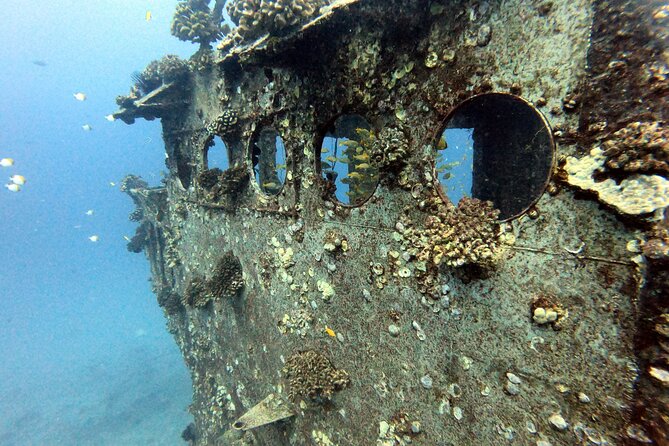
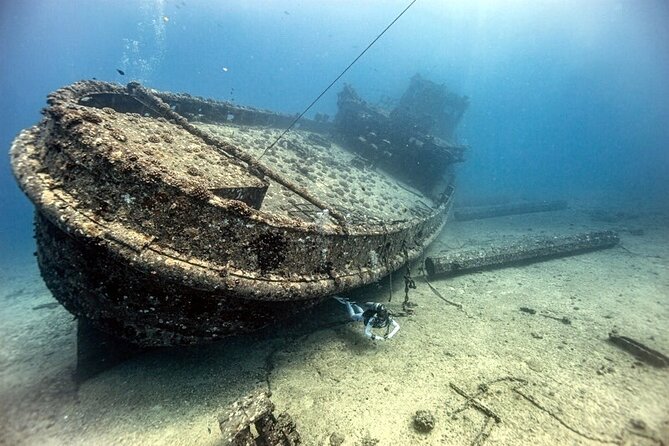
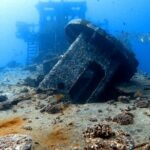
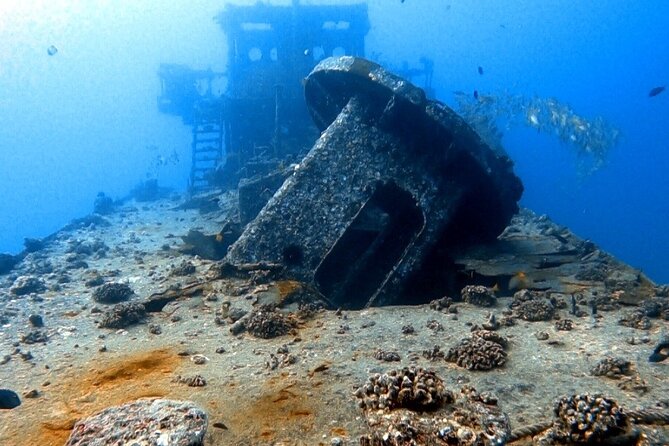
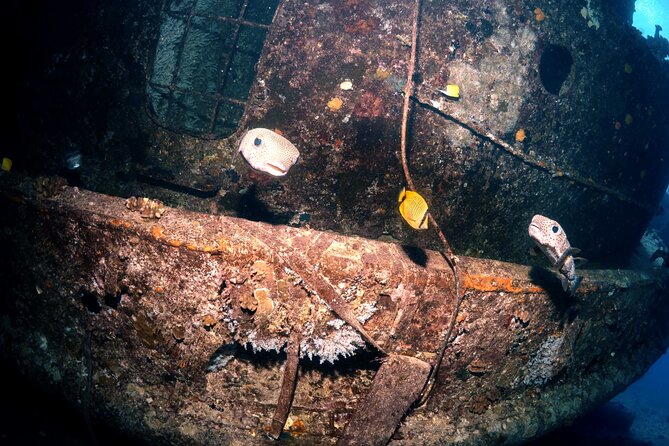
The first underwater stop centers on the Sea Tiger wreck, a well-known structure off Oahu’s south shore that often comes in around the 105-foot range (as divers commonly describe it). This is your deeper slot of the morning, which tends to attract a different mix of fish and makes the wreck feel more like an active habitat than just an object on the seafloor.
Here’s what I’d expect you to focus on:
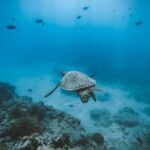
- Sea life around the structure: people report turtles, eels, octopus, and other critters using the wreck as shelter.
- Open-water views: you’ll spend plenty of time cruising the area and watching what’s living on and near the wreck rather than forcing your body into tight spaces.
One practical consideration that comes up: the wreck is not necessarily a swim-through experience. Divers note that some areas may be too small or too rusted for comfortable penetration, even though there can be plenty to see around the wreck. Translation: if your goal is “see fish and turtles in a cool wreck ecosystem,” you’re in the right place.
And if you’re bringing a camera, bring a little common sense too. One diver mentions protecting a GoPro during the wreck portion, since you’re dealing with structure and the chance of splashes or contact. If you’re shooting video, it’s a simple way to avoid avoidable headaches.
Shallow reef tank around 50 feet: turtles, eels, and that classic reef look
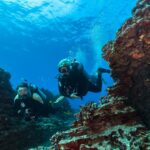
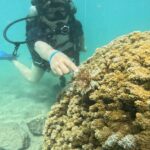
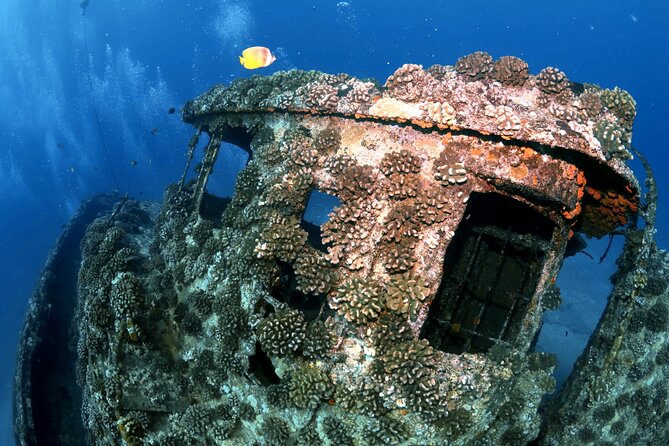
After the deeper wreck time, you move to a shallower reef site, often described as around 50 feet. A commonly mentioned example is the Shallow Pipe, an old waste pipe reef structure that draws wildlife like a magnet.
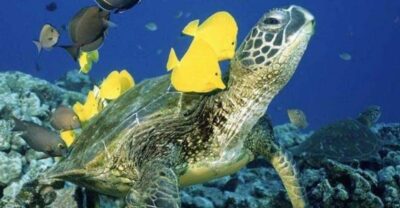
This second stop is where many people relax into the day. It’s shallower, the scenery feels more “reef-y,” and the animal activity can feel more visible. From the feedback, this is the tank where you can walk away with a greatest-hits list:
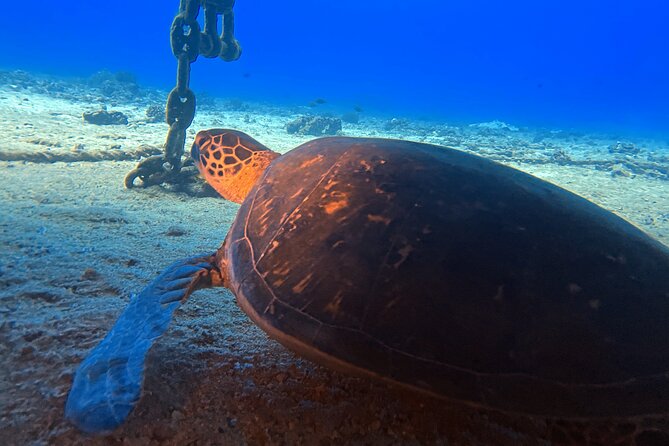
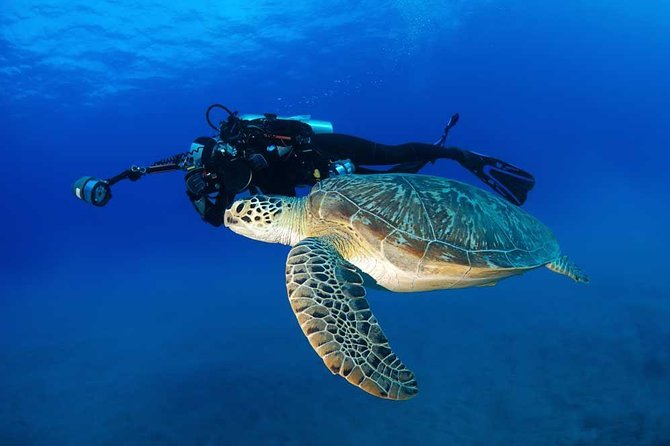
- Turtles: frequently spotted and often very photo-friendly
- Eels: long, watchful shapes tucked into reef spaces
- Octopus: often hiding, then popping out when you’re still and patient
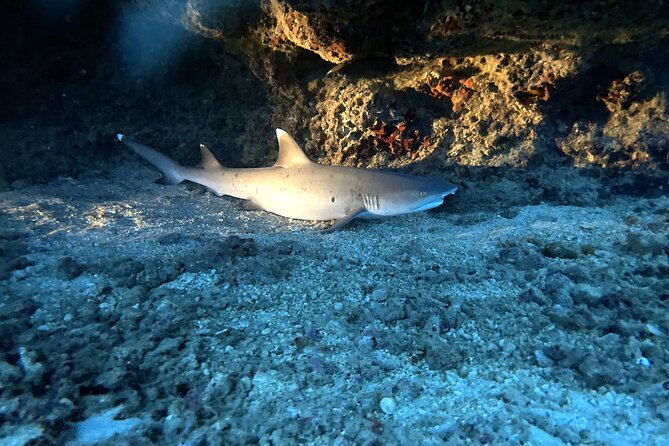
- Rays and reef fish: including reef sharks in some cases
You’ll probably notice a difference in how the crew runs the two stops. The deeper wreck time benefits from tighter control, buoyancy and planning are everything. The shallow reef time often feels more observational, where the crew helps you slow down and look instead of rush.
If you’re the kind of diver who likes variety, wreck structure plus reef ecology, this second stop is the payoff. It’s also the easiest place to enjoy underwater without thinking too hard about depth.
The crew and captain culture: why people keep naming the same names
What makes this charter consistently rank high isn’t just the sites. It’s how the boat team treats the surface routine and how the dive master guides people in the water.
Captains and guides named in the feedback include:
- Captain Nacho (also mentioned as extremely professional and attentive)
- Captain Matt
- Captain Adam
- Dive masters Heather, Jordan, Colton, Jared, and others like Chris and Josh
- Crew members like Ella, Alex, and Max are also credited for helping divers feel set up and supported
In plain terms, that pattern shows up as:
- Clear checks before going under (so you feel ready, not rushed)
- Patient coaching for divers who need help equalizing or managing breathing
- A “we’ve got you” attitude when the water is choppy getting back and forth
That last part matters more than people think. More than one diver comments on the smoothness of getting in and out even with some chop. That’s partly seamanship and partly crew competence, less worry for you, more focus for the underwater time.
If you’re a newer diver or returning after a break, that kind of support can be the difference between anxious and calm.
Gear, snacks, and add-ons: what’s included and what you may want
The tour includes free premier gear rental, plus free snacks and refreshments. For most people, that’s a big value point because it removes the hassle of bringing or sourcing everything. It also helps you travel lighter, which is a real win on Oahu where parking and logistics can add friction.
You should still be ready for a few requirements:
- You must provide your weight.
- The crew handles equipment fitting and tank setup, but you’ll need to arrive on time for waivers and fitting.
Optional add-ons are available:
- GoPro rental
- Nitrox tank rental
- A private guide
- A private photographer
If you’re a camera person, the GoPro option is worth considering since it removes the “will I remember everything” stress. If you’re an experienced diver who likes Nitrox for planning flexibility, the Nitrox add-on can fit your routine. If you want maximum attention and photos, a private photographer is the “stop thinking and just shoot” option.


Comfort tips that actually help on Oahu
This trip asks you to be comfortable in the water, so plan for it. You must be able to swim, be over 15, and be in good health. Certification is required too: you’ll need to show proof from PADI or another approved course before boarding.
Now for practical, comfort-focused tips based on what divers commonly highlight:
- Bring a wetsuit if you’re going in cooler months. One diver specifically recommends wearing a wetsuit in February.
- Equalize early and often. Even experienced divers can get caught off guard when water conditions are different from home. If you’re prone to ear issues, practice on the way down.
- Go with the crew’s pace. If you feel rushed, you’ll fight buoyancy and breathing. The guides are there to keep you safe, not to cram you through the day.
Also, don’t plan your next flight right away. You’re not allowed to fly within 24 hours of the scuba experience, so build that into your Hawaii itinerary.
Price at about $248: where the value comes from
At $248.81 per person for an approximately 3-hour charter, the honest question is: what are you buying?
You’re not just buying “two tank time.” You’re buying:
- Guided instruction by a PADI professional
- Free premium gear rental
- Snacks and refreshments
- A boat ride to sites that are only minutes offshore
That “minutes offshore” detail matters because it usually means less time traveling and more time in the water. You also avoid the common hassle of assembling equipment rentals and keeping tabs on separate vendors.
Parking isn’t included, so factor that into your day plan if you’re driving. But for anyone staying near central Honolulu, the meeting point at Kewalo Basin Harbor is a straightforward start.
In my view, the price makes sense if you want a guided, structured experience where the crew handles the surface stuff and you focus on seeing wildlife and enjoying the underwater time.
Who should book this charter (and who should skip)
This is a strong fit if:
- You want wreck + reef variety in one morning.
- You’ve got certification and are comfortable following a guided plan.
- You care about wildlife sightings like turtles, eels, octopus, and sharks (even if sightings always vary).
You should think twice if:
- You’re hoping for a swim-through wreck adventure. Some areas may not be navigable for that.
- You don’t meet the readiness requirements: proof of certification, ability to swim, good health, and the age requirement.
- You’re leaving right after the trip and need to fly within 24 hours.
It’s also ideal if you like calmer group dynamics. The boat can run with small groups, and that often translates into more personal attention from guides. That’s a meaningful quality-of-day factor.
Should you book this certified two-tank Oahu experience?
My take: yes, if you want a well-run, guided wreck-and-reef morning off Honolulu’s south shore. The combination of Sea Tiger wreck time plus shallow reef structure like the Shallow Pipe gives you variety without adding complexity. And the repeated praise for specific captains and dive masters points to consistency in how they handle safety, comfort, and underwater support.
Book it if your goal is wildlife spotting with competent help on the surface and in the water. If you’re chasing a specific kind of wreck penetration, adjust expectations and focus on the ecosystem around the structure.
FAQ
FAQ
What’s included in the price?
The price includes free premier gear rental, free snacks and refreshments, and a guided tour by a PADI Professional.
How long is the experience?
It runs about 3 hours (approx.).
Do I need scuba certification before I can board?
Yes. All divers must show proof of certification through PADI or another approved diving course before boarding.
Where does the tour start?
The meeting point is Dive Oahu – Kewalo Basin Harbor, 1085 Ala Moana Blvd suite 109, Honolulu, HI 96813.
Is parking included?
No. Parking is not included.
What are the age and health requirements?
You must be over 15, be able to swim, and be in good health.
What add-ons are available?
Add-ons include GoPro rental, Nitrox tank rental, Private Guide, and/or a Private Photographer.
Is there a policy if weather is bad or I need to cancel?
The experience requires good weather. If it’s canceled due to poor weather, you’ll be offered a different date or a full refund. The provided info also states a cancellation policy that may be free up to 24 hours in advance for a full refund, but it separately notes a 48-hour cancellation policy in the operator guidelines, check the exact cutoff shown in your confirmation email.
Can I fly after the scuba experience?
No. You must NOT be flying within 24 hours of diving/scuba.