REVIEW · OAHU
Historical Tour of Downtown Honolulu in Red Light District
Book on Viator →Operated by Honolulu Red Light Tours · Bookable on Viator
Downtown Honolulu has a second story. This short walking tour takes you through the WWII-era red-light district from the 1930s to 1944, with stops at six former brothels and a clear focus on how daily life worked behind the scenes. I like that it starts at the Old Blaisdell Hotel, where working girls checked in with the Chief of Police, so you get a real anchor point instead of vague history. I also love the pacing: it’s about one hour and keeps the group small enough to ask questions.
The main drawback is the subject matter. This is about prostitution and control systems tied to power, so it can feel uncomfortable if you prefer soft, feel-good sightseeing.
In This Review
- Key highlights worth knowing
- A dark street-level lesson in how Honolulu worked
- Starting at 1154 Fort St, where policing met check-ins
- Six former brothels and the stories tied to each building
- The one-hour format: perfect for focus, limited for deep research
- Price and what $60 buys in a small-group tour
- Getting around downtown: wheelchair-friendly route with a timing catch
- Alcohol rules and how to keep expectations straight
- Who should book this tour (and who might skip it)
- Should you book Honolulu Red Light Tours downtown?
- FAQ
- How long is the Downtown Honolulu Historical Tour of the Red Light District?
- Where does the tour start?
- How much does the tour cost?
- What language is the tour offered in?
- Is the tour wheelchair accessible?
- What is the minimum age to consume alcohol on this tour?
Key highlights worth knowing
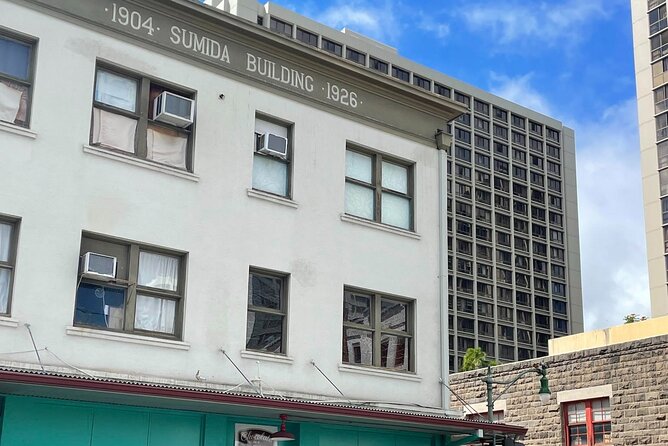
- Old Blaisdell Hotel start: you begin at the place tied to police check-ins.
- Six former brothel stops: each building comes with its own stories tied to the period.
- 1930s–1944 focus: the framing centers on Honolulu’s red-light era, including WWII context.
- Small group of up to 8: you’re not lost in a crowd; it stays conversational.
- Wheelchair-friendly route: and there’s an important note about the historic elevator and timing.
A dark street-level lesson in how Honolulu worked
There are lots of ways to see Oahu, but this one takes you into a part of downtown that shaped the city’s daily reality. The tour looks at Honolulu’s Chinatown-era prostitution system during the 1930s through 1944. That means you’re not just learning names and dates. You’re learning how a city’s rules, police presence, and money system intersected with people trying to survive.
One reason this tour earns such strong marks is that it doesn’t sanitize the era. The experience is described as educational and entertaining, but also honest in a way that makes you stop and think. It’s also a good reminder that history isn’t always tidy. Sometimes the truth feels hard, and you leave with a sharper sense of how earlier generations lived.
If you’re into social history, WWII connections, or you like walking tours that actually explain why things happened, you’re going to appreciate the angle. If you want postcard Honolulu only, this may not be your lane.
You can also read our reviews of more historical tours in Oahu


Starting at 1154 Fort St, where policing met check-ins
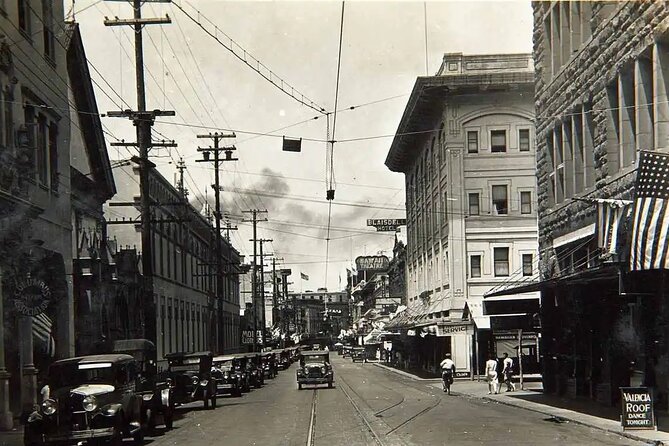
The tour meet-up is easy to find: 1154 Fort St, Honolulu, HI 96813, at the Old Blaisdell Hotel area. This matters more than it sounds. The start point is tied to a specific detail: this is where the working girls checked in with the Chief of Police. That one fact sets a tone for the whole walk, this wasn’t some shadowy rumor. It was a system that involved official authority.
From the beginning, you’re set up to understand the district as an organized part of the city, not just an embarrassing footnote. I like that the tour gives you a starting “why,” then builds from there with walking stops that each represent a chapter of that downtown world.
It also helps that the tour is designed as a short walk. You’re not spending all day commuting and guessing where to go next. You get a focused loop through the historic area, then you’re back where you started.
Six former brothels and the stories tied to each building
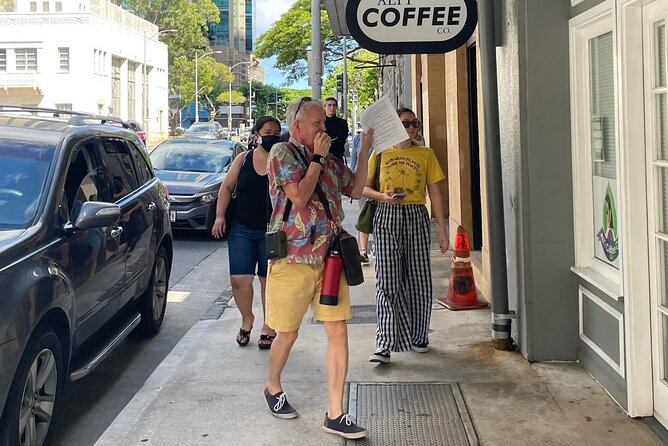
After you start at the Blaisdell area, the route continues through the historic red-light district. The structure is simple and effective: you visit six former brothels, and you learn the stories connected to each building.
The value here is the “place-based” method. Instead of one long lecture, you’re moving through downtown and attaching context to physical sites. That keeps the experience from turning into a slide show. It also helps you remember the timeline, because the guide can connect stories to what you’re seeing in front of you.
What I’d watch for while you’re on the walk is the guide’s emphasis on how the system worked. In the strongest accounts, guides like Jackie and Jim are praised for making the underside of WWII-era Honolulu feel real, fun to listen to, but not watered down. They’re also highlighted for turning tough material into something you can actually follow on your feet.
Keep expectations realistic: the tour is about one hour, so you’ll get snapshots rather than an encyclopedia. Still, those six stops are enough to make the whole district’s story click.
The one-hour format: perfect for focus, limited for deep research
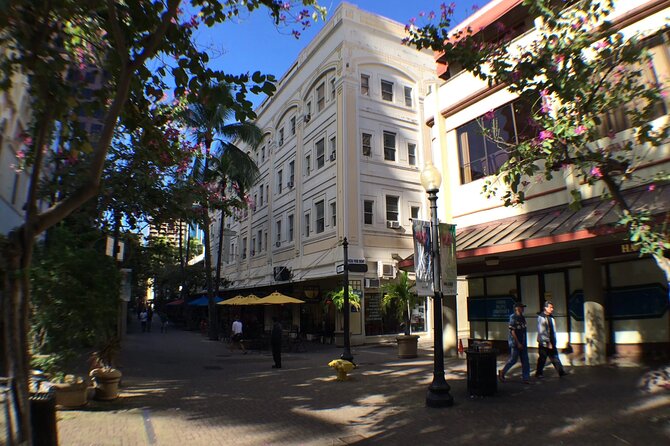
This tour runs about 1 hour. That short duration is not just a schedule convenience. It’s part of the design.
A small group max, up to 8 travelers, means you’re more likely to get answers instead of being stuck listening with no time to ask. It also means the guide can keep momentum without dragging. With a one-hour cap, you’ll feel like you used your time, not that you got trapped in a slow-moving walk.
The trade-off is obvious: you won’t have time for detours into museums or long stops for photos at every corner. If you’re hoping to use the walk as your only source of context about WWII Honolulu or Chinatown, you may want to do a little pre-reading first, or plan to follow up afterward with your own exploration.
Good news: downtown Honolulu is set up for easy add-ons. After the tour, you can keep moving through Chinatown area streets with the new context in your head.
Price and what $60 buys in a small-group tour
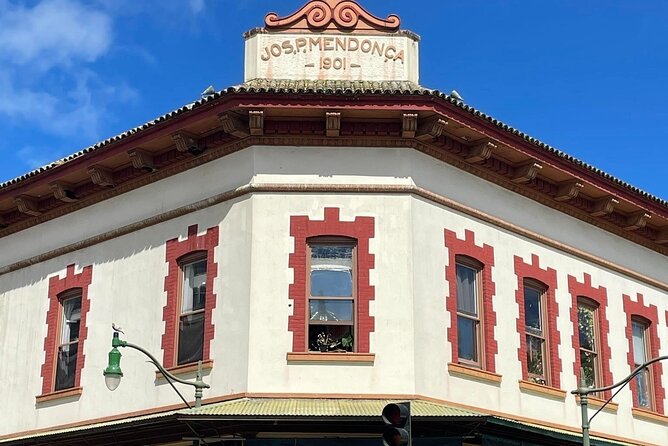
At $60 per person, this isn’t the cheapest walk in Honolulu. But it also isn’t charging you for a big bus, a huge group, or endless hours.
Here’s why it can still feel like good value:
- Admission ticket is included, so you’re paying for the guided experience rather than unbundled add-ons.
- The group size stays small (max 8), which usually means better interaction.
- The tour covers a specific historical window (1930s–1944) tied to a concentrated route through six sites.
Whether it’s worth it for you depends on your interests. If you like history that explains how people lived and how power shaped daily life, you’ll likely feel it was money well spent. If you’re mainly looking for scenery and light entertainment, you might find the subject matter doesn’t match the price.
My practical advice: treat it like a history class you can walk through. Pay attention, ask questions if you have them, and don’t try to turn it into casual background noise.






Getting around downtown: wheelchair-friendly route with a timing catch
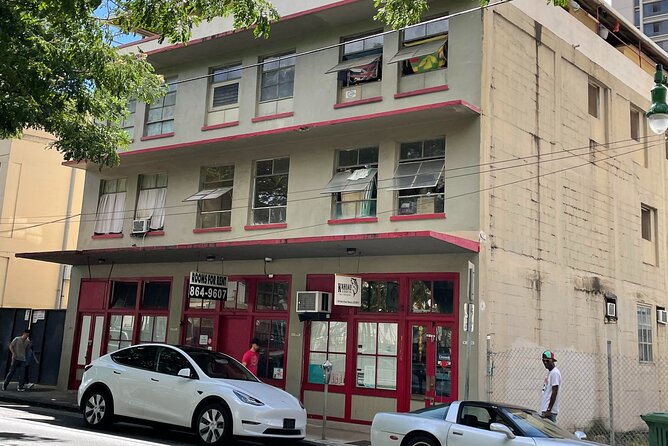
This is one of the more practical aspects of the tour. The walking route is described as wheelchair friendly, and it can accommodate visitors in wheelchairs for earlier tours.
There is one timing consideration tied to the historic elevator: the historic elevator stops running at 4:30 PM. That means if you’re bringing a wheelchair, choosing an earlier time slot matters. If you’re walking with mobility aids, the best move is to confirm tour timing before you plan the rest of your day around it.
The tour also notes that service animals are allowed, and most travelers can participate. It’s near public transportation too, so you’re not forced into a complicated travel plan just to get to the start.
Alcohol rules and how to keep expectations straight
The tour includes a simple guideline: you must be 21 to consume alcohol. That’s the only alcohol-related detail provided, so I’d treat it as a standard rule rather than something you should plan around.
In other words, if you’re coming for the historical walk, plan for a normal street-walking experience. If you’re sensitive to adult topics, know the theme is prostitution history in an era that included WWII. You’ll likely want to be mentally prepared for the subject.
Who should book this tour (and who might skip it)
Book this if:
- you want downtown Honolulu history tied to real places
- you like walking tours with a focused theme (not a generic overview)
- you’re interested in how police, money, and social systems affected people during the 1930s–1944
- you appreciate guides who can make hard facts understandable (guides like Jackie and Jim are specifically praised for that style)
Consider skipping if:
- you only want light sightseeing and prefer not to deal with prostitution and power dynamics
- you’re looking for a long, museum-style deep dive rather than a short walking route
- you need fully predictable “hands-on” stops beyond brief storytelling at each site
Should you book Honolulu Red Light Tours downtown?
I think you should book this tour if you’re the kind of traveler who likes real context, even when it’s uncomfortable. The combination of a specific starting point at the Old Blaisdell Hotel, a tight one-hour route, and six former brothel stops makes it more than a quick scare-story walk. It’s social history in motion.
If you’re on the fence, use this test: are you curious about how Honolulu functioned during the red-light era of the 1930s–1944, including WWII-era realities? If yes, this is a strong use of an hour. If you want only polished, feel-good tourism, you may feel better spending that time elsewhere in Chinatown.
FAQ
How long is the Downtown Honolulu Historical Tour of the Red Light District?
It runs about 1 hour (approx.).
Where does the tour start?
The meeting point is at 1154 Fort St, Honolulu, HI 96813, USA.
How much does the tour cost?
The price is $60.00 per person.
What language is the tour offered in?
The tour is offered in English.
Is the tour wheelchair accessible?
The route is described as wheelchair friendly, and wheelchairs can be accommodated on earlier tours since the historic elevator stops running at 4:30 PM.
What is the minimum age to consume alcohol on this tour?
You must be 21 to consume alcohol.