REVIEW · OAHU
Hawaii DISCOVER Beginner + Certified 2 Tank Shallow Scuba Diving
Book on Viator →Operated by Waikiki Dive Center · Bookable on Viator
Two tanks, real ocean, real coaching.
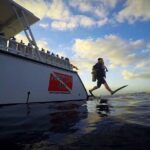
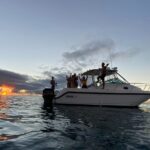
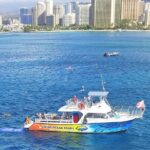
This Oahu scuba program is built for first-timers and returning divers who want open-water time without the shaky, sketchy feel you sometimes get from random beach setups. You pick a morning or afternoon slot, you get hotel round-trip transfers, and you go out with a professional team on Oahu’s larger dive vessel.
I especially like two things: the no-cert-needed Discover format for brand-new scuba students, and the small-group attention that keeps the instructor close enough to fix problems fast. One consideration: this is still scuba, so seasickness, ear pressure, or equalizing struggles can happen, especially on choppy days, even when the staff is doing everything right.
In This Review
- Key things you’ll notice right away
- Real ocean time with two shallow tank sessions
- Hotel transfers and Waikiki-area logistics that keep the day sane
- Beginners and certified divers: the program separates the learning curve
- Two sessions, two chances: how the day usually unfolds
- What you can see near Oahu’s reefs (and why it matters for first-timers)
- The instructors and captain: close coaching makes the difference
- Price and value: is $299 worth your time?
- Safety rules you should take seriously (not just skim)
- How to avoid common problems: seasickness and ear pressure
- Who should book this scuba program
- Should you book?
- FAQ
- Do I need PADI certification to take part?
- Can I choose a morning or afternoon time?
- How long is the experience?
- Is it included to get from your hotel to the boat and back?
- How many tanks will I do?
- What’s included in the price?
- Are beginners and certified divers grouped together?
- Do I need to complete a medical questionnaire?
- What are the rules about flying and alcohol?
- What happens if it gets canceled due to weather?
- Where is the meeting point and where does it end?
Key things you’ll notice right away
- No PADI certification required for the Discover experience format
- Two shallow tank sessions designed to build confidence at your pace
- Small-group size (max 22) for more instructor time and fewer handoffs
- Beginners and certified divers are grouped separately in general
- Professional instruction with EFR and Open Water ACTIVE coaching
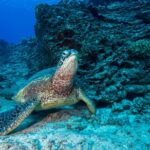
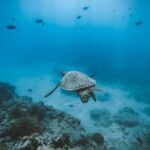
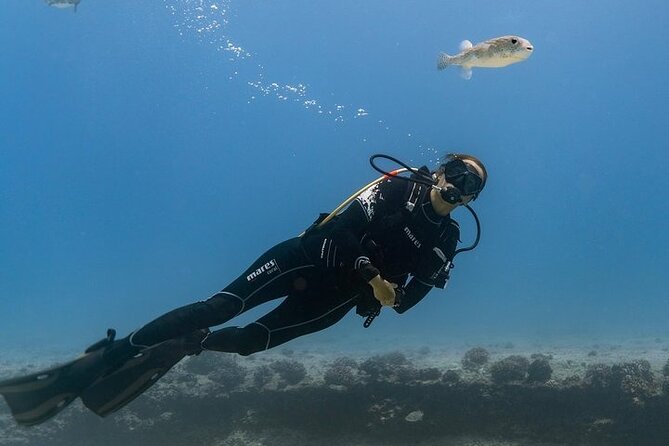
- Wildlife spotting is part of the day: turtles, rays, octopus, reef sharks, and sometimes dolphins
Real ocean time with two shallow tank sessions
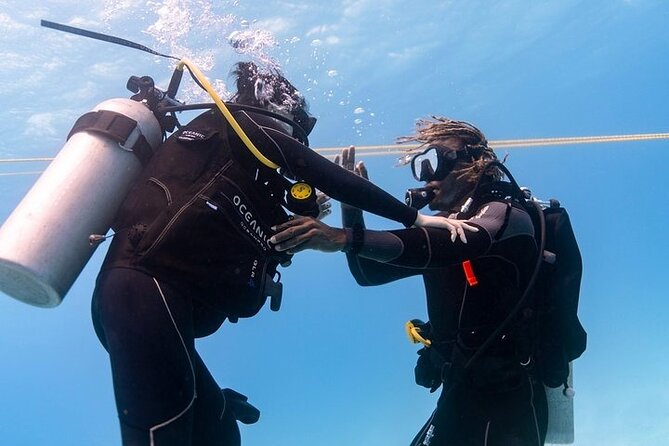
This is the kind of scuba day you want when you’re nervous but still curious. The pitch is simple: you’re not just doing a short, cramped “demo” near shore. You head out into real open water with a team that runs a real operation, meaning proper gear and professional instruction.
The big value for you is time. You get two separate underwater sessions rather than one quick plunge. That lets first-timers learn the basics, then actually apply them in the second tank when the nerves have settled.
If you’re already certified, I like that the experience still feels structured for you. The day is built around coaching and safety checks first, not just checking boxes.
You can also read our reviews of more scuba diving tours in Oahu

Hotel transfers and Waikiki-area logistics that keep the day sane
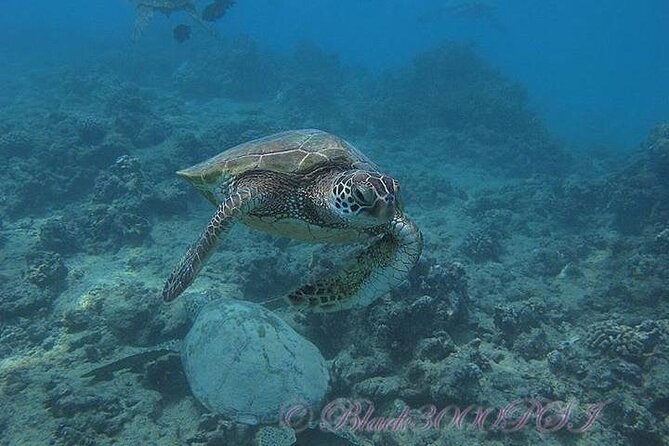
Meet at the Waikiki-area scuba shop on Nāhua Street (424 Nāhua St). From there, you’re set up for a smooth flow: you drive to the bay, get geared up, then return back to the same meeting point.
I like that you’re not stuck figuring out parking, timing, and shoreline logistics while also managing wetsuit and mask issues. Round-trip hotel transfers are included as part of the experience, which matters when you’re trying to enjoy Oahu instead of wrestling with timing.
Also, this stays flexible by design because you can choose either a morning or afternoon option. Morning usually gives you that fresh-start energy, while afternoon can be nice if you want a slower Waikiki start before you go.
Beginners and certified divers: the program separates the learning curve
Here’s one of the smartest parts of this format: non-certified beginners are grouped separately from certified divers in general. That means you’re less likely to get rushed past the fundamentals just because other people in your group already know what to do.
For first-timers, that separation can be huge. Scuba is a body + head game at the same time, breathing, buoyancy, calm hands, and equalizing. When the group mix is wrong, beginners often get swallowed by the pace set by experienced divers.
The Discover setup also means you don’t need PADI certification to take part. You will, however, need to pass the PADI medical questionnaire and, if required by your results, get medical doctor consent ahead of check-in.
Two sessions, two chances: how the day usually unfolds
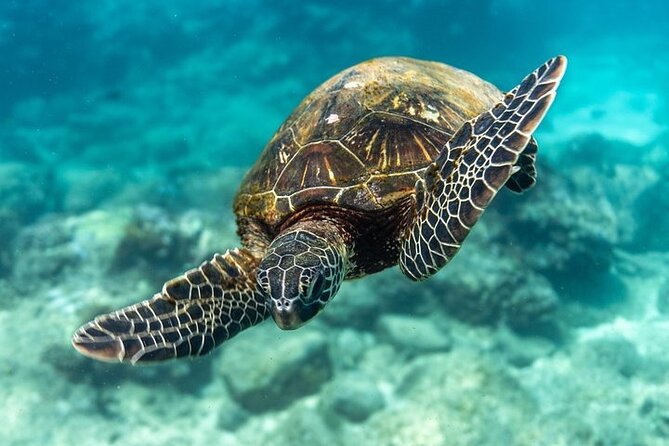
While every day’s ocean conditions can change, the flow is typically built around two underwater sessions with coaching between them.
1) Arrival and readiness checks
You start by getting fitted for your gear and reviewing the basics. Expect careful instruction, especially around breathing technique and staying comfortable in the water. In multiple accounts, guests praised instructors for calm, clear teaching and for patiently working through problems like mask fit and equalizing.
2) First underwater session: build comfort, not perfection
This is where you learn what “scuba calm” feels like. You’ll practice the basic habits you need to stay relaxed underwater, breathing steadily, controlling your buoyancy, and communicating with the team. If you’re a beginner, the staff focus tends to be on helping you not panic when something feels different than you expected.
Some first-timers mention ear pressure (that sharp pop feeling) or equalizing challenges. That doesn’t mean the experience is unsafe, it just means it’s real training in real conditions. You’ll do better if you go into it well-rested and don’t try to power through discomfort alone. Tell your instructor early.
3) Surface interval: reset with the team
Between tanks, this is where you catch your breath, rehydrate, and ask questions. If you’re queasy, this is also where you want to be proactive.
4) Second underwater session: apply what you learned
By the second session, many people feel a lot more confident. Even certified divers described using this as a refresher, with instructors holding back enough that they could do steps themselves, then double-checking for safety.
Sometimes, ocean conditions can affect the plan. One common example: if currents are stronger than expected, your team may adjust so the outing stays safe and within training expectations.
What you can see near Oahu’s reefs (and why it matters for first-timers)
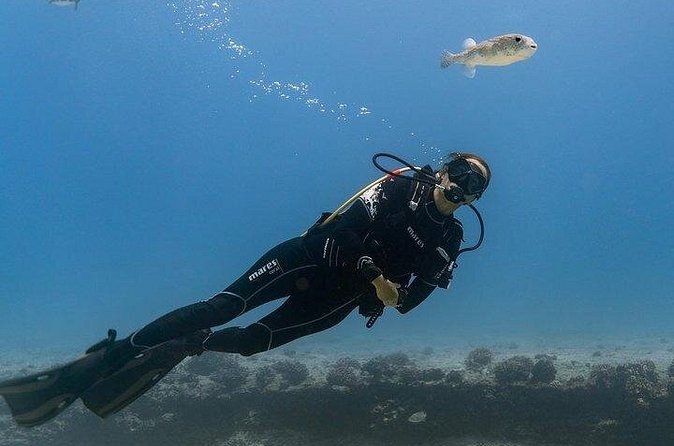
This isn’t a “just get through the gear” kind of outing. It’s designed so you can actually look around and enjoy the ocean life.
What’s specifically on the radar:
- sea turtles
- rays
- reef sharks
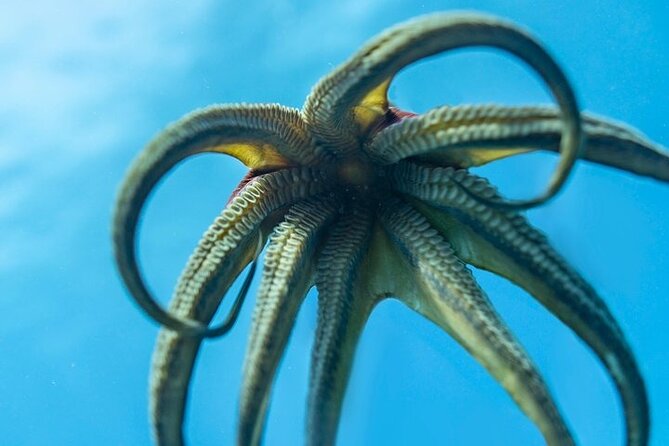
- octopus
- tropical fish
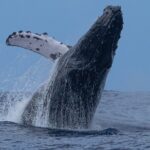
And there’s a chance of dolphins joining in. A few people also reported wildlife sightings like humpback whale activity during the boat ride between sessions, which shows you how alive the water can feel even from the surface.
Why that matters for your experience: when the goal includes real wildlife, you’re more likely to stay calm underwater. A lot of first-timers find that once they’re focused on what they’re seeing, turtles, fish, coral shapes, the breathing and buoyancy habits come easier.



The instructors and captain: close coaching makes the difference
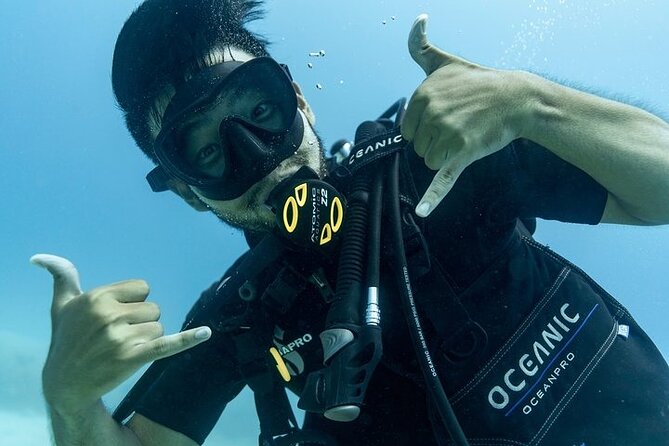
This kind of scuba outing lives or dies on staff quality. The good news: the operation is staffed by professional instructors, and the day is organized so you’re not left alone with your gear after a quick explanation.
Names that came up in guest feedback include:
- Matt
- Chad
- Alex
- Chris
- Yoshi
- Scott, Nick, and Jared (mentioned as part of the instruction team)
- captain Jim (mentioned for keeping the experience safe)
The common theme is patience. Multiple people described instructors teaching breathing technique and staying calm while working through first-timer issues. If you learn best by doing the steps yourself (not just watching), you’ll probably like the way this team double-checks rather than taking over completely.
Price and value: is $299 worth your time?
At $299 per person for about four hours, the price isn’t “budget,” but it is also not inflated for what you’re getting.
Here’s what you’re paying for, in practical terms:
- Two shallow underwater sessions, not one quick try
- Professional instruction and real equipment support
- Use of scuba equipment
- Small-group style (maximum 22 travelers)
- Hotel round-trip transfers (a real cost saver in Waikiki)
Bottled water isn’t included, so plan to bring what you like to drink and snack. The operator also advises you to bring whatever you want to eat and drink, which is helpful if you’re doing the afternoon option and want a proper meal before you get geared up.
If you were comparing this to cheaper “beach scam” style setups, the difference is the whole system: qualified staff, proper gear handling, and structured coaching. For first-timers, that system is the value.
Safety rules you should take seriously (not just skim)
This outing follows strict requirements, and that’s a good thing. You’ll need to review and complete the medical questionnaire. If you have conditions that require clearance, you need medical doctor consent ahead of check-in.
If you fail the medical check at check-in time, the booking cost can be charged in full. That’s not meant to scare you, it’s there because equalizing issues, respiratory conditions, and other factors can affect safety during scuba.
Other important “follow the rules” items:
- Don’t drink alcohol before your session
- Don’t fly within 18 hours after your underwater session
- Stay hydrated
- Use coral-safe sunscreen
The “don’t fly within 18 hours” rule is the kind of detail people skip until they’re already at the airport. Don’t be that person. Build your flight timing accordingly.
How to avoid common problems: seasickness and ear pressure
This is the part I want you to plan for. Even when staff and gear are excellent, the ocean can make you miserable.
Two common issues show up in real feedback:
- Seasickness on the surface (some people felt nauseous and some even vomited)
- Ear pressure and equalizing discomfort (a sharp ear pop is possible)
What helps, based on the guidance you’re given:
- consider Dramamine if you’re prone to motion sickness (use it as directed)
- hydrate before you go
- don’t rush equalizing attempts; talk to your instructor early
Also, if conditions are choppy, your comfort may take a hit before you even reach the first underwater session. If you’re deciding between morning and afternoon, pick the time you think you’ll handle better. Then show up well-rested.
Who should book this scuba program
This is a strong fit if:
- you’re a beginner who wants real open-water training without needing certification
- you’re already certified and want a structured refresher with safety checks
- you want a small group experience with instructors close enough to help
- you like the idea of seeing turtles, rays, octopus, and reef fish with professional guidance
It may be less ideal if:
- you know you react badly to boat motion and you’re not willing to plan for seasickness
- you have medical conditions that you expect could fail the medical questionnaire (get clear guidance first)
If you want extra one-on-one time, there’s an optional private instructor available if you inquire ahead of check-in.
Should you book?
If you want a confident first step into real scuba training in Oahu, and you’d rather pay $299 for a structured operation than gamble on something sketchier, this is the kind of choice that makes sense. The strongest reasons to book are the no-cert-needed format, the separation of beginners vs certified, and the staff emphasis on patient coaching.
My advice: be honest about motion sickness risk and ear equalizing history, and do the medical paperwork early. If you do those two things, you give yourself the best shot at turning a nervous “maybe” into a day you’ll remember.
FAQ
Do I need PADI certification to take part?
No. The Discover format is designed for non-certified beginners, and you can choose it even if you’re brand-new to scuba.
Can I choose a morning or afternoon time?
Yes. You can select a morning or afternoon dive option.
How long is the experience?
It runs about 4 hours (approx.).
Is it included to get from your hotel to the boat and back?
Yes. Round-trip transfers from your hotel are part of the experience.
How many tanks will I do?
You’ll do two shallow tank sessions.
What’s included in the price?
Included: use of scuba equipment.
Are beginners and certified divers grouped together?
In general, beginners are grouped separately from certified divers.
Do I need to complete a medical questionnaire?
Yes. You must review the PADI medical questionnaire on your waiver. If the questionnaire requires it, you must obtain medical doctor consent ahead of check-in.
What are the rules about flying and alcohol?
You must not consume alcohol before your session, and you must not fly within 18 hours after your underwater session.
What happens if it gets canceled due to weather?
If the activity is canceled due to poor weather, you’ll be offered a different date or a full refund.
Where is the meeting point and where does it end?
Meet at the Waikiki scuba center at 424 Nāhua St, Honolulu, HI 96815. The activity ends back at the meeting point.