REVIEW · HONOLULU
Hawaii Volcanoes National Park Experience from Oahu
Book on Viator →Operated by Aloha Sunshine Tours · Bookable on Viator
Big volcano energy, plus a taste of real Kona life. This Oahu-to-Big Island day trip brings you to Hawaii Volcanoes National Park, including the lava tube and active steam areas, while also stopping for Kona coffee and Punaluʻu turtles. I like the way the day is built around big visuals and short, manageable walks, and I love having a guide in the driver’s seat with stories that make each location click. One drawback to plan for: it’s a long day with lots of time on the road, so you’ll want to dress for cool temps and pack your own snacks.
Because it’s a private-vehicle setup (small group size, up to 22), the pacing feels more human than the classic “everyone gets dropped off and lost” model. The other thing I really appreciate is that the tour includes the hard-to-organize parts for a one-day visit: inter-island airfare to Kona, park admission, and guided narration throughout.
If you’re sensitive to volcanic gases (or you’re bringing someone with asthma), this is the one “read the fine print” moment. The park can have sulfur-type smells and conditions that may bother some people, and the weather can change quickly at higher elevations, so layers matter.
In This Review
- Key Things to Know Before You Go
- Flying From Oahu to Kona: A One-Day Big Island Hit
- Private-Vehicle Comfort and Small-Group Pacing
- Greenwell Farms: Kona Coffee With a Real Sense of Place
- Manuka State Wayside Park: A 2-Mile Nature Trail Break
- Punaluʻu Bake Shop Lunch: Sweet Breads, Loud Popularity
- Punaluʻu Black Sand Beach: Turtles, Basalt, and Rough Water
- Hawaii Volcanoes National Park: Halemaʻumaʻu, Kīlauea Iki, and the Lava Tube
- Mauna Kea Access Road, Kohala Coast, and Hilo: More Island Variety in One Day
- Mauna Kea Access Road: High-Elevation Reality Check
- Kohala Coast: Drier Views and Big Resort Energy
- Hilo: Museums, Memorial Gardens, and Local Markets
- What Sticks With You: Guide Style, Sea Turtles, and Real-Time Science
- Watch For: Lunch Crowding and Long-Day Fatigue
- Who Should Book This Volcanoes National Park Day Trip From Oahu?
- Should You Book It?
- FAQ
- How long is the Hawaii Volcanoes National Park experience?
- Does the price include airfare from Oahu?
- What is included and not included?
- What should I bring for the park and higher elevations?
- Is there cell service in the national park?
- Is the black sand beach good for swimming?
Key Things to Know Before You Go
- Flights from Oahu are included so you’re not stuck figuring out schedules on your own.
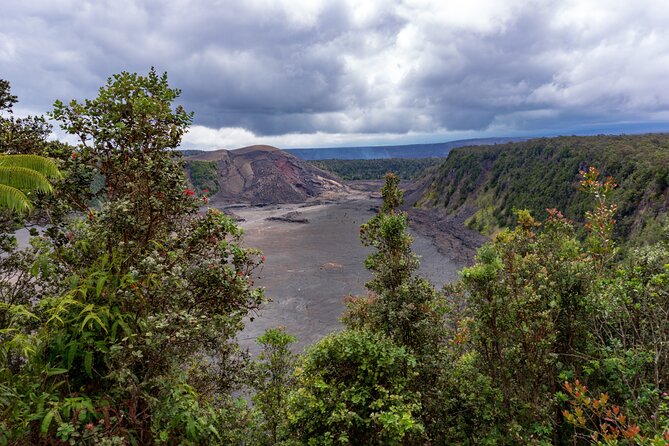
- Volcanoes National Park ticket is included, and the route includes stops like Halemaʻumaʻu and Thurston Lava Tube.
- Small group, private-vehicle flow helps you see more without constant re-grouping.
- Pack for cold and wet: higher elevations can feel chilly and damp, even on a sunny morning.
- Black sand beach = turtles, not calm swimming; the water can be rough.
- Bring cash and snacks; food options are limited in the park and some roadside places may be cash-only.
Flying From Oahu to Kona: A One-Day Big Island Hit
This is set up as a true day trip in the sense that you don’t need to rent a car on the Big Island, and you don’t need to stitch together transportation between widely separated sights. The tour price includes round-trip airfare from Honolulu to Kona International Airport, plus pickup once you land.
Expect an early start. The official start time is 8:00 am, and the meeting point is in Kona at the lot behind Alaska Baggage claim B-2. Since the tour runs about 8 to 10 hours, you’ll want to treat this like a “full day out” rather than a relaxed half-day.
Value-wise, the price tag ($589.99 per person) makes more sense when you compare what’s bundled:
- Inter-island flights (a big cost driver)
- Kona arrival pickup
- Air-conditioned vehicle
- Hawaii Volcanoes National Park admission
- Guided narration across multiple regions of the island
Meals are not included, though. That’s normal for tours like this, but it’s the one piece that can affect your day if you forget to plan.
You can also read our reviews of more tours and experiences in Honolulu.



Private-Vehicle Comfort and Small-Group Pacing
You’ll ride in an air-conditioned vehicle, and the tour is designed as private/customized rather than a huge bus tour. The activity has a maximum of 22 travelers, which usually means a calmer experience and less waiting around.
What that pacing buys you is time with your guide. You’re not just looking at places, you’re getting real context for what you’re seeing: why coffee grows where it does, what the geology means around the lava tube, and how the island’s volcanic activity shapes daily life.
It’s also a relief for first-timers. The Big Island is big, and the stops are spread out. When you’re on someone else’s schedule, you spend more of your time actually sightseeing, and less time driving in the dark, hunting parking, or second-guessing which turn is right.
Greenwell Farms: Kona Coffee With a Real Sense of Place
Your coffee stop is Greenwell Farms, one of the oldest Kona coffee producers, founded in 1850 by Henry Nicholas Greenwell. You’re visiting in the Kona district on the slopes of Mauna Loa, where the soil comes from volcanic origins.
Why this stop works:
- The climate is part of the story: sunny mornings, cloud-covered afternoons, and regular rainfall.
- You’ll get to connect those conditions to why Kona coffee developed a reputation for quality.
- It’s a calmer, low-stress stop early in the day, so it’s a nice “build the day” moment.
Plan for quick time here (it’s about 30 minutes). So keep expectations realistic. You’re there to learn and taste, not to take over a farmer’s schedule.
Manuka State Wayside Park: A 2-Mile Nature Trail Break
Next comes Manuka State Wayside Park, a 13-acre spot along Hawaii Belt Road (Highway 11) on the Mauna Loa side. This is the kind of stop that makes a long day feel balanced, because it’s not just dramatic geology, it’s living ecosystem.
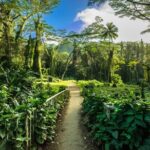
You’ll find both wet and dry forest ecosystems, plus the Manuka Nature Trail (about 2 miles). There are picnic areas and interpretive signs along the way, which helps you understand what you’re walking past.
If you’re into birds and native plants, keep your eyes open. The park is associated with native Hawaiian plants and wildlife, including endemic birds like the Hawaiian hawk and honeycreeper.
Drawback: this is still a walking stop on uneven terrain. Closed-toe shoes aren’t just a suggestion here, they’re your friend.
Punaluʻu Bake Shop Lunch: Sweet Breads, Loud Popularity
Your midday food stop is Punaluʻu Bake Shop, known for traditional Hawaiian sweet bread in flavors like taro, guava, and mango. It’s in Naʻālehu and is described as the southernmost bakery in the U.S.
You’ll also have options for lunch-style bites, and the shop has a gift area and a garden space. The stop is also part of the tour’s pacing: it’s built as a reset before the volcano portion.
Two practical notes:
- This stop can get busy, so if you have a tight hunger window, it helps to keep your meal decisions simple.
- Bring cash if you plan to shop or buy roadside-style extras. The tour information specifically flags that many places can be cash-only.
If you’re picky about snacks, plan to bring your own. One of the most common frustrations on long island days is realizing you’re stuck waiting for food while the group moves forward.


Punaluʻu Black Sand Beach: Turtles, Basalt, and Rough Water
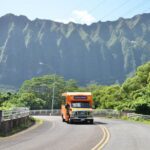
Then you hit Punaluʻu Black Sand Beach, famous for black sand made from volcanic basalt. Coconut palms and sea views frame the scene, and this stop is especially worthwhile for wildlife watching.
What you’re really here for is the chance to see Hawaiian green sea turtles. They often bask near the shoreline, and the setting makes it feel both special and very real.
Important expectation setting: the waters can be rough, so it’s not the swimming beach you might hope for. Treat it like a viewpoint and turtle-watching stop. You’ll enjoy it more if you’re dressed for shore weather and you’re ready to walk the sand carefully.
Hawaii Volcanoes National Park: Halemaʻumaʻu, Kīlauea Iki, and the Lava Tube
This is the heart of the day, and it’s why the tour is worth doing. The park ticket is included, and the stop time is about 2 hours in the park.
You start at the visitor area, where you get the geology and history basics, helpful because volcano features make more sense when you know what to look for.
From there, expect a sequence of iconic stops:
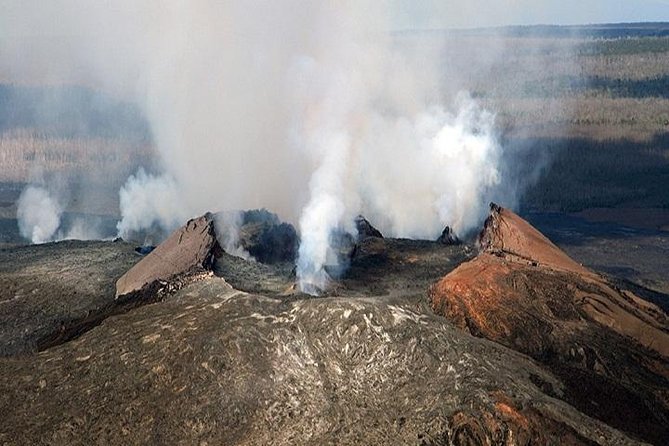
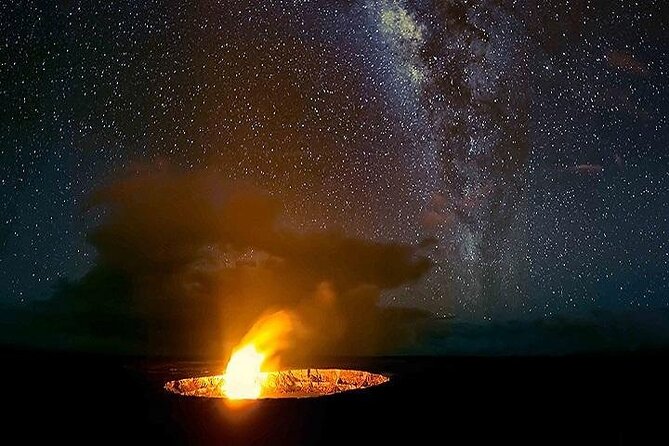
- Halemaʻumaʻu Crater: you may see a glow from molten lava. Even without seeing active lava, the crater area drives home how alive the landscape is.
- Kīlauea Iki Rainforest Lookout: a major contrast to the more barren volcanic areas. The view centers on a crater surrounded by rainforest.
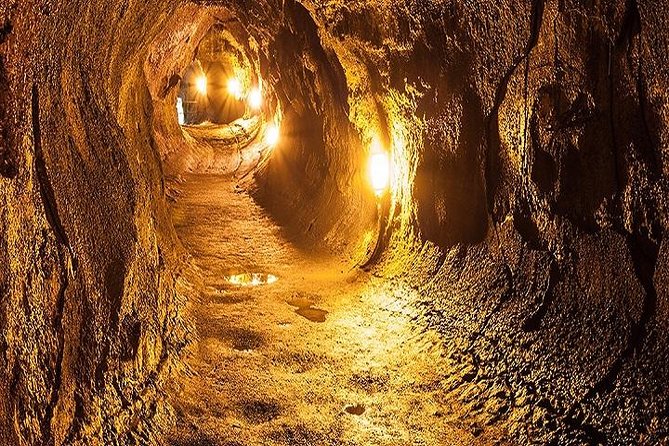
- Thurston Lava Tube: this is the walk-through highlight for a lot of people. It’s a tunnel formed by flowing lava, and it feels like stepping into the island’s hidden plumbing.
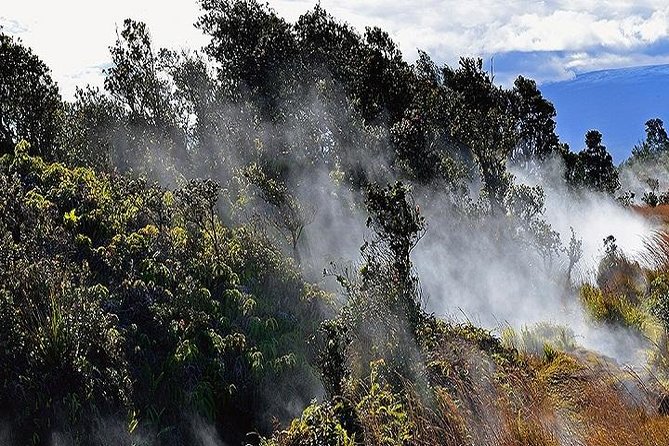
- Steam vents: you’ll feel heat rising from beneath the ground. It’s one of those moments where the science becomes physical.
Safety notes matter here. The tour information flags volcanic hazards, especially volcanic gases that can be harmful, particularly for people with respiratory issues. If that’s you, talk to a doctor first and use caution. In the park, follow the marked trails and any posted warnings.
Also remember: cell service is limited or nonexistent in many parts of the park, so download maps or save key info before you go.
Mauna Kea Access Road, Kohala Coast, and Hilo: More Island Variety in One Day
After the volcano core, the tour expands the “Big Island feel” beyond Kīlauea. You’ll include stops tied to Mauna Kea access, the Kohala Coast, and Hilo.
Mauna Kea Access Road: High-Elevation Reality Check
The Mauna Kea route is a steep, winding climb from Saddle Road (Route 200). As you go up, the road takes you through multiple climates, from grassy plains to barren volcanic terrain.
Your main takeaway: the air thins and the temperature can drop quickly. The tour guidance is clear, bring layers and a rain jacket. This is one of those moments where being underdressed is more annoying than uncomfortable, because the rest of the day still keeps moving.
Kohala Coast: Drier Views and Big Resort Energy
The Kohala Coast is described as having a drier climate than other parts of the island. That makes it a good visual contrast point, less rain-and-forest, more coastline and scenery.
Also, Kohala is known for beaches and luxury resorts, so you’ll see a different side of Hawaii than you get near volcanic steam vents.
Hilo: Museums, Memorial Gardens, and Local Markets
Hilo gives your day a human and historical layer. You may see:
- Lyman Museum (natural and cultural history)
- Hilo Historic District (early 20th-century preserved buildings)
- Pacific Tsunami Museum (impact of tsunamis on the region)
- Liliuokalani Gardens (honor for Queen Liliuokalani)
- Hilo Farmers Market (a lively hub for local produce and goods)
This part of the route helps balance the day. You’re not only chasing geology. You also get context for how people live with the island’s dramatic forces, plus reminders of how communities respond to threats like tsunamis.
What Sticks With You: Guide Style, Sea Turtles, and Real-Time Science
A big reason this tour earns high praise is the guide experience. Guides like Mel and Henry are mentioned for a reason: they keep the day moving, explain what you’re seeing in plain terms, and add stories that connect volcano science to Hawaiian place names and local life.
In my mind, the best moments tend to be the ones with both emotion and explanation:
- Seeing turtles at Punaluʻu and understanding what makes this shoreline special.
- Walking through Thurston Lava Tube and realizing the island built a literal tunnel with flowing magma.
- Feeling steam vents and hearing the story of why the ground keeps exhaling heat.
You’ll also appreciate that the tour stays structured. It can feel like a lot, but the order helps you go from coffee and forests into volcanic extremes, then out toward coastline and town.
Watch For: Lunch Crowding and Long-Day Fatigue
Two practical cautions come up from the day’s design:
- The lunch stop can get overloaded. If you’re hungry, it helps to bring a backup snack so you’re not stuck waiting and getting cranky.
- This is a long day with plenty of time in the vehicle. If you get carsick, plan ahead.
One more note: the tour’s included list doesn’t name snacks and drinks as a sure thing. The safer move is to pack your own water plan and easy snacks, even if you expect to buy something at stops.
Who Should Book This Volcanoes National Park Day Trip From Oahu?
This is a great match if you want:
- One day on the Big Island without the hassle of driving and parking
- A guided route that hits major hits like Kīlauea area viewpoints and Thurston Lava Tube
- A mix of geology, coffee, turtles, and Hilo town culture
- A small-group day with narration instead of a DIY scramble
It may not be the best match if:
- You hate long drives and want lots of free time to wander solo
- You or a traveling companion has respiratory sensitivity and you know volcanic gases could be an issue
- You’re looking for a beach-and-swim day at Punaluʻu (the water can be rough)
Should You Book It?
If you’re trying to do Hawaii Volcanoes National Park while also seeing Kona-area coffee, Punaluʻu turtles, and Hilo in a single day, I think this tour is a strong use of your time. The included flights are the big win, and the guided route keeps you from wasting that one limited Big Island day on logistics.
Just book it with your eyes open: it’s a full schedule, and the park portion is where you need to be most alert, dress warm, stay on marked paths, and respect the fact that this is an active volcanic area.
If that sounds like your kind of day trip, go for it.
FAQ
How long is the Hawaii Volcanoes National Park experience?
It runs about 8 to 10 hours.
Does the price include airfare from Oahu?
Yes. Round-trip airfare from Honolulu International Airport to Kona International Airport is included.
What is included and not included?
Included: round-trip airfare, air-conditioned vehicle, Hawaii Volcanoes National Park admission, and narration from a local guide. Not included: transportation to the Honolulu airport and meals (you pay for meals yourself).
What should I bring for the park and higher elevations?
Bring layers (it can get cool and wet), a rain jacket, sturdy closed-toe shoes, and essentials like water, snacks, sunscreen, and a hat.
Is there cell service in the national park?
Cell phone service is limited or nonexistent in many parts of the park, so plan accordingly.
Is the black sand beach good for swimming?
It’s best for viewing. The waters can be rough, so it’s not ideal for swimming, even though sea turtles are often seen there.