REVIEW · OAHU
Open Water Scuba Certification
Book on Viator →Operated by Honolulu Scuba Company and Dolphin Divers · Bookable on Viator
Learning scuba skills in Honolulu is for real.
This SSI Open Water course turns you from first-timer to certified diver by the end of Day 4, with a tight two-weekend format and patient, safety-first teaching from instructors like Lenny, Theo, Nick, Jess, Ed, Chandler, Hunter, and Anna. I like that you’re not just watching: you practice skills in confined water, then prove them again in the ocean while looking for sea turtles and colorful reef fish. One thing to consider up front: you’ll need to arrange your own transportation since the tour doesn’t provide pickup.
In This Review
- Two weekends, real skill-building, real reefs
- Key things I’d plan around before you go
- SSI Open Water in Honolulu: why this course format works
- Days 1 and 2 on the first weekend: from beach skills to ocean practice
- Day 1: exam review plus confined water from the beach
- Day 2: two ocean sessions to test your skills
- Weekend two: finishing confined water before your final check-out
- Day 3: confined water completion
- Day 4: final two check-out sessions
- The reef experience you’re really paying for
- Gear and what you should bring (or buy) before Day 1
- Why this matters
- Equipment included, but the real value is coaching
- One thing to watch for
- Logistics that affect your day: start time, group size, and transport
- Transportation is on you
- Price and value: is $495 a good deal?
- Who should do this course in Oahu
- Should you book this SSI Open Water course?
Two weekends, real skill-building, real reefs
Day 1 starts early (7:00 am) with a mix of test review and confined-water training from the beach, and Day 2 moves you into the ocean for open-water skills practice. Then weekend two finishes the confined-water work and caps it with final check-out sessions so you leave with your SSI card and four logged local scuba sessions. If you’re prone to getting seasick or stressed by schedules, you’ll want to talk with the team first and plan your week around those two weekends, since the format is fixed.
Key things I’d plan around before you go
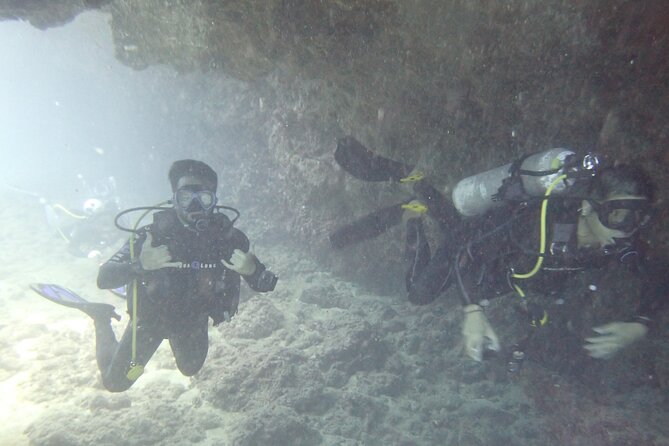
- Two-weekend SSI structure: confined water first, then ocean skills, then check-out sessions
- Small group cap (max 8): easier coaching and more time with your instructor
- Gear details you must manage: you bring mask, snorkel, fins, and boots (or buy), everything else is provided
- Online learning is required: complete digital modules before Day 1 so you’re ready for in-water training
- Safety and medical screening: you’ll complete a health questionnaire and should consult a doctor with conditions like asthma or heart issues
- Local wildlife potential: the course is built for reef exploration, and sea turtles are a common highlight
You can also read our reviews of more scuba diving tours in Oahu

SSI Open Water in Honolulu: why this course format works
If you want scuba certification on Oahu, the biggest decision is usually not the reef. It’s the learning rhythm. This course is built as a full certification track over four days across two consecutive weekends, so your skills get repeated while the lessons stay fresh.
That matters because open-water training is about calm control: breathing, buoyancy, equipment checks, and communication underwater. When the course is split too widely, people forget steps between days. Here, the back-to-back weekend structure keeps the momentum going, and it helps you build confidence faster.
I also like that the program has a clear end goal. You earn an SSI Open Water Scuba Certification and log four local scuba sessions by the time you finish. If you’re planning future trips to Maui, the Big Island, or even more local Oahu reef outings, that “I’m certified” milestone is the whole point, and you can feel the finish line from early on.
Days 1 and 2 on the first weekend: from beach skills to ocean practice
The first weekend is where you find your footing. You start at Honolulu Scuba Company, 670 Auahi St suite a-1, Honolulu, HI 96813, at 7:00 am, and you’ll be in training mode right away.
Day 1: exam review plus confined water from the beach
Day 1 includes review of the final exam and confined water scuba training from the beach. Confined water is where you learn to trust the gear and the basic systems without the added pressure of waves and open-water conditions.
Even if you’re nervous, this is a smart place to start. Confined water work helps you practice:
- controlled breathing and staying comfortable underwater
- basic equipment use and checks
- buoyancy and movement skills that you’ll need later
One of the most praised parts of the program is instructor patience. In the feedback I studied, instructors like Lenny and Theo were repeatedly called out for making students feel safe and supported, including people who were scared at the start.
Day 2: two ocean sessions to test your skills
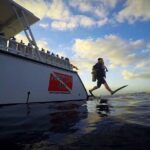
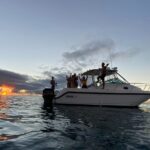
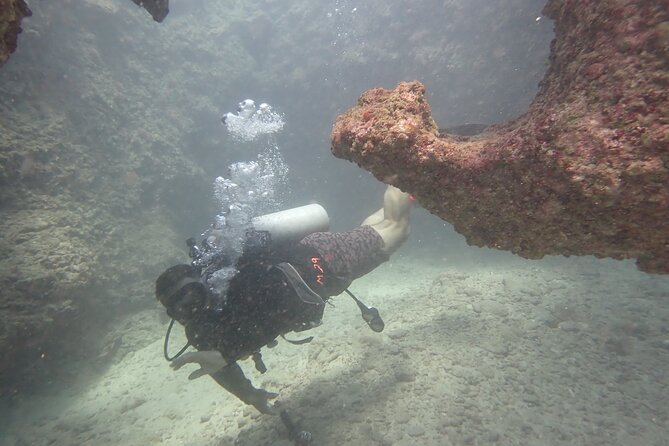
Day 2 takes you into the ocean for two open-water training sessions. This is where you connect the skills from Day 1 to real-world conditions, depth changes, water movement, and the reality that you’ll likely be focusing on landmarks and marine life while still performing the basics correctly.
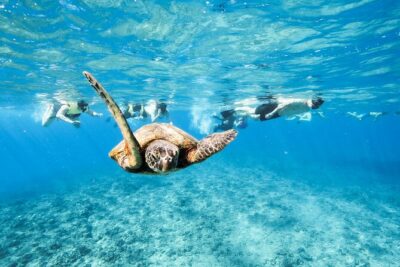
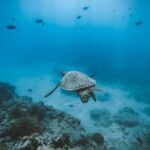
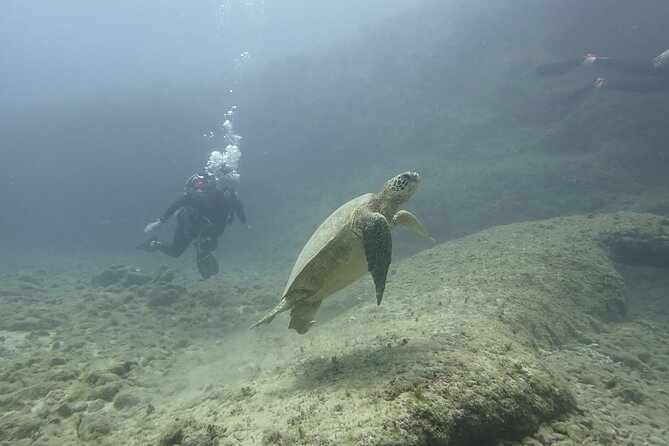
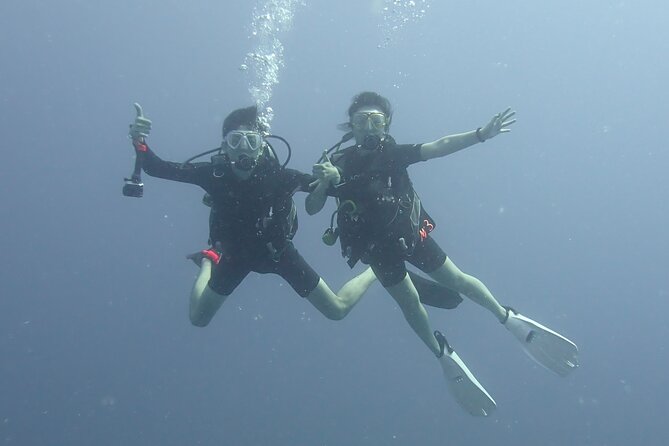
This is also where wildlife becomes more than a marketing line. The highlight goal is coral reefs with tropical fish, and the course is commonly associated with sea turtle sightings. Expect the focus to stay on skills, not just sightseeing, but you’ll still get those unforgettable moments when you’re underwater and realize the reef is alive.


Weekend two: finishing confined water before your final check-out
Weekend two is shorter on paper, but it’s crucial. The course is designed so you don’t rush from early practice straight into check-out. You return for more confined water training so skills are more automatic before the final open-water requirements.
Day 3: confined water completion
Day 3 completes the confined water training. This step is valuable because confined water is where you iron out the small stuff, things you might feel awkward with in your first few hours underwater. If you had a moment where you felt rushed on Day 1, Day 3 is often where the instructor helps you slow down and get confident.
The strongest pattern in the feedback is calm coaching. Instructors named Nick, Jess, Ed, and Chandler show up a lot in the positive stories, often credited with being thorough, patient, and focused on safety. That coaching style matters here. If you can handle the same skills more smoothly on Day 3, the final day becomes much less intimidating.
Day 4: final two check-out sessions
Day 4 is the finish: two final check-out sessions. This is where you prove you can execute what you’ve learned in the open water environment. It’s also where you’ll likely feel a shift from “learning” mode into “I can do this” mode.
When it goes well, it feels simple: you already know the equipment routine, you know what your instructor will ask for, and you can spend more attention on your surroundings, reef life, reef shapes, and the quiet thrill of moving underwater with control.
The reef experience you’re really paying for
You’re paying for certification, but the best parts of the course tend to be the reef moments you can’t replicate on a pool day.
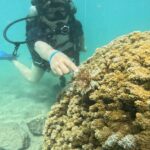
Hawaii’s coral reef environment is the main setting. The program is structured to help you explore reef areas while performing the training tasks. That balance is important: you don’t just float around and hope it works. You learn how to move and stay stable so you can look at what’s around you without stressing your body or your buoyancy.
Based on the course highlights and the recurring instructor stories, you should plan to see:
- colorful tropical reef fish
- coral reef structure up close
- sea turtles (often mentioned as a highlight)
Also, small practical note: you’ll be at your best underwater when you’re comfortable with gear. So even if you came hoping for marine wildlife, treat the skills as the key that unlocks better viewing.
Gear and what you should bring (or buy) before Day 1
Here’s the practical part that can make or break your morning.
The course includes scuba equipment, but you’re not automatically covered for everything you wear on your face and feet. You need your own:
- mask
- snorkel
- fins
- boots
If you don’t have them, you can bring your own later, or you may find equipment costs start around $175. That number is helpful for budgeting, even though you’ll want to confirm exact pricing and availability with the provider.
Why this matters
Mask fit is personal. If you rent or borrow a mask that doesn’t seal well, your training will feel harder than it needs to. Same with fins: the wrong size or style can change how much effort you feel while staying stable.
So I’d treat the “bring your gear” requirement as part of your preparation, not just paperwork.
Equipment included, but the real value is coaching
The course includes a professional guide and the use of scuba equipment. That’s the base. What you’re really buying is time with instructors who can correct your technique quickly and keep you calm.
Across the feedback, instructors were praised for:
- clear explanations
- patience with beginners
- safety focus
- making the group feel relaxed
Names that came up strongly include Lenny, Theo, Nick, Jess, Jake, Ed, Chandler, Hunter, and Anna. If you’re a beginner, that kind of track record is reassuring. You want someone who can slow down and repeat steps without making you feel embarrassed.
One thing to watch for
Not every experience is perfect. One account flagged issues like a torn wetsuit, a small pool for swim certification, and some frustration around COVID measures. Another reported a last-minute cancellation after an illness and mentioned no refund.
That doesn’t mean your course will have problems, but it does mean you should go in prepared for the reality of shared schedules and water-day variables.
Logistics that affect your day: start time, group size, and transport
This course starts at 7:00 am and runs until the day’s training plan is done. Morning starts can feel early, but for scuba it helps with smoother conditions and a full training block.
The group size is capped at 8 travelers, which is a big deal for beginner courses. Smaller groups tend to mean more instructor attention and fewer long waits while others cycle through equipment checks.
Transportation is on you
The activity doesn’t include private transportation, and you’ll require your own ride to get to the start point and locations used for training. If you’re staying in Waikiki, you’ll want to plan travel time so you’re not cutting it close for a 7:00 am start.
Price and value: is $495 a good deal?
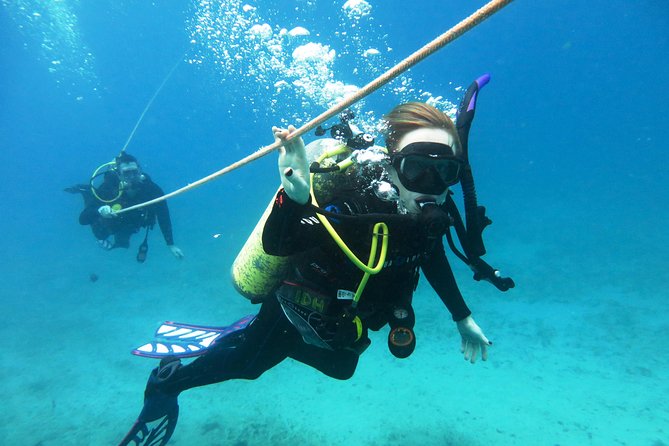
At $495 per person, this course is positioned as a value option for people who want full certification without cutting corners.
Here’s why that price can work well:
- It’s a full SSI Open Water certification track, not just a try-it session
- You get digital learning included and required before the first day
- You have guided instruction with use of scuba equipment included
- The format includes both confined water and ocean sessions across two weekends
- You leave with the certification plus four local logged sessions
What can increase your real cost:
- mask, snorkel, fins, boots are not included (and replacement purchases can run around $175+)
- you handle transportation
- you may need to account for any doctor visit if you’re concerned about conditions
So I’d think of $495 as the foundation price, and then add your gear and transport planning. If you already own a comfortable mask and boots, the value improves quickly.
Who should do this course in Oahu
This is a great fit if:
- you want SSI Open Water certification on Oahu instead of waiting months for the right time
- you prefer a structured two-weekend schedule that keeps momentum
- you want real coaching and patience, especially if you’re a nervous first-timer
- you care about reef time and wildlife sightings like turtles and tropical fish
It may not be a great fit if:
- your schedule can’t handle two consecutive weekends
- you can’t arrange transportation to the start location
- you have medical conditions that might make training unsafe without doctor clearance
Should you book this SSI Open Water course?
I’d book it if you want a straightforward path to certification with a small group and instructors who are repeatedly described as patient and thorough. The course format is sensible for beginners: confined water first, then ocean sessions, then check-out with skills more locked in.
I’d hesitate if you rely on refunds or flexible schedule changes, since the experience is listed as non-refundable and not changeable for any reason. And if you know you’ll struggle with early starts or you haven’t lined up transportation, fix those first.
If you want to get certified and then keep diving into Oahu reefs soon after, this course is a practical way to make it happen on island time.