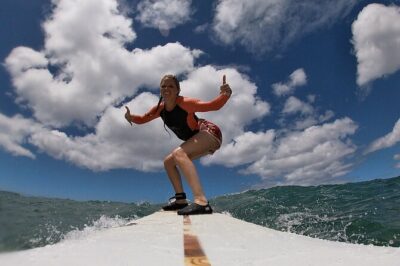
Surfing with sea turtles is a real first-day goal. This beginner session on Oahu’s North Shore runs out of Puaʻena Point Beach Park and is built for first-timers who want real coaching fast, not a long wait on the beach. I like that it’s private to your group and centered on hands-on instruction from locals like Kekai (with supporting instructors such as Koa and Kia in some sessions).
The one thing you should take seriously is ocean-beach hazards like sea urchins, watch where you step near shore, even when you’re excited.
In This Review
- Key things I’d plan around
- Why Puaʻena Point makes a great beginner surf start
- The full 2-hour lesson flow: gear, safety, land practice, then waves
- 1) Meet at Puaʻena Point and get set up
- 2) Surf safety and etiquette first
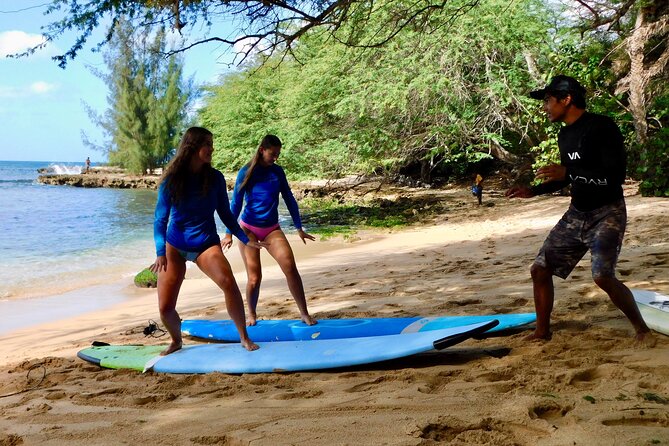
- 3) A short land demo (15–20 minutes) to teach the basics
- 4) 1.5–2 hours catching waves with coaching
- Private group energy with local instructors like Kekai, Koa, and Kia
- Turtle sightings off the North Shore: what you should expect
- Value check: is $150 per person worth it?
- What to consider if you’re worried about the ocean
- Who this surf lesson suits best
- Should you book the Beginner Surf Lesson at North Shore Haleiwa?
- FAQ
- FAQ
- Where is the meeting point for the beginner surf lesson?
- How long does the lesson last?
- Is this lesson private?
- What surfing gear is included?
- Is water included?
- Is food or drinks included?
- Will you see Hawaiian green sea turtles?
- Who teaches the lesson?
- What language is the lesson offered in?
- What is the cancellation policy?
Key things I’d plan around
- Beginner-first promise: a stated goal of standing up and riding waves on your first day
- Gear included: surfboard, leash, and rashguard are provided so you can travel lighter
- Fast learning rhythm: a short land demo (about 15–20 minutes) then 1.5–2 hours in the water
- Turtle sightings are part of the plan: Hawaiian green sea turtles are expected year-round
- Coach time stays personal: full attention from local instructors (often including Kekai, plus others like Koa/Kia)
- Private group format: only your group participates, which usually makes it easier to ask questions
Why Puaʻena Point makes a great beginner surf start
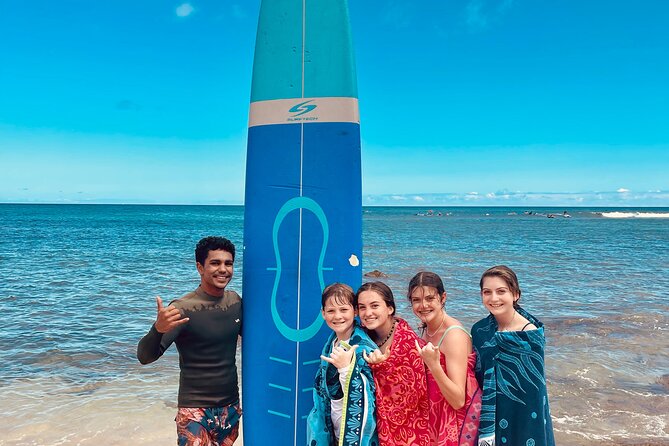
Most surf lessons tell you the ocean is beautiful. This one also makes it practical. You meet at Puaʻena Point Beach Park near Haleiwa, a family-friendly spot known for clear views and frequent wildlife activity. That matters because beginners learn best when they can stay oriented. You’re not just guessing where the waves will break, you can read the water from shore and follow your instructor’s cues.
Another big plus is the day’s built-in “wow factor.” The lesson specifically sets expectations for Hawaiian green sea turtle sightings year-round. Having wildlife nearby changes the tone in the water. Even when you’re nervous, you’re watching something other than just your own fear of falling.
Finally, the lesson format is simple: learn basics on land, then get into the surf quickly. If you’ve ever watched beginners hover around for a long time, this setup is designed to prevent that.
You can also read our reviews of more tours and experiences in Oahu
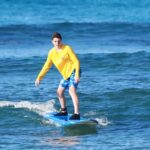

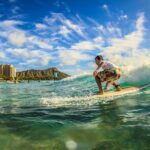
The full 2-hour lesson flow: gear, safety, land practice, then waves
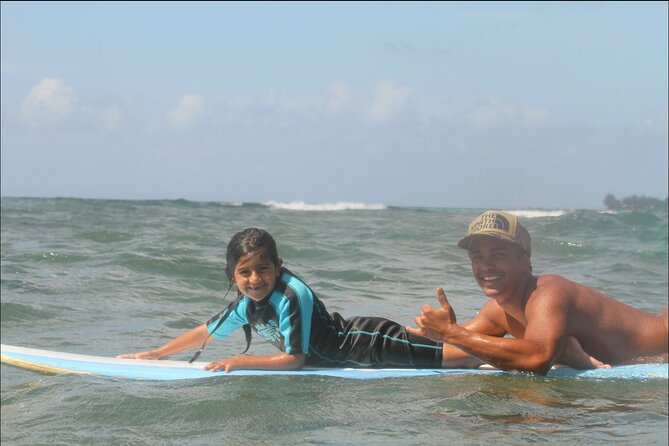
The lesson runs about 2 hours total, and the schedule is tight in a good way. Here’s how it typically plays out.
1) Meet at Puaʻena Point and get set up
At the start, you’ll be equipped with what you need: surfboard, leash, and rashguard. You also get water, which is a small thing but genuinely helpful when you’re learning while moving in sun and salt. The advantage for your travel plan is obvious: you don’t have to rent boards or source wetsuit gear for a single day.
One practical detail: the leash and rashguard aren’t just comfort items. They’re part of learning safely. You can focus on paddling and balance instead of figuring out what gear feels right for you.
2) Surf safety and etiquette first
Before you hit the waves, you’ll go over surfing safety and etiquette. This part is more than formalities. Even on a beginner-friendly shoreline, surf etiquette keeps you from accidentally cutting others off, getting pulled into the wrong area, or misunderstanding how to move when waves are coming.
For first-timers, safety instruction also buys confidence. When you understand what’s expected, where you should be, how to handle your board, and how to respond when things change, you spend less time panicking.
3) A short land demo (15–20 minutes) to teach the basics
You’ll do a land lesson first, typically 15–20 minutes. This is where you learn how to paddle and stand up on the board. The time is short on purpose. A long lecture tends to drain energy. A quick demo keeps your momentum.
This also helps you connect instruction to body mechanics. Instead of receiving vague directions while bobbing in waves, you practice the motions on land, then repeat them immediately out in the water.





4) 1.5–2 hours catching waves with coaching
After the land practice, you head out for 1.5–2 hours in the ocean to catch waves. This is the heart of the lesson, and it’s where the private setup really helps. You should be able to hear your instructor’s corrections and get feedback while you’re actively trying.
In particular, the coaching style described for instructors like Kekai is often direct and action-focused, explaining just enough, then getting you onto waves so you’re learning by doing. That rhythm matters for beginners. You don’t want to spend your limited lesson time watching others.
Private group energy with local instructors like Kekai, Koa, and Kia
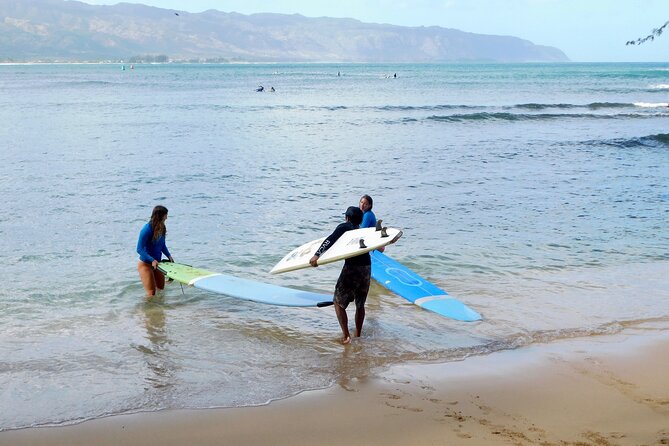
This is listed as a private tour/activity, meaning only your group participates. That’s more than a pricing note. It usually changes how learning feels: fewer distractions, more room for questions, and faster adjustments to your skill level.
From instructor names that come up often, Kekai is a standout, there’s a consistent theme: being patient and attentive, with clear explanations that lead to action. Other names like Koa and Kia show up as well, especially in family settings where multiple instructors may support different members of the group.
If you’re traveling with kids or you’re a nervous adult, the teaching tone is a big deal. Beginners often freeze when they’re unsure what to do next. A good instructor keeps the steps simple and repeats the key points before you try again.
And because this is a beginner lesson, the goal isn’t showing off. It’s getting you comfortable with paddling, timing, and standing on a moving surface.
Turtle sightings off the North Shore: what you should expect
Green sea turtles are the headline for this lesson. The experience includes a promise to see Hawaiian green sea turtles year-round, and the meeting area is chosen with that in mind.
Here’s how to think about it practically: you’re not just searching for turtles like you’re on a wildlife safari. You’ll be in the water at the right time and place, and the instructor will be watching the conditions while you learn. That increases your chance of seeing turtles without turning the lesson into a long stop-and-start event.
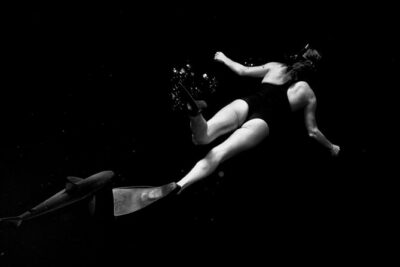
Some people also mention other ocean visitors. You might see dolphins, but you shouldn’t count on it as part of the guarantee, turtles are the certainty baked into the experience.
Either way, the wildlife is a reminder that surfing here is more than a sport. It’s a front-row view of how wild the North Shore can feel even on a lesson day.
Value check: is $150 per person worth it?
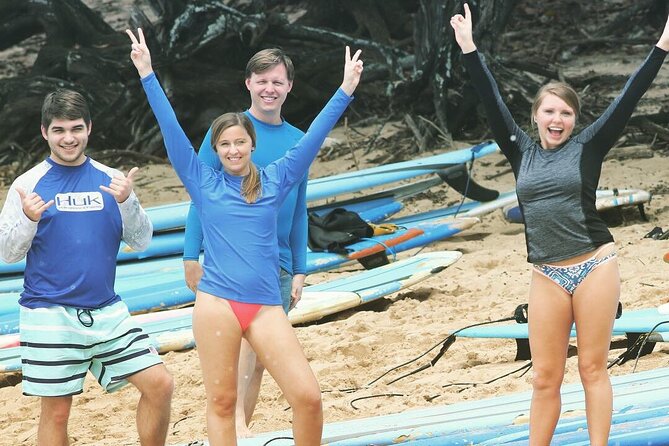
At $150 per person for about 2 hours, the pricing sits in the “you’re paying for real instruction” category. You’re not just buying a board and a spot on the beach. You’re buying:
- Gear provided (board, leash, rashguard)
- Water included
- A structured flow (safety, land demo, then waves)
- A stated focus on standing up and riding waves on day one
- Private group format, which can reduce waiting and improve coaching quality
If you’ve tried to learn surfing by copying videos, you already know how expensive it can be, time, stress, and money spent with little progress. This lesson tries to compress the learning curve into one short session, with coaching designed for beginners.
Two “value signals” I’d pay attention to:
- The session aims for lots of wave attempts, not just waiting for a few moments.
- Instructors like Kekai are described as getting straight into surfing once the initial basics are covered.
So the value is best when you show up ready to learn and follow safety cues. If you want a relaxed sightseeing stroll and you’re not interested in getting into the water, you might feel the price more than you should.
What to consider if you’re worried about the ocean
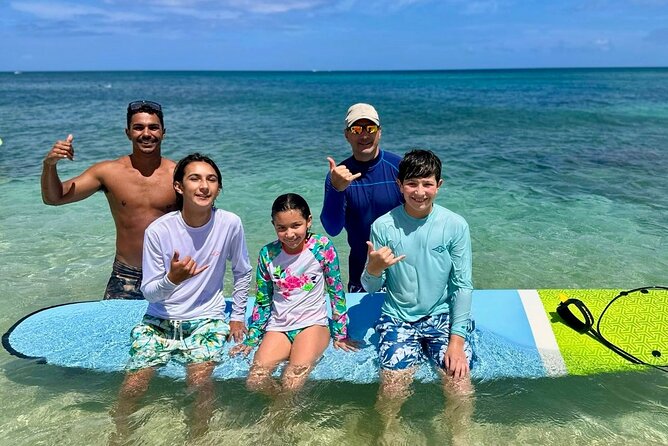
Even when the goal is standing up quickly, the ocean can be intimidating. This is normal. Beginners should expect to feel awkward at first, paddling timing, balance, and wipeouts are part of learning.
The good news is that the lesson is explicitly beginner-focused and built around quick skill drills. If you’re bringing kids, it can also work well, since instructors are described as supporting young surfers who were nervous at the start.
One real caution from hands-on experience: stepping issues near shore. People specifically advise being careful because sea urchins can be around. That’s not a reason to skip the lesson. It’s a reason to wear protective footwear where appropriate and watch your footing.
Also note what’s not included: food and drinks beyond water. You’ll want to plan a snack or meal before or after, so you’re not hungry while trying to concentrate on surf fundamentals.
Who this surf lesson suits best
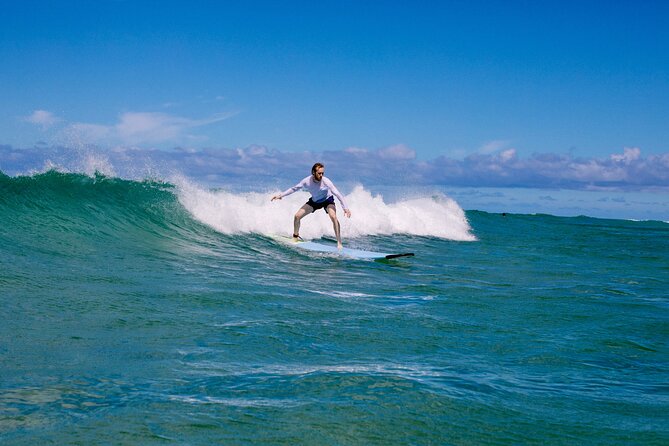
This experience is a strong fit if you:
- Are a true beginner and want instruction immediately
- Want one-on-one style coaching within a private group format
- Prefer a lesson with clear structure: safety → land demo → water time
- Care about the North Shore atmosphere, including green sea turtles
It can also be a good choice for families, including kids around school-age who can follow simple directions and try repeatedly. The overall vibe described in real sessions is patient and encouraging, exactly what you want when the learning curve feels steep.
If you already surf regularly, this may feel more basic than you need. But for first-timers who want a serious first attempt, it’s built for you.
Should you book the Beginner Surf Lesson at North Shore Haleiwa?
I’d book it if your main goal is a guided first surf day with gear handled and a real plan for getting into waves quickly. The best reasons are practical: private group format, included gear, and a structured lesson that doesn’t waste your time.
I’d think twice if you’re the type who hates water sessions for long enough that you might lose focus mid-lesson. And if ocean safety concerns make you nervous, just know the lesson starts with safety and etiquette, and you’ll have local instructors guiding you the whole way.
If you want one day on Oahu that feels both active and authentically Hawaiian, with green sea turtles part of the story, this is a smart choice.
FAQ
FAQ
Where is the meeting point for the beginner surf lesson?
You’ll meet at Puaʻena Point Beach Park on Kahalewai Pl, Haleiwa, HI 96712, USA.
How long does the lesson last?
The total duration is about 2 hours.
Is this lesson private?
Yes. It’s a private tour/activity, and only your group participates.
What surfing gear is included?
You get a surfboard, leash, and rashguard.
Is water included?
Yes. Water is included.
Is food or drinks included?
No. Food and drinks are not included (other than the water provided).
Will you see Hawaiian green sea turtles?
The experience includes a guarantee of seeing Hawaiian green sea turtles, year-round.
Who teaches the lesson?
You’ll be taught by a local professional surf instructor (a certified professional is also noted).
What language is the lesson offered in?
The lesson is offered in English.
What is the cancellation policy?
You can cancel for a full refund up to 24 hours before the experience starts. If you cancel within 24 hours, the amount paid is not refunded. Free cancellation is available.