REVIEW · OAHU
Oahu: Shallow Reef Scuba Dive for Certified Divers
Book on GetYourGuide →Operated by Dive Oahu Inc · Bookable on GetYourGuide
Turtles and reef sharks, close enough to watch. This is a PADI-led, shallow-reef scuba outing built for certified divers who want maximum marine life time in clear Southern Oahu waters. I especially like the focus on two reef sites (including Turtle Canyons) and the way the team spot sea creatures carefully. One thing to consider: it’s not for kids under 10 or pregnant people, and you’ll need to meet health, swimming, and English-understanding requirements.
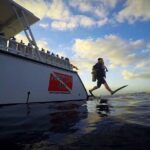
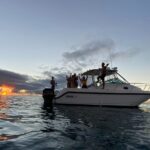
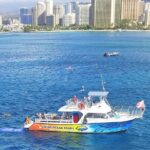
You’ll start at the dock in Ala Moana, get organized with a short safety talk, then head out on a 46-foot Newton boat with snacks and refreshments. I also like that the operation feels professional and well run, with named staff like captain Nacho and instructor Dan called out for good care and spotting.
In This Review
- Key things that make this Oahu reef session worth your time
- Ala Moana meet-up: where the morning stays painless
- Safety briefing and gear fit: the part that protects the fun
- Reef session one at Kaiser’s: shallow water with high animal traffic
- Turtle Canyons: the volcanic-reef look and the green sea turtle factor
- What you’re likely to see: from turtles to reef sharks
- Price and value: why $248 can make sense for certified divers
- Timing and the reality of two 75-minute underwater blocks
- Who should book this (and who should skip it)
- Add-ons: upgrade your camera, speed, or experience style
- Should you book this shallow reef scuba outing?
- FAQ
- How long is the Oahu shallow reef scuba experience?
- Do I need scuba certification to participate?
- Are there snorkeling and scuba parts?
- Where do I meet the operator?
- What should I bring with me?
- Are there any limits on when I can fly after the activity?
Key things that make this Oahu reef session worth your time
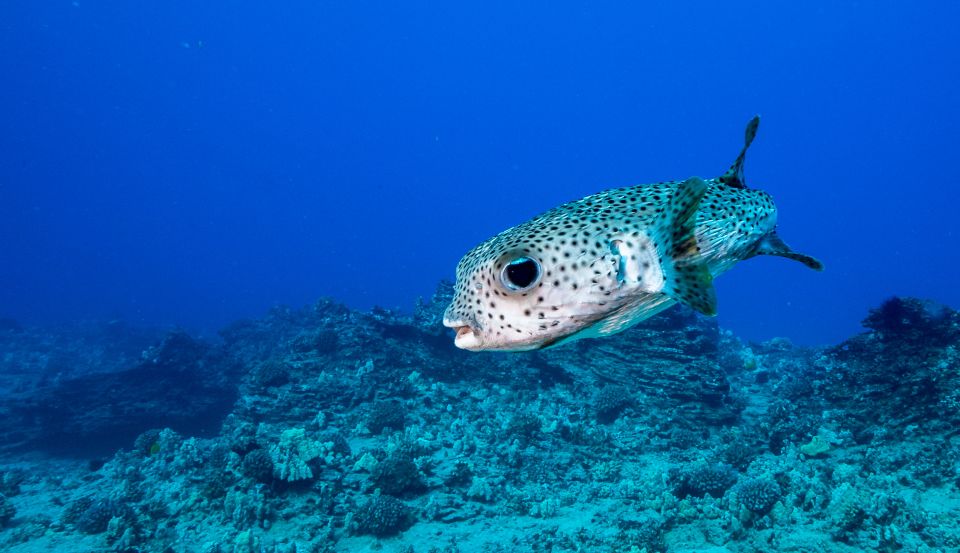
- Two guided reef sessions in one 3-hour outing, so you’re not only paying for travel time
- Shallow reef targets like Kaiser’s and Turtle Canyons, where wildlife tends to show up
- PADI certified instruction with clear guidance for certified divers before you go underwater
- Marine-life spotting by the team, including sea turtles and reef sharks reported in past trips
- Optional add-ons like GoPro rental, DPV underwater scooter, Nitrox, private guide, or photographer
Ala Moana meet-up: where the morning stays painless
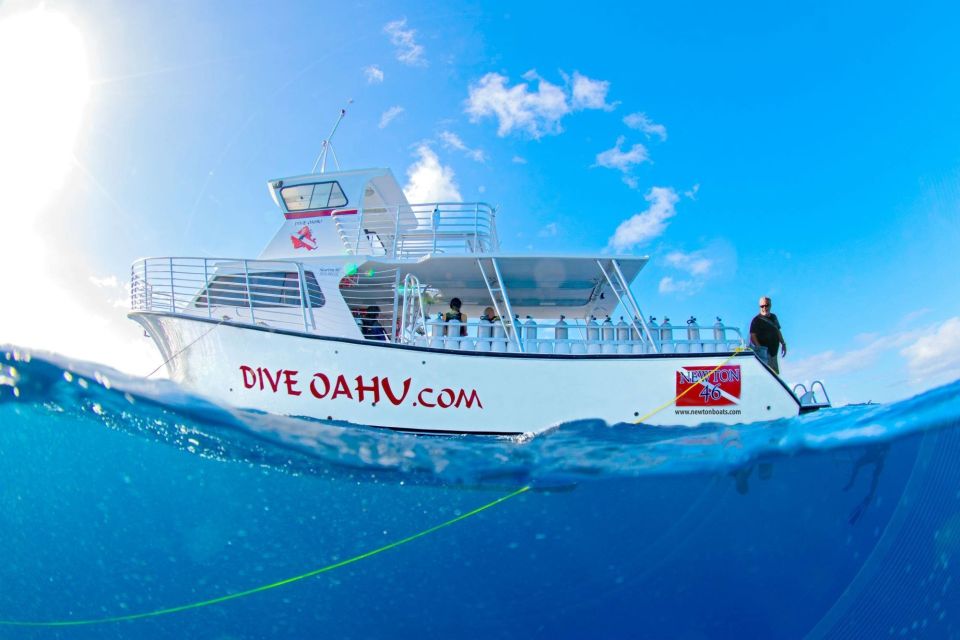
Your day starts at Dive Oahu in Ala Moana, and you’ll want to arrive early. The rule is simple: be at the boat harbor 30 minutes before your start time so you have time for waivers and equipment fitting.
If you drive, you’ve got two practical parking options listed: Kewalo Basin parking ($2 per hour) or Ala Moana Beach Park (free). That matters because nothing kills a calm dive day like hunting for parking while everyone else is already gearing up.
This whole experience is timed tightly around a 3-hour window. So the early-arrival buffer isn’t “extra.” It’s what keeps you from feeling rushed when it’s time to get suited up and ready.
You can also read our reviews of more scuba diving tours in Oahu
Safety briefing and gear fit: the part that protects the fun
You’ll get a 25-minute safety briefing before the water time. For certified divers, this isn’t usually about teaching the basics. It’s about getting everyone on the same page for how this boat operates, how the team communicates, and what to expect on the reef.
After that, the day runs on a steady schedule: two guided water blocks of 75 minutes each. That structure is a big deal. You’re not stuck in one long underwater slog where everyone gets tired and visibility or buoyancy quality can slip. Instead, you get two focused chunks, with the boat crew guiding you between.
One small but important requirement: you must show proof of certification (PADI or another approved course) before boarding. If you’re certified but don’t bring documentation, you can lose your spot. So if your cert card is buried somewhere in your travel chaos, fix that before you head out.
Reef session one at Kaiser’s: shallow water with high animal traffic
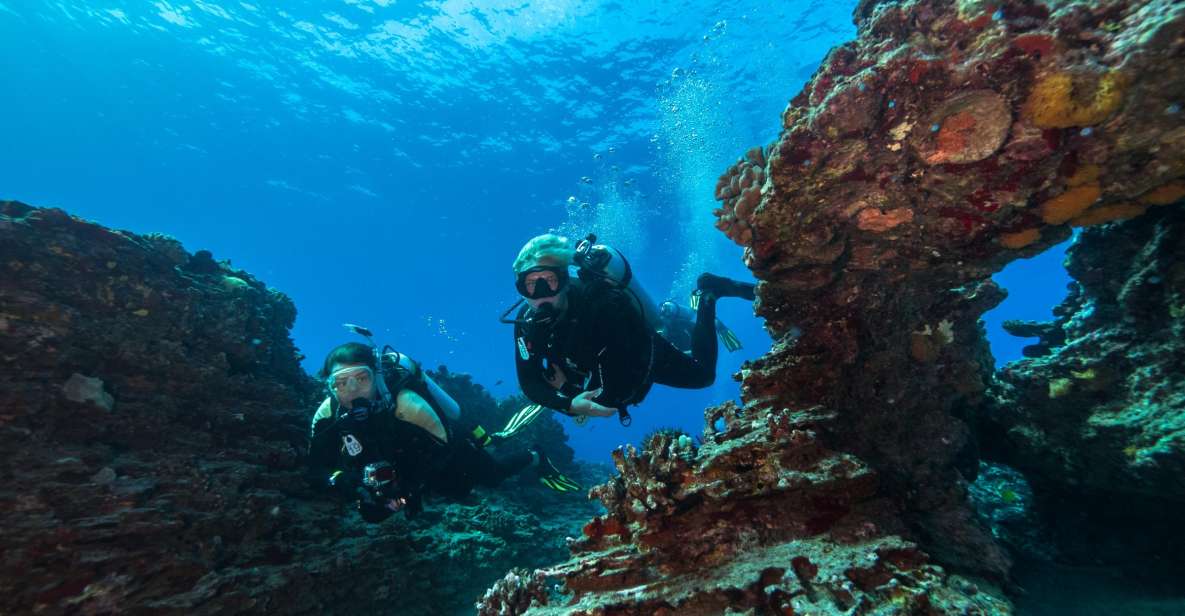
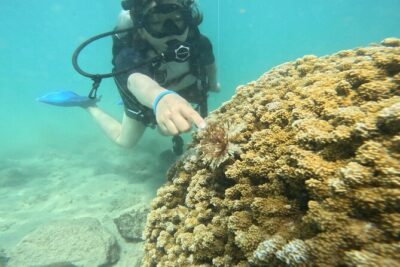
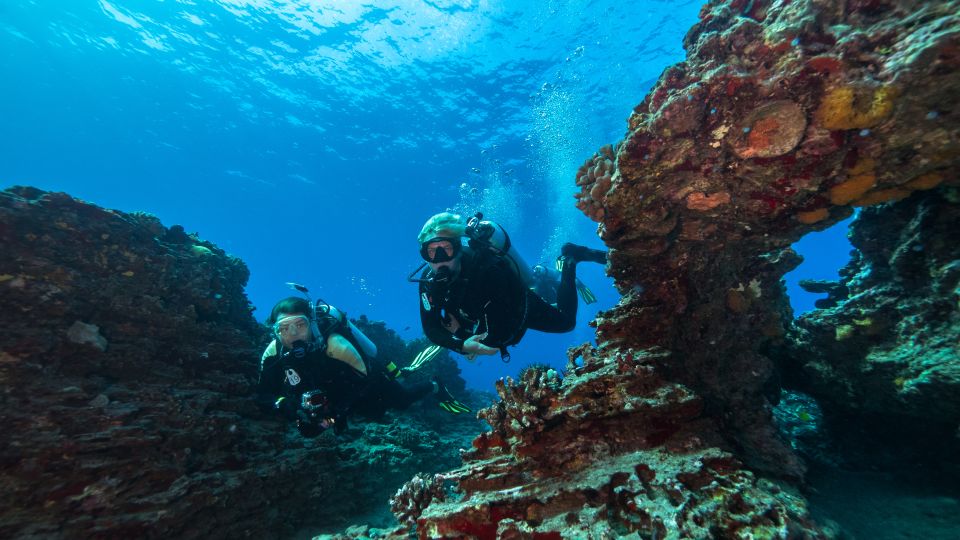
Kaiser’s is one of the reef sites included, and it’s the type of location that rewards good buoyancy and patient watching. You’ll be working in shallow water, which usually means you can spend your attention on fish behavior instead of fighting darkness or depth.
For you as a certified diver, the value here is control. Shallow reef sessions are often where you can better enjoy the details: fish that hold position near coral edges, creatures that peek from hiding spots, and the way rays or larger animals glide through the shallows.
A major plus is that this isn’t just “go in and figure it out.” You’re paired with a PADI-certified instructor and you’re part of a guided plan. That guidance helps you stay oriented and focused on the wildlife rather than on constantly checking where the group is.
Turtle Canyons: the volcanic-reef look and the green sea turtle factor
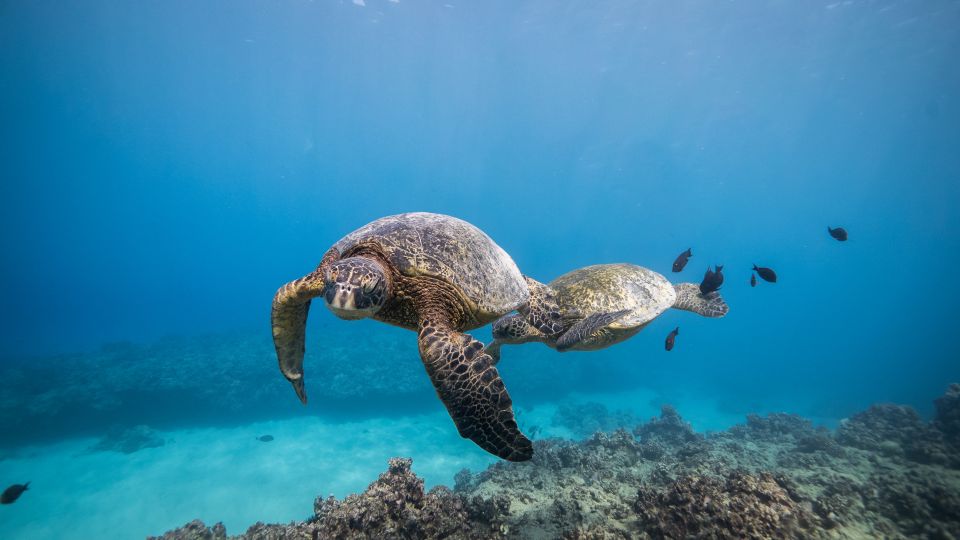
The second reef stop is Turtle Canyons, and this is the one people tend to remember. The reef formations here are shaped by volcanic activity, which gives the underwater scenery a more dramatic structure than flat coral gardens. Those nooks, channels, and breaks often help explain why wildlife shows up where it does.
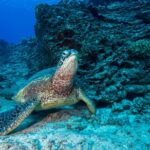
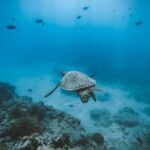
The highlight you should plan for is the chance to see Hawaiian Green Sea Turtles. That’s not a vague “maybe.” It’s one of the named expectations, and turtle sightings have shown up in past feedback from this specific operator.
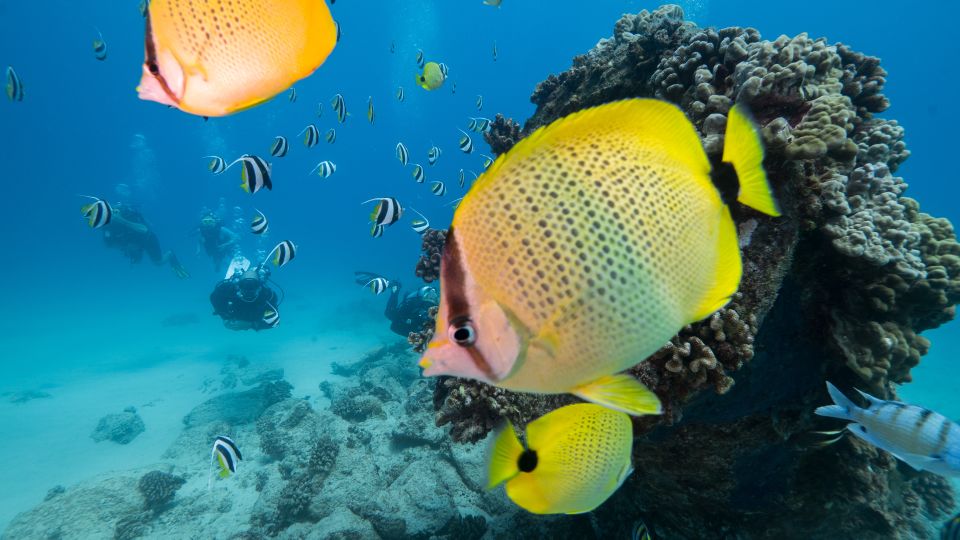
You might also see other endemic fish such as Gold Ring Surgeon Fish. And in the same general area of possibilities, you may find rare-looking reef fish like Saddleback Butterfly and Flame Angels. With sea life like that, the trick is to move slowly and give the reef time to show you what’s hiding in plain sight.
What you’re likely to see: from turtles to reef sharks
This is a “lots of life” kind of outing, not a quiet training day. The experience description mentions the range you could encounter: sharks and rays, plus creatures like octopus and dolphins. On top of that, past trip notes from this operator include sightings such as sea turtles and even two white-tip reef sharks.
That last detail matters because reef sharks are not guaranteed anywhere, even in healthy waters. When they show up on the same day as turtles, it tells you the guides are doing real work locating wildlife and managing group movement so you get views instead of just passing by.
A practical tip: your best chance of seeing more is to keep your head up and your hands calm. If you’re chasing every fish with quick fin kicks, you’ll scare things off and burn energy. If you glide and watch, the reef often answers back, especially in shallow areas where animals can be curious or unbothered.



Price and value: why $248 can make sense for certified divers
At $248 per person for about 3 hours, the price isn’t “budget,” but it can be good value if you price it the way divers actually think: by total guided underwater time, not just the ticket.
Here’s what you’re paying for, based on what’s included:
- PADI certified instructor during the guided experience
- Equipment rental
- Snacks and refreshments
- Two guided reef sites (Kaiser’s and Turtle Canyons)
For certified divers, equipment rental and real instruction can tilt the math. If you’re traveling, you may not want to lug gear or hunt for last-minute rentals. If you’re in Oahu with limited time, two reef sessions in one outing is also efficient.
Also, group management and spotting skills matter. When captain Nacho and instructor Dan are specifically noted for organization and finding sea life, that’s not fluff, it can translate into “more of what I came for” underwater.
Timing and the reality of two 75-minute underwater blocks
The schedule is straightforward:
- You start with safety briefing (25 minutes).
- Then you get two guided blocks of 75 minutes each with snorkeling/scuba listed in the flow.
Because the experience includes both snorkeling and scuba wording, you might find that the crew uses surface time to orient you and keep the day running smoothly between underwater intervals. In practice, the key takeaway for your planning is that you’ll have two chances at reef time instead of one long session where attention fades.
Bring your own energy level to the boat. If you’re hungry or tired, it shows up fast underwater. Snacks and refreshments help, but this is still a hands-on sport. Hydrate before you arrive, and don’t plan to treat it like a casual walk on the beach.
Who should book this (and who should skip it)
This experience is aimed at certified divers. If you’re not certified, you won’t be able to board. You should also understand the other boundaries:
- Not suitable for children under 10
- Not suitable for pregnant women
- You must be able to swim and be in good health
- You must be able to understand verbal English
- You must not fly within 24 hours after your underwater session
If you’re a certified diver who likes shallow reefs and wants a wildlife-forward day, this is a strong match. You’ll likely enjoy it most if you’re comfortable in open water, can maintain buoyancy calmly, and prefer guided structure over going solo.
Wheelchair accessibility is listed, but you should still be realistic about how boarding and gear fitting work in any marine environment. If that’s a concern, it’s smart to ask the operator before you go.
Add-ons: upgrade your camera, speed, or experience style
If you want more than the standard setup, add-ons are available:
- GoPro rental
- DPV underwater scooter (for additional propulsion, where conditions and your experience level allow)
- Nitrox tank rental
- Private guide and/or private photographer
These options can be worth it if you’re serious about documentation or if you’re using Nitrox for your dive plan. If you’re unsure about DPV or Nitrox, ask ahead so your certification and comfort line up with what the team provides.
Should you book this shallow reef scuba outing?
Book it if you want:
- Two guided reef sessions focused on sea life
- Shallow-water conditions at Kaiser’s and Turtle Canyons
- A team that’s known for good care and spotting
- Included gear rental plus snacks and refreshments
Skip it if:
- You’re not comfortable with the certified-diver requirement and documentation
- You can’t meet the swim/health/English guidance needs
- You’ll need to fly within 24 hours after your underwater session
- You’re traveling with kids under 10 or you’re pregnant
FAQ
How long is the Oahu shallow reef scuba experience?
It lasts about 3 hours total.
Do I need scuba certification to participate?
Yes. You must show proof of certification (PADI or another approved diving course) before boarding.
Are there snorkeling and scuba parts?
The experience includes guided snorkeling and guided scuba time within the 75-minute blocks.
Where do I meet the operator?
Meet at Dive Oahu in Ala Moana. You’ll also need to arrive 30 minutes early for waivers and equipment fitting.
What should I bring with me?
Bring swimwear, a towel, sunscreen, and your diving/scuba certification.
Are there any limits on when I can fly after the activity?
Yes. You must not fly within 24 hours after your underwater session.