REVIEW · OAHU
“Tour de Honolulu” Foodie Bike Tour
Book on Viator →Operated by Bike Tour Hawaii · Bookable on Viator
This is Honolulu with wheels and snacks. I love how the food tastings feel woven into the neighborhoods, not tacked on. You also get live commentary from your host, so the ride turns into a quick crash course on how Oahu works.
I like that you cover more than you could on foot, yet the pacing still allows short cultural stops. You start near Waikiki, roll past major landmarks like Iolani Palace, then transition toward newer parts of town like Kaka’ako. And the tour is private, so your group gets a more personal feel.
One thing to consider: it’s a bike tour with moderate fitness needed, and it runs best in good weather. If you’re not comfortable riding for stretches between stops, you may feel it.
In This Review
- Quick hits before you pedal off
- How the Tour de Honolulu bike-food format actually works
- Is $189 a fair price for this ride?
- Starting at Kuhio Beach: where your ride sets the tone
- Stop-by-stop: the route from historic Honolulu to Kaka’ako’s future
- Historic Canal built in 1929 (Waikiki’s major feature)
- Ala Wai Driving Range: passing the golf scene
- Neal S. Blaisdell Center: Elvis history in a city landmark
- Hawaiian Mission Houses Historic Site and Archives: the first western-style homes in Hawaii
- Iolani Palace: the only royal palace in the United States
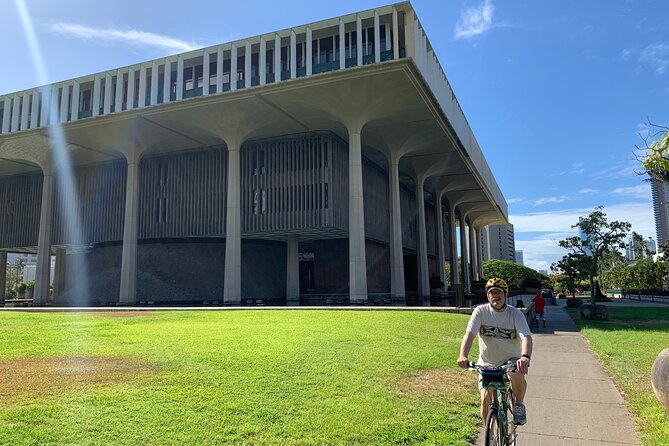
- Hawaii State Capitol: architecture that breaks the expected mold
- Kaka’ako: murals and the neighborhood the future is building
- Ala Moana Beach Park: a people’s park with room for everything
- Food tastings: fish taco, Hawaiian pizza, kalua pork, and shave ice
- Why the guide commentary matters (and how Kelly/Kally fits in)
- Bike comfort and “moderate fitness” in real life
- Who this tour suits best
- Little practical expectations before you book
- Should you book the Tour de Honolulu Foodie Bike Tour?
- FAQ
- FAQ
- How long is the Tour de Honolulu Foodie Bike Tour?
- Where does the tour start?
- What time does the tour begin?
- Is this tour private or shared?
- What’s included in the price?
- What food is included in the tasting?
- Do I need my own bike or helmet?
- What if the weather is bad?
- Can I cancel and get a full refund?
Quick hits before you pedal off
- Private tour feel: only your group rides with the host/escort.
- Bike + helmet provided: you don’t waste vacation time tracking gear.
- Iconic sites with context: brief stops at places like Iolani Palace and the Hawaii State Capitol.
- Honolulu-to-Kaka’ako route: you see both classic landmarks and the city’s future direction.
- Sample menu with local-style favorites: fish taco, Hawaiian pizza, kalua pork sliders, and shave ice.
- Photo-moment bonus: in at least some runs, your host takes lots of photos and makes a short video for memories.
How the Tour de Honolulu bike-food format actually works
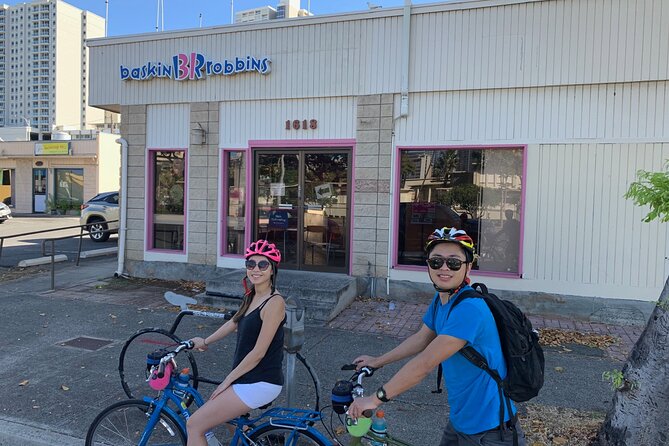
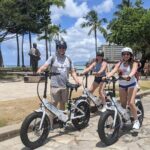
This tour is built around a simple idea: use biking to move through Honolulu efficiently, then use short stops to add meaning. You’ll ride, park the bike for a few minutes at each point of interest, and listen to commentary that ties the area together. It’s not a slow “look at everything” sightseeing day. It’s more like a smart, local-guided sampler that helps you get your bearings fast.
Timing matters here. You’re out for about 4 hours 30 minutes, with multiple short stops. That structure keeps energy up and helps you try food without turning the ride into a full-day marathon. If you’re visiting for the first time, it’s a great way to orient yourself before you pick where to spend more time.
Because it’s private, you don’t have to worry about the tour turning into a shuffle with strangers. Your host can adjust pacing and explain things in the way that fits your group.
You can also read our reviews of more tours and experiences in Oahu
Is $189 a fair price for this ride?
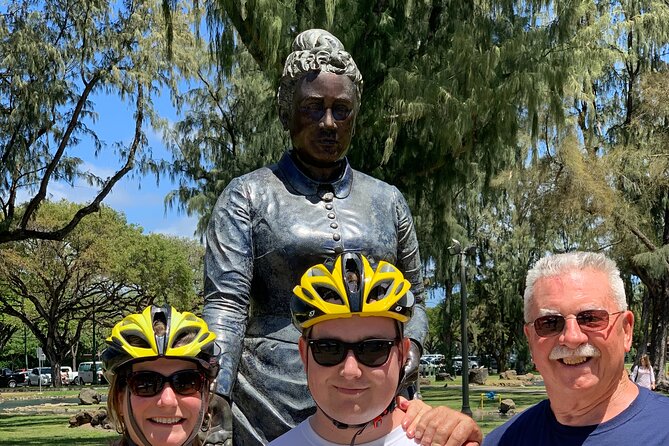
At $189 per person, you’re paying for more than just a meal and a bike. In the included basics, you get a bicycle and a helmet, a tour escort/host, live commentary, food tasting, bottled water, and coffee or tea. That combination is what makes it feel like value instead of a pricey snack run.
Think of it as three parts:
1) Transportation (bike + helmet included)
2) Guided context (live commentary)
3) Tasting experience (multiple food stops plus shave ice)
If you’ve ever tried to DIY a “food day” in Honolulu, you know how quickly costs and time add up, parking, rideshare, and piecing together food spots without local context. Here, the food stops are planned with the ride in mind, and you get explanations that turn the tastings into something more memorable than just eating.
The other value angle is pacing. You’ll hit major landmarks like Iolani Palace and the Hawaii State Capitol without spending your entire day in transit or searching for parking. For many first-timers, that’s the real payoff.
It also helps that the tour is rated 4.9 with 100% recommendation among the provided ratings. That doesn’t guarantee your experience, but it does suggest the format consistently lands well.
Starting at Kuhio Beach: where your ride sets the tone
Your tour begins at Kuhio Beach, 2453 Kalākaua Ave, Honolulu, HI 96815. The start time is 1:00 pm, and the activity ends back at the meeting point. That round-trip setup is convenient. You don’t end up stranded across town with no simple way to regroup.
Kuhio Beach is a practical launching point because it puts you close to the Waikiki action without forcing you to start in the most chaotic core of it. From there, the route moves through parts of Honolulu that many people walk right past, if they even notice them. The bike gives you the speed to go farther than you would on foot, and the short stop times mean you’re still actively moving most of the time.
And yes, the tour is offered in English, with a mobile ticket. So you’re not hunting for paper or last-minute translations.
Stop-by-stop: the route from historic Honolulu to Kaka’ako’s future
The tour’s itinerary is basically a guided “from old to new” crawl, with food tastings tied to local life. Most stops are brief, think minutes, so each one is chosen to deliver an idea, not to force a long museum session.
Historic Canal built in 1929 (Waikiki’s major feature)
You’ll start by rolling past a canal built in 1929, a major feature of the Waikiki neighborhood. This kind of stop is more than a trivia moment. Water management and infrastructure shaped how Honolulu grew, and the canal helps explain why certain areas developed the way they did. It’s a quick way to see the city not just as scenery, but as systems and history.
Consideration: because the stops are short, this is best as an orientation stop rather than a deep study.
You can also read our reviews of more cycling tours in Oahu
Ala Wai Driving Range: passing the golf scene
Next, you roll past Ala Wai Driving Range. The highlight here is that it’s tied to one of the most popular golf courses in North America. Even if you don’t play golf, it helps you spot how Waikiki’s identity includes more than beaches, it includes sports, visitors, and the way leisure industries shape land use.
Neal S. Blaisdell Center: Elvis history in a city landmark
At the Neal S. Blaisdell Center, you’ll see Elvis Presley’s statue, linked to his last concert performance in 1973. This is one of those stops that connects American pop culture to Honolulu’s role as a stage and destination. It’s also a reminder that the city’s entertainment history is layered, not just Hawaiian.
Hawaiian Mission Houses Historic Site and Archives: the first western-style homes in Hawaii
You’ll visit Hawaiian Mission Houses Historic Site and Archives, described here as the first western-style home built in Hawaii. The home was brought from Massachusetts in 1820–1821, which is a striking detail. This stop helps you understand early contact-era architecture and how imported designs took root locally.
Drawback to expect: it’s a short stop. If you want to linger with full context, you may want to pair this tour with a return visit later.
Iolani Palace: the only royal palace in the United States
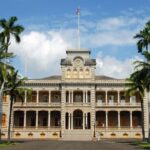
Then comes a big one: Iolani Palace, presented as the only royal palace in the United States. This stop is powerful even when it’s brief, because it’s such a specific and central piece of the story of Hawaiian monarchy and governance. The “only in the US” framing also gives you a useful anchor, this isn’t some minor site; it’s a headline landmark.
Hawaii State Capitol: architecture that breaks the expected mold
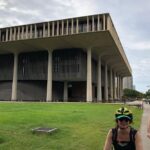
From there, you roll to the Hawaii State Capitol, described as the only open-air state capitol in America, with out-of-the-box architecture. This stop is less about length and more about impression. It’s a good example of how Hawaiian public spaces often feel designed for local climate and community use.
If you’re the kind of traveler who loves noticing how buildings reflect values, you’ll enjoy this quick glance.
Kaka’ako: murals and the neighborhood the future is building
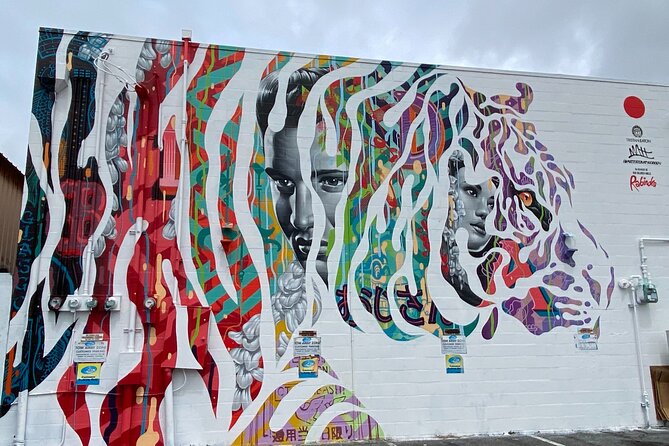
At Kaka’ako, you’ll roll through the area called the future of Oahu–Honolulu. You’ll see murals and new development that aims to set a high bar for the city. This isn’t just “a nice neighborhood.” It’s a lens on where Honolulu is headed as growth continues and streetscapes change.
Consideration: if you’re hoping for only classic-history stops, this is the reminder that Honolulu is also changing in real time.
Ala Moana Beach Park: a people’s park with room for everything
You end at Ala Moana Beach Park, described as Hawaii’s park for the people, built in 1948 and covering 100 acres. Even if you only spend a few minutes here, it’s a fitting closing stop: you get the sense that this is a place locals use, not just a postcard scene.
Food tastings: fish taco, Hawaiian pizza, kalua pork, and shave ice
The food part is what turns the cultural tour into an experience you can taste and remember. Your sample menu includes:
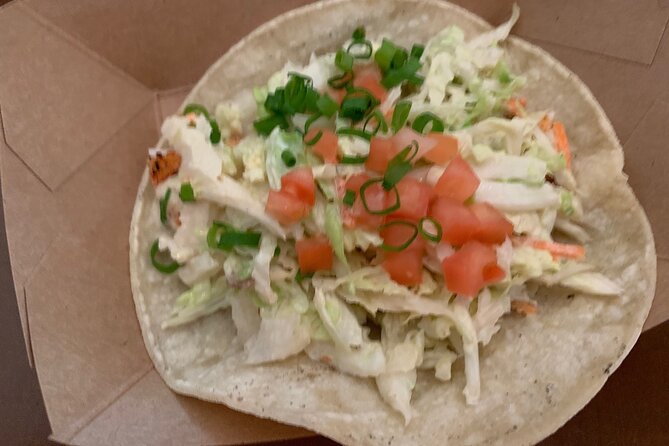
- Fish taco on corn tortilla
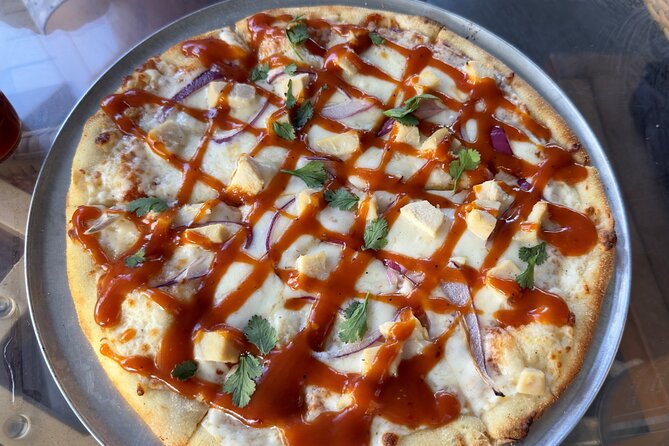
- Hawaiian pizza
- Kalua pork sliders described as local-style pork sliders
- Shave ice with locally known, iconic flavors
The idea here isn’t fine-dining precision. It’s local comfort foods and flavors. A fish taco made with corn tortillas feels like a nod to local everyday eating patterns. Hawaiian pizza signals how Hawaii has taken something familiar and made it its own. Kalua pork is a major Hawaiian flavor language, and sliders keep the portion friendly during an active ride.
And then there’s shave ice, the kind of dessert that makes you pause the moment you smell it. One of the reviews notes this as an area highlight, with people trying a few different favorites during the tour rhythm.
Practical note: bring an appetite, but don’t plan to eat a huge meal right before. You’ll be tasting multiple items and ending with dessert.
Why the guide commentary matters (and how Kelly/Kally fits in)
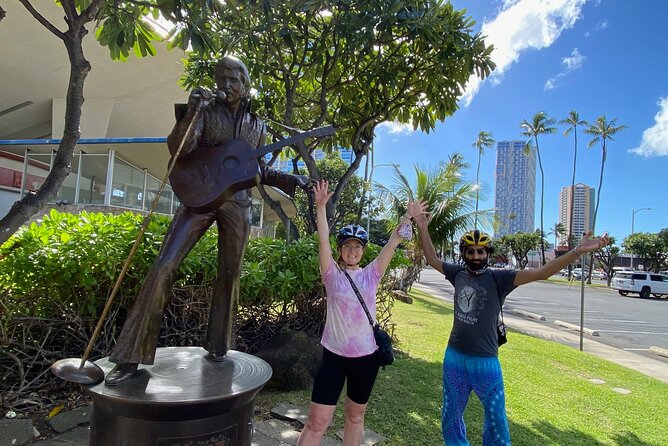
The host is central to the experience. This tour isn’t just moving you between points; it’s interpreting what you’re seeing. One standout theme from the feedback is that the guide, Kelly (sometimes spelled Kally in mentions), brings a local perspective that helps you understand what it’s like to live in Honolulu, not only what to look at.
The commentary is where the landmarks stop being random. For example, seeing a statue tied to Elvis Presley in a major concert year connects entertainment to place. Seeing mission-era architecture helps explain early western influence and how it showed up physically. Passing the canal helps show how Waikiki’s shape wasn’t an accident.
There’s also a personal-touch detail from the feedback: in some tours, the host takes a lot of photos and creates a short video afterward. That can be a real value-add if you’re trying to capture your day without juggling your phone nonstop while riding and tasting.
Bike comfort and “moderate fitness” in real life
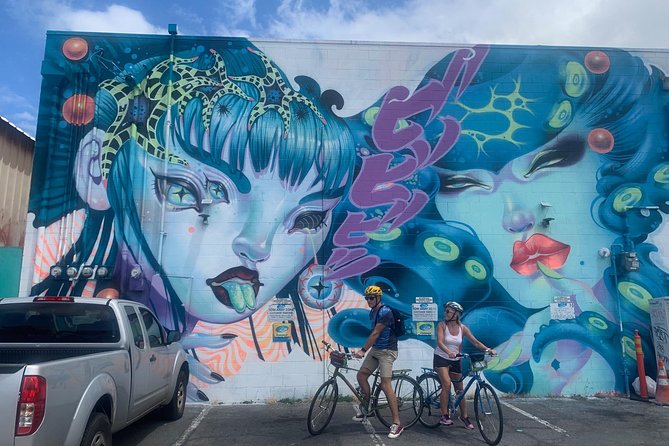
You’ll get a bicycle and a helmet included, and you should have a moderate physical fitness level. That means you don’t need to be an athlete, but you should be comfortable riding for stretches between quick stops.
Here’s how to set yourself up:
- Wear a helmet-friendly hairstyle (no hair whips, no loose straps).
- Choose shoes with grip.
- Plan for sun and wind. A 1:00 pm ride can feel warm even when you’re moving.
Also, the tour requires good weather. That’s a good clue about what to expect: you’re outside the whole time, and the route is designed for riding. If it’s rainy or miserable, the tour may reschedule or you may get a full refund, depending on conditions.
Who this tour suits best
This is a strong fit if you:
- want a first-day orientation to Honolulu beyond the busiest beach blocks
- like eating your way through neighborhoods
- enjoy history and culture, but want it in short, human pieces
- prefer a private experience over a group cattle-car
It can also work well for families, as long as everyone can comfortably bike at the group pace. The included food helps keep energy steady so you’re not forced to navigate hunger on your own.
If you’re someone who hates biking or feels anxious about traffic and riding, you might be happier with a walking or rideshare-based food tour. The bike is the engine that makes this tour cover ground.
Little practical expectations before you book
One neat point: the tour is built around free admission ticket notes at the stops. That doesn’t automatically mean everything is free to access in every circumstance, but it does suggest the listed highlights are included as quick viewing stops rather than expensive add-ons.
Also, the route includes major landmarks like Iolani Palace and the Hawaii State Capitol, which can be visually impressive even when you only pause briefly. The payoff is how the guide ties it all together while you’re still moving.
The tour ends back where it started, which is an easy way to keep your afternoon plans simple.
Should you book the Tour de Honolulu Foodie Bike Tour?
I think you should book it if you want a Honolulu experience that mixes local flavors with meaningful context, and you’re comfortable riding a bike for a few hours. The price is higher than some casual food tours, but once you factor in the bike, helmet, escort/host, live commentary, water, coffee or tea, and multiple tastings, it starts to make sense.
If your top priority is long museum-style stops or you want a fully leisurely day with minimal exertion, this might feel a little too active. But if you want to see more of Oahu’s story in one afternoon, then go eat your way through it, this is a smart, efficient choice.
FAQ
FAQ
How long is the Tour de Honolulu Foodie Bike Tour?
The tour is approximately 4 hours 30 minutes.
Where does the tour start?
It starts at Kuhio Beach, 2453 Kalākaua Ave, Honolulu, HI 96815, USA.
What time does the tour begin?
The start time is 1:00 pm.
Is this tour private or shared?
This is a private tour, so only your group participates.
What’s included in the price?
You get helmet use, a bicycle, a tour escort/host with live commentary, food tasting, bottled water, and coffee and/or tea.
What food is included in the tasting?
The sample menu includes fish taco (corn tortilla), Hawaiian pizza, kalua pork sliders, and shave ice.
Do I need my own bike or helmet?
No. A bicycle and a helmet are provided.
What if the weather is bad?
The experience requires good weather. If it’s canceled due to poor weather, you’ll be offered a different date or a full refund.
Can I cancel and get a full refund?
Free cancellation is available up to 24 hours before the experience starts for a full refund. Within 24 hours, the amount paid is not refunded.