REVIEW · OAHU
The East Waikiki Walking Tour
Book on Viator →Operated by Hawai'i Walks · Bookable on Viator
A walk through East Waikiki can change how you see the beach. This tour strings together Waikiki War Memorial Natatorium history and a laid-back break with local mochi ice cream, with a sustainability-minded guide who connects what you’re looking at to how Waikiki works today. The main thing to consider is that it depends on good weather, and one past booking review flagged a guide no-show, so arrive a little early and keep your confirmation handy.
I also like that the group stays tiny, with a maximum of 4 people, so you’re not just hearing facts while everyone else scrolls. Plus, you get a mobile ticket and the pace is built for an easy two-hour wander. If you hate walking or need lots of seating breaks, this isn’t the right fit.
In This Review
- Key highlights before you go
- Getting Your Bearings With a 9:00 AM Start and a Small Group
- Why the $14 Price Feels Fair for Waikiki
- Stop 1: Waikiki War Memorial Natatorium and a WWII Story You Can See
- Stop 2: Kaimana Beach Surf History, Outrigger vs Hui Nalu, and Monk Seal Odds
- Stop 3: Kapiolani Park Photos, a Pause, and Locally Made Ice Cream
- The Zoo Circle and the Diamond Head Base: Animals and Volcanic Time
- The Guide Style: Sustainability Talk That Changes How You Shop and Move
- Weather, Timing, and What to Pack for This 2-Hour Foot Tour
- A Quick Reality Check: One No-Show Review to Know Before Booking
- Should You Book the East Waikiki Walking Tour?
- FAQ
- FAQ
- Where is the meeting point?
- What time does the tour start?
- How long does the tour take?
- How much does it cost?
- Is bottled water included?
- What’s included in the tour?
- Do I need to buy admission tickets for the stops?
- Is the tour suitable for all fitness levels?
- What’s the group size?
- What happens if the weather is bad?
Key highlights before you go
- WWII stop right on Waikiki’s edge at the Waikiki War Memorial Natatorium
- Kaimana Beach surf-club history including Outrigger vs Hui Nalu
- Monk seal spotting is part of the story at one of their preferred haul-out spots
- Local mochi ice cream included around the 45-minute mark
- Diamond Head geology on foot along the base of Le’ahi
- A small group size with a maximum of 4 travelers for quieter questions
Getting Your Bearings With a 9:00 AM Start and a Small Group
The East Waikiki Walking Tour is a simple setup: you meet at the Public Art Surfer on a Wave at the corner of Kalakaua Ave + Monsarrat Ave area (Honolulu, HI 96815). It starts at 9:00 am and runs about 2 hours. The tour ends back at the same meeting point, so you’re not stuck figuring out a new pickup.
What matters for your day is the size. With a maximum of 4 people, you’ll get more back-and-forth and less waiting around. It also helps on a morning walk like this, when sidewalks, beach access points, and crosswalks can get tricky if there are lots of groups.
You’ll also want shoes you can trust. The tour calls for moderate physical fitness, which usually means you’ll be on your feet most of the time. Bring a hat, and expect some sun even if the ocean breeze feels helpful at first.
You can also read our reviews of more walking tours in Oahu



Why the $14 Price Feels Fair for Waikiki
$14 is an easy number to swallow in Waikiki, where lots of things cost more just to stand nearby. Here, you’re not paying for a big ticketed attraction. The stops are mostly free for admission at the listed sites, so your money goes mainly to the guide and the thinking that connects the dots.
Included snacks are a real value point: you’ll have free local mochi ice cream around 45 minutes into the tour. That’s the kind of small local touch that turns a walk into something you remember later, especially when you’re moving through places most people rush past.
One practical note: the tour does not include bottled water. If you forget your own, the provider says they have sterilized hydroflasks with cold water available for use during the tour. I’d still bring something if you have it, just so you’re not relying on a backup.
Stop 1: Waikiki War Memorial Natatorium and a WWII Story You Can See
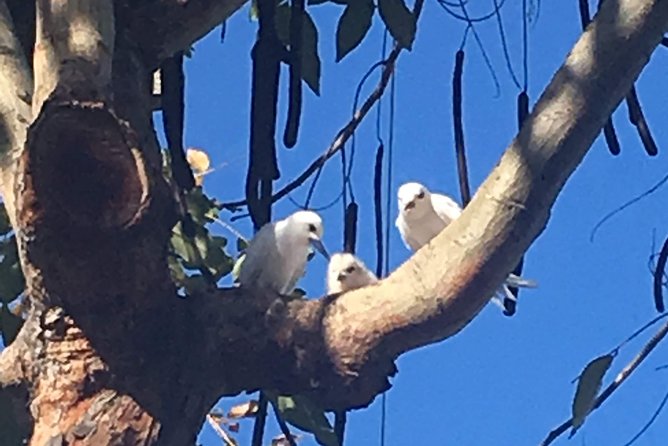
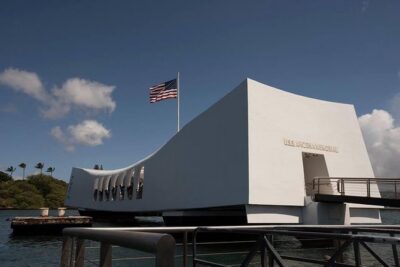
The tour opens at the Waikiki War Memorial Natatorium. On paper, it’s a “war memorial” stop. In real life, it’s more interesting because it’s visual, history wrapped around an Olympic-sized pool.
The guide focuses on Hawaiʻi’s WWII era and how the site functioned during the war years, then points out what’s left behind now. There’s something quietly sobering about seeing a memorial tied to such a public, outdoor setting, with the water and the structure still shaping the scene.
This stop is about 15 minutes with free admission. That’s a good length: long enough to understand what you’re looking at, not so long that the tour loses momentum before you reach the beachside part.
Tip for making this one stick: look at the building and pool as one object. You’re not just reading a plaque; you’re tracing how a community used space during wartime, then what happens when the function changes.
Stop 2: Kaimana Beach Surf History, Outrigger vs Hui Nalu, and Monk Seal Odds
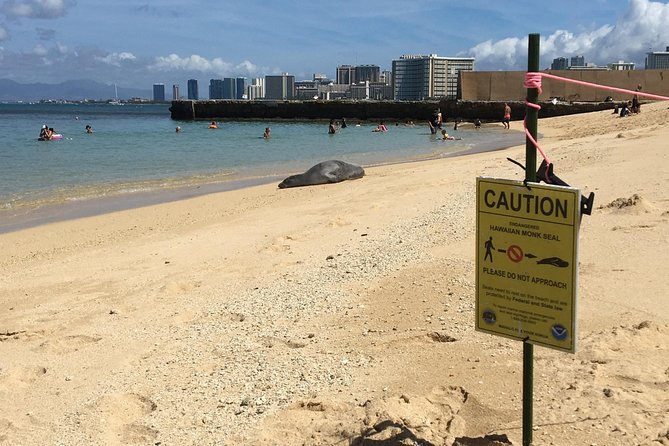
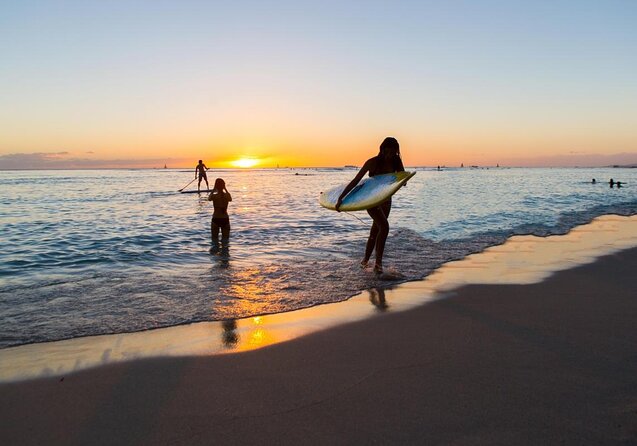
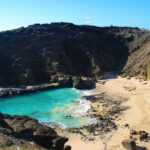
Next up is Kaimana Beach, where the tour gets into the story behind surfing’s early organization in Hawaiʻi. You’ll learn about basic surf history at the site where the first surf schools were established.
Then the guide shifts to a local conflict that helped shape how surfing got seen from the outside: the competition between Outrigger and Hui Nalu, the two original surf clubs, and what that rivalry meant for surfing’s public image abroad. This is the kind of context that makes the beach feel less like a postcard and more like a living cultural place with real history.
This stop is about 10 minutes, also marked as free admission. Short stops like this are great when the point is clarity. You’ll get the main story beats without feeling dragged through another long lecture.
Now for the fun part: Kaimana Beach is one of the places where Native Hawaiian monk seals are known to haul out. The tour says to cross your fingers, and you should, just remember you’re not buying a guarantee. Even so, it’s a good mindset to walk in with. If you spot something from a distance, you’ll understand why that moment matters, instead of treating it like random wildlife.
Stop 3: Kapiolani Park Photos, a Pause, and Locally Made Ice Cream
After the beach stop, you’ll head to Kapiolani Park. This is a breather stop, about 15 minutes, where you can take photos and reset before the tour continues.
The standout here is the snack: locally made ice cream during the break window. The tour’s included snack highlight is actually mochi ice cream around the 45-minute mark, but Kapiolani Park is where the day naturally slows down and you get a chance to enjoy it. Either way, it’s a smart pacing move. You’re not just walking until you crash; you’re fed at the moment your energy tends to dip.
If you’re sensitive to heat, treat this stop as your hydration and shade checkpoint. You’ll likely cover a good bit of sidewalk and sun between beach and park, and this pause helps you keep the whole two hours enjoyable instead of just “surviving” the walk.


The Zoo Circle and the Diamond Head Base: Animals and Volcanic Time
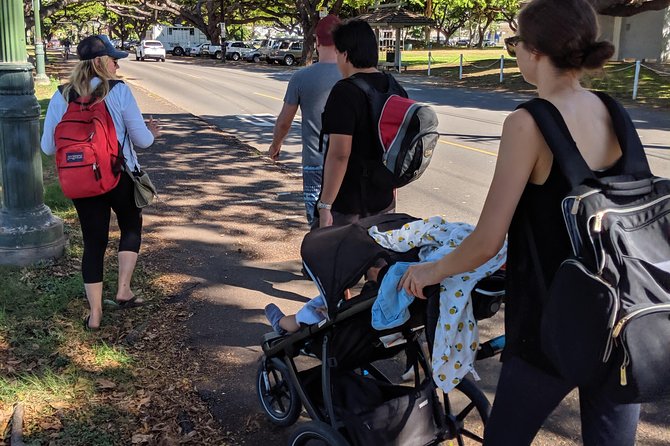
The tour then goes into two connected segments that feel like a shift from people-and-culture stories to nature-and-place stories.
First, there’s a walk that circles the zoo. The focus isn’t about rides or exhibits, it’s on compelling stories from animals that have called this home over the years. Even without details beyond that broad theme, the takeaway is clear: you’re meant to notice how an urban setting can still hold living creatures, and how institutions change over time.
Then comes one of the strongest payoff sections for views and meaning. You’ll walk along the base of Diamond Head (Leʻahi) State Park and talk about the island’s geological history, how this iconic volcanic cone formed. This is where a short walking tour can feel bigger than its length. You’re not just seeing Diamond Head; you’re getting a simple explanation for why the shape exists and what it represents in Hawaiʻi’s volcanic story.
This part is ideal if you like your sightseeing to come with a reason. Waikiki can feel flat if you only look at the beach line. Diamond Head gives you a vertical anchor, and the geology talk gives it context.
Practical note: keep an eye on your footing. The base walk can involve uneven areas, and you’ll be on foot with moderate fitness expectations. Good shoes beat cute sandals.
The Guide Style: Sustainability Talk That Changes How You Shop and Move
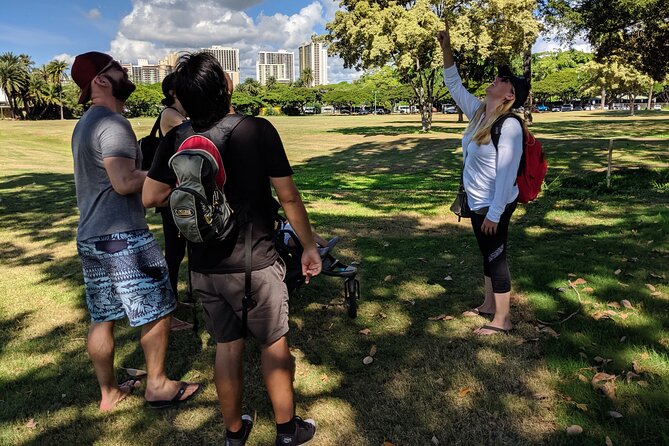
One of the most useful aspects of Hawaiʻi Walks is the framing. The guides are described as advanced-degree experts in Hawaiian flora, fauna, and history, and they connect the places you see to broader geological and human history across the Pacific.
But what I find most practical is the sustainability lens. The tour isn’t only “nature facts.” It also discusses how industry has impacted Waikiki and how those impacts show up in daily visitor life. You’ll come away with a different checklist for choices, what you support, what you buy, and how you behave when you’re in a place that has to carry both locals and visitors.
Expect local social issues to be part of the conversation too. That can be a good thing if you want more than scenic chatter. It also means you’ll probably think about Hawaiʻi as a real community with real pressures, not just a vacation stage.
With a small group, that message lands better. It’s easier to ask a question or request clarification when you’re not stuck behind a crowd.
Weather, Timing, and What to Pack for This 2-Hour Foot Tour
This tour requires good weather. If it gets canceled due to poor weather, you’ll be offered a different date or a full refund. For planning, treat it like a morning outdoor activity: check the forecast, and if rain is heavy or the day looks rough, don’t assume it’ll run.
Because it’s a walking tour in Waikiki, bring the basics:
- Comfortable walking shoes
- Sun protection (hat/sunglasses)
- Your own water if possible (no bottled water provided)
- A light layer if you get cold easily in breezes
If you forget water, the provider says they’ll have sterilized hydroflasks with cold water you can use. Still, I’d plan to travel with your own bottle when you can.
Service animals are allowed, and the tour is said to be near public transportation. So even if you don’t plan to drive, you should be able to get to the meeting point without too much fuss.
A Quick Reality Check: One No-Show Review to Know Before Booking
The tour has a 4.2 rating based on a small number of reviews, which suggests most people are usually happy with the experience. Still, one review raises a serious concern: a guide reportedly did not show up, and the booking was refunded after a request.
I can’t control that risk, but you can reduce it. Arrive early so you’re not waiting at the exact minute the tour starts. Keep your booking confirmation accessible. And because cancellation is free up to 24 hours before the experience, you can choose a safer plan if conditions look shaky or if your schedule changes.
This isn’t meant to scare you off. It’s just good travel sense: small-group tours are great when they run well, and you should do the simple things that protect your time.
Should You Book the East Waikiki Walking Tour?
Book it if you want Waikiki with context. This is the kind of tour that helps you connect WWII-era sites, surf club history at Kaimana Beach, and Diamond Head’s volcanic story into one coherent walk. The included mochi ice cream and the small-group pace make it feel like a thoughtful local experience, not a rushed checklist.
Skip it or think twice if you’re sensitive to walking in the sun or you need lots of seating. Also, if you’re booking for a tight schedule, consider that it depends on good weather, and keep an eye on operations given that one review reports a no-show.
If you can flex your morning and you like learning while you walk, this is a strong value at $14, especially because you’re paying for interpretation, not just scenery.
FAQ
FAQ
Where is the meeting point?
You’ll meet at the Public Art Surfer on a Wave at Kalakaua Ave + Monsarrat Ave, Honolulu, HI 96815.
What time does the tour start?
The tour starts at 9:00 am.
How long does the tour take?
It’s listed at about 2 hours.
How much does it cost?
The price is $14.
Is bottled water included?
No. Bottled water isn’t provided. If you forget your own, the provider says sterilized hydroflasks with cold water are available for use during the tour.
What’s included in the tour?
You get snacks, including free local mochi ice cream during the break around 45 minutes into the tour.
Do I need to buy admission tickets for the stops?
The tour notes free admission for the Waikiki War Memorial Natatorium and the Kaimana Beach stop. The tour also includes circling the zoo, but no zoo admission detail is provided.
Is the tour suitable for all fitness levels?
It’s best for guests with moderate physical fitness since you’ll be walking for much of the two hours.
What’s the group size?
The tour has a maximum of 4 travelers.
What happens if the weather is bad?
The tour requires good weather. If it’s canceled due to poor weather, you’ll be offered a different date or a full refund. You can also cancel for a full refund up to 24 hours before the start time.