REVIEW · OAHU
Surf Lesson Without the Crowds Including GoPRO Videos
Book on Viator →Operated by Michael McChrystal · Bookable on Viator
Surfing in a small group is where this lesson shines. You get the calm setup of a beginner-friendly coaching session and the fun part right after: getting out on the water quickly. I like that it’s designed to help you understand how waves work, not just memorize a few instructions. And the GoPro footage you get afterward turns your wipeouts and first stands into something you can actually share.
You’ll spend about 90 minutes learning surf basics, beach etiquette, and safety, then catching as many waves as conditions allow. The standout for many people is how the instruction stays focused because the group stays tiny. One possible drawback to plan around: you must be able to swim and have a moderate fitness level, since you’ll be in the water for the majority of the lesson.
In This Review
- Key points at a glance
- Ala Moana surfing: fewer crowds, more chances to learn
- The easy meet-up: 75 Ala Moana Park Dr (and back again)
- Beach basics that make the water feel less scary
- In the water: coached waves, small-group feedback, and fast practice
- What “progress” looks like in a 90-minute lesson
- The GoPro payoff: proof you were actually surfing
- What to bring (and what helps you not suffer)
- Timing tip you can use immediately
- Price reality: why $125 can make sense for real coaching
- Who should book this (and who might want a different option)
- Weather, wave timing, and what “good conditions” really means
- Should you book this beginner surf lesson?
- FAQ
- How long is the surf lesson?
- Where does the lesson start?
- How many people are in the group?
- Is the lesson offered in English?
- Do I need to be able to swim?
- What do I learn before I get in the water?
- Is the GoPro included?
- What should I bring for surfing?
- Can I cancel for a full refund?
- How far in advance should I book?
Key points at a glance
- Tiny group time on the board: easier to get help when you need it
- Wave basics + etiquette before you paddle out, so the beach feels less confusing
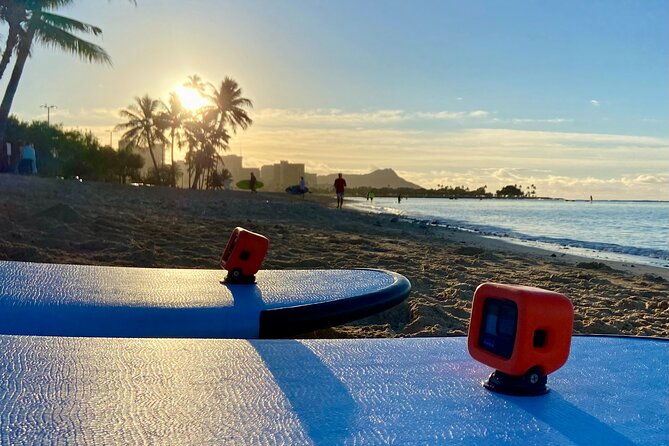
- GoPro capture during your session, plus edited pictures/videos sent by email
- Ala Moana location that often feels less chaotic than the most famous surf spots
- Beginner-focused goal: first-timer success, not “just show up and hope”
Ala Moana surfing: fewer crowds, more chances to learn
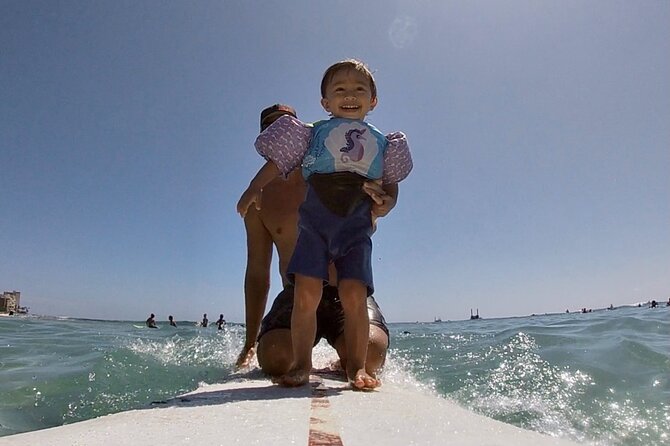
Oahu’s surf scene can feel like a lot, busy beaches, lots of surfers, and plenty of people taking more time than they should getting ready. This lesson is built around the idea that beginners learn best when the pace stays sane. You’re aiming to catch waves during the session, not just watch others do it.
Ala Moana is a key part of the appeal. The feedback around this specific area points to conditions that are friendly for newcomers, with waves that can give you that moment where everything finally clicks. Even better, you’re not starting from ground zero; you’ll be taught what to do so you can make smart choices the moment you’re out there.
You can also read our reviews of more tours and experiences in Oahu



The easy meet-up: 75 Ala Moana Park Dr (and back again)
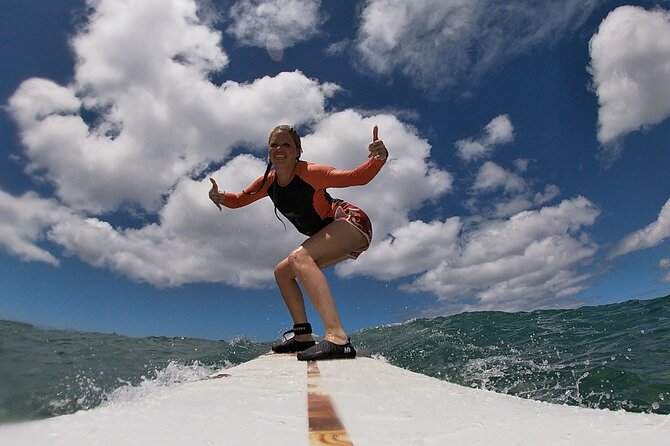
Your meeting point is at 75 Ala Moana Park Dr, Honolulu, HI 96815. The activity ends back at the meeting point, so you’re not juggling a long walk, a multi-stop route, or extra logistics right after you’re wiped out (which, let’s be honest, happens).
This spot is also listed as being near public transportation, which matters if you’re planning your day around buses or a quick ride-share rather than tying everything to a rental car. A practical tip: show up a few minutes early so you’re ready for the pre-water briefing without rushing in at the last second.
Beach basics that make the water feel less scary
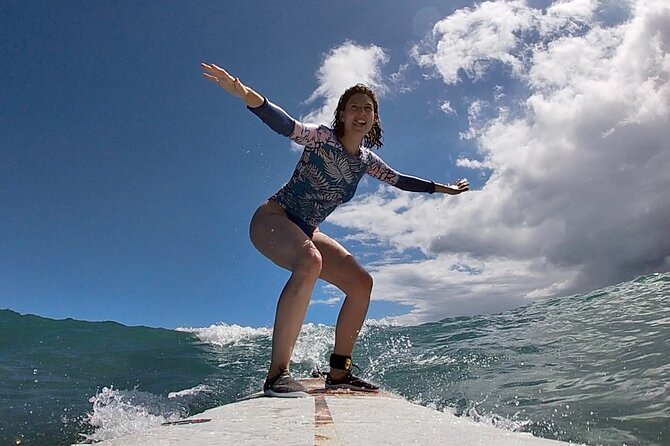
Before you paddle out, you’ll cover the fundamentals: how a wave works and what you need to do to ride it. That part matters more than people think. If you understand how the wave is breaking and where you should position yourself, the session feels like learning instead of guessing.
You’ll also get surf etiquette on the beach. That’s huge for beginners because it’s not only about being polite, it’s how you stay safe around other surfers. Clear etiquette rules help you avoid the common new-surfer mistakes that lead to awkward moments and slower progress.
And then comes the step-by-step coaching style that many people rave about. Names that pop up often include instructors like Rio and John, plus Mike/Michael-based instruction. What stands out across the feedback is patience: teachers explain, then adjust cues in real time so you don’t feel lost when you hit the water.
In the water: coached waves, small-group feedback, and fast practice
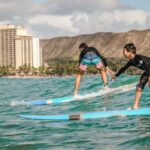
Once you hit the water, the lesson shifts gears from talking to doing. The goal is simple: catch as many waves as possible. Since this experience is capped at a maximum of 5 travelers, you’re more likely to get hands-on attention rather than waiting your turn while everyone else is getting instruction.
In practice, it often feels even smaller than that. Multiple people describe small group setups (including one-on-one or groups around two to three). That’s a big deal for first-timers because you learn faster when the coach can watch what you’re doing and correct it on the spot, like your paddle timing, stance, and how you’re approaching the wave.
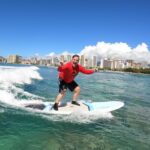
The teaching approach includes cues about when to stand up and how to position yourself so you can ride. Many first-timers report that they weren’t just watching from shore; they were actually standing up and catching their own waves by the end. That’s the difference between a “try it” session and a real beginner lesson.
What “progress” looks like in a 90-minute lesson
In a time window this short, you’re not trying to master complicated maneuvers. You’re building three things:
- the confidence to paddle and approach a breaking wave
- the timing to stand when the wave gives you a chance
- basic control so you can ride for more than a second or two
Even riders who start with zero board time tend to leave with a real sense of what to do next time.






The GoPro payoff: proof you were actually surfing
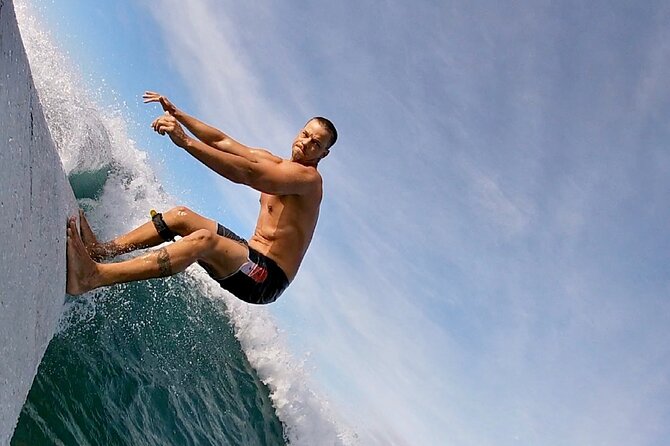
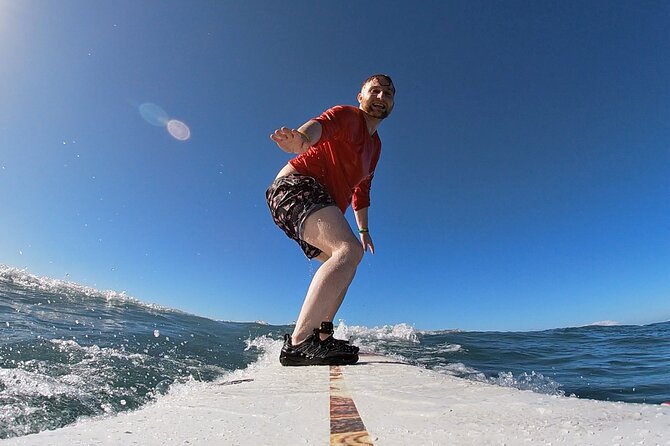
Here’s why this lesson is so easy to recommend: you don’t just get coached and then forget everything. You get action captured while you’re surfing. That means your wipeouts are recorded too, and honestly, those are often the funniest (and most useful) clips because they show what happened and why.
The included promise is that you’ll receive edited pictures and videos by email after the lesson. People also mention that edited delivery can be fairly fast, often cited as within about 48 hours, which is great because you’ll still be in that honeymoon phase of new skills and ocean adrenaline.
If you’re visiting Oahu with friends or family, the GoPro piece can also be the best memory-maker. You’ll have something to show that isn’t just blurry beach photos. And for beginners, it’s extra satisfying to see yourself stand up, even if it’s just for the first time.
What to bring (and what helps you not suffer)
The good news: you shouldn’t need to overpack. Most of the essentials are covered or handled as part of the experience.
From the information you were given and the pattern in the feedback, you can expect things like:
- a surfboard
- a GoPro for action capture
- a rash guard or neoprene top (helpful since the ocean can feel cool depending on time of day)
- water shoes are strongly recommended because the area can be rocky
A practical note: even if they provide some items, bring your own basics like sunscreen and a small towel. Also, check whether you feel comfortable with neoprene/wetsuit tops based on how cold you run. One common theme in feedback is that the water can feel chilly, and the neoprene helps a lot.
Timing tip you can use immediately
If you’re choosing the start time, know that surf conditions can change during the morning. Some people specifically mention that the earlier session felt better for wave length, while later sessions can mean shorter rides. If your priority is maximizing wave time early in the learning curve, earlier tends to work well.
Price reality: why $125 can make sense for real coaching
At $125 per person for about 1 hour 30 minutes, this isn’t the cheapest option on Oahu. But you’re paying for what matters: time in the water with instruction and the ability to capture the moment.
Here’s how the value stacks up:
- Small group size means more direct coaching per person
- Beginner-first teaching reduces the chance you spend the whole time paddling without understanding what’s going wrong
- GoPro capture plus editing adds a real “keep the memory” component, not just a photo opportunity
If you’ve ever taken a class where you spend half the time waiting for someone else, you’ll appreciate the focus here. When the group is tiny, the lesson isn’t just safer, it’s faster.
And because the average booking window is around 15 days in advance, plan ahead. That isn’t just to guarantee a spot; it also helps you fit the lesson into the best weather window for your trip.
Who should book this (and who might want a different option)
This surf lesson is best for:
- absolute beginners who want an encouraging, structured start
- people who want lots of practice time, not a long lecture
- anyone who values safety coaching plus surf etiquette
- couples, families, and small groups who prefer calmer energy over crowded beaches
You might want to think twice if:
- you can’t swim (this one is a must)
- you’re dealing with limited mobility or you don’t feel comfortable with ocean conditions
- you’re looking for a long, multi-hour surf trip where you’ll explore distant breaks (this lesson is about a focused beginner session)
Weather, wave timing, and what “good conditions” really means
This experience requires good weather. That’s not a marketing line, it’s your reality on a surf lesson. If the ocean is rough or conditions don’t cooperate, your lesson can be shifted or refunded.
Also, you’re on a beach location, so you’re working with the day’s conditions. A good mindset helps: treat the first lesson as skill-building. You’ll likely improve from one wave attempt to the next because the coach keeps adjusting what you try.
A final practical point: if you’re the type who gets anxious in the water, lean on the coach’s step-by-step approach. Clear instructions and patient, attentive teaching are what make first-time surfing feel safe.
Should you book this beginner surf lesson?
If you want a confidence-building first surf lesson with real coaching and the kind of GoPro keepsake you’ll actually watch later, I’d book it. The biggest selling points are simple: small group attention, instruction that focuses on safety and wave understanding, and a strong push to get you catching waves during the session.
My advice: book it if you’re coming for a beginner-friendly introduction and you’d love proof of your progress in edited video. Skip it only if swimming is off-limits for you or you’re expecting a long, roaming surf expedition instead of a tightly coached 90-minute start.
FAQ
How long is the surf lesson?
It runs about 1 hour 30 minutes (approx.).
Where does the lesson start?
The meeting point is 75 Ala Moana Park Dr, Honolulu, HI 96815.
How many people are in the group?
The tour/activity has a maximum of 5 travelers, and many sessions feel very small in practice.
Is the lesson offered in English?
Yes, it’s offered in English.
Do I need to be able to swim?
Yes. You must be able to swim.
What do I learn before I get in the water?
You review surf basics, how a wave works, and surf etiquette on the beach, plus safety guidance.
Is the GoPro included?
Yes. Action is captured via GoPro, and you receive edited pictures and videos by email after the lesson.
What should I bring for surfing?
Wear a swimsuit and bring essentials like sunscreen. Water shoes are recommended since the reef can be rocky and sharp. The experience may provide items like a surfboard and a rash guard or neoprene top.
Can I cancel for a full refund?
Free cancellation is available up to 24 hours before the experience start time for a full refund. If it’s canceled due to poor weather, you’ll be offered a different date or a full refund.
How far in advance should I book?
On average, it’s booked about 15 days in advance.