REVIEW · OAHU
Private Surfing Lessons on the North Shore of Oahu
Book on Viator →Operated by Catch'a Wave · Bookable on Viator
Ready to stand on a real wave? I liked how this private lesson turns the North Shore into a learnable, step-by-step experience with one-on-one coaching. Two things I really appreciate are the instructor tailoring (your level, your goals) and the fact that key gear is included so you can focus on surfing, not shopping. The one drawback: surf depends on conditions, so if it’s too rough or waves don’t cooperate, the lesson may be rescheduled or canceled for safety.
You’ll start with a friendly, practical flow: meet at Puaʻena Point, get gear, do a safety and etiquette rundown, then rehearse your pop-up on land before you paddle out. That dry-land practice matters because it helps you build muscle memory right away, which makes your first attempts in the water less chaotic.
At $150 per person for about two hours, this is priced like a true private lesson rather than a group class. That can feel like a bargain if you want faster progress, but you’ll still need to handle your own transportation to the meeting point since pickup isn’t listed.
In This Review
- Key things to know before you go
- First Taste of the North Shore at Puaʻena Point
- Safety Briefing and Surf Etiquette You’ll Actually Use
- Dry-Land Pop-Up Practice: Why It Speeds Up Your First Ride
- Paddling Out and Catching Your First Wave
- Turning, Balance, and Timing: How You Progress During Two Hours
- Price and Value: What You’re Really Paying For
- Weather Reality on Oahu’s North Shore
- Who This Surf Lesson Fits Best
- Should You Book Catch’a Wave Private Lessons?
- FAQ
- How long is the private surfing lesson?
- Where do we meet for the lesson?
- What’s included in the lesson price?
- Is transportation to and from the lesson included?
- Is the tour private or shared with other groups?
- Do lessons run in bad weather?
- What is the cancellation policy?
- What fitness level is needed, and can children join?
- Are service animals allowed?
Key things to know before you go
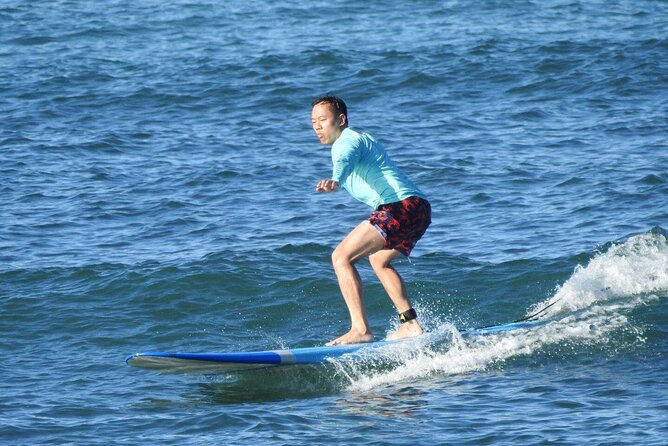
- Puaʻena Point start at Haleiwa: your lesson begins at Puaʻena Point Beach Park in Kahalewai Pl.
- All the core surf gear is included: surfboard, leash, fins, and rash guards.
- You get a tailored lesson: coaching adapts to your skill level and what you want to achieve.
- Dry-land pop-up drill comes before the ocean: you practice foot placement and balance before paddling.
- Small-wave coaching toward first success: you work on paddling, standing, and riding short, manageable waves.
- Your instructor may be named Connor or Conor: both appear in past client stories, and the shared theme is patience and guidance.
First Taste of the North Shore at Puaʻena Point
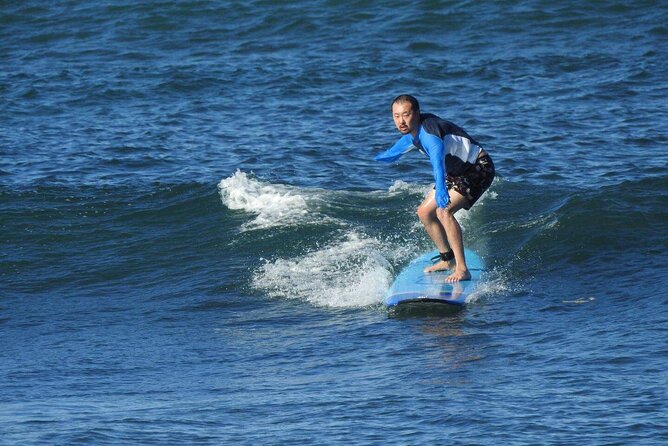
The meeting spot is Puaʻena Point Beach Park, on Kahalewai Pl in Haleiwa. That matters because it sets the tone: this isn’t some vague “show up by the beach” situation. You know where you’re going, and the lesson begins with your instructor greeting you right there.
Once you meet up, you’ll get the essentials: surfboard, leash, fins, and a rash guard. If you’re new to surfing, the included rash guard is a quiet win. It helps you feel more comfortable while you’re learning, and you’re not stuck trying to buy gear you may only use once.
This is a private activity, meaning it’s just your group. In real terms, that means less waiting around and more coaching time. You can ask questions as they come up, and your instructor can adjust on the fly when you’re doing something that doesn’t feel natural yet.
You’ll also want to be ready for the lesson to last about two hours. That’s long enough to learn the steps, get your feet under you, and still have a final stretch to practice with a little more confidence.
You can also read our reviews of more private tours in Oahu

Safety Briefing and Surf Etiquette You’ll Actually Use
Before anyone tries to paddle out, you’ll get a safety briefing. The focus is ocean conditions and surf etiquette, which is the right order. Surf isn’t just balance and bravery. It’s also reading what the ocean is doing and being aware of other people sharing the lineup.
You’ll cover basics like:
- how to think about what waves look like before you go
- how to move around safely so you don’t create problems for others
- how to pick beginner-friendly waves once you’re in the right spot
If you’re a first-timer, the biggest value here is that you learn the “why” behind the rules. Instead of just being told what not to do, you learn what the ocean conditions mean for your body and your board.
You’ll also get coached through the core surf moves in sequence. The lesson plan is built around paddling, standing, and selecting waves. Those are three separate skills, and you’ll practice each one enough that they start to click instead of staying as confusing buzzwords.
Dry-Land Pop-Up Practice: Why It Speeds Up Your First Ride
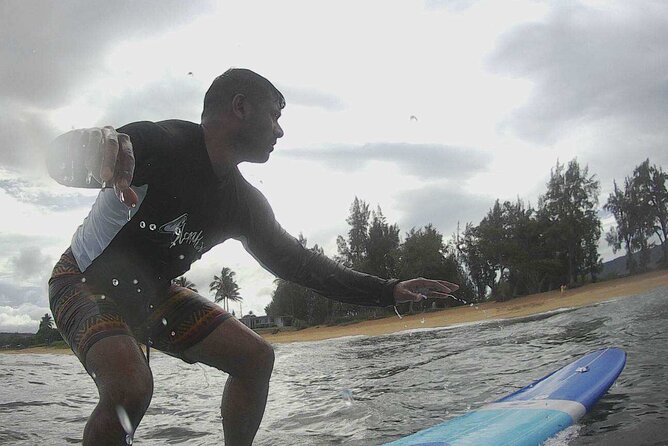
One of the most practical parts of the lesson happens on land. You’ll do a warm-up and then practice the pop-up technique. The instructor focuses on foot placement and balance.
This is smart because the hardest part for many beginners isn’t catching a wave. It’s getting from lying on the board to standing without wobbling, stepping wrong, or freezing mid-moment.
On land, you can fix basics fast:
- where your feet should land
- how your weight should feel when you’re ready to stand
- how your balance should line up so you can respond when the wave moves
When you transition into the water, the goal isn’t perfection. It’s transferring what you rehearsed into the real timing of the ocean. Your instructor’s job is to help you apply that pop-up technique so your first successful wave ride feels like an achievement instead of luck.
If you’ve ever tried to learn something physical by jumping straight into the hardest version, you’ll appreciate this staged approach. It’s easier to improve one step at a time.
Paddling Out and Catching Your First Wave
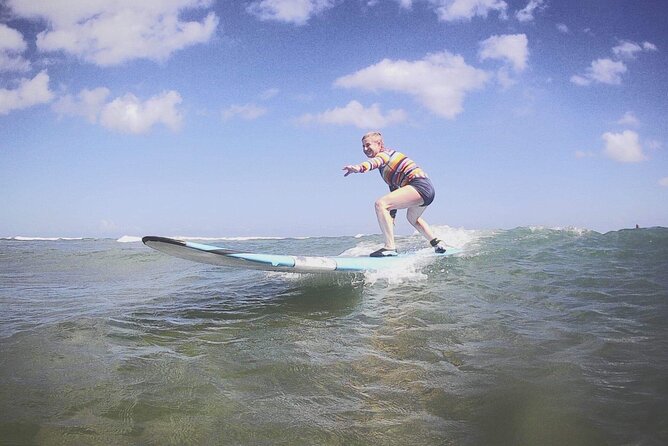
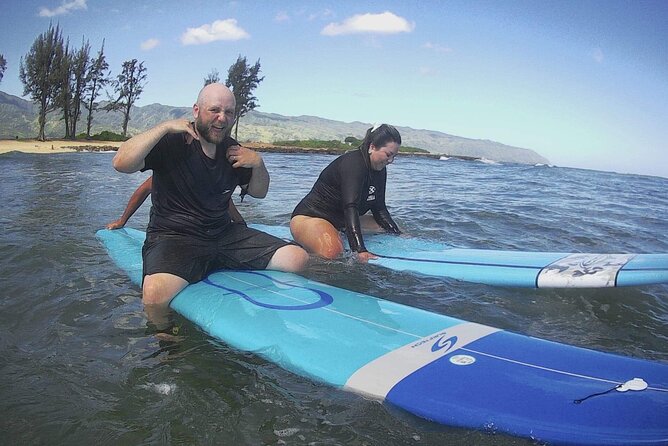
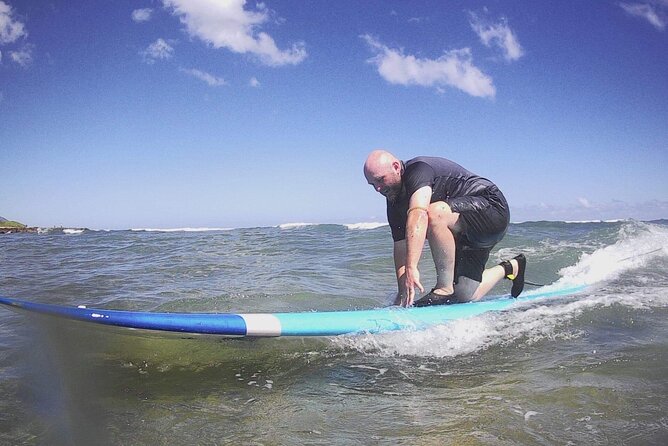
Then comes the water part. Once you’re ready, you head into the ocean to catch small waves. Your instructor guides you through paddling and standing, which is the heart of early surf success.
Expect hands-on coaching during the push-out and the wait. Many first-timers get stuck on one of two problems:
1) paddling too hard in the wrong way and exhausting themselves
2) standing at the wrong moment because the wave timing feels unpredictable
Because this is private coaching, you’re not stuck guessing. Your instructor can watch what you’re doing and adjust your approach immediately. That could mean nudging your paddling timing, changing where you’re looking, or encouraging a wave-selection choice that’s better for your current skill level.
Catching your first wave ride is framed as a key milestone. The instruction is designed so you can actually experience that moment of standing and moving across the face of the wave. That’s a big confidence builder. Even a short ride can change how you feel about surfing, because suddenly the sport stops being theoretical.
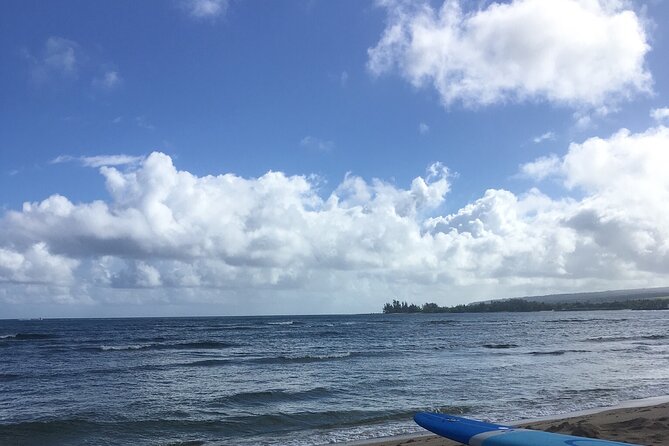
And yes, this happens on Oahu’s famous North Shore. That’s part of the draw: you’re not just learning surfing in some generic water. You’re learning it in the place people talk about.
Turning, Balance, and Timing: How You Progress During Two Hours
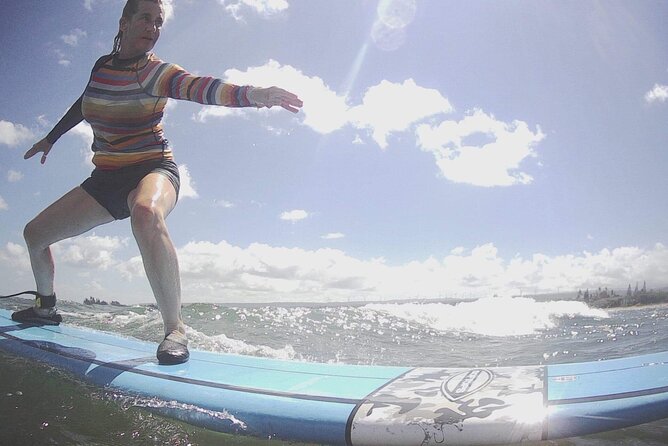
After your first successful ride, the lesson shifts into refinement. As your confidence grows, you practice balance, turning, and wave timing. The goal is to ride waves longer and with more control.
Here’s the key: the instructor doesn’t just tell you to try harder. They help you link the pieces.
- Balance becomes less about not falling and more about staying stable when the wave speed changes.
- Turning becomes a skill you can feel, not just something you copy from videos.
- Wave timing improves when you start reading how and when to commit.
For many people, the breakthrough is realizing that surfing is mostly timing and positioning. You’re not fighting the wave. You’re working with it.
Because the lesson is structured from basics to control, the end of your session doesn’t feel random. You’ll have spent time on what matters for your next attempt, whether that means standing cleaner, riding a touch farther, or turning with less hesitation.
Also, your instructor personally navigates the busy parts of the surf environment. One past client story notes that Connor helped them get onto fun waves while steering around crowded conditions. That’s not just helpful. It’s a core reason private lessons can feel so much more efficient than self-teaching.
You can also read our reviews of more tours and experiences in Oahu

Price and Value: What You’re Really Paying For
$150 per person for about two hours can sound either reasonable or steep depending on how you compare it.
Here’s what makes it feel like good value for the right traveler:
- Private instruction: you’re not sharing your coaching time with a bigger group.
- Gear included: surfboard, leash, fins, and rash guards are all part of the price.
- A full learning progression: warm-up, dry-land pop-up practice, safety briefing, then ocean practice aimed at first rides and better control.
What’s not included is transportation to and from the activity. So if you’re staying far from Haleiwa, factor in time and getting there.
Photos also aren’t included. Souvenir photos are available to purchase, but you should expect that to be an extra cost if you want them.
Bottom line: if you’re serious about learning faster, or you don’t want the guesswork of renting a board and hoping for the best, this is the kind of structured lesson that can pay off quickly.
Weather Reality on Oahu’s North Shore
Surf is weather-dependent. This lesson is scheduled rain or shine, unless conditions become too dangerous. That’s the honest deal.
A smart tip: treat your booking like an experiment, not a guarantee. One past note explains that a session was canceled when there were no waves, and the instructor kept the person informed by text and call the morning of. That kind of communication matters because it saves you the long day of waiting around hoping the ocean changes its mind.
If conditions cause cancellation due to poor weather, you’ll be offered a different date or a full refund. In other words, you’re not stuck paying for nothing if safety or surf conditions don’t cooperate.
Who This Surf Lesson Fits Best
This experience is aimed at people who want real coaching, not just time in the water. It’s also private, so it suits travelers who value attention and clear feedback.
It’s a good fit if:
- you’re a beginner or returning surfer who wants fundamentals drilled in the right order
- you want your lesson tailored to your experience, skill level, and goals
- you appreciate warm-up and technique practice before going out
You should also have a moderate physical fitness level. Surfing involves paddling, getting up, and holding balance while you shift your weight. The lesson is designed to teach you those steps, but it still asks your body to work.
Kids can go, but they must be accompanied by an adult. And service animals are allowed, which is helpful for travelers who need that support.
If you’re the type who likes clear structure and immediate coaching feedback, you’ll probably get a lot out of these two hours.
Should You Book Catch’a Wave Private Lessons?
I’d book this if you want the North Shore experience with training wheels made by a real instructor. The lesson flow is built for first success: safety and etiquette up front, pop-up practice on land, then coached rides on small waves with progress toward turning and control.
Skip it (or at least plan flexibly) if your schedule can’t handle weather-related changes. The North Shore can be dramatic, and waves don’t show up on command. Since conditions can lead to cancellation or rescheduling, you’ll sleep better if you book when you have a little buffer time in your Oahu trip.
FAQ
How long is the private surfing lesson?
The lesson is listed as about 2 hours.
Where do we meet for the lesson?
You’ll meet at Puaʻena Point Beach Park, Kahalewai Pl, Haleiwa, HI 96712, USA.
What’s included in the lesson price?
Included items are a professional surf instructor, surfboard, leash, fins, and rash guards.
Is transportation to and from the lesson included?
No. Transportation to and from attractions is not included.
Is the tour private or shared with other groups?
This is a private tour/activity. Only your group participates.
Do lessons run in bad weather?
Lessons run rain or shine unless conditions are too dangerous for surfing.
What is the cancellation policy?
Free cancellation is available up to 24 hours in advance for a full refund. If you cancel less than 24 hours before the start time, the amount paid is not refunded.
What fitness level is needed, and can children join?
The activity notes a moderate physical fitness level. Children must be accompanied by an adult.
Are service animals allowed?
Yes, service animals are allowed.