REVIEW · OAHU
Marine Ecology Snorkel from Electric Beach Oahu with Photos
Book on Viator →Operated by Makai Expeditions · Bookable on Viator
Oahu reefs get real when a biologist leads. This tour turns snorkeling into an in-water lesson on coral reef ecology with a marine biologist guide, and it keeps things small and personal so you can actually ask questions. I also love the complimentary photo package, because it takes pressure off your camera skills and lets you focus on the reef.
One thing to plan for: you’ll be in the ocean for about an hour, and if you’re prone to motion sickness or you’re unsure on open-water, talk to your doctor ahead of time and take precautions. The activity is rated for moderate physical fitness, so you should be comfortable getting in and out and swimming at a relaxed pace.
In This Review
- Key things to know before you go
- A Marine Biologist Turns Kahe Point Into a Classroom
- Price and what you’re actually paying for
- Meeting in Kapolei: easy start, short walk to the water
- The pre-snorkel briefing: how to get your bearings fast
- Kahe Point Beach Park: where reef life shows up
- The in-water hour: exploring habitats with real-time explanations
- Safety and comfort for nervous swimmers
- What you’ll learn: coral reef ecology in plain terms
- Equipment and the photo package: less hassle, better memories
- Who this tour fits best (and who might skip it)
- Booking timing: don’t wait too long
- The small-group edge: why “less than 5” matters
- How to make the most of your snorkel lesson
- Should you book the Marine Ecology Snorkel?
- FAQ
- How long is the Marine Ecology Snorkel tour?
- What’s the group size for this snorkeling experience?
- Is snorkeling equipment included?
- Are photos included?
- Where does the tour start?
- What marine life might you see?
- What if the weather is bad?
Key things to know before you go
- Semi-private group (max 5): guaranteed fewer people means more attention and calmer vibes.
- Marine biologist guide: you’re learning species, habitat connections, and reef ecology as you swim.
- Kahe Point Beach Park location: a classic Oahu spot for reef life and turtle odds.
- About 1 hour in the water: enough time to see multiple habitats without rushing.
- Photo package included: you get help capturing the moments you’ll want later.
A Marine Biologist Turns Kahe Point Into a Classroom
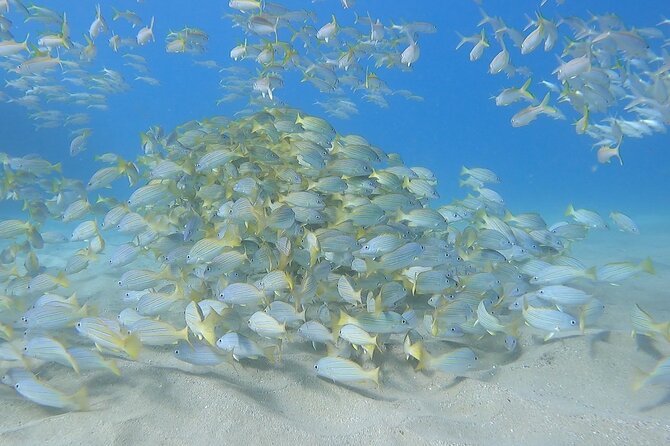
If your idea of snorkeling is mostly drifting and hoping for sea turtles, this tour changes the script. The guides run it like a marine ecology lesson, so you’re not just watching wildlife, you’re learning how the reef works and why each animal matters. That makes the whole experience feel more meaningful, even when you’re just floating and breathing.
What really helps is the marine biologist approach. Instead of generic facts, you get real-time explanations based on what you’re seeing. It’s the difference between spotting a turtle and understanding what that turtle is doing in the reef ecosystem.
And because the group stays small, the pacing stays human. You can ask questions during the briefing, and you’re not stuck waiting for the loudest person in the group to finish asking theirs.
You can also read our reviews of more photography tours in Oahu


Price and what you’re actually paying for
At $125 per person for about 2 hours, this isn’t a budget grab-and-go snorkeling trip. The value comes from three things that many tours don’t bundle together: marine biologist instruction, snorkeling equipment included, and the complimentary photo package.
You’re also paying for a setup that’s designed to keep you comfortable. The tour is built around a guided, safety-first swim, with less than 5 people, so you’re not getting split into a chaotic big-group system.
If you want a tour that’s mostly about scenery, there are cheaper options. If you want to understand the reef while you’re on it, this price starts to make sense.
Meeting in Kapolei: easy start, short walk to the water
You’ll meet at 92-301 Farrington Hwy, Kapolei, HI 96707, and the tour ends back at the same place. That simple “out and back” format is good on Oahu, where traffic and parking can eat time.
It also helps that the meeting point is described as near public transportation. If you’re using a rideshare or bus, you won’t be searching for the one remote spot that feels impossible without a car.
The pre-snorkel briefing: how to get your bearings fast
Before you get wet, you’ll do a short briefing about the snorkel site and the basics of Hawaiian reefs. This part matters more than most people expect. When you understand what you’re looking for, coral types, reef fish behavior, and how sea turtles use the habitat, you’re more likely to notice the details that make the reef feel alive.
You also get a chance to ask questions and share what you’re most interested in. That flexibility is a big deal in a small group. If your goal is sea turtles, you’ll likely get more targeted guidance on how to spot them and what their behavior usually looks like.
Kahe Point Beach Park: where reef life shows up
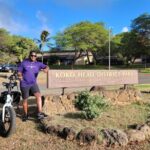
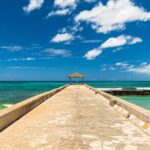
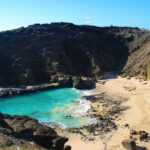
Your main water time centers on Kahe Point Beach Park. This is the kind of location where reef life can be close enough to learn about without a long, complicated travel day.
Even if you’re an experienced snorkeler, Kahe Point is where the “in-water classroom” concept clicks. The reef’s structure creates different micro-habitats, so you’re not just swimming through one bland stretch of water. You’ll move across habitats during your session and the guide will point out what each habitat supports.
The tradeoff? Because this is a beach-based reef stop, you still need to be comfortable with ocean conditions that day. The tour is weather-dependent, so if conditions aren’t good, the provider will adjust dates or refund.

The in-water hour: exploring habitats with real-time explanations
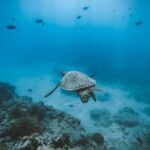
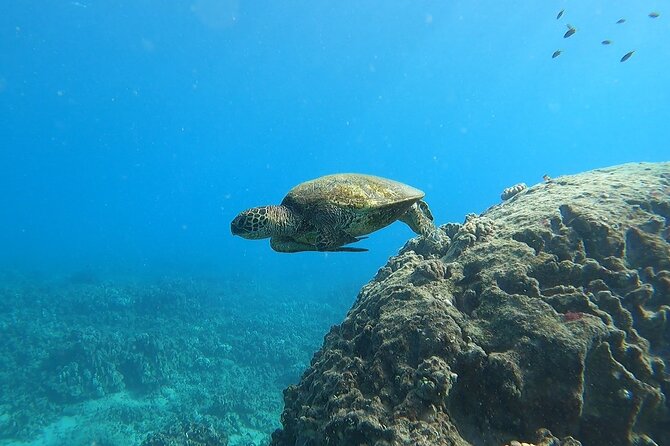
You’ll spend about 1 hour snorkeling with time to see reef fish, sea turtles, monk seals, eagle rays, and more. What I like about this setup is that the water time is long enough to settle in, but not so long that attention drops.
And because you’re learning while you swim, you notice more. You start connecting what you’re seeing to reef ecology, how food webs work, how animals relate to coral, and how the reef changes when different species show up.
This is also where the “each tour is unique” promise feels true. You aren’t following a script like a checklist of identical photo spots. The reef decides what it’s showing you that day, and the guide helps you interpret it on the fly.
Safety and comfort for nervous swimmers
I think the biggest practical win here is how the guides manage comfort. In particular, Randy is called out for making sure less strong swimmers felt safe and comfortable. That’s not a small thing. Snorkeling tours often assume everyone is equally confident in open water, but not everyone is.
Talia is another name you’ll hear connected to this experience. The guides include a marine biologist, and Talia is described as kind, enthusiastic, and extremely knowledgeable about marine life. If you’re bringing kids or you have teammates who are nervous at first, that kind of calm, supportive coaching matters.
If you’re someone who tends to get motion sickness, plan ahead. One traveler noted that a couple of people felt motion sickness and suggested medicine next time. You should treat that as a clue: if ocean movement bothers you, don’t ignore it, prepare before you’re already out there.
What you’ll learn: coral reef ecology in plain terms
The tour’s real “aha” is how it ties animal sightings back to reef ecology. You’ll cover topics like:
- coral reef ecology
- endemic species
- sea turtle ecology
You’ll also hear explanations about geology, geography, and the plant and animal life you’re seeing. Instead of memorizing a list, you get a map of how the pieces connect.
One review adds a meaningful layer: the tour felt respectful and acknowledged the land and Hawaiian uses and names for different species. That kind of context changes how you experience the reef. It’s not just wildlife for photos; it’s a living system with cultural meaning too.
Equipment and the photo package: less hassle, better memories
Snorkeling equipment is included, so you don’t need to rent gear or wonder if it fits right. That’s a small cost saver, but more importantly it keeps the day moving. You spend energy on the reef, not on straps and silicone masks.
Then there’s the complimentary photo package. The guide team takes photos during the tour, so you end up with images that actually capture what you noticed underwater. If you’re traveling with someone who’s camera-ready, you’ll still appreciate having extra photos that you can look at later without obsessing over your settings during the swim.
Who this tour fits best (and who might skip it)
This works best if you want snorkeling that feels educational and guided, not just recreational. If you care about sea turtles, monk seals, coral reefs, or you enjoy learning as you go, you’ll likely have a great time.
It’s also a strong choice for families when you have kids who are nervous. The guides are described as supportive and attentive, which helps the whole group relax.
You might think twice if:
- you want lots of time on the water beyond an hour
- you’re not comfortable with ocean conditions
- you’re highly sensitive to motion sickness and haven’t planned for it
- you prefer a simpler snorkel where the only goal is swimming and sightseeing
Booking timing: don’t wait too long
This tour is commonly booked about 22 days in advance, so it’s not something I’d treat like a last-minute whim. If you’re set on a specific travel window, book ahead.
You’ll also get a confirmation at booking, and the tour uses a mobile ticket. That’s convenient once you’re on the road and juggling beach days, car timing, and sunscreen.
The small-group edge: why “less than 5” matters
Small group size isn’t just a luxury detail. It changes the entire experience.
With fewer people, you tend to get:
- quicker safety checks
- more chances to ask questions
- a calmer pace in the water
- less waiting for the guide to address the whole group
And since the guide is teaching in real time, attention matters. A larger group can turn wildlife education into a lecture over noisy logistics. Here, the setup supports learning while you’re actually looking at the reef.
How to make the most of your snorkel lesson
You’ll get more out of it if you go in curious. Before you swim, think about what you want to understand: sea turtle behavior, how coral relates to fish, or why certain animals show up in particular reef areas.
If you’re bringing a camera, keep it simple. The included photo package means you can relax and pay attention to what the guide is pointing out, instead of trying to do everything at once.
And if you’re prone to nausea, treat it as part of trip planning, not an afterthought. Getting comfortable in the ocean is key to enjoying the lesson.
Should you book the Marine Ecology Snorkel?
Book it if you want reef snorkeling with context: coral reef ecology, sea turtle ecology, and marine life explained as you see it. The semi-private setup, the included equipment, and the complimentary photo package make it feel like a complete experience rather than just a ticket to get wet.
Skip it if you’re chasing a long, purely recreational swim and you’d rather not learn along the way. Also reconsider if ocean motion really disrupts you and you haven’t prepared for that reality.
FAQ
How long is the Marine Ecology Snorkel tour?
The tour runs for about 2 hours total, with about 1 hour spent snorkeling in the water.
What’s the group size for this snorkeling experience?
It’s a semi-private tour with a maximum of 5 travelers, guaranteed to have less than 5 people.
Is snorkeling equipment included?
Yes. Snorkeling equipment is included in the tour.
Are photos included?
Yes. You receive a complimentary photo package.
Where does the tour start?
The meeting point is 92-301 Farrington Hwy, Kapolei, HI 96707, USA. The tour ends back at the meeting point.
What marine life might you see?
The tour notes possible sightings of reef fish, sea turtles, monk seals, eagle rays, and more.
What if the weather is bad?
This experience requires good weather. If it’s canceled due to poor weather, you’ll be offered a different date or a full refund.