REVIEW · OAHU
Kona Coffee Tasting: A Farm to Cup Experience
Book on Viator →Operated by The Coffee Lab by Hala Tree Cafe · Bookable on Viator
Three Kona coffees. One smart hour.
This farm-to-cup Kona tasting at The Coffee LAB by Hala Tree Cafe makes the origin story feel practical, not precious, and you get a guided flight that shows how farming, fermentation, and roasting shape what hits your palate. I like the tight focus on real flavor differences between coffees grown on a family farm on the slopes of Mauna Loa, and I really like that the tasting isn’t just drink-and-go. One possible drawback: it’s short, so if you want heavy-duty brewing or a long sensory class, you may wish for more than the three-coffee flight.
You’ll meet at 51-666 Kamehameha Hwy, Kaaawa, and the experience is offered in English with a small group cap of 12. Plan on about an hour on your schedule, though the session can run closer to 35 minutes depending on the group and flow.
In This Review
- Key highlights you’ll feel right away
- Finding The Coffee LAB by Hala Tree Cafe in Kaaawa
- From Mauna Loa Slopes to Your Cup: Farm to Cup Basics
- Your Three-Coffee Flight of 100% Kona
- How to Taste Like They Teach: Smell, Sip, Breathe
- Fermentation, Drying, Roasting: What You Learn and Why It Matters
- Price, Time, Group Size: Is $10 Worth Your Hour?
- Should You Book This Kona Coffee Tasting?
- FAQ
- How long is the Kona coffee tasting?
- What’s included in the tasting?
- Where does the experience meet?
- How many people are in a group?
- What language is the tour offered in?
- Is the experience tied to good weather?
- How does cancellation work?
Key highlights you’ll feel right away
- A three-coffee flight of 100% Kona with guided comparisons
- Family-farm story from the slopes of Mauna Loa, from harvest to roasting
- Clear explanation of processing and fermentation choices and how they affect flavor
- Small groups (max 12) for questions and hands-on tasting guidance
- A simple tasting technique that helps you separate aroma, body, and finish
- Award-winning farm presentation paired with the coffee lesson
Finding The Coffee LAB by Hala Tree Cafe in Kaaawa
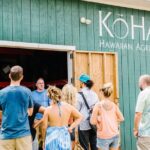
This is a straightforward stop on Oahu, not a complicated shuttle situation. You’ll start at The Coffee LAB by Hala Tree Cafe at 51-666 Kamehameha Hwy in Kaaawa, and the activity ends back at the same meeting point. That makes it easy to fit into a travel day without guessing how long you’ll be away.
I also like that it’s close to public transportation. You’re not stuck needing a car just to learn about Kona coffee. If you’re traveling with a service animal, the experience allows service animals, which is always a big plus for planning.
The whole setup is designed for small groups. With a maximum of 12 travelers, you get a more personal pace than the big production style tastings that feel like a conveyor belt.
You can also read our reviews of more food & drink experiences in Oahu

From Mauna Loa Slopes to Your Cup: Farm to Cup Basics
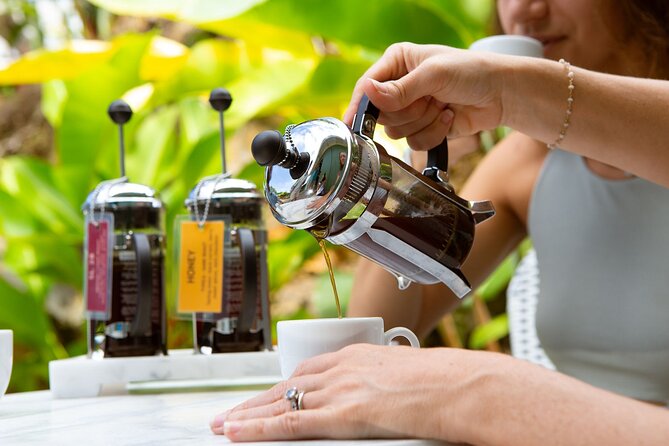
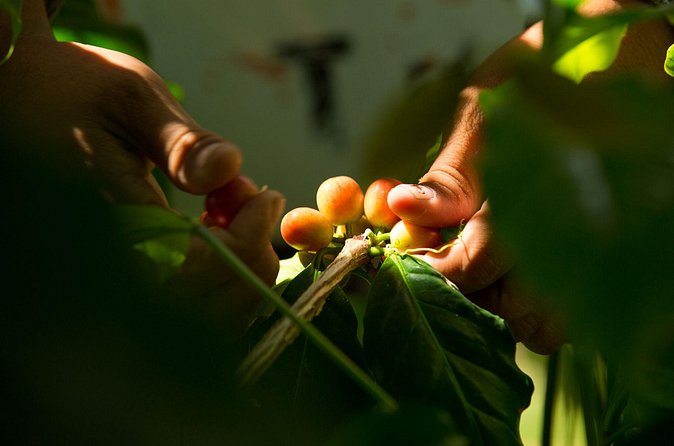
The heart of this experience is the link between what happens on the farm and what you taste in the cup. You’ll hear how the team grows, harvests, processes, and roasts their coffee, including details on drying techniques and traceability. The goal isn’t just to name steps. It’s to show why each choice shifts flavor.
A key part is the farm focus: the coffees come from a family-owned operation on the slopes of Mauna Loa. That matters because Kona can be confusing for people at first glance. You’ll learn how region, cultivation practices, and processing decisions combine to create what you think of as Kona character.
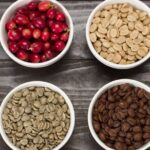
Expect conversation about fermentation and how different approaches can nudge taste notes. You also learn the basics of what roasting decisions do to the cup, including how “light roasted” can taste different from darker profiles. It’s the kind of background that makes your next coffee order make sense instead of feeling random.
Your Three-Coffee Flight of 100% Kona
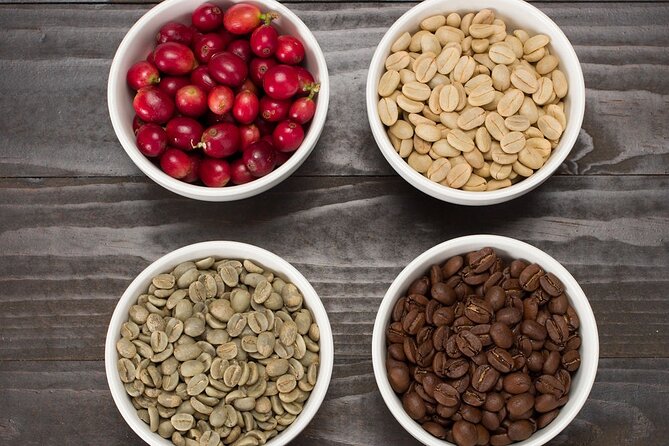
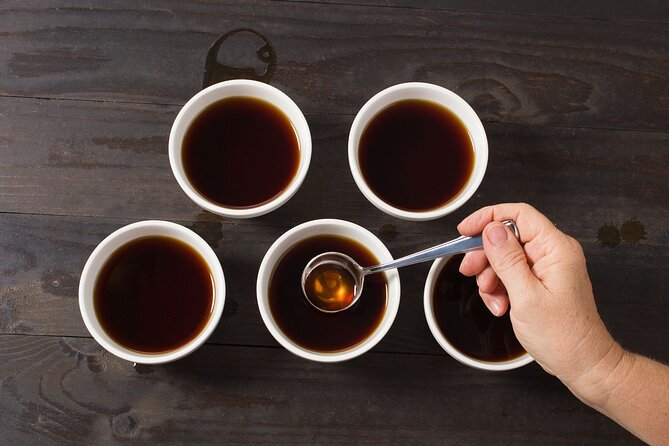
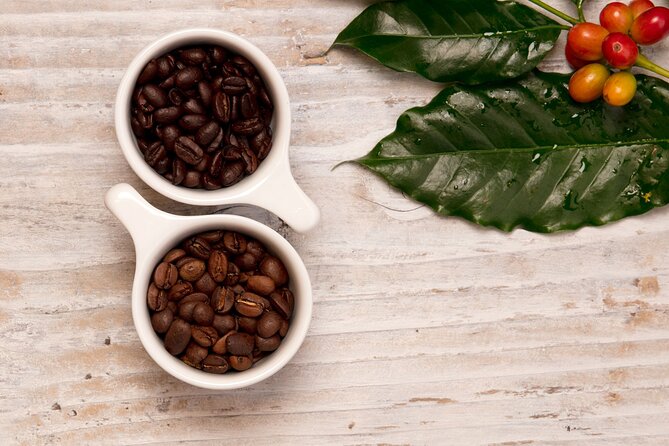
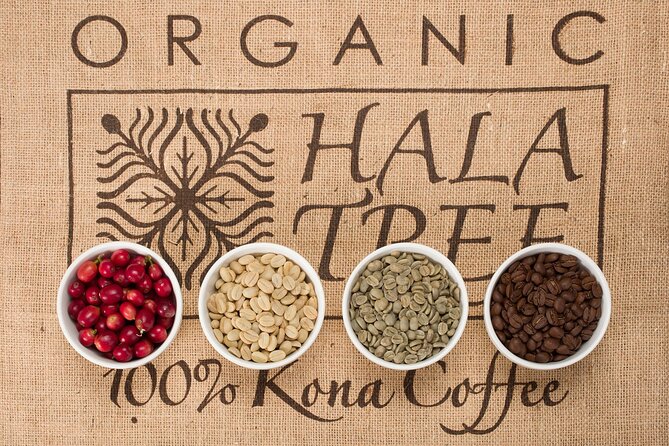
The tasting itself is built around a flight of three Kona coffees, all 100% Kona. You’ll sample each one and compare subtle differences in variety and processing methods. That’s a nice size for learning. It’s enough variety to notice change, but it doesn’t turn into a marathon where your palate gets tired and your brain gives up.
You’ll also get a guided explanation as you taste. They’re aiming to help both beginners and seasoned coffee people get more from what’s in the glass. One nice feature is that the presentation uses everyday sensory language rather than requiring you to already know coffee jargon.
From the way it’s described, the flight is paired with an “and here’s why” style lesson: cultivation affects raw flavor potential, fermentation and drying help shape what develops during processing, and roasting locks in the final balance you taste. In other words, you’re not just drinking. You’re learning a cause-and-effect chain.
And yes, it’s casual and fun in tone. You’re free to ask questions during the tasting rather than sitting through a lecture you can’t pause.
How to Taste Like They Teach: Smell, Sip, Breathe
One of the most praised parts is the practical tasting coaching. If you’ve ever wondered why two people taste the same coffee and describe it differently, this section helps you catch what’s going on.
Here’s the tasting method you can use during the flight:
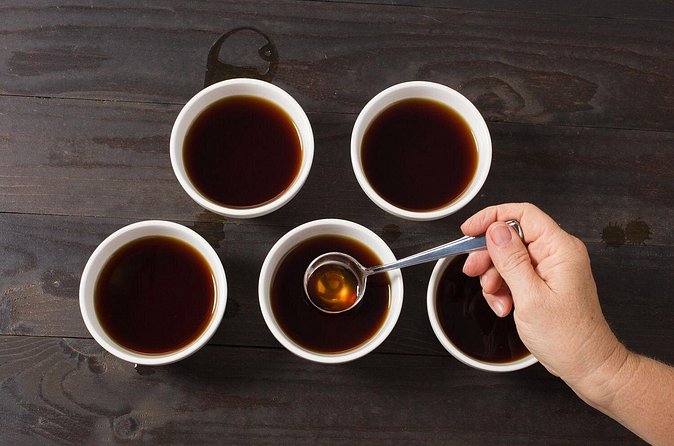
- Smell first with your mouth open, so the aromas can reach your taste system more effectively.
- Take a sip and let the liquid move across different parts of your mouth before swallowing, so you pick up more than one note.
- After you swallow, breathe through your nose. That last step is where a lot of aroma nuance shows up.
I love this approach because it doesn’t rely on fancy terms. It teaches you how to run your senses like a tool. And it’s useful beyond this tasting. The next time you’re comparing coffees at home or in a café, you’ll have a method that gives you more consistent results.
Also, don’t worry if you’re new. The whole format is meant to be accessible. You can learn how to taste properly without already having a background in coffee evaluation.
Fermentation, Drying, Roasting: What You Learn and Why It Matters
The lesson doesn’t treat fermentation like a mysterious buzzword. Instead, you’ll hear how fermentation and drying choices connect to what ends up in the cup. That includes discussion of innovative drying techniques and experimental fermentation methods used by the farm. The point is to show how small changes in processing can shift flavor outcomes.
Roasting gets attention too. You’ll learn the difference between roasted and light roasted in terms of taste and why those differences happen. That helps you translate what you see on a bag into what you might actually experience in a cup.
You’ll also learn about traceability, which sounds technical but pays off in real-world confidence. When you know how coffee was grown and processed, you’re less likely to be disappointed by a mismatch between expectations and the actual cup. It’s the difference between guessing and understanding.
One more thing: the experience feels designed to help you order better afterward. After the flight, you’ll have a framework for questions like:
- Is the coffee brighter because of processing choices?
- Does fermentation change the flavor shape or just the aroma?
- How will a roast level shift sweetness, acidity, and finish?
If you want coffee to feel less like a random hobby and more like a skill, this is the right kind of lesson.
You can also read our reviews of more tours and experiences in Oahu

Price, Time, Group Size: Is $10 Worth Your Hour?
Let’s talk money honestly. At $10 per person, this is priced like an easy add-on, not a big splurge. For that you get three Kona coffees plus a guided talk about cultivation, fermentation, drying, roasting, and traceability. That’s a lot of instruction for a small price tag.
Time-wise, the duration is listed at about one hour. In practice, sessions can land closer to 35 minutes depending on the pace for your group. Either way, it’s short enough that you can schedule it without wrecking your day.
Group size is capped at 12 travelers, and that matters for value. With fewer people, it’s easier to ask follow-up questions and get clearer explanations while you still remember what you just tasted.
Who is this best for?
- Coffee beginners who want to understand what they’re tasting without intimidating jargon
- Coffee enthusiasts who like hearing about processing choices and roast-level effects
- Anyone doing an Oahu coffee stop and wanting something more meaningful than just buying a bag
Who might want to look elsewhere?
If you’re the type who wants a long sensory class, brewing education, or roasting instruction, you may find this too short. The experience is a strong taste-and-learn introduction, not a multi-hour training course.
Should You Book This Kona Coffee Tasting?
Book it if you want a practical farm-to-cup lesson with real coffee comparisons at a low price. I think it’s especially worth it if you’ve ever struggled to describe coffee flavors, because the tasting technique gives you a way to notice aromas and finish more clearly.
Skip it or pair it with something else if you’re already deep into coffee education and you want more time with brewing methods, latte extraction, or deeper cupping formats. At $10, the goal isn’t to turn you into a professional barista. It’s to help you taste Kona with better instincts.
If your schedule is tight, this is also one of the easier learning activities to fit in. Meet in Kaaawa, taste three coffees, learn the farm story, and you’re back where you started.
FAQ
How long is the Kona coffee tasting?
It’s listed at about 1 hour. Some sessions can run around 35 minutes depending on the group pace.
What’s included in the tasting?
You’ll taste a flight of three 100% Kona coffees, grown on the family farm on the slopes of Mauna Loa, along with a guided presentation about the farm and processing.
Where does the experience meet?
The meeting point is The Coffee LAB by Hala Tree Cafe, 51-666 Kamehameha Hwy, Kaaawa, HI 96730, USA. The activity ends back at the meeting point.
How many people are in a group?
There’s a maximum of 12 travelers.
What language is the tour offered in?
The experience is offered in English.
Is the experience tied to good weather?
Yes. The experience requires good weather. If it’s canceled due to poor weather, you’ll be offered a different date or a full refund.
How does cancellation work?
Free cancellation is available up to 24 hours in advance for a full refund. If you cancel less than 24 hours before the start time, the amount you paid will not be refunded.