REVIEW · HONOLULU
Arizona Memorial & Historic Honolulu City Tour from Waikiki Area
Book on Viator →Operated by Pearl Harbor Oahu · Bookable on Viator
Pearl Harbor hits harder with the right plan. This tour is built around the USS Arizona Memorial experience, with round-trip Waikiki pickup and a small group (up to 15) so the day feels personal instead of rushed.
I really like that it combines the emotional Pearl Harbor visit with practical city time: downtown Honolulu narration, plus major cultural stops like Iolani Palace. One thing to keep in mind is that pickup can run early (up to 1.5 hours) because access depends on USS Arizona passes.
In This Review
- Key things that make this tour worth your time
- A 7:00 am Pearl Harbor day that still shows you Honolulu
- Morning pickup from Waikiki: early, but efficient
- Pearl Harbor Visitor Center: your context comes first
- The Navy boat ride: short views, long emotional payoff
- USS Arizona Memorial: wreckage, names, and the tears of the Arizona
- Timing note
- Downtown Honolulu narration: quick city grounding
- Punchbowl Cemetery: views from the extinct volcano crater
- Iolani Palace plus monarchy stories at Aliʻiōlani Hale
- Comfort, walking, and the Pearl Harbor bag rules
- Price and value: what $75.99 really covers
- Who should book this tour, and who might want to adjust plans
- My call: should you book the Arizona Memorial & Historic Honolulu City Tour?
- FAQ
- How long is the tour?
- Does this tour include pickup and drop-off from Waikiki?
- Is the USS Arizona Memorial ticket included?
- Are meals included?
- Are bags allowed inside Pearl Harbor?
- What if the sites close due to weather?
Key things that make this tour worth your time

- Small-group pacing (max 15 travelers) that keeps the day from feeling like cattle lines
- USS Arizona ticket included, plus time at the Visitor Center before you head to the memorial
- A calm Navy boat ride for harbor views before the solemn memorial visit
- Punchbowl Crater (National Memorial Cemetery) viewpoints over Honolulu and the coast
- Monarchy-focused stops at Iolani Palace and stories tied to Aliʻiōlani Hale
- Clear rules upfront (no bags inside, respectful silence at the memorial) that help you plan fast
A 7:00 am Pearl Harbor day that still shows you Honolulu
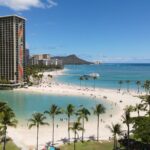
If your Hawaii trip is short, you need a day that does two jobs at once: you want Pearl Harbor to land the way it should, and you don’t want to burn the rest of your morning staring at traffic. This tour starts at 7:00 am from Waikiki and builds in the major landmarks people actually come to see.
The big win is that the day is structured around the USS Arizona Memorial visit. You don’t just get dropped off. You start at the Pearl Harbor Historic Sites Visitor Center, watch a short documentary, then take a U.S. Navy-operated boat across the harbor. That sequence matters because it gives context before you reach the memorial.
The second win is that you still get meaningful Honolulu stops afterward, downtown sights, Punchbowl, and Iolani Palace, with narration throughout. You’re not shopping your way through the island; you’re learning where the island’s story changed.
You can also read our reviews of more city tours in Honolulu

Morning pickup from Waikiki: early, but efficient
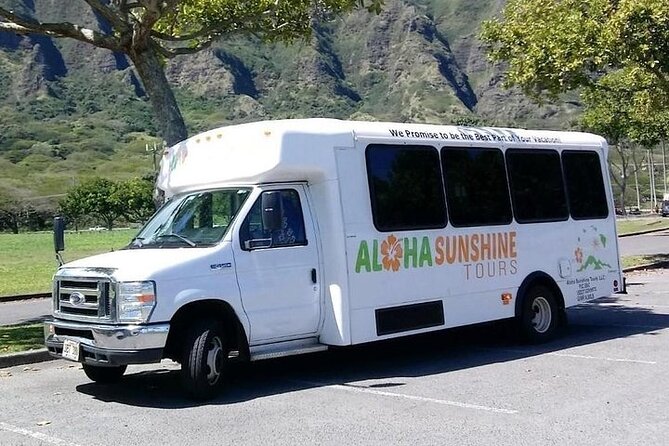
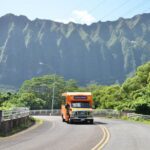
You’ll be picked up from most major hotels in Waikiki in an air-conditioned vehicle. Start time is 7:00 am, but the company notes pickup and drop-off can shift if USS Arizona passes are timed differently, and pickup may extend up to 1.5 hours before the listed tour time.
That early start can feel jarring, but it’s also part of the value. When Pearl Harbor access depends on timed passes, arriving right on schedule helps you maximize your time inside the Visitor Center and at the memorial. It also helps you avoid that stressful scramble where everyone’s hunting for the right bus.
If you like plans that are firm and organized, you’ll appreciate the setup. If you hate early mornings and hate uncertainty, you may feel it a bit.
Pearl Harbor Visitor Center: your context comes first
The first stop is the Pearl Harbor Historic Sites Visitor Center. This is where you get historical context for December 7, 1941, before you step into the memorial area. You’ll be able to explore exhibits at your own pace, which is helpful because people absorb information differently, some want to read everything, some want the highlights first.
Then you’ll watch a 23-minute documentary film that gives an overview of the attack, its impact, and the significance of the USS Arizona Memorial. That film isn’t just background. It acts like a mental setup, so when the memorial visit begins, you understand what you’re looking at and why it’s preserved the way it is.
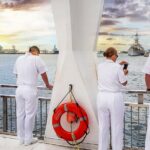
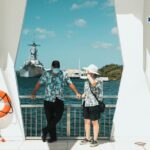
After the exhibits and film, you board a U.S. Navy-operated boat for a short harbor crossing. The description notes the ride is about 10 minutes and tends to be calm, with views of surrounding military installations. It’s one of the few moments on the day that feels open-air and scenic, then the memorial itself brings everything back to quiet reflection.
The Navy boat ride: short views, long emotional payoff
There’s a practical reason that boat ride works so well. It gives you a buffer between the exhibit world and the memorial world. You’re moving, you’re seeing the harbor from a new angle, and you’re not rushing from room to room.
Even in a short window, the ride offers views of the harbor and nearby installations. If you’re the type of traveler who likes understanding the geography, where things sit, how close everything really is, this is a good moment. It helps you picture the scale of the moment.
From a logistics standpoint, having transportation handled for this specific segment reduces friction. Pearl Harbor is not a place where you want to be figuring things out while everyone else is lining up. The tour handles that, and the time at the Visitor Center is built in right before the memorial visit.
USS Arizona Memorial: wreckage, names, and the tears of the Arizona

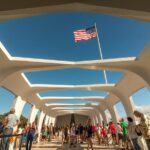
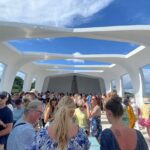
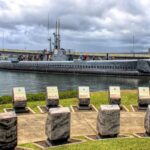
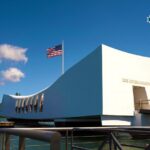
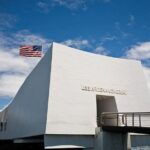
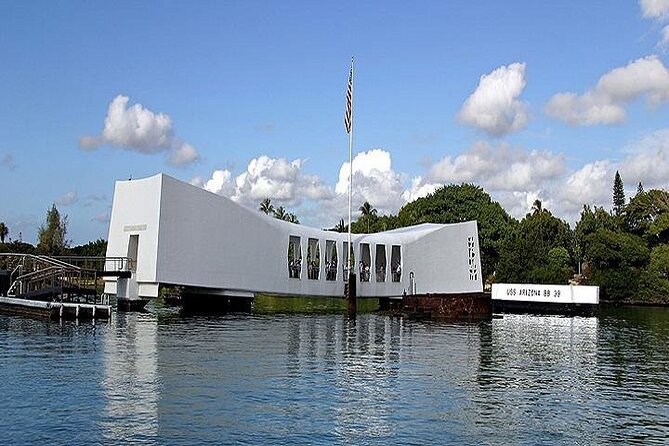
The USS Arizona Memorial is an open-air white structure spanning the remains of the sunken battleship. It’s designed for reflection, and the atmosphere is intentionally quiet. That matters, because this isn’t a theme-park stop. The tour’s guidance emphasizes respectful silence while you’re on the memorial, and I’d treat that as part of the experience, not an extra rule.
Inside, you can look down into the water to see parts of the wreckage. The ship’s outline is visible below the surface, and oil droplets, called The Tears of the Arizona, often rise to the surface. It’s a haunting detail, but it’s also one of the reasons people say the visit lingers long after you leave.
At the far end is the Remembrance Wall, inscribed with the names of 1,177 crew members lost aboard the USS Arizona. This is where the meaning gets human. You’re not only learning a military event, you’re meeting the people the site remembers.
You can also read our reviews of more historical tours in Honolulu




Timing note
The memorial segment includes time at the memorial itself (described as about 1 hour 30 minutes total with admission included). That’s enough time to see the wreckage viewpoints and to take in the wall without feeling like you’re sprinting.
Downtown Honolulu narration: quick city grounding
After Pearl Harbor, you’ll move to downtown Honolulu for about 45 minutes. This portion is narrated by your guide and designed to give you a sense of where Hawaii’s culture and politics meet everyday city life.
This stop is more about orientation than deep museum time. You’ll get stories and context that help the later stops, especially the monarchy-related ones, make more sense. Even if you’ve walked around Waikiki before, downtown feels different. It’s where you can start connecting the dots between the royal era, Hawaii’s changing governance, and modern Honolulu.
If you prefer long walks and long stops, you might wish downtown time was longer. But if you want a full day that doesn’t collapse into “sit on a bus,” this amount of time works.
Punchbowl Cemetery: views from the extinct volcano crater
Next up is the National Memorial Cemetery of the Pacific, located on Punchbowl, an extinct volcanic crater. The grounds are carefully maintained, with rows of white headstones set against lush greenery. You’ll also appreciate the design choice here: this cemetery is not random flat land. It’s a place shaped by the island’s geography.
The crater location creates strong viewpoints. The description notes you can see downtown Honolulu, Diamond Head, and the coastline from this higher ground. Those views are stunning, but also a bit sobering. You’re looking at a city and coast that’s very much alive while standing in a space meant for remembrance.
This stop is a good moment to slow down. It balances the intensity of Pearl Harbor with a different kind of reflection, honoring thousands of U.S. military members who rest here.
Iolani Palace plus monarchy stories at Aliʻiōlani Hale
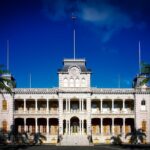
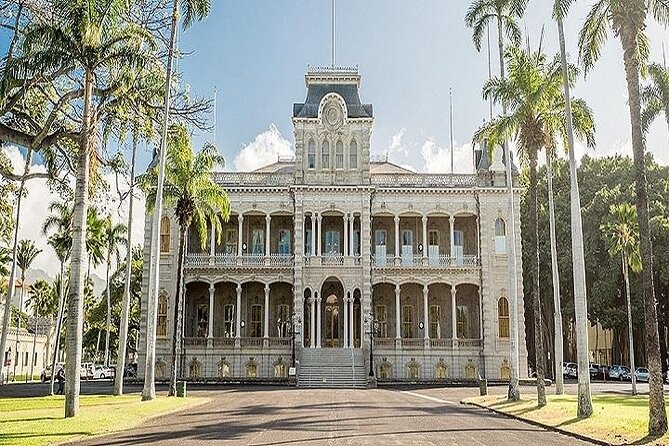
The tour includes a stop at Iolani Palace, described as the only royal palace in the United States. You’ll learn about Hawaii’s monarchy and hear stories tied to King Kalākaua and Queen Liliʻuokalani, the last reigning monarchs. Admission is listed as free for this stop.
Even if you’re not a “royal history” person, Iolani Palace helps you understand why Hawaii’s monarchy mattered culturally and politically. It’s not just a building. It’s a symbol of authority, identity, and change.
From there, you’ll see the King Kamehameha Statue in front of Aliʻiōlani Hale, which is the historic building that now houses the Hawaii State Supreme Court. Your guide will talk story about the original government building of the Hawaiian Kingdom, which is the kind of connection that makes the day feel more coherent.
You’ll also learn about Kawaiahaʻo Church, often referred to as the Westminster Abbey of the Pacific. The tour description highlights its importance as one of the oldest Christian worship places in Hawaii, with context about its role in Hawaii’s religious history. The key benefit: you’re not just photographing landmarks, you’re understanding why they matter.
Comfort, walking, and the Pearl Harbor bag rules
This is a “wear comfortable shoes” kind of tour. You’ll be walking for much of the day, and the notes specify it’s not recommended for travelers who can’t walk about 4 city blocks. Good footwear matters here because you’ll be moving from Visitor Center areas to the memorial and then later through cemetery and palace grounds.
Pearl Harbor has strict rules about bags: purses and bags are not allowed inside. Instead, bags may be stored for $7.00 each. Clear plastic bags are allowed (the guide compares them to those used at sports events, where contents are visible). Food and water that are not concealed in a package are allowed, but meals are still at your own expense.
A few more practical notes from the tour rules:
- No smoking on the Visitor Center grounds or at the memorial
- No swimwear allowed
- Service animals are allowed
- Sites can close due to stormy weather
This matters because weather in Oʻahu can shift quickly. If you’re planning a trip where you hate surprises, consider keeping the rest of your itinerary flexible on this day.
Price and value: what $75.99 really covers
At $75.99 per person, this tour is priced like a “do it all in one day” package: transport, the timed Pearl Harbor ticket, and guided city time. The tour includes air-conditioned vehicle plus Waikiki pickup and drop-off, and it specifically includes the USS Arizona Memorial ticket.
That’s the value anchor. Pearl Harbor access isn’t vague. It’s tied to entry timing, and the memorial visit is the main event. If you were trying to piece this together on your own, you’d still be spending time managing transportation and timed entry. Here, you’re paying for that coordination and for the narration that connects the dots between stops.
What you’ll need to budget for:
- Meals (not included)
- Any bag storage fees at Pearl Harbor (if you bring a bag that needs storing)
- Anything you choose to buy during sightseeing
I think this price makes sense if you want both Pearl Harbor and Honolulu highlights in a single morning-to-afternoon stretch, especially with a small group cap of 15 travelers.
Who should book this tour, and who might want to adjust plans
This tour fits well if you:
- Want a structured Pearl Harbor experience with context before the memorial
- Appreciate a smaller group feel (max 15) instead of a huge bus crowd
- Want Honolulu’s most important sites in one go: downtown context, Punchbowl, and Iolani Palace
- Prefer guided narration while still having time at key places
It may not be the best match if you:
- Need lots of free time at each site (the day is designed to cover multiple major stops)
- Don’t do well with walking on uneven grounds, especially at cemetery and palace areas
- Hate early mornings or dislike the possibility of pickup changes due to memorial pass timing
My call: should you book the Arizona Memorial & Historic Honolulu City Tour?
If you’re booking a first-time Honolulu trip and want one day that feels meaningful and efficient, I’d book this. It treats the USS Arizona Memorial with the respect it deserves (and backs that up with the Visitor Center context and the silence guidance), then it gives you the monarchy-era and viewpoint stops that make Honolulu more than just beach time.
The main reason to pause is the day’s pace and logistics: early pickup can shift, and Pearl Harbor bag rules can cost you money if you arrive with more than you need. If you travel light, wear good shoes, and show up ready to be quiet and present for the memorial, this tour is a strong value.
FAQ
How long is the tour?
The tour is listed as about 6 hours.
Does this tour include pickup and drop-off from Waikiki?
Yes. Pickup and drop-off service in the Waikiki area is included, and they pick up from most major hotels in Waikiki.
Is the USS Arizona Memorial ticket included?
Yes. The USS Arizona Memorial ticket is included.
Are meals included?
No. Meals are at your own expense.
Are bags allowed inside Pearl Harbor?
No. Purses and bags are not allowed inside Pearl Harbor. Bags may be stored for $7.00 each. Clear plastic bags are allowed, with visible contents.
What if the sites close due to weather?
The tour notes that sites are subject to close due to stormy weather.