REVIEW · OAHU
1.5-Hour Guided Whale Watching Tour
Book on Viator →Operated by Ocean Outfitters Hawaii · Bookable on Viator
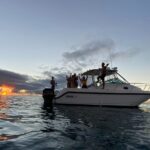
Fast boats meet real marine life out here. This 1.5-hour guided whale watching trip off Oʻahu’s North Shore is built for action: an 18-seat Zodiac-style vessel heads quickly toward wildlife hotspots, with an English-speaking crew to help you spot what matters.
I liked that setup a lot, especially because the ride is intimate and you’re not packed in. You start at Hale‘iwa Boat Harbor, and the experience is designed to keep your eyes on the ocean instead of watching a long line of empty water.
What I love most is the momentum. You’re not stuck waiting around while whales could be surfacing nearby, because the fast boat gets you to promising areas quickly. I also appreciated the tone on board under Kevin, the owner/operator, which feels focused but not chatty, so it’s easy to scan for spouts, fins, and feeding activity.
One thing to consider: the ocean can be rough. Several riders mention choppy water, getting wet, and needing motion sickness help, and whale sightings can vary (especially outside peak timing), so go in expecting an exciting marine outing, not a guaranteed whale show, though the odds can be good.
In This Review
- Key things that make this whale tour work
- Why this small 18-seat setup changes your odds
- Hale‘iwa Boat Harbor to the sling-step boat: logistics that affect comfort
- Waimea Bay: reddish water, winter swells, and why this stop matters
- North Shore surf zones: where the wildlife search meets the pro-serf pilgrimage
- What you can actually see: whales are the headline, but the extras are real
- The guide experience: what Kevin and the crew do well on the water
- Motion sickness, wind, and getting wet: bring the right gear
- Price and value: is $99 worth it for a 1.5-hour hunt?
- Best for families, solo travelers, and anyone who likes action
- Should you book this North Shore whale watch?
- FAQ
- How long is the whale watching tour?
- Where do you meet for the tour?
- How many people are on board?
- What language is the tour offered in?
- Do I get a mobile ticket?
- Is good weather required?
- What animals might I see?
- What if I cancel last minute?
- Where are the main stops during the tour?
Key things that make this whale tour work
- 18 passengers max keeps it feel close and helps you actually see the water
- Fast Zodiac-style boat helps you reach wildlife hotspots quickly
- Stops at Waimea Bay and the North Shore surf zone place you where marine life tends to show up
- Crew guidance from Kevin and the team helps you read behavior without nonstop talking
- Lots of bonus marine life is common, including dolphins, sharks, and sea turtles
- Ride safety matters with helpful assistance up and down sling steps
Why this small 18-seat setup changes your odds
On Oʻahu, the North Shore can feel like a giant ocean waiting game. This tour cuts the waiting by running an 18-passenger max, which is not just a comfort perk. It also means the guide can manage spacing, people can see without constantly moving, and everyone has a clearer view when wildlife appears suddenly.
The other big advantage is the type of boat. Riders describe it as Zodiac-style, and that matters because it’s built for speed and maneuvering. When whales or schools of fish are active, the crew can reposition fast. You’ll feel the difference between being dragged along at the pace of a slow boat versus being able to chase the moment.
If you’re the kind of traveler who hates “maybe someday” tourism, this format fits. You’re paying for an active search, and the small headcount helps keep the experience from turning into a crowded scramble.
You can also read our reviews of more guided tours in Oahu

Hale‘iwa Boat Harbor to the sling-step boat: logistics that affect comfort
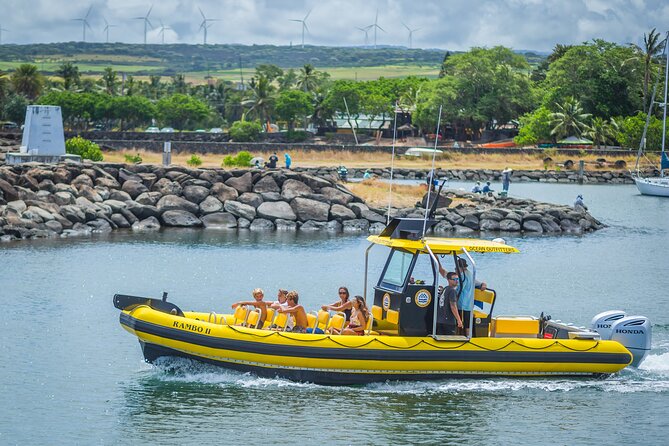
The tour starts and ends at Hale‘iwa Boat Harbor, and the whole thing is about keeping it simple: you meet, you head out, and you’re back at the same point. That round-trip setup is helpful if you have other plans nearby.
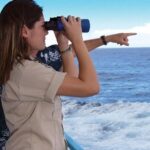
Once you’re on board, expect a quick-moving ride. Reviews mention people taking turns getting up on the top area near the Captain’s Chairs, which is a fun way to gain height and spot spouts earlier. You should also know the boat uses sling steps, not a gentle ramp. The good news is multiple reviews say the staff is safe and helpful getting you up and down.
Comfort is a mixed bag depending on your body and your tolerance for ocean motion. One review specifically warns it’s not recommended for anyone with back issues, and another points out the ride can be extremely rough and wet. If you’re sensitive to motion, plan for that from the start.
Waimea Bay: reddish water, winter swells, and why this stop matters
Stop one is Waimea Bay, in Haleiwa on the North Shore, at the mouth of the Waimea River. Even if you only catch part of the bay, the setting is useful: Waimea Valley and the bay sit right in the zone where seasonal winter conditions can crank up the action.
Waimea even gets its name from Hawaiian meaning reddish water. That may sound like trivia, but it’s a good reminder that this isn’t just any coastline. It’s a working ocean system where currents and seasonal swell patterns can change what shows up near the surface.
The winter months are where the North Shore’s famous waves begin in this area. For you, that means the crew has a strong reason to start here when swell and marine activity are more likely to line up. When the ocean is churning, prey can move, birds can ride the action, and larger animals can follow.
A drawback: the time at each stop is short, so you’ll want to stay ready. Expect to be scanning constantly, not settling into a long scenic viewing session.
North Shore surf zones: where the wildlife search meets the pro-serf pilgrimage
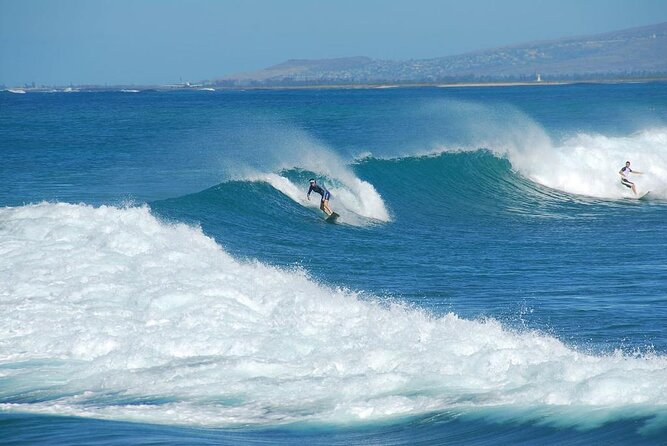
Stop two is the wider North Shore area, tied to the world of big surf. This is the region people point to for places like Sunset Beach and the Banzai Pipeline, and it often becomes a wildlife hotspot when conditions line up.
The tour’s structure makes sense here. When the National Weather Service issues high surf warnings, the ocean environment tends to shift. You’ll get more moving water, changing fish behavior, and more opportunities for predators to show up.
In practice, what this means for you is that the crew isn’t just guessing based on emotion. They’re working with real local patterns: swell, wind, and surface activity. A couple reviews also mention bird sightings such as blue-footed boobies, which is a nice extra when you’re already watching the sky for motion.
One more reality check: some riders report driving past certain points and not reaching what they expected to be “coves.” That doesn’t mean the tour is wrong, but it does mean you should think of this as an active search in open water rather than a sightseeing crawl into sheltered coves.
What you can actually see: whales are the headline, but the extras are real
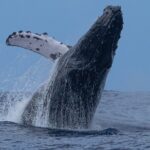
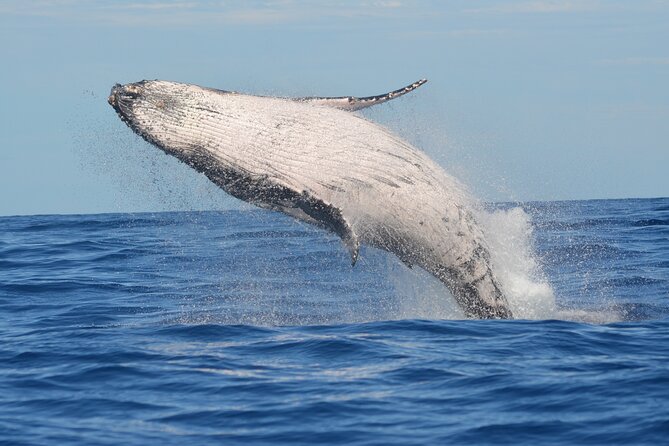
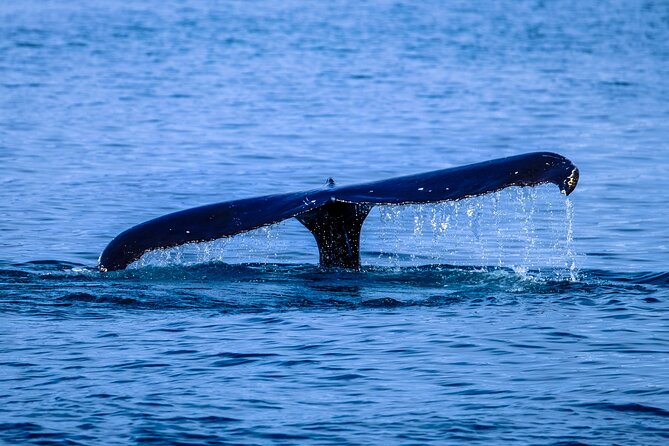
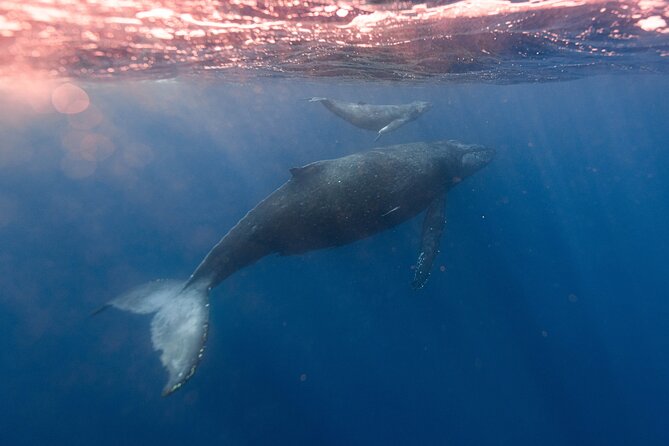
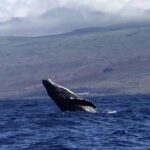
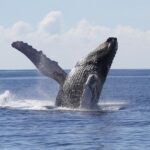
The headline is whale watching, and many people do get them. Reviews include multiple humpback whale sightings, and at least one mention of guides spotting two humpbacks from a distance in a pre-season period. That’s an important reminder: whales can be shy, far out, or visible mostly as a spout rather than a full show.
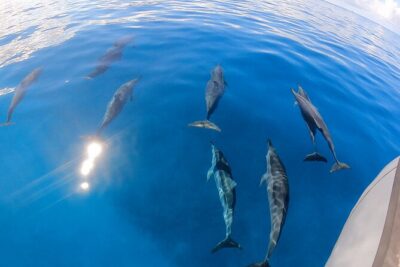
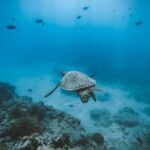
But the best part, based on the reviews, is how often you get other marine life too. Dolphins show up for many groups, sometimes with energetic behavior that makes the ride feel alive. Sea turtles are also mentioned, and sharks show up often enough that it feels like more than a random bonus.
There are specific shark details in the feedback: riders mention Galapagos sharks being seen. That’s a big deal for your expectations, because it suggests the crew isn’t only hunting whales. They’re reading the water broadly, and the route seems designed to put you near multiple types of wildlife.
Still, you should plan for variability. One review group saw only limited wildlife, and another mentions sharks and birds as the primary sightings. That happens in ocean tours. What you can control is how you prepare and whether you’re okay with a search-first format.
You can also read our reviews of more whale watching tours in Oahu

The guide experience: what Kevin and the crew do well on the water
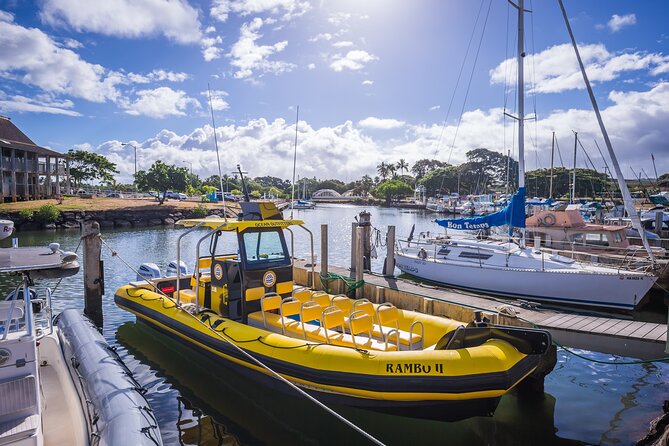
The strongest recurring theme is that the crew mixes experience with restraint. People say the staff is knowledgeable without turning into a constant lecture, which I think is the right balance. When you’re on a fast boat, your attention needs to stay on the surface. If the guide talks over that, you miss the show.
Kevin comes up in reviews as the owner/operator, and the consistent impression is that this is local experience built over years. You can feel it in the way the trip is run: people mention safety and helpful assistance on and off the boat, plus a vibe that stays calm even if the ocean is choppy.
You’ll also get “how to look” help. The guidance is described as helping everyone see marine life and understand behavior patterns. Even without a specific lecture topic listed, that kind of coaching often means the crew points out what to watch for, spouts timing, surface breaks, feeding indicators, and where the water can look “quiet” while animals are nearby.
If you’re traveling with kids or you just don’t want a stiff, formal tour, this style can work well. Several families mention enjoying the ride and the interactions, and the overall tone seems friendly and organized.
Motion sickness, wind, and getting wet: bring the right gear
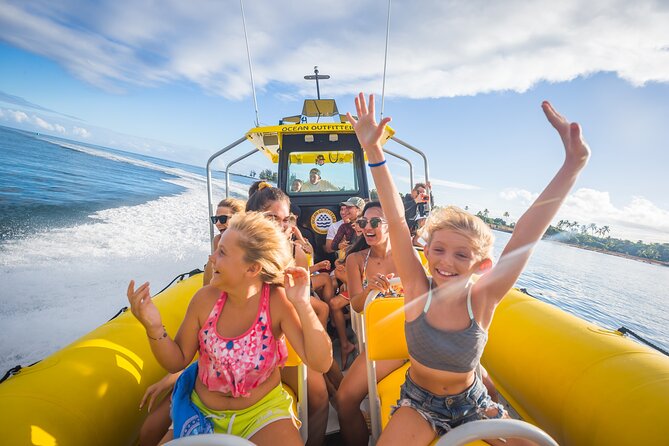
This is the practical part that can make or break your day. Even though the boat is exciting, multiple reviews say the ride can be very rough, and some people got pretty wet. Another review says you can do well with motion sickness tablets, especially when the boat is still.
So I’d treat this as a wind-and-spray outing and pack accordingly:
- A light jacket for wind and spray, especially if skies are cloudy
- Sunscreen and a hat that won’t fly away in the gusts
- A bottle of water
- Motion sickness medicine if you’re even slightly prone to it
You’ll also be better off if you wear clothes that can handle getting damp. You’re on the ocean, not in a dry sightseeing bubble, and the boat’s movement can splash up quickly.
And one more tip from the comfort side: because this is an active ride with sling steps, think about footwear with solid grip and keep an eye on your footing if you plan to move around up top.
Price and value: is $99 worth it for a 1.5-hour hunt?
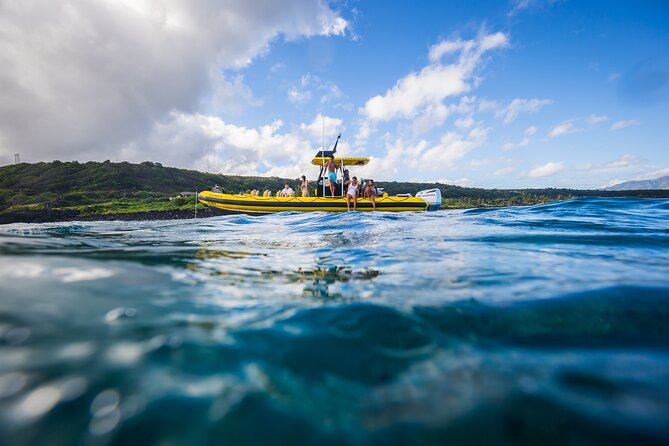
At $99 per person for about 1 hour 30 minutes, this isn’t the cheapest activity in Haleiwa. But it’s also not priced like a long-day cruise with a lot of overhead.
The value comes from three things:
- Small group size (max 18) means you’re paying for visibility and a manageable boat experience.
- A fast vessel reduces the idle time that kills wildlife odds on ocean tours.
- The trip is positioned for North Shore viewing, where whales and other marine animals are part of the season’s pattern.
Also, this tour is often booked in advance. If it’s averaging around 27 days out, that’s a hint the demand is real. In high-demand activities, the biggest value isn’t just the price, it’s getting a spot on a boat setup that’s designed to search rather than drift.
If you hate uncertainty, I’d still book with the right mindset: you’re buying the hunt, not a guaranteed whale performance.
Best for families, solo travelers, and anyone who likes action
This tour seems to work across ages. Many reviews call it fun for adults and families, and the safety culture is often praised. That means it can be a good choice if you want something memorable without needing special skills.
It also suits solo travelers, since the boat size keeps it social but not chaotic. And couples seem to enjoy it as an adrenaline-friendly activity that also has real wildlife potential.
Where you might reconsider: if you have back issues or you’re very sensitive to rough seas, read the comfort notes seriously. Some riders explicitly said it’s not recommended for anyone with back issues, and others described the ride as roller-coaster rough and wet.
Should you book this North Shore whale watch?
If your top goal is a high-energy marine search off Oʻahu’s North Shore, this is a strong pick. The best reason to book is the combination of an 18-seat boat, fast repositioning, and crew behavior that keeps the focus on seeing wildlife rather than filling time with talk.
I’d book it if you:
- Want a short tour with big “on-water time” and scanning opportunities
- Can handle wind, spray, and some motion
- Are open to seeing whales plus bonus animals like dolphins, turtles, and sharks
I’d think twice if you:
- Need a very smooth ride
- Have mobility or back limitations that make steps and motion hard
- Will be disappointed if whale sightings are limited on the day you go
Bottom line: if you’re ready for an active North Shore ocean outing, Ocean Outfitters Hawaii’s whale watch is built for exactly that. Pack for spray, take motion support if you need it, and keep your eyes on the surface, you’ll be doing the right thing for the kind of day this tour is designed to deliver.
FAQ
How long is the whale watching tour?
It runs about 1 hour 30 minutes (approx.).
Where do you meet for the tour?
You start at Hale‘iwa Boat Harbor, Haleiwa, HI 96712, USA, and the tour ends back at the same meeting point.
How many people are on board?
The maximum group size is 18 travelers.
What language is the tour offered in?
The tour is offered in English.
Do I get a mobile ticket?
Yes, the tour includes a mobile ticket.
Is good weather required?
Yes. This experience requires good weather, and if it’s canceled due to poor weather you’ll be offered a different date or a full refund.
What animals might I see?
The tour is aimed at marine wildlife off the North Shore. Based on the trip experiences shared, people commonly mention whales, dolphins, sea turtles, and sharks.
What if I cancel last minute?
If you cancel up to 24 hours in advance, you get a full refund. If you cancel less than 24 hours before the start time, the amount paid is not refunded.
Where are the main stops during the tour?
The tour includes a stop at Waimea Bay and another stop along the North Shore area.