REVIEW · HONOLULU
Rock-A-Hula Ticket
Book on Viator →Operated by Star of Honolulu Cruises and Events · Bookable on Viator
A quick stage show beats a late-night scramble. Rock-a-Hula turns Waikiki’s Royal Hawaiian Center into a time capsule, covering how Hawaiian music and dance evolved from the 1920s to today in about an hour or three. The result is fast, bright, and built for all ages.
I especially like the 750-seat Royal Hawaiian Theater setup. Reviews note there really aren’t bad seats, plus the space feels comfortable for settling in for a show that moves at full speed. I also love that the production isn’t just dance on a stage it is paired with a live band, plus meet-and-greet time with the cast.
One thing to think about: parts of the show lean toward rock and pop, including Elvis and Michael Jackson segments. If you want only traditional Hawaiian music and hula, the mix might feel less focused than you hoped.
In This Review
- Key things to know before you go
- Rock-a-Hula at Royal Hawaiian Theater: A Waikiki evening with real production value
- How the Hawaiian Journey plays out from the 1920s to today
- The performance mix: hula, a live band, and the fire knife dance moments
- Elvis and Michael Jackson segments: fun for some, a mismatch for others
- Seating at the Royal Hawaiian Theater and what included really means
- VIP upgrades and the meal question: what to expect when you add extras
- Timing, weather prep, and getting the most out of a 7:15 pm show
- Price and value: is $99 per person a good deal?
- Who should book Rock-a-Hula, and who might want a different style of show
- Should you book Rock-a-Hula in Honolulu?
- FAQ
- What time does the Rock-a-Hula show start?
- How long is the Rock-a-Hula experience?
- How much are Rock-a-Hula tickets?
- What’s included with the general seating admission ticket?
- Is there a VIP upgrade available?
- Does the ticket include a buffet or dinner?
- Does Rock-a-Hula run in bad weather?
- Do I need a physical ticket?
- Is there a limit on group size?
- Are service animals allowed?
- Is free cancellation available?
Key things to know before you go
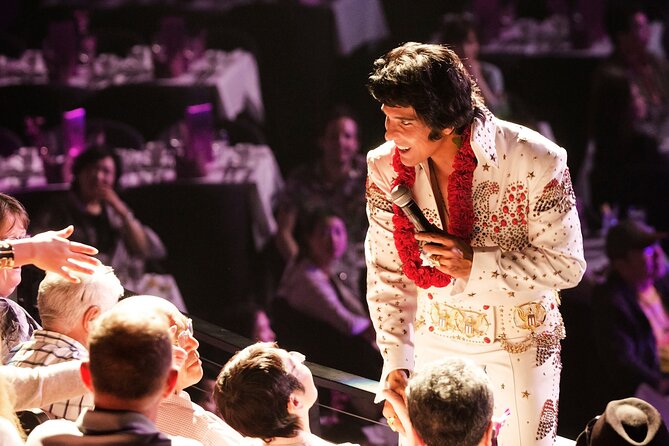
- Royal Hawaiian Theater comfort: 750 seats, generally good sightlines, soft and spacious seating
- Live-band production: performers work with live music rather than backing tracks
- Hawaiian Journey storyline: music and dance evolution from the 1920s to present-day styles
- Big energy moments: fire knife dance and other high-skill fire acts
- Meet & greet included: cast meet-and-greet is part of the standard ticket
- Small group limit: maximum of 10 travelers per booking
Rock-a-Hula at Royal Hawaiian Theater: A Waikiki evening with real production value
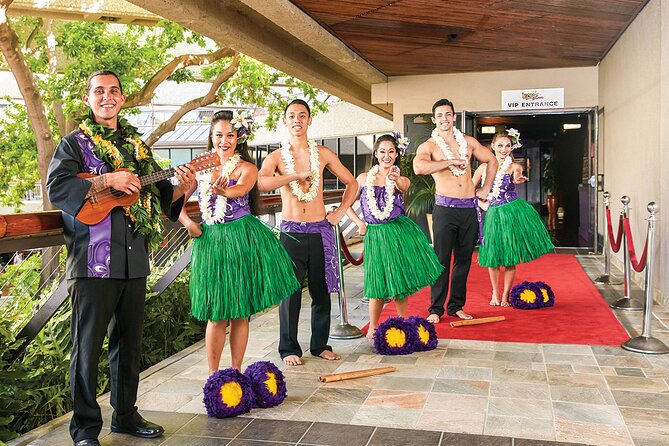
If you only have one evening in Honolulu and you want something that feels like a proper show, Rock-a-Hula fits the bill. It is staged in Waikiki’s Royal Hawaiian Center at the Royal Hawaiian Theater, a 750-seat venue built for high-impact performances without you having to fight crowds for a view.
You’re not dealing with a messy itinerary or lots of transport. Your confirmed experience starts at 7:15 pm, and the whole program runs about 1 to 3 hours depending on the format that night. That makes it a smart plan on days when you already did beach time, hikes, or a drive around the island.
The biggest practical win is simple: it is entertainment with structure. You watch a guided storyline of how Hawaiian music and dance changed over time, plus big performance highlights you can point to later when you tell friends what you did.
You can also read our reviews of more tours and experiences in Honolulu


How the Hawaiian Journey plays out from the 1920s to today
The show is presented as a time-traveling look at Hawaiian musical and dance evolution from the 1920s to present-day. The production’s concept is that you’ll see how hula developed alongside outside musical influences, not just as “old Hawaii” in a museum case.
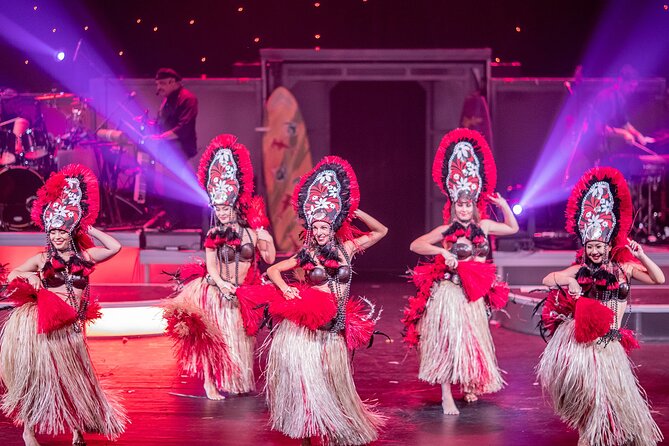
You should expect a mix of hula styles and eras, including references to what’s often called Hapa-Haole hula. The show is also designed to spotlight the visual side of the era changes, like outfit shifts and stage presentation, rather than treating the history as a lecture.
One detail I like: the production includes footage and imagery tied to real concert life. That matters because it helps explain how popular music scenes and performance styles shaped what audiences learned to love. It’s not just movement you’re watching; it’s movement with context.
The performance mix: hula, a live band, and the fire knife dance moments
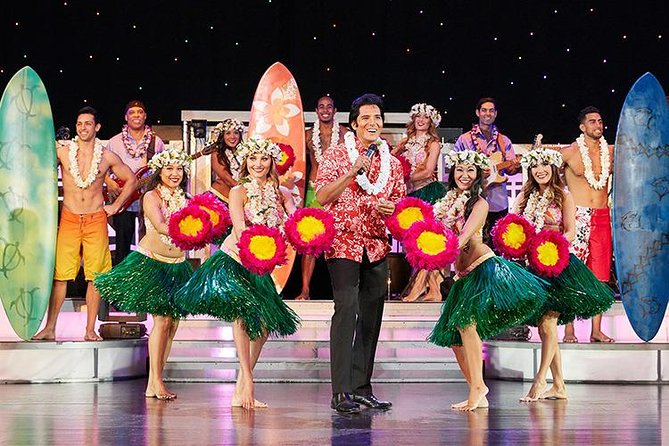
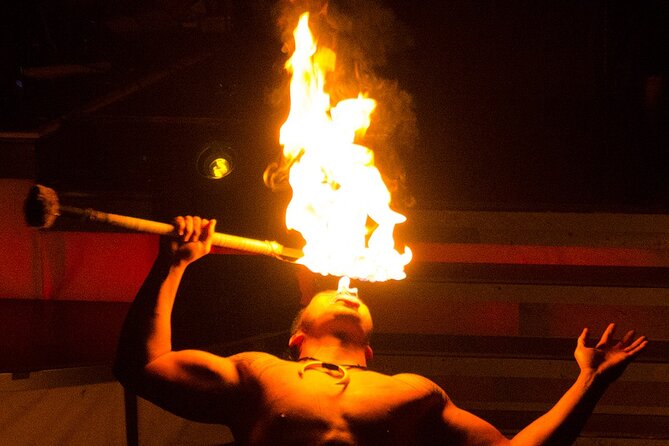
Rock-a-Hula is built around a full-scale performance: a live band, skilled dancers, singers, and dramatic stage effects. The show’s reputation often comes down to one or two “wow” moments, and for this show, that includes fire knife dance plus other fire and fire-handling acts.
Here’s what that means for your evening: even if you’re not a hardcore dance fan, you’ll still have clear high points. Fire segments create natural pacing. You’ll feel the production building, then releasing into big kinetic moments, often in a way that holds kids’ attention too.
The live band is another big deal. Several reviews point out that the music is lively and the lighting helps shape the mood. On the downside, a few people say the band can be louder than the vocals at times. You can plan for that by bringing a little patience. If you are the kind of listener who needs to hear every lyric clearly, you might find the mix less perfect than you expected.
Elvis and Michael Jackson segments: fun for some, a mismatch for others
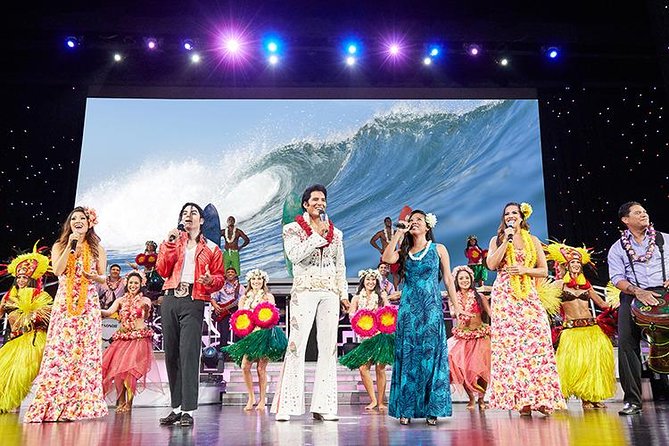
A large chunk of the show’s energy comes from tribute-style performances, including Elvis Presley and Michael Jackson. Reviews often describe those segments as standouts, with strong impersonation and excellent dance moves.
I like the idea of this kind of show because it mirrors what happened in real Hawaiian music history: popular mainland styles influenced what local performers did and how audiences consumed music. You get a bridge between traditional forms and modern pop culture.
But here’s the consideration you should take seriously. If you want a show that centers Hawaiian music and hula traditions with minimal pop influence, the Elvis and Michael Jackson parts may make you feel like the focus drifts. Some people specifically wish the show leaned more toward Hawaiian music rather than rock and pop-style performances.
So the best way to decide is this: do you want a one-night entertainment hit that also teaches you a story? Or do you want a strictly traditional Hawaiian-focused performance? Rock-a-Hula is clearly in the first category, with Hawaiian dance and music at its core, but with major pop-rock elements baked in.
Seating at the Royal Hawaiian Theater and what included really means
The theater is a huge part of why this show is easy to enjoy. It’s a 750-seat venue, and multiple reviews say there are no bad seats. People also mention soft, spacious seating, which is not a small detail when you’re settling in for the whole production.
That leads to a comfort advantage: you can show up, get seated, and stop thinking. In some big theaters, you spend half the night scanning for sightlines. Here, the general seating approach seems to work well.
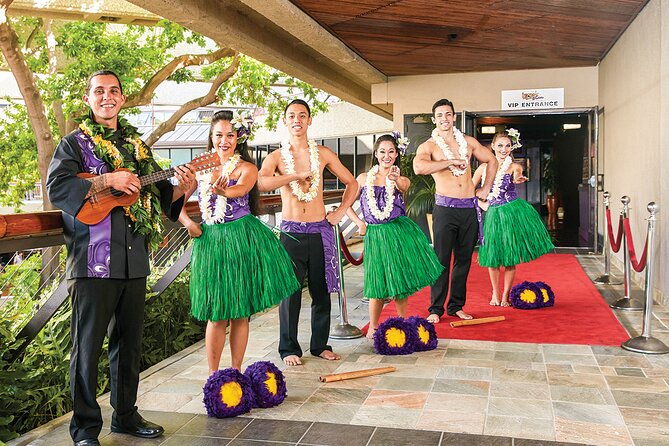
Your ticket includes general admission entrance plus a meet & greet with the cast. That’s one of the best “value boosters” in the whole package. It turns the evening from just a passive show into something you can remember more personally, especially if you’re traveling with kids or you love meeting performers.
Also, the show runs in all weather conditions, but the experience provider notes you should still dress appropriately. In rare cases where a show does get canceled due to poor weather, you’ll be offered a different date or a full refund. That’s the kind of backup that keeps a plan from going sideways.






VIP upgrades and the meal question: what to expect when you add extras
There is an option to upgrade to a special VIP experience, but the exact VIP perks (like what food is included and what the seating upgrade looks like) aren’t spelled out here. If you’re considering VIP, you should look closely at what changes from the standard ticket.
One useful clue from the information you have: the standard admission ticket includes the show and the meet & greet, not a buffet. In other words, if you want to add a meal, you’ll likely need to purchase an upgrade.
If food matters to your family, think like this: plan your show first, then decide if you want to pay for extra dining based on how hungry everyone is at 6:30 or 7 pm. The show time is specific, so it helps to avoid the stress of trying to find food right after you arrive.
Timing, weather prep, and getting the most out of a 7:15 pm show
The start time is 7:15 pm. That helps you design your day, because you can plan a normal Honolulu afternoon without rushing across town at sunset. It’s also a decent slot if you want to cap a vacation day without ending up with a late-night schedule.
Dress appropriately. That sounds basic, but it matters in Hawaii because weather can shift fast, and you’ll want to be comfortable for a few hours indoors. If you tend to get chilled in theaters, bring a light layer.
One more practical detail: this experience is capped at a maximum of 10 travelers. That usually helps the vibe. It doesn’t turn the night into a free-for-all, and it makes the meet-and-greet feel more manageable.
Price and value: is $99 per person a good deal?
At $99 per person, Rock-a-Hula is in the “worth budgeting for” zone in Waikiki. You are paying for a polished production: live band, professional dancers, fire acts, and a theater venue designed for this kind of show.
Here’s why it can feel like good value:
- You get a full evening show without needing extra tours beforehand.
- You’re inside a major theater with a comfortable seat setup.
- You get meet & greet with the cast included, which many ticketed shows do not.
What could make it feel overpriced for you is expectation mismatch. If you came wanting a traditional-only Hawaiian performance, you might feel like the pop-tribute elements take time you’d rather spend on pure Hawaiian music and hula. If clear vocal audibility is your top priority, the live mix can be a toss-up.
Still, the overall rating and the repeated comments about high talent and fire highlights suggest the production quality generally holds up. For many visitors, it becomes the one “easy win” they’re glad they booked.
Who should book Rock-a-Hula, and who might want a different style of show
This show is a strong match if:
- you want a single evening activity that’s simple to plan
- you like performance variety: singing, dancing, and dramatic fire moments
- you want a storyline about how Hawaiian music changed over the last century
- you’re traveling with family and need something that works for a wide age range
You might hesitate if:
- you want a show that focuses almost entirely on traditional Hawaiian music and hula, with little outside influence
- you are very picky about hearing every lyric clearly, because some people report the band can overpower vocals
The good news is that even if the pop elements aren’t your favorite, the dance and fire skills are often described as memorable. It’s not a throwaway segment that disappears; it’s part of the show’s core excitement.
Should you book Rock-a-Hula in Honolulu?
I’d book it if you want a night that is easy, high-energy, and staged in a real theater. The combination of live band + hula history storyline + fire knife dance makes it an efficient use of time, especially if your Honolulu days are already packed.
I’d also consider booking if you like learning through entertainment. The show teaches you in a way that doesn’t require you to read or research first. You’ll leave with a clearer sense of how Hawaiian performance culture shifted from the 1920s to now, even if you don’t catch every musical reference.
Skip it only if you know you want a strictly traditional Hawaiian program and you dislike pop-tribute segments. In that case, you’ll probably feel like the show is trying to do too much in one sitting.
If you do book, here’s my simple move: treat it like a fun, story-driven production rather than a museum-style cultural event. You’ll get more out of the experience that way.
FAQ
What time does the Rock-a-Hula show start?
The experience start time is 7:15 pm.
How long is the Rock-a-Hula experience?
It runs about 1 to 3 hours.
How much are Rock-a-Hula tickets?
General tickets are $99.00 per person.
What’s included with the general seating admission ticket?
Your included ticket covers entrance to the Rock-a-Hula show with general seating, plus a meet & greet with the cast.
Is there a VIP upgrade available?
Yes. You can upgrade to a special VIP experience.
Does the ticket include a buffet or dinner?
The standard ticket includes the show and meet-and-greet, and it does not include the buffet. If you want food, you may need to purchase an upgrade.
Does Rock-a-Hula run in bad weather?
The show operates in all weather conditions, but if it is canceled due to poor weather, you’ll be offered a different date or a full refund.
Do I need a physical ticket?
No. Tickets are mobile, so you’ll use your mobile ticket.
Is there a limit on group size?
Yes. The maximum number of travelers is 10.
Are service animals allowed?
Yes, service animals are allowed.
Is free cancellation available?
You can cancel up to 24 hours in advance for a full refund. Canceling less than 24 hours before the start time is not refunded.