REVIEW · HONOLULU
Pearl Harbor Aviation Museum Ticket with Audio Tour and Shuttle
Book on Viator →Operated by Pearl Harbor Aviation Museum · Bookable on Viator
Ford Island still tells the story. This Pearl Harbor Aviation Museum ticket brings you into Hangar 37 and Hangar 79 with a self-guided audio tour and shuttle support.
I especially like that you can spot WWII scars, bullet holes still visible on surviving hangar walls. I also like the mix of eras, from Pearl Harbor-era aircraft to Korean War fighters in MiG Alley, so the museum feels like more than one day of history.
One thing to watch: the visit starts at 9:00 am, and pairing it with other Pearl Harbor stops means you’ll want to plan your timing so you’re not rushing the first hour.
In This Review
- Key highlights to know before you go
- Entering the Ford Island hangars (Hangar 37 and Hangar 79)
- Priority entry, shuttle service, and the 9-hour pacing
- The audio headset: how to use it and why it’s worth it
- WWII survivors: bullet holes, attack footage, and documentary time
- Aircraft spotting that tells a bigger story (Midway, Korean War, and MiG Alley)
- Film, control tower references, and cockpit-style details
- Hangar Café and museum store: plan the breaks
- What to pack: sun, water, and bag storage at the entrance
- Value check: what your $29.99 ticket includes
- Who this tour fits best (and who might want a different plan)
- Should you book Pearl Harbor Aviation Museum with audio and shuttle?
- FAQ
- How long does the Pearl Harbor Aviation Museum audio tour take?
- Where is the museum located?
- What languages are available for the audio tour headset?
- Is a shuttle included with the ticket?
- Are there age limits for children?
- What is the cancellation policy for a full refund?
Key highlights to know before you go
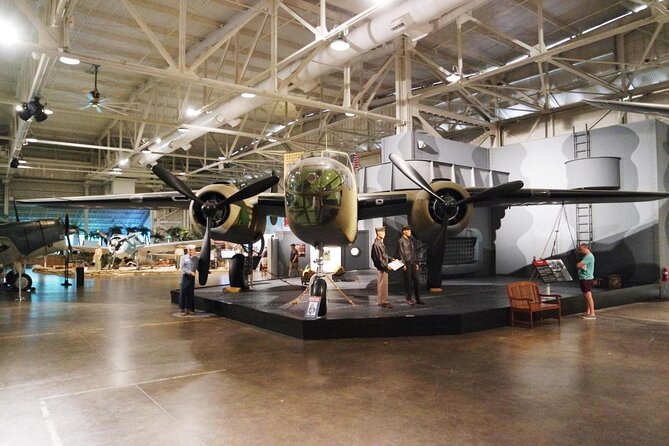
- Two WWII-survivor hangars (Hangar 37 and Hangar 79) with aircraft displays inside the original space
- Priority entrance using a skip-the-line ticket, so your day starts with less waiting
- Audio headset in 6 languages (English, Spanish, Japanese, French, Korean, Mandarin)
- WWII footage and a short documentary including East, Wind, Rain
- MiG Alley and Korean War fighter planes, plus a dive bomber tied to the Battle of Midway
- Complimentary shuttle to and from Ford Island
Entering the Ford Island hangars (Hangar 37 and Hangar 79)
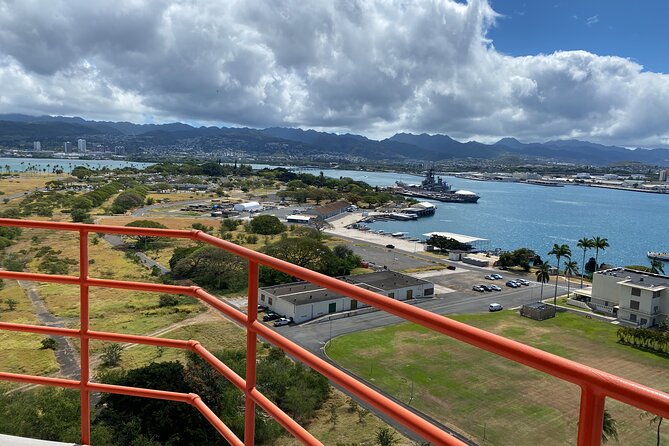
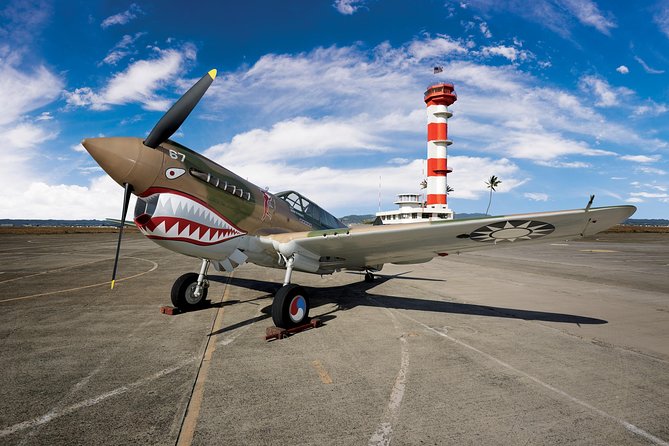
This experience is built around Ford Island, where the museum sits. The big draw is that you’re touring aircraft exhibits inside two hangars, Hangar 37 and Hangar 79, that survived the Japanese attack on Pearl Harbor on December 7, 1941. That single detail changes the tone. You’re not just looking at planes behind glass; you’re standing in spaces meant for aircraft operations, in buildings that lived through the event.
From the entrance area, your ticket is designed to get you moving quickly with priority entrance. That matters because the museum day can stretch close to the full allotment (about 9 hours), and you don’t want the clock working against you before you even hit the aircraft.
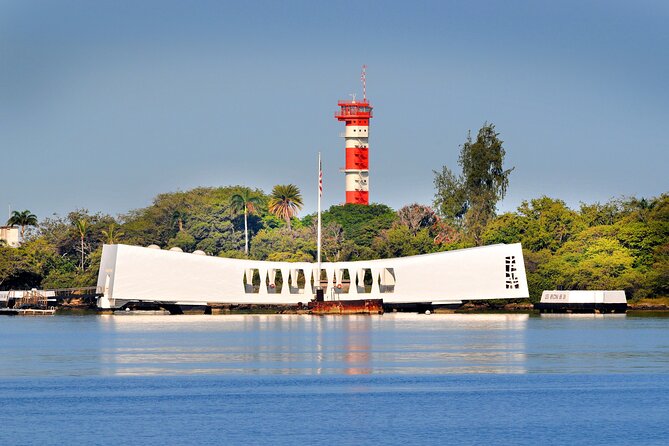
Also, keep your expectations grounded: this is a museum focused on Pacific aviation history. The USS Arizona Memorial is not described as part of this ticket. Still, if you’ve visited the memorial area already, this is a strong follow-up because it helps you connect the aircraft side of the story to what you saw on the water.
You can also read our reviews of more tours and experiences in Honolulu

Priority entry, shuttle service, and the 9-hour pacing
Your day starts at 9:00 am. The ticket includes a complimentary shuttle to and from Ford Island, which is a practical win if you’re trying to keep everything smooth on O‘ahu. For most people, the shuttle reduces the mental load: you’re not hunting for parking or trying to time rides while your schedule is already tight.
Plan on using most of your time inside the hangars. With an audio tour layered on top, the experience tends to work best when you don’t sprint from plane to plane. You can linger longer at displays that catch your attention, especially the WWII-era items and the MiG Alley section, without feeling like you’re falling behind.
One more practical note: the museum experience is described as “most people can participate,” and service animals are allowed. If you’re traveling with kids, they must be accompanied by an adult, and children under 4 are free, so the day can fit families, but bring patience for a long indoor/outdoor mix.
The audio headset: how to use it and why it’s worth it
Every ticket includes an audio tour headset. You’ll be able to choose from multiple languages, English, Spanish, Japanese, French, Korean, and Mandarin, and you pick up your headset at the front desk when you enter.
This is not just background noise. It’s a built-in way to turn the museum into an organized story. You’re walking through aircraft across decades, and the audio helps you understand what each plane represents, who used it, what it was designed to do, and where it fits into the broader Pacific war timeline.
A simple strategy: before you start scanning every hangar display, take a minute to get your headset working and note where the audio leads you. Then move at a steady pace. If you start hopping randomly, it can be harder to connect the history across sections.
WWII survivors: bullet holes, attack footage, and documentary time
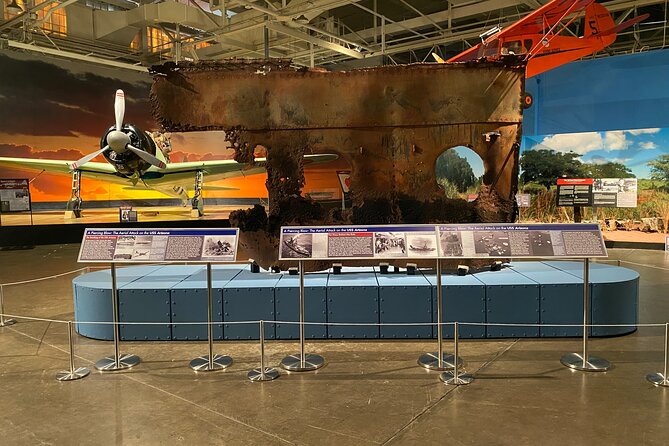
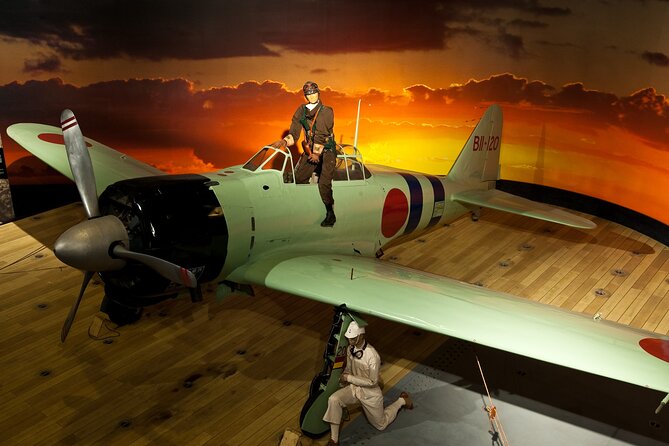
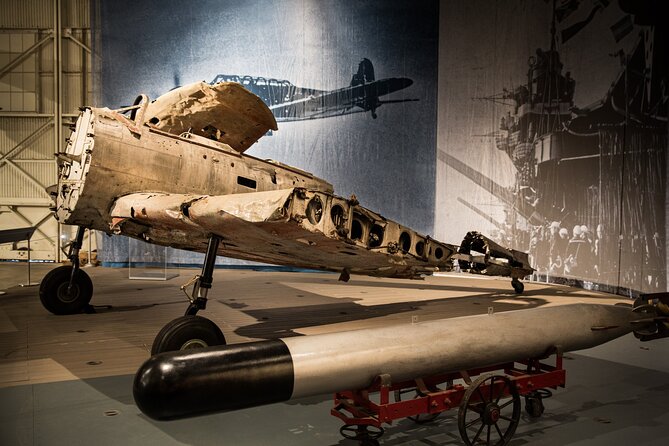
One of the most praised parts of this museum is how clearly it anchors you to December 7, 1941. You’re encouraged to look for bullet holes from the attack on Pearl Harbor. That’s a gut-level detail because it turns aircraft metal and hangar doors into direct evidence of what happened there.
You’ll also see WWII attack footage presented as part of the museum experience, including a stirring film narrated by Pearl Harbor survivors. This matters because aviation history can get technical fast, engines, models, timelines. Footage and survivor narration keep it human and immediate.
Then there’s a short documentary called East, Wind, Rain. If you want one “pause” moment to reset your brain between aircraft clusters, this kind of film stop is ideal. It gives your day rhythm, and it also helps you understand why the Pacific air story isn’t only about planes, it’s about logistics, strategy, and survival.
Aircraft spotting that tells a bigger story (Midway, Korean War, and MiG Alley)
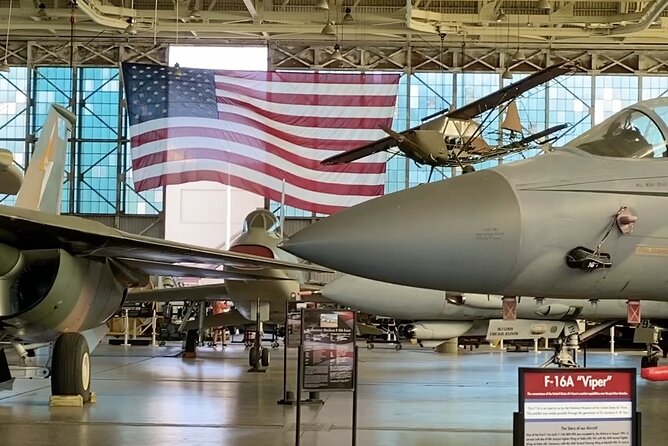
This museum doesn’t treat aircraft as separate trivia items. It organizes the visit so you can see the arc of Pacific military aviation.
In the highlights, you’re guided to:
- fighter planes from the Korean War in MiG Alley
- and the Battle of Midway, including a dive bomber display
MiG Alley is the section you’ll likely spend the most time photographing, partly because it changes the visual language of the war, different designs, different eras, and a new set of tactics. Even if you’re not an aviation nerd, the contrast helps you grasp how quickly air power evolved.
For Midway, the museum approach is helpful: you’re not only hearing about a battle you may know from headlines. You’re “checking out a dive bomber,” and that physical exhibit gives you a way to imagine what aircraft were built to do in that kind of campaign.
You can also read our reviews of more museum experiences in Honolulu
Film, control tower references, and cockpit-style details
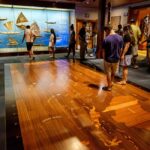
In addition to the WWII film and the documentary, you may run into other presentation-style exhibits that help bring the aircraft to life. Some visitors highlight a video shown in a control-tower area, and others mention cockpit-related moments tied to specific aircraft displays.
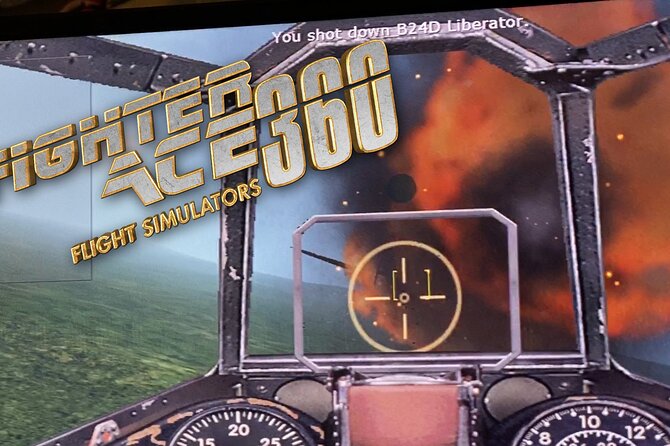
Because your ticket is for general admission plus the audio tour, you should think of this as a museum that mixes “walk-up aircraft viewing” with a few tech-forward or interactive-style stops. If something like a cockpit display or control tower video catches your eye, don’t feel like you have to move on right away. Those are the spots where the aviation story becomes easier to understand.
Hangar Café and museum store: plan the breaks
You’ll find a Hangar Café on site, plus a museum store for aviation-themed souvenirs and gifts. Since the visit can run close to a full day, don’t underestimate the value of scheduling short pauses.
Practical move: build in one snack break mid-visit, not at the very end. That keeps you comfortable while you’re still enjoying the heavier sections like MiG Alley and the WWII hangar displays.
For souvenirs, the store is a natural landing spot after your “big story” exhibits and film stops. If you tend to buy gifts only when you’re tired, you’ll do better if you browse earlier while you still feel fresh.
What to pack: sun, water, and bag storage at the entrance
Honolulu weather can be a factor, even when much of your time is in hangars. If you’re sensitive to heat, take the “warm day in the open” seriously.
A couple packing tips based on real-world experience:
- bring a hat and water, because the walkways and outside sight lines can get warm
- plan for bag storage at the entrance, often around $8, and keep essentials on you (like in deep pockets) so you’re not constantly reaching into a stored bag
That last one is simple but smart. A museum day is full of little moments, getting your headset right, pulling out your phone for photos, taking notes. If your bag is stored immediately, having pockets for small items saves time and frustration.
Value check: what your $29.99 ticket includes
At $29.99 per person, your ticket is positioned as a practical way to cover a lot of museum ground without extra planning. The main value boosters are:
- skip-the-line / priority entrance
- a free audio headset in six languages
- complimentary shuttle to and from Ford Island
- access to the museum’s aircraft collection focused on more than 70 years of Pacific aviation history
What’s not included is equally useful to know. The ticket does not include restaurant and shopping as separate purchases (you’ll still find them available), and it also does not include combat flight simulators or the Top of the Tower Tour.
So here’s how I’d frame value: if you want a full museum visit with context (audio + films) and you also want shuttle help, this ticket makes sense. If your must-do list includes simulator time or a tower add-on, you’ll need to budget for those separately.
Who this tour fits best (and who might want a different plan)
This works especially well if you like history that comes with physical evidence. The fact that you can look for bullet holes in surviving WWII hangar structures gives the visit a weight many museums can’t match.
It’s also a strong fit if you’re an aviation fan but not locked into one decade. WWII-era displays, the Middle of the Pacific story tied to Midway, and Korean War aircraft in MiG Alley keep the day moving.
If you’re the type who hates slow museum days and prefers quick hit lists, you might find the audio pacing and film moments a little longer than you want. In that case, you should still go, but stick to a plan: pick your top 10 aircraft/areas and use the audio tour to focus, not to wander.
Should you book Pearl Harbor Aviation Museum with audio and shuttle?
Yes, book it if you want one ticket that handles the biggest practical issues: priority entrance, a headset in your language, and shuttle support to Ford Island. This is a museum that rewards standing inside the original hangars and taking your time with the aircraft and stories.
I’d especially recommend it if:
- you’re curious about how air power changed from WWII into later conflicts
- you want a guided structure without paying for a formal live guide
- you want an easy add-on day after visiting the Pearl Harbor memorial area nearby
Skip this specific ticket plan only if you already know you mainly want simulator experiences or the Top of the Tower Tour and don’t care about the aircraft + audio story. Otherwise, this is a solid way to spend the bulk of your morning turning Ford Island into an aviation timeline you can actually see.
FAQ
How long does the Pearl Harbor Aviation Museum audio tour take?
The experience is listed as about 9 hours.
Where is the museum located?
The museum is on Ford Island in Honolulu, and the aircraft exhibits are housed inside Hangar 37 and Hangar 79.
What languages are available for the audio tour headset?
Audio headset languages include English, Spanish, Japanese, French, Korean, and Mandarin.
Is a shuttle included with the ticket?
Yes. The ticket includes a complimentary shuttle to and from Ford Island.
Are there age limits for children?
Children must be accompanied by an adult. Children under 4 are free.
What is the cancellation policy for a full refund?
You can cancel up to 24 hours in advance for a full refund. If you cancel less than 24 hours before the start time, the amount paid isn’t refunded.