REVIEW · OAHU
Private Sea’fari Expedition • 8 Guests Included (Expandable)
Book on Viator →Operated by Wild Side Specialty Tours, LLC · Bookable on Viator
This ocean trip feels like part science project and part Hawaiian story hour. You’ll sail aboard Hale Kai while joining your crew for Citizen Science activities, plus you get an included homemade lunch with snacks and drinks. I like that it’s built for real-time choices, not a rigid script.
The vibe is clearly about respect: ethical wildlife viewing, expert marine naturalists, and cultural interpretation from people who know how the ocean matters in Hawai‘i. One potential drawback: you’ll want your schedule to stay flexible, since wildlife and water conditions control how the snorkeling and swim time goes.
In This Review
- Key points before you go
- Private Sea’fari in Oahu’s West: What You’re Really Buying
- Hale Kai and the On-Board Feel: Comfort That Still Lets You Watch Wildlife
- The Two Stops That Increase Your Odds: Ka‘ena Point and Makaha
- Ka‘ena Point State Park: The “search and scan” phase
- Makaha Beach Park: The “follow-up chance” for more sightings
- What Happens During the 3 Hours: The Pace, the Lunch, and the Swim Choice
- The included meal is part of the experience
- Snorkeling expectations: choose your comfort level
- Wildlife Encounters You Can Plan Around (Without Promising a Script)
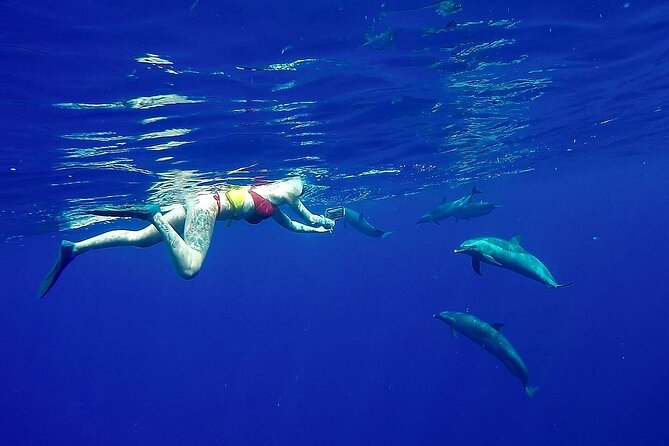
- Snorkeling reef time: what it’s like when conditions cooperate
- Citizen Science on Oahu: Helping While You Watch
- Hawaiian Culture Beyond the Deck: Stories That Change How You Look
- Price and Value: Is $1,900 Per Group a Smart Spend?
- Who This Trip Fits Best (And Who Might Want Another Option)
- Quick Reality Check: What to Bring for a Smooth Sea’fari
- Should You Book This Private Sea’fari Expedition?
- FAQ
- How long is the private Sea’fari Expedition?
- How many people are included in the private group?
- Where does the tour start?
- What wildlife can you look for?
- Is snorkeling included?
- What food and drinks are included?
- What gear is provided besides snorkel equipment?
- What should I bring with me?
- Is this tour dependent on weather?
- What is the cancellation window?
Key points before you go
- Small-group privacy (up to 8 guests) on a private charter format
- Citizen Science participation while you’re out on the water
- Hale Kai, a 34-ft power catamaran with open-air deck photo spots
- Two west Oahu stops (Ka‘ena Point State Park and Makaha Beach Park) for extra wildlife chances
- Included lunch/snacks/juices/water plus reef-safe sunscreen and hair conditioner
Private Sea’fari in Oahu’s West: What You’re Really Buying
This is a 3-hour, west Oahu marine outing designed for people who want more than a quick wildlife look. The goal isn’t just to see dolphins and turtles. It’s to connect the dots between ocean life, Hawaiian culture, and conservation, while you’re right there, on the water.
You’re also buying something practical: private time. With up to 8 guests, you get a quieter experience and more hands-on attention than you’d get on large tours. That matters if you’re a strong swimmer, a casual snorkeler, or you just want time to watch from the boat without feeling rushed.
The best “value” angle here is the mix of things that are usually separate on other tours: wildlife search, snorkeling gear, and a proper included meal. When those come together, you spend less time juggling logistics and more time enjoying the ocean.
You can also read our reviews of more private tours in Oahu
Hale Kai and the On-Board Feel: Comfort That Still Lets You Watch Wildlife
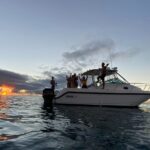
You’ll ride on Hale Kai, a 34-ft power catamaran. Catamarans tend to feel stable under you, which helps when you’re switching between watching from the deck and getting ready to snorkel.
What I’d call the “lifestyle” details are the open-air deck and the shaded lounge. You can move for photos when conditions are right, then retreat when the sun gets strong. One review pattern that matches this style: people talked about settling into both chill moments and quick-in-the-water moments, depending on what the crew is spotting.
You also get the basics handled for you:
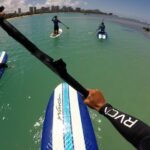
- Snorkel gear: mask (Rx may be available), snorkel, fins, and a floatation belt
- Reef-safe sunscreen and hair conditioner (for the mermaid-hair crowd)
- Lunch plus snacks, juices, and water
Still, bring what the ocean always demands: a towel and sun protective clothing. And if you plan to carry a jacket or extra layer, remember the tour notes that storage onboard for jackets matters, so bring light layers that are easy to stow.
The Two Stops That Increase Your Odds: Ka‘ena Point and Makaha
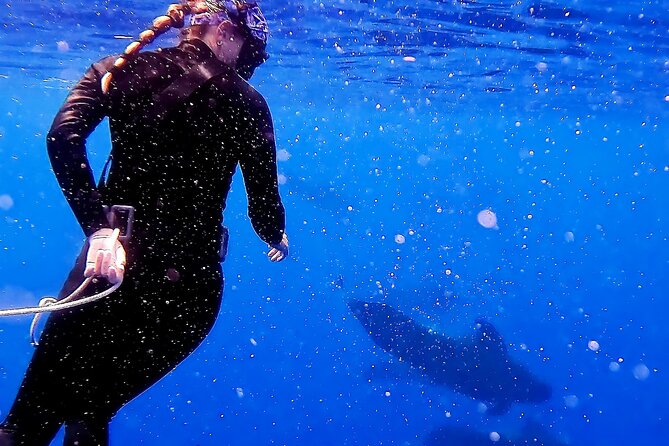
The route includes Stop 1: Ka‘ena Point State Park and Stop 2: Makaha Beach Park. The tour doesn’t treat it as two random spots. It uses both locations to give you more opportunities for wildlife and (when conditions allow) time in the water.
Here’s why this is a smart setup for your time. Wildlife sightings aren’t guaranteed. Dolphins might be close for a while, then move. Turtles may show up where currents and depth line up. By using two stops, you’re less likely to spend the whole trip staring at empty water.
Ka‘ena Point State Park: The “search and scan” phase
At Ka‘ena Point, expect the crew to set the tone early. This is typically where you’ll start scanning and looking for active ocean life from the boat, birds, dolphins, and turtles are all things your guide will watch for while shaping the rest of your time.
A practical upside: if you’re the type who likes seeing wildlife first, then snorkeling later, this kind of start can feel satisfying. A practical caution: ocean conditions can change fast, so your snorkeling plans may depend on how things look that day.
Makaha Beach Park: The “follow-up chance” for more sightings
Makaha Beach Park works like a second shot at the ocean show. If you didn’t get the swim time you wanted at the first stop, this is where the crew may try to improve your odds. It’s also a good fit if you care about photo opportunities and watching from the waterline, because the crew can often adjust based on where animals are behaving most actively.
Again, the tradeoff with all wildlife-focused tours is the same: you’re not buying a guaranteed checklist. You’re buying the crew’s effort and expertise to find the most likely areas.
What Happens During the 3 Hours: The Pace, the Lunch, and the Swim Choice
This tour runs about 3 hours, and that time window is long enough to do meaningful wildlife searching and still short enough to feel energetic. You’re not stuck in transit for half a day.
You’ll start at Wild Side Specialty Tours in Waianae (85-491 Farrington Hwy), then head out. One thing that comes through clearly in the tour’s design: you should expect both movement and flexibility. In practice, that means:
- you’ll spend time looking for wildlife on the way out and back
- you’ll get snorkeling gear and time to choose how you want to use it
- you’ll eat on board instead of squeezing food between activities
The included meal is part of the experience
The lunch is homemade, with snacks and drinks. That sounds basic until you remember how often wildlife tours leave you hungry or force you to buy food at the end. Here, you get refueling built in, plus water and juices.
Also bring a refillable water bottle since that’s specifically called out. It’s a small thing, but it makes your day smoother and helps you stay hydrated in the sun.
Snorkeling expectations: choose your comfort level
The tour includes snorkel gear and explicitly talks about swimming alongside wildlife and exploring coral reefs. But the day-to-day reality is weather and animal behavior, so the best mindset is this: you’ll get chances, and you’ll follow the crew’s safety call.
If you want to snorkel more than once or want a long time in the water, tell the crew early. One advantage of a private-group setup is that the crew can shape the snorkeling timing around your interests.
Wildlife Encounters You Can Plan Around (Without Promising a Script)
The whole point of this private Sea’fari Expedition is wildlife. The tour description calls out encounters like:
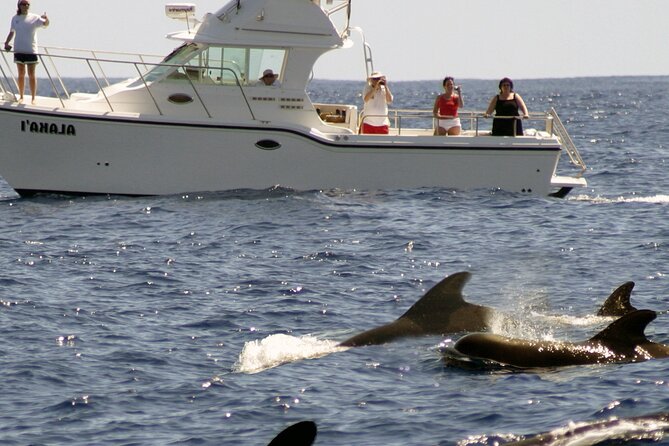
- dolphins (including spinner dolphins and other dolphin types)
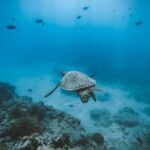
- sea turtles
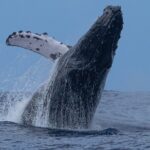
- offshore whales
- rare seabirds
Your odds improve because the crew looks for activity, not just location. In the feedback you provided, people described everything from pods coming up close to the boat to multiple sightings across the trip, including whales and dolphins.
I’d treat this like a “great chance” rather than a “guarantee,” because the ocean doesn’t follow checklists. Still, what you’re really paying for is the combination of:
1) expert marine naturalists/cultural interpreters
2) an ethical approach (so the crew isn’t chasing animals in ways that hurt them)
3) a route that includes two west-side areas
Snorkeling reef time: what it’s like when conditions cooperate
When snorkeling happens, you’re looking for fish and coral in a reef setting. You’ll have fins and a floatation belt, plus mask sizing assistance if needed (Rx masks may be available). You’re also given reef-safe sunscreen, which signals the company’s conservation-first stance.
A good practical tip: wear or bring sun protection that dries quickly and doesn’t rely on fragile skin-care that washes off in saltwater. You’ll be more comfortable moving between boat and water.
Citizen Science on Oahu: Helping While You Watch
One of the most interesting parts of this tour is that it’s not only sightseeing. The guides and marine biologists collaborate with conservation organizations, and you can participate in Citizen Science while you’re out.
What that means for you, practically, is that your time in the water and on the boat can turn into real observational work. Instead of just “spot the turtle,” you’re more likely to be doing structured watching, something that supports conservation and research goals.
I like this approach because it makes the wildlife sightings feel meaningful in a way that lasts beyond photos. You’re not just consuming an experience. You’re contributing to a bigger effort.
Hawaiian Culture Beyond the Deck: Stories That Change How You Look
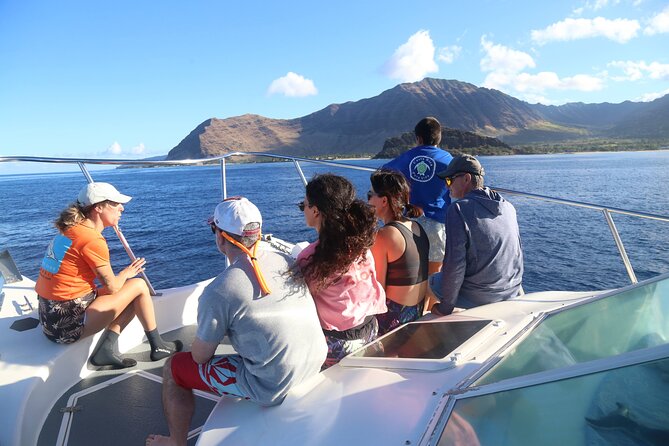
This tour isn’t purely marine biology. It includes Hawaiian cultural interpretation from your guides, with ancient stories and ecological wisdom that connect the ocean to the people of Hawai‘i.
You can think of it like this: the wildlife is the headline, but the culture is the meaning. When the guides explain why a species matters, or how ocean health affects life on land, it changes the way you watch. Dolphins stop being just entertainment and start being part of an ecosystem with a story behind it.
Based on the named guides in your materials, you might meet different leaders depending on the day, examples include Captain Tori, Captain AJ, and guides like Bethany, Brittney, Connor, Chris, Leah, and Liah. The key constant is the blend of science + culture in how they guide your time.
Price and Value: Is $1,900 Per Group a Smart Spend?
Let’s talk money honestly.
The price is $1,900 per group (up to 8 guests) for an approximately 3-hour private charter. That’s not “cheap,” especially if you’re traveling solo or as a couple.
But for families, small friend groups, or anyone who can split costs, the value can make sense quickly because you get:
- private access (your group only)
- expert guide attention during snorkeling and wildlife scanning
- included lunch/snacks/juices/water
- included snorkel gear
- reef-safe sunscreen and hair conditioner
So the “math” depends on how you travel. If you’re a group of four or eight, you’re paying less per person than most larger-tour alternatives once you factor in food and gear. If you’re just two people, it’s still a premium experience, but you’ll want to decide if the private format and included meal are worth the upcharge for your group size.
My practical rule: if you want a more personal, adaptive trip where the crew can tailor time to your interests, the price fits the product. If you only care about a basic dolphin sighting and snorkel on a schedule, you might find cheaper ways to get your feet wet.
Who This Trip Fits Best (And Who Might Want Another Option)
This is a strong fit if you:
- want small-group privacy with up-front guidance
- care about ethical wildlife encounters and conservation
- like snorkeling, but also want time to watch from the boat
- want both science and Hawaiian cultural storytelling
Most travelers can participate, and service animals are allowed.
A caution for some travelers: the tour notes severe allergies as a safety consideration. It says medical help may be 1/2 hour or more away, so plan accordingly and have an epi-pen onboard if needed.
Also, this is a private tour experience that ends back at the meeting point, and it requires good weather. If you’re traveling with a tight schedule and can’t flex for weather, you’ll want to plan extra buffer time.
Quick Reality Check: What to Bring for a Smooth Sea’fari
The tour provides snorkel gear, sunscreen, and hair conditioner. You still need to show up ready for sun and saltwater.
Bring:
- a towel
- sun protective clothing (hat, rash guard, or similar)
- your own refillable water bottle
- an easy plan for a light layer if you get chilly on the water
- any medical items you may need (especially if allergies are severe)
That way, you won’t waste the first part of your trip rummaging for comfort items.
Should You Book This Private Sea’fari Expedition?
Yes, if you want an ocean experience that feels personal and purposeful. The combination of private time, ethical wildlife searching, and a real included meal makes it feel like more than a quick outing. If you’re curious about citizen science and appreciate Hawaiian cultural interpretation, this tour is built for your kind of trip.
Hold off or consider a different format if you’re looking for guaranteed sightings or a fixed snorkeling schedule. Wildlife and conditions drive the day. The crew can guide you toward the best chances, but the ocean decides what shows up.
If your group can share the cost and you value a thoughtful, hands-on guide team, this is the kind of tour you can build a trip around.
FAQ
How long is the private Sea’fari Expedition?
It lasts about 3 hours.
How many people are included in the private group?
The tour includes 8 guests, and the booking is listed as up to 8 per group.
Where does the tour start?
It starts at Wild Side Specialty Tours – Small Group Whale Watching, Dolphins Oahu Boat Tours, 85-491 Farrington Hwy, Waianae, HI 96792.
What wildlife can you look for?
The tour description highlights dolphins, offshore whales, sea turtles, and rare seabirds.
Is snorkeling included?
Yes. Snorkel gear is included, including a mask (Rx may be available), snorkel, fins, and a floatation belt.
What food and drinks are included?
You get a homemade lunch, snacks, juices, and water. You should bring a refillable water bottle.
What gear is provided besides snorkel equipment?
You’re provided reef-safe sunscreen and hair conditioner.
What should I bring with me?
Bring a towel and sun protective clothing. The tour also suggests you plan for storage onboard for jackets or extra items.
Is this tour dependent on weather?
Yes. The experience requires good weather, and if it’s canceled due to poor weather you’ll be offered a different date or a full refund.
What is the cancellation window?
You can cancel up to 24 hours in advance for a full refund. If you cancel less than 24 hours before the start time, you won’t receive a refund.