REVIEW · OAHU
Shark Cage Diving on Oahu’s North Shore
Book on Viator →Operated by Hawaii Shark Encounters Inc · Bookable on Viator
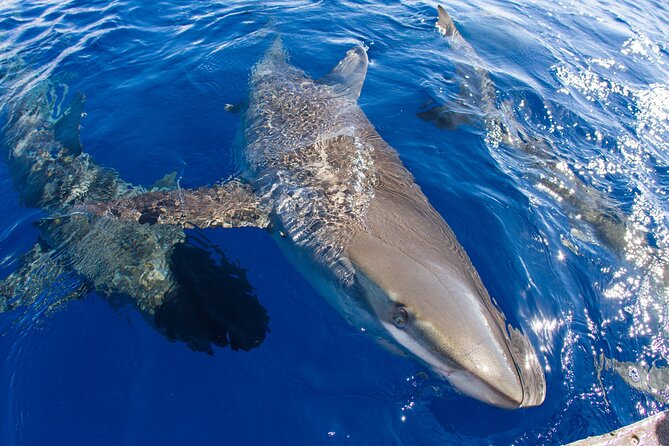
Sharks swim inches from you. On Oahu’s North Shore, you ride out from Hale‘iwa Boat Harbor into a floating shark cage and watch Galapagos and sandbar sharks cruise past through polyglass windows. You stay on the surface, snorkel in, and let the crew run the show.
I especially like the calm setup: you’re not doing scuba, and you’re watching sharks up close while still in a controlled, guided environment. I also like the small-group feel (up to 12 travelers), which tends to make instructions easier and the whole experience feel more personal.
One thing to plan for: ocean conditions can add motion. Some people report the cage rocking more than expected, and water temps can feel cool in winter months, so you may want layers and motion-sickness help.
In This Review
- Key things to know before you go
- How the Hale‘iwa harbor start sets the tone
- The floating cage setup: what it feels like in practice
- What the crew does besides point at sharks
- Galapagos and sandbar sharks: what you should expect to see
- Ocean extras: whales and birds on the route
- Timing and flow: how the two hours usually play out
- Price and value: is $100 worth it?
- What to bring (so you don’t feel cold, rushed, or stuck)
- Is the observer option right for you?
- Safety and comfort: the real comfort factors
- Who should book this Oahu North Shore shark encounter
- Should you book it?
- FAQ
- What’s the price per person?
- How long is the tour?
- Where do I meet, and where does it end?
- What sharks will I see?
- Do I need scuba experience or certification?
- Is the snorkeling gear included?
- Can I choose an observer ticket instead of going into the cage?
- What’s the group size?
- What should I bring since towels and swimwear aren’t included?
- What happens if the weather is bad?
- How does cancellation work?
Key things to know before you go
- Small group, max 12 travelers keeps the experience controlled and easy to manage.
- Stay on the surface with snorkel gear means no scuba training or certification needed.
- Polyglass windows on the cage give you clear views; other sides can be bars.
- Observer tickets are on-boat only (no cage, and no snorkel equipment).
- Shark sightings vary, expect Galapagos and sandbar sharks as the main stars, with occasional other species reported.
- Go early when seas are calmer; rough water shows up in some months.
How the Hale‘iwa harbor start sets the tone
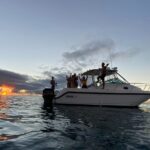
Most of your time here centers on the water, but the harbor portion matters more than you’d think. At Hale‘iwa Boat Harbor, you meet the crew, board the boat, and get your snorkeling setup sorted before you ever head to the shark area. That early prep helps you relax fast. When you’re already wearing the right gear and you understand how the cage works, you spend less time psyching yourself up.
The experience is also built around comfort. The crew guides you through getting into the cage safely and staying at the right level with your snorkel mask. Since this activity doesn’t require scuba experience, you’re not walking into a technical skill test. It’s more like: suit up, listen carefully, then focus on the view.
If you’re bringing friends or family members who don’t want to get in the water, there’s an observer ticket option. Just know what it includes and what it doesn’t: the observer ticket does not include entering the cage or using snorkel equipment. It’s mainly for staying with your group while someone else does the cage swim.
You can also read our reviews of more tours and experiences in Oahu.

The floating cage setup: what it feels like in practice
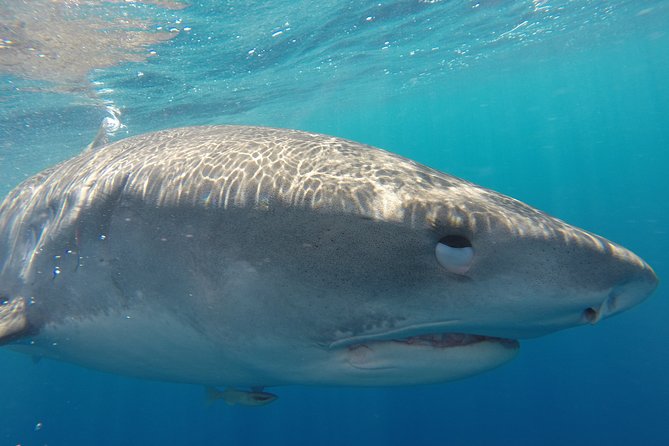
Once you reach the shark habitat, the experience shifts from boat cruising to stillness, and stillness is when the ocean gets interesting. You’ll enter a floating cage where you can watch sharks from a secure setup. The design is simple: you stay on the surface, wear a mask and snorkel, and look through the polyglass windows for the closest views.
One detail that’s worth knowing: the clearest viewing can be concentrated. Some sides of the cage are polyglass windows, while other parts can be bars. That means your view depends on where you position yourself, and it helps to move slowly if you can. People who want the best footage often treat it like a little “camera station” inside the cage.
The good news is that getting in and out is described as straightforward. Even families report it as manageable, and the crew stays close by to help you handle the process without stress. You’re not meant to fight the ocean or improvise snorkeling technique. The whole point is for you to focus on the sharks while the crew handles safety and guidance.
What the crew does besides point at sharks
This isn’t only a wildlife photo stop. The crew provides commentary about shark biology and behavior, which makes the sightings feel less random. You’ll understand what you’re seeing, how sharks move, why they circle, and what their behavior means in that environment. It turns the encounter into a real learning moment, not just a thrill.
That knowledge also helps with the mental part. A lot of the fear people bring in is fear of the unknown. When you know what sharks typically do around the cage, you’re less likely to tense up and more likely to enjoy the moment.
Galapagos and sandbar sharks: what you should expect to see
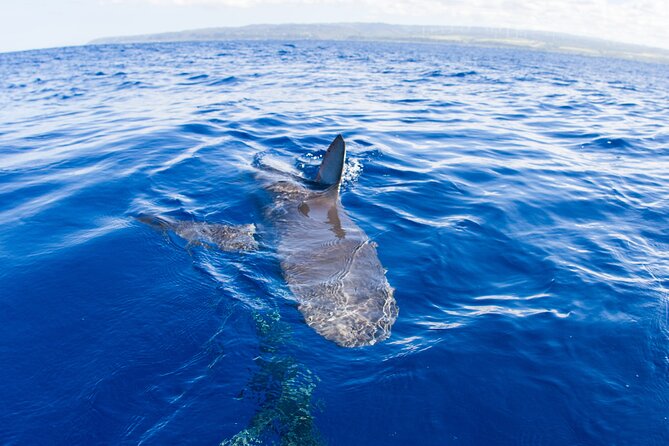
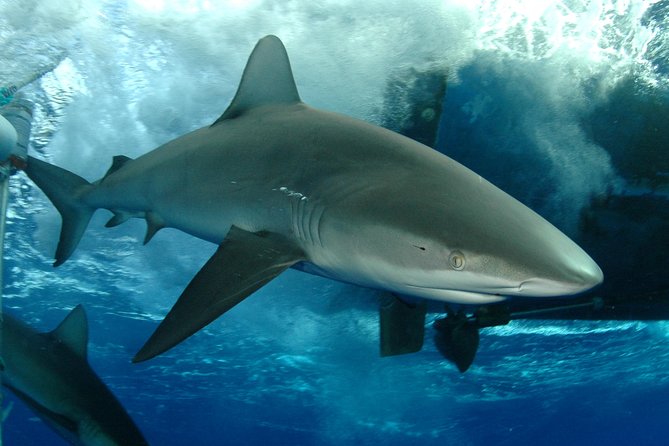
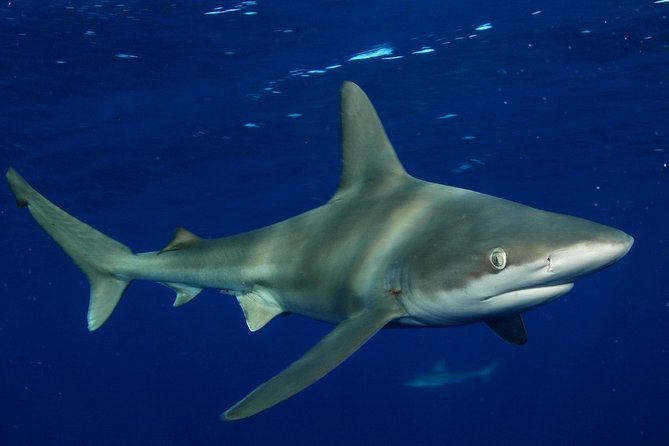
The main promise here is watching Hawaii’s majestic hunters in the wild environment just offshore from Oahu’s North Shore, especially Galapagos sharks and sandbar sharks. These are the species the experience is built around, so they’re the best bet for your “wow, I can’t believe I’m seeing this” moment.
That said, the ocean is not a theme park. Sightings and numbers can vary by day and conditions. Some people report lots of sharks hovering around the cage, including days with very high visibility where they felt surrounded. Others describe fewer sharks or different species showing up.
You may also see other sharks depending on the day. One visitor specifically mentioned tiger sharks, and another noted that they didn’t see tigers on their outing. So treat other species as bonus wildlife, not the core guarantee.
If you want the highest chance of great viewing, go with the factor you can control: choose the best water conditions. People strongly recommend going early because the ocean can be calmer then, which helps both your comfort and your ability to watch.
Ocean extras: whales and birds on the route
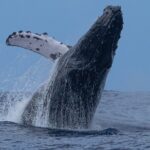
One of the pleasant surprises is that the boat ride itself can add wildlife. Multiple people describe spotting whales on the way out or back, plus seeing birds and sea life like flying fish and local birds. That matters because it turns “just transport to the cage” into part of the experience.
If you’re the kind of traveler who gets bored on short boat rides, this is a good sign. Even if you never spot a whale, you’re still likely to enjoy the scenery and the sense of being out on the North Shore rather than tucked into a boring marina loop.

Timing and flow: how the two hours usually play out
The total outing is about 2 hours (approx.). In practice, it usually breaks into a short boat ride, time at the shark site with cage time, then a return to the harbor.
At the shark site, you’ll spend the core of your time in the cage. You’ll snorkel with the mask on the surface, then look through the polyglass windows for close views. The crew is there to keep instructions clear, and you’ll get time to settle in rather than rushing through.
This pacing is a big part of the value for first-timers. It’s long enough to stop thinking and start watching. It’s not so long that you’re freezing or exhausted if conditions turn rough.
Price and value: is $100 worth it?
At $100 per person, this isn’t a budget activity. But it also isn’t overpriced for what you’re getting: a guided, secure cage encounter with provided snorkeling equipment, local taxes included, and a crew dedicated to safety plus shark education.
Here’s why it can feel like good value:
- No scuba training needed. You’re paying for a guided shark-watching format, not for lessons or certification.
- Small group (max 12). That often means better attention and less waiting around.
- Gear is included. You don’t have to buy or transport snorkeling equipment just for this one activity.
- Time on the water is real. You’re not doing a quick stop; you’re getting meaningful cage time.
The main reason it might not feel like a deal for some people is comfort risk. If you’re very sensitive to motion or cold water, you might have a harder time enjoying the experience, even though it’s considered safe.
What to bring (so you don’t feel cold, rushed, or stuck)
Even though the crew provides snorkeling gear, you’ll want to bring the basics that make the rest of your trip smoother.
Plan on:
- A towel for after you’re out of the water. People mention they get rinsed off with fresh water, but you’ll still want to dry yourself afterward.
- Swimwear (even though it’s not included) so you can get ready quickly.
- Sunscreen (also not included).
- Warm layers or a body suit if you’re visiting in cooler months. One person noted the water felt cooler in February and recommended a body suit.
- A camera strategy. People suggest bringing an underwater camera pouch or renting a GoPro if you don’t have one. There are GoPros available to rent on the boat.
- Motion-sickness help if you’re prone to it. Some visitors recommend taking Dramamine the night before, especially on days with waves.
Also think about tips. One review mentioned using cash or Venmo to tip, so it may be smart to have a small amount of either ready if you plan to show appreciation.
Is the observer option right for you?
The observer ticket is a thoughtful feature if your group isn’t all “get in the water” people. It lets you stay together on the boat without forcing anyone into the cage.
Just be clear on limits: observer tickets do not include entering the cage or using snorkel equipment. So if you’re buying tickets for a mixed group, check who actually wants the in-water experience and who just wants to watch from the boat.
This option also works well for nervous first-timers who want to see how calm (or not calm) things feel before deciding for a future outing.
Safety and comfort: the real comfort factors
You’re in a secure cage, and the crew handles the critical parts: guidance, instructions, and safety for the cage entry and snorkeling. People consistently describe feeling safe throughout the experience, including families with kids.
That said, safety and comfort are related but not identical. The ocean can be rough even when everything is handled well. Some people report that the cage rocks more than they expected, and one traveler mentioned needing to sit in a corner to regain focus after feeling close to vomiting.
My practical advice:
- If you’re motion sensitive, treat that risk seriously. Don’t assume you’ll be fine.
- Pick an early slot to maximize your odds of calmer conditions.
- Wear what keeps you warm enough to stay relaxed. Cold water makes everything feel harder, even if the experience is safe.
Who should book this Oahu North Shore shark encounter
This is a strong fit if you:
- Want close shark viewing without scuba
- Prefer a small-group nature experience with clear guidance
- Like learning as you watch, since the crew explains shark biology and behavior
- Are traveling with family and want an option for different comfort levels (cage swim vs observer)
It may be less ideal if you:
- Are very sensitive to motion and don’t plan to address it
- Hate cold water and won’t bring proper layers
- Expect every outing to have identical animal counts and species
Should you book it?
If you want an authentic wildlife encounter that’s set up for beginners, this is one of the better ways to do it on Oahu’s North Shore. The combination of secure cage viewing, included snorkeling gear, and expert crew commentary makes the experience feel both exciting and manageable.
I’d book it if you can handle ocean conditions and want real up-close sightings with Galapagos and sandbar sharks as the main targets. If motion sickness or cold water is a big concern, take it seriously before you commit, choose an early time, bring layers, and consider motion-sickness help.
FAQ
What’s the price per person?
The price is $100.00 per person.
How long is the tour?
It’s about 2 hours (approx.).
Where do I meet, and where does it end?
You start at Hale‘iwa Boat Harbor, Haleiwa, HI 96712, and the tour ends back at the meeting point.
What sharks will I see?
The experience focuses on Galapagos sharks and sandbar sharks. Other shark sightings can vary by day.
Do I need scuba experience or certification?
No. No previous scuba experience is necessary.
Is the snorkeling gear included?
Yes. Snorkeling equipment is included.
Can I choose an observer ticket instead of going into the cage?
Yes, there is an observer ticket. The observer ticket does not include getting in the cage or using snorkel equipment.
What’s the group size?
The tour has a maximum of 12 travelers.
What should I bring since towels and swimwear aren’t included?
Towels, swimwear, and suntan lotion are not included. You may also want to bring what you need for warmth and comfort in the water.
What happens if the weather is bad?
This experience requires good weather. If it’s canceled due to poor weather, you’ll be offered a different date or a full refund.
How does cancellation work?
Free cancellation is available up to 24 hours in advance for a full refund. If you cancel less than 24 hours before the start time, the amount paid is not refunded.