REVIEW · OAHU
Oahu: Waikiki Trolley Hop-on Hop-off All-Line Pass
Book on GetYourGuide →Operated by E NOA Corporation · Bookable on GetYourGuide
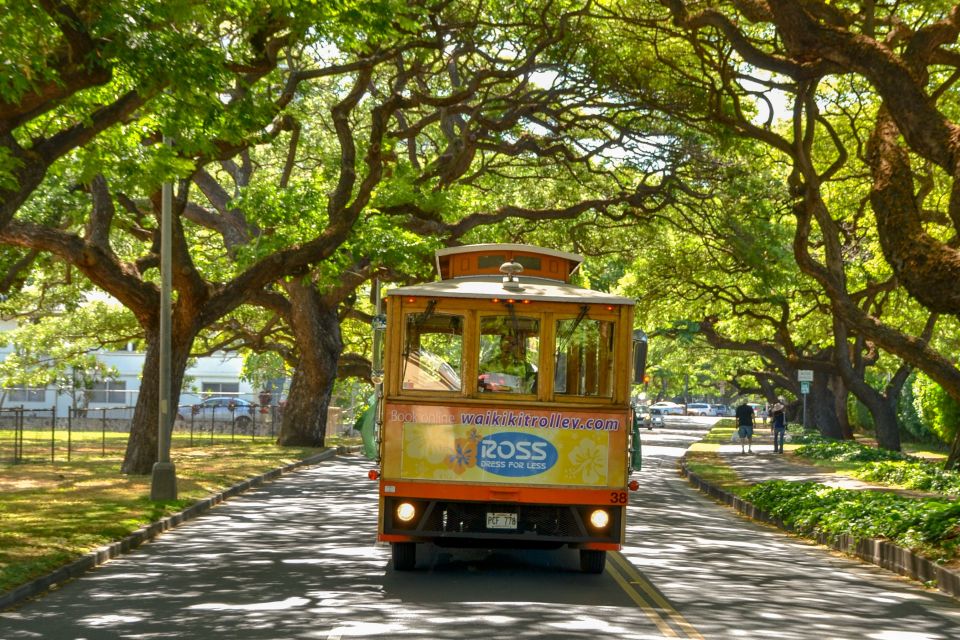
Four trolleys can cover your whole Waikiki day. I like the hop-on hop-off freedom around Honolulu, and I love how the lines stack big sights with real-life stops like Sea Life Park and Ala Moana Center. The one catch is that the Red Line can run shorter than the others, so you’ll want to ride it earlier in your day.
For the money, this $62 all-line pass makes sense when you want reliable transit without renting a car. In practice, the open-air trolleys feel like a moving vantage point, and the guides often turn the ride into a guided story with humor and photo breaks. Another plus: the drivers speak English, so you get the details without guessing.
Just know what’s not included. You get transportation and the guided narration on the trolley, but not museum or attraction admission, and not meals. Also, keep luggage simple, oversize bags and large bags aren’t allowed, so plan like a carry-on traveler.
In This Review
- Key things to know before you buy
- The Smart Value of a Four-Line Pass ($62) When You Don’t Want to Drive
- Blue Line: Coastal Views, Sea Life Park, and Local Stops That Feel Real
- Green Line: Getting to Diamond Head and KCC Farmers’ Market Without Stress
- Red Line: Honolulu Stories From Kings, Through WWII, Into Today
- Pink Line: Shopping and Dining Around Waikiki, Especially Ala Moana Center
- Entering Honolulu with Your Guide: Big Tony, Turk, Dino, Tanner, Dirk, Kimo, Oli
- How to Use Hop-On Hop-Off Like a Pro (So You Don’t Waste Time)
- Comfort, Rules, and Practical Tips for an Easy Ride
- Is This Pass Worth Booking for Your Oahu Plan?
- FAQ
- How long is the Waikiki Trolley Hop-on Hop-off All-Line Pass valid?
- What attractions or museum admissions are included?
- Are all four trolley lines included in this pass?
- Can I hop on and hop off anywhere along the route?
- Where do I meet the trolley?
- Is the trolley driver English-speaking, and are the trolleys wheelchair accessible?
- What items are not allowed on the trolley?
- Should You Book? A Quick Decision
Key things to know before you buy
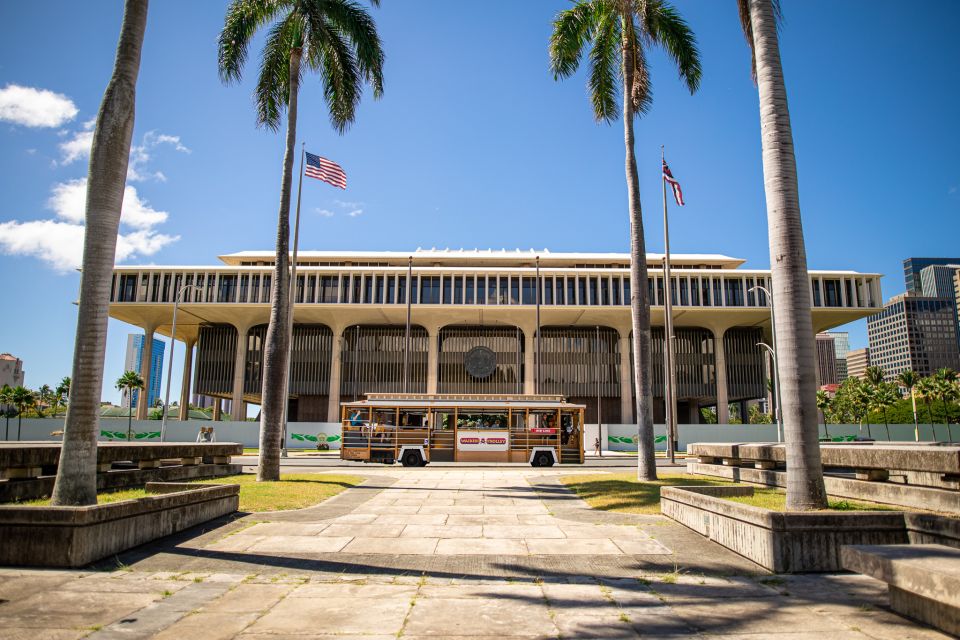
- All 4 lines included: Blue, Green, Red, and Pink under one pass for up to 4 days.
- Big views on the Blue Line: coastal scenery plus stops tied to local food and Sea Life Park.
- Diamond Head gets easy access: the Green Line is built for getting there from Waikiki.
- Shopping and dining focus: the Pink Line is the practical shuttle vibe, especially for Ala Moana Center.
- Guides make the ride: names you’ll hear a lot include Big Tony, Turk, Dino, Tanner, Dirk, Kimo, and Oli.
The Smart Value of a Four-Line Pass ($62) When You Don’t Want to Drive
This pass is priced like a shortcut. Instead of budgeting for taxis or paying ride-share prices all day, you buy one ticket and then use the trolley like local public transport with a built-in sightseeing script.
What makes it valuable is the coverage. The four lines don’t just zig-zag across Waikiki for the sake of it. They cover different “themes” of Oahu: coastal sights, cultural storytelling, a Diamond Head route, and a shopping/dining shuttle. If you’re in Waikiki for 1–4 days, that variety helps you build a day-by-day plan without overthinking.
Now, the trolley can’t replace admission tickets or meal plans. You still need to enter places on your own where needed. And you do need to pay attention to where you are hopping off, because this is hop-off transit, not a direct point-to-point tour bus.
You can also read our reviews of more tours and experiences in Oahu.


Blue Line: Coastal Views, Sea Life Park, and Local Stops That Feel Real
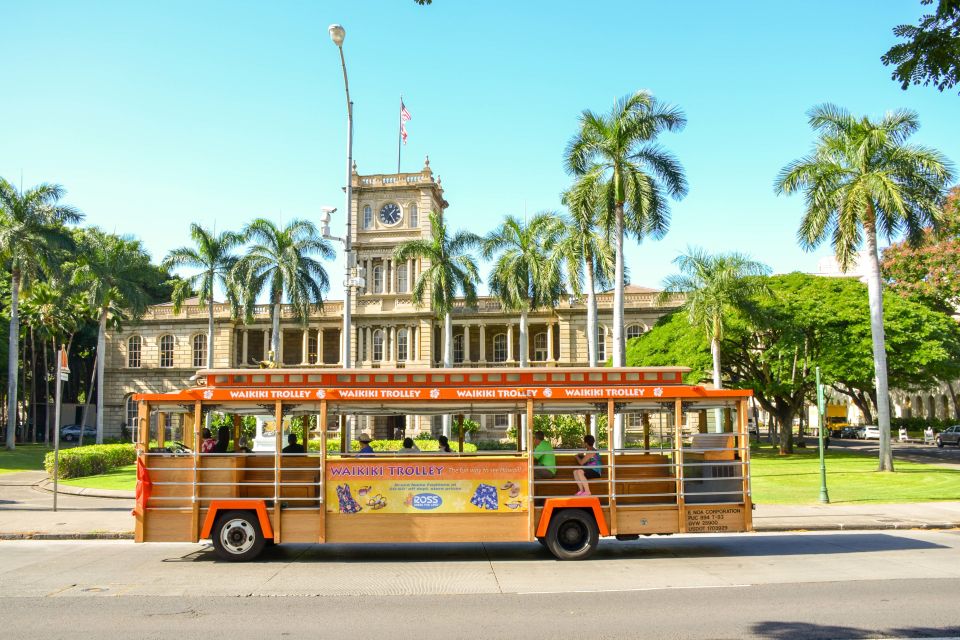
The Blue Line is the one I’d put first on most itineraries, because it gives you the “Oahu makes contact with the ocean” feeling fast. Expect a route that takes in coastal scenery, with a major anchor stop at Sea Life Park.
But what I like most is that it’s not only scenic. Along the way, you’re routed past places that help you build a real day: Kahala Mall, Diamond Market & Grill, and the ever-popular Rainbow stop for quick food or a break. It’s the kind of route that lets you do a little sighting, then switch gears to snacks or browsing.
A common win here is pacing. On the Blue Line, guides often pause so you can grab photos and cool off with water. One of the reviews even called out the Blue Line as a breathtaking coastal tour that runs a couple hours depending on what you do with hop-offs.
Possible drawback: if your goal is to hit a bunch of very specific timed attractions, a hop-on route means you’ll still be managing your own timing. The trolley helps, but it doesn’t control your whole schedule.
Green Line: Getting to Diamond Head and KCC Farmers’ Market Without Stress
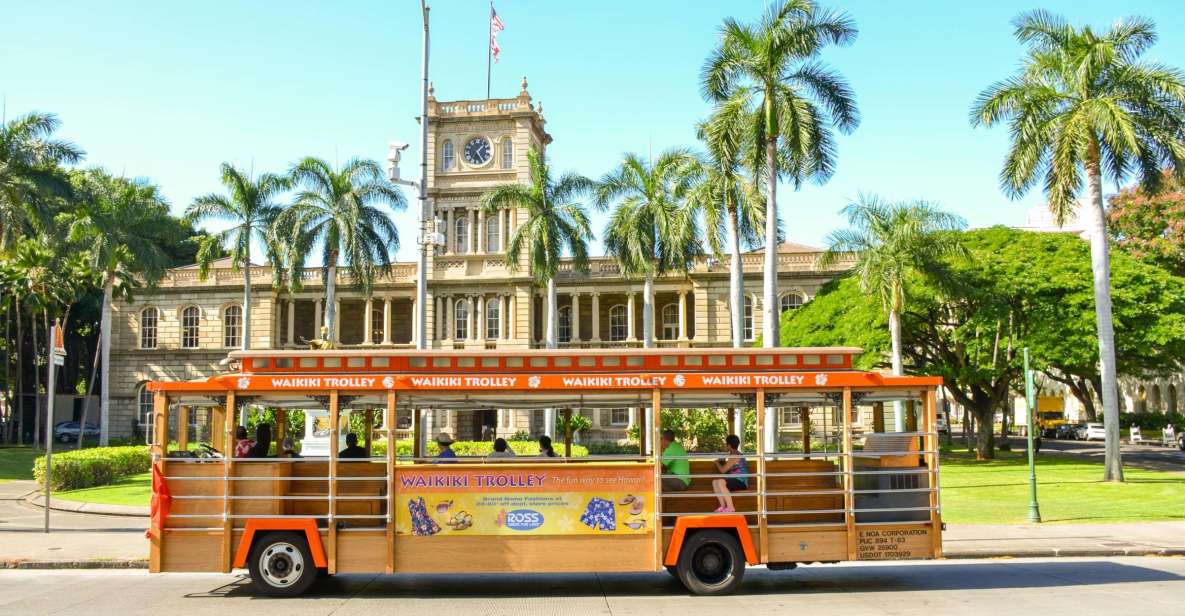
If Diamond Head is on your “must see” list, the Green Line is the easiest way to make it happen from the Waikiki area. This line is built around getting you to Diamond Head plus the KCC Farmers’ Market.
The appeal is simple: you’re not trying to figure out the logistics on your own while also handling parking, traffic, and the stress of “will we make it back?” The trolley does the legwork of placing you where you want to be.
Diamond Head is one of those spots where you’ll see people hustling, so you’ll enjoy arriving with time to look around, take photos, and decide how ambitious you want to be. The Farmers’ Market angle also matters because it’s an easy way to swap “views” for “local flavors” when your day needs a change.
If you’re short on time, I’d focus your morning or late afternoon on this line. It’s a straightforward way to turn one trolley ride into two satisfying stops.
Red Line: Honolulu Stories From Kings, Through WWII, Into Today
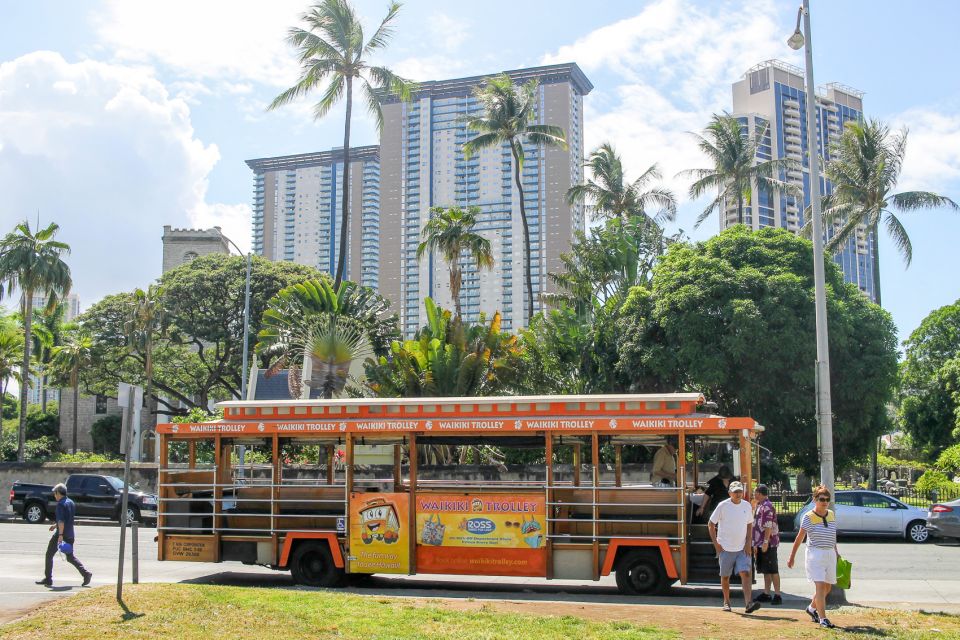
The Red Line works like a moving history lesson, and it’s also built for people who want more than beach postcards. Expect the trolley narration to trace Hawaii’s story from the era of kings and queens through WWII, and then to the cultures that influence the islands today.
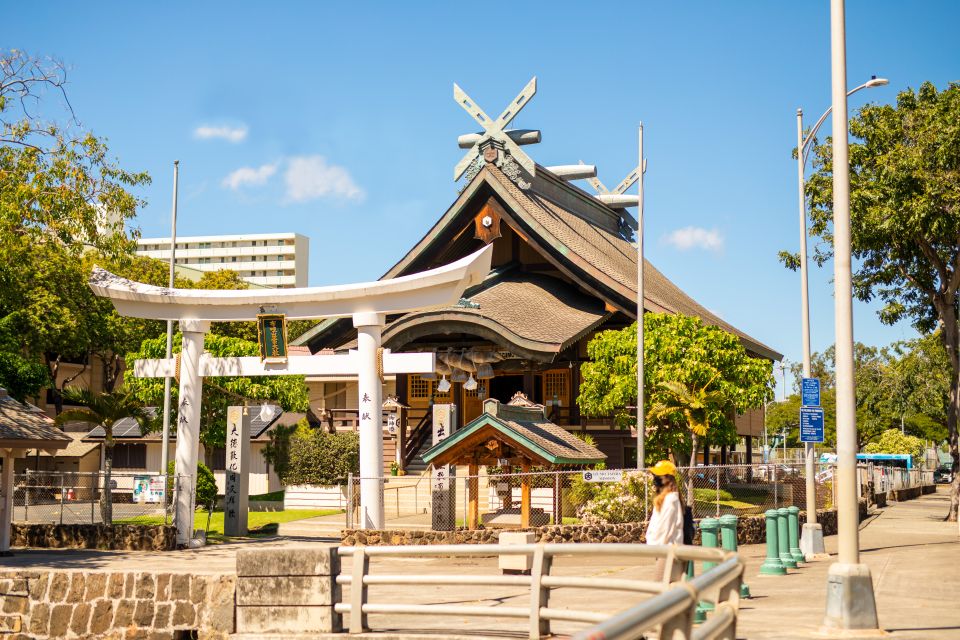
This line also fits well if you like walking around neighborhoods rather than just collecting viewpoints. The Red Line focuses on the City/Art District experience, which means you can ride, hop off to explore, and then come back when you’re ready.
Big practical tip: since one review noted that the Red Line ended earlier than the other lines, plan it for earlier in your stay or earlier in the day. If you wait until nightfall, you might feel rushed to finish.
If you want a “sit back and learn while someone else drives” option, the Red Line is the one that tends to feel the most story-driven.
Pink Line: Shopping and Dining Around Waikiki, Especially Ala Moana Center
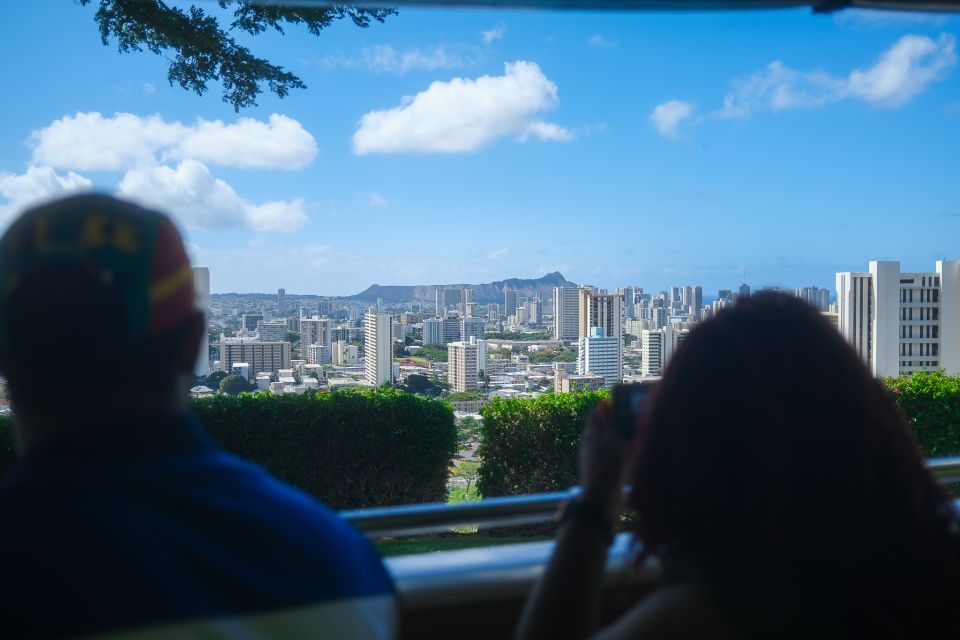
The Pink Line is your convenience line. Think of it as Waikiki’s shopping and dining shuttle, with stops designed to make it easier to move between places you’d actually want to visit, especially the big one: Ala Moana Center.
Ala Moana is a major shopping anchor, and that matters because it’s not only for visitors. It’s popular with locals, which usually means it feels more like an everyday destination than a “tour-only” mall.
One reviewer highlighted how frequently the Pink Line runs, noting it came about every 15 minutes. That kind of headway makes it easier to do a flexible day: shop for a couple hours, hop off for food, then hop back on when you’re done.
The Pink Line also helps you keep your trip balanced. If you’ve spent the morning on a “scenery” route like Blue or Green, Pink gives you an easy, low-effort afternoon shift into shopping and meals.


Entering Honolulu with Your Guide: Big Tony, Turk, Dino, Tanner, Dirk, Kimo, Oli
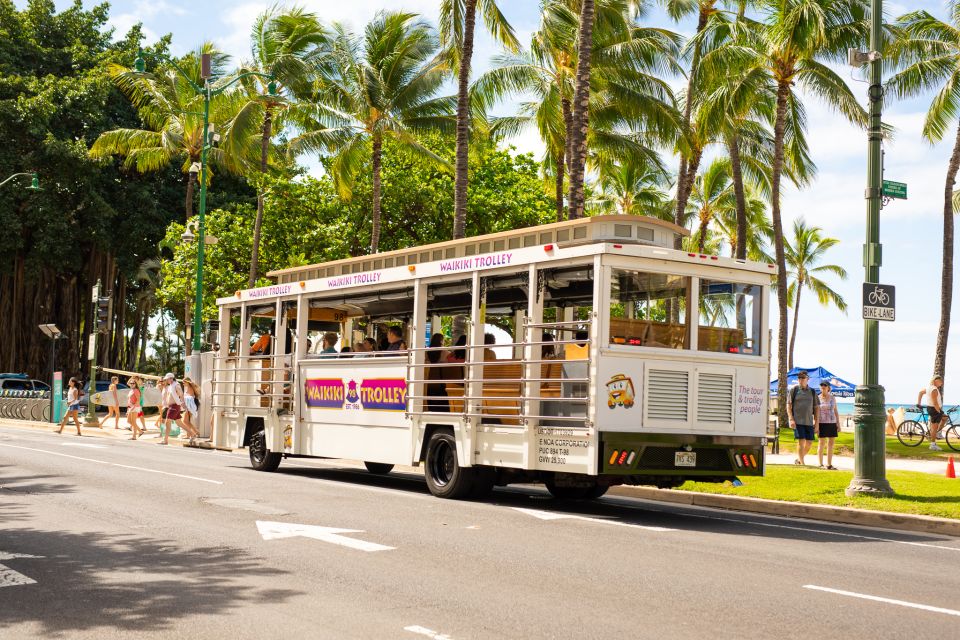
On this trolley system, the narration isn’t just background noise. It’s part of the product, and it’s often where the experience becomes memorable instead of merely convenient.
Here are some guide names people associate with strong rides: Big Tony, Turk, Dino, Tanner, Dirk, Kimo, and Oli. Across the feedback, what stands out is the mix of information and personality, funny delivery plus practical detail about what you’re seeing and why it matters.
I also like that the best guides adapt to real-life needs. One review described photo stops and water breaks, which can make a big difference in Hawaii, where the sun doesn’t care about your sightseeing plans. Another review called out humor alongside history, which helps if you’d rather learn without feeling like you’re trapped in a lecture.
One small note: not every review praised comfort. There’s at least one mention that seats weren’t comfortable. That doesn’t mean it’s bad for everyone, but if you’re sensitive to seating on rides, bring a light layer and plan to stretch at hop-offs.
How to Use Hop-On Hop-Off Like a Pro (So You Don’t Waste Time)
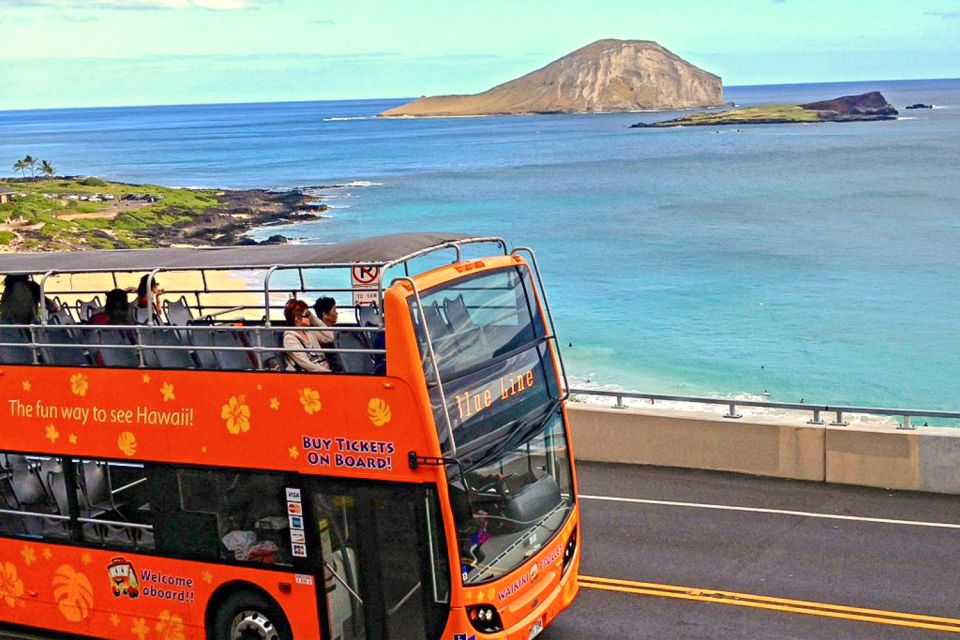
The trolley is simple: you can hop on and off at the stops around Waikiki, and schedules are listed on WaikikiTrolley.com. Meeting points can vary depending on what you booked, so plan your first day around finding your stop and getting oriented.
Here’s how I’d do it to keep things smooth:
- Start with one “anchor line.” If you’re doing Diamond Head, build your day around the Green Line. If you’re doing Sea Life Park, make the Blue Line your base.
- Use the other lines to fill gaps. Red for story + City/Art District; Pink for shopping/dining.
- Hop off when you have a plan, not just because you can. This is how you avoid turning a fun day into endless waiting.
- Schedule your most time-sensitive stuff early. Especially with the Red Line possibly running shorter.
If you’re the type who likes to explore at your own pace, this is a great format. You can do a 2–3 hour sightseeing block, then swap to food, then return. That flexibility is the point.
Comfort, Rules, and Practical Tips for an Easy Ride
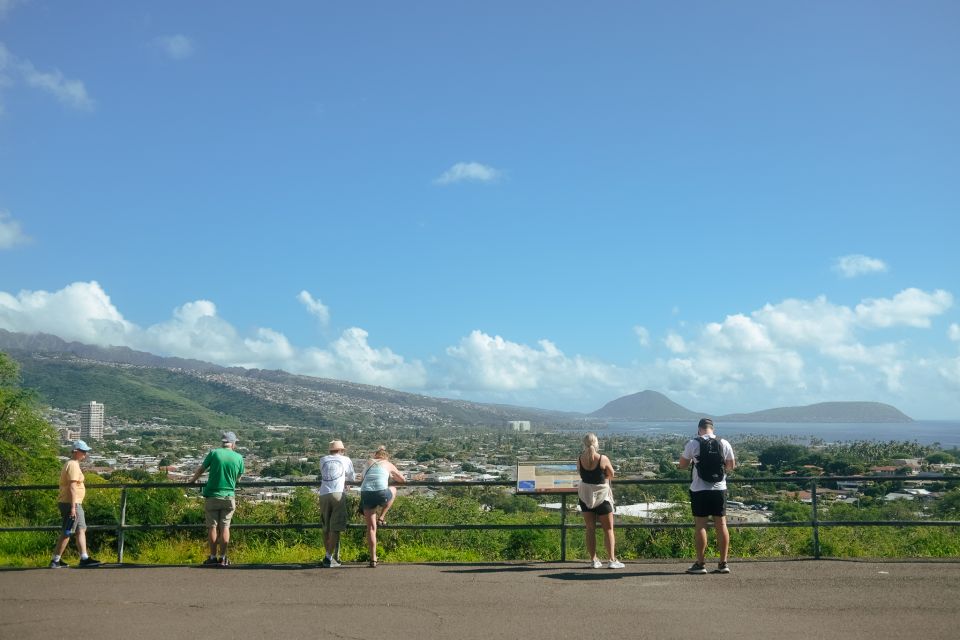
This is a trolley system, so you’re riding in a way that’s meant to feel open-air. Several reviews mention it being open air and cool/well ventilated, which is a real plus in Waikiki heat.
On the practical side, keep your trip baggage-friendly. Oversize luggage and large bags aren’t allowed. Smoking also isn’t allowed. If you travel with a lot of gear, that’s the one area to watch.
One more detail: the trolleys are described as clean and quiet in multiple reports, and the speakers in the trolleys were said to be audible from every seat. That helps if you don’t want to strain to hear the narration.
Is This Pass Worth Booking for Your Oahu Plan?
If you’re staying in Waikiki and want a low-stress way to cover big sights plus local-style stops, I think this is a smart buy, especially if you’ll use it across more than one day.
It’s a good fit for:
- First-time Waikiki visitors who want quick orientation
- People who don’t want to drive or who prefer not to juggle parking
- Travelers who enjoy guided stories and photo breaks
- Shoppers/foodies who want an easy route to Ala Moana Center
It may not be ideal if:
- You’re only in Oahu for a very short time and you’re pinning everything to specific timed tickets
- You want a true guided walking tour where you’re led inside attractions (this pass is about trolley access, not entry fees)
FAQ
How long is the Waikiki Trolley Hop-on Hop-off All-Line Pass valid?
The pass is valid for 1 to 4 days, depending on the option you choose. Check availability to see starting times.
What attractions or museum admissions are included?
Admission to museums and attractions is not included. You’ll use the trolley for transportation and narration, then pay separately if you want to enter specific places.
Are all four trolley lines included in this pass?
Yes. The pass includes access to all 4 Waikiki trolley lines.
Can I hop on and hop off anywhere along the route?
You can hop on and hop off at the trolley stops around Waikiki/Honolulu. Schedules and timetables are available on WaikikiTrolley.com.
Where do I meet the trolley?
The meeting point may vary depending on the option booked, so it can differ from one start time or pass type to another.
Is the trolley driver English-speaking, and are the trolleys wheelchair accessible?
The driver is listed as English-speaking, and the service is wheelchair accessible.
What items are not allowed on the trolley?
Oversize luggage is not allowed, and smoking is not allowed. Large bags or luggage are also not allowed.
Should You Book? A Quick Decision
Book this pass if you want one ticket that makes Waikiki feel smaller and easier. It’s especially worth it when you’ll ride more than one line across multiple days, because you’re not paying per attraction or per taxi hop.
If you only plan to do one or two rides total, you might still enjoy it, but you’ll get more value when you treat it like your main way to get around and use the lines as building blocks for your stay.