REVIEW · HONOLULU
Hawaii Volcanoes National Park Experience Departing from Oahu
Book on Viator →Operated by Hawaii Island Experiences, LLC · Bookable on Viator
A volcano day trip that starts on Oahu. This package ties an inter-island flight to a full day on the Big Island, with roundtrip airfare and Volcanoes National Park admission handled for you. You’ll also get a local guide who talks history and geology while you’re on the move.
I really like the way the day is built for first-time Big Island visitors. In a small group (up to 22 people), guides such as Henry, Mel, Brandon, or Jim keep the story moving and make the stops feel connected instead of like a checklist.
The trade-off is that it’s still a long day in transit. And volcano timing can’t be forced, so think of this as a front-row seat to active geology, not a guarantee of a dramatic eruption.
In This Review
- Key things that make this tour work
- How the Oahu-to-Kona day plan sets you up fast
- Inter-island flights and the Kona meeting point (what to expect)
- Greenwell Farms: Kona coffee before the volcano stops
- Manuka State Wayside Park: a quiet 2-mile trail on Mauna Loa
- Punaluʻu Bake Shop: the lunch stop you’ll remember
- Punaluʻu Black Sand Beach: turtles, basalt, and rough water
- Hawaii Volcanoes National Park: from visitor center to steam vents
- Mauna Kea Access Road and the Kohala Coast: colder air, big views
- Hilo: gardens, museums, and tsunami memory between drives
- Guide storytelling: why people talk about Henry, Mel, Brandon, and Jim
- Price and value: what $589.99 buys you in real terms
- What to bring: layers, shoes, water, and gas-safety awareness
- Pacing and logistics: the one-day “long van” reality
- Who should book this (and who should rethink it)
- Should you book from Oahu? My decision guide
- FAQ
- FAQ
- How long is the tour?
- Is roundtrip airfare included?
- What’s included once you’re on the Big Island?
- Do I need to pay for lunch?
- Where do I meet at Kona International Airport?
- What should I bring for Volcanoes National Park?
- Is the cancellation free?
- Are there any health or safety concerns to consider?
Key things that make this tour work
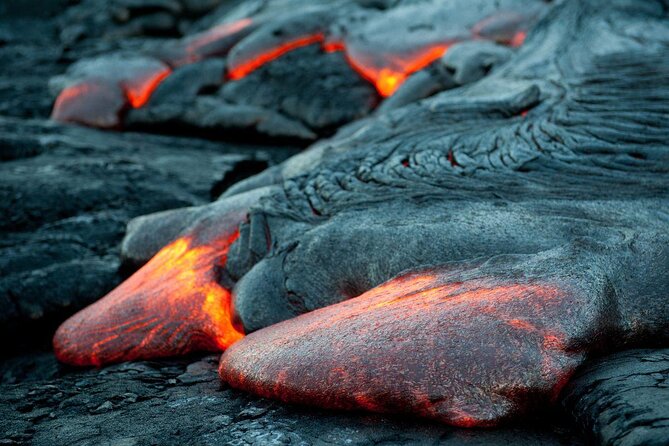
- Airfare + park entry + guide narration are bundled, so you don’t spend your limited time on logistics
- A small group format helps you stay together at stops and keeps the pacing calm
- Coffee-country history at Greenwell Farms gives context before you hit volcanic terrain
- Punaluʻu Black Sand Beach and lava-tube time deliver the classic Big Island nature hits
- Mauna Kea Access Road includes big climate shifts, so layers matter
- Multiple guides share strong on-the-ground storytelling, and you’ll likely hear a lot of local perspective
How the Oahu-to-Kona day plan sets you up fast
If you’re based on Oahu, getting to the Big Island can be the hard part: flights, transfers, rental cars, and figuring out what’s actually worth your time. This tour simplifies that. You’re not just “going to the volcano.” You’re getting flown into Kona and then carried through a full day of stops with a guide providing context along the way.
The biggest advantage is that it turns travel days into sightseeing time. You’re up and moving early, but you’re not also scrambling to plan routes between coffee country, South Point-area beaches, and Hawaii Volcanoes National Park. That matters when you only have a day and you want it to feel like the Big Island you dreamed about.
It’s also worth noting the tour is designed for real-world conditions. The park and surrounding areas can be wet and change fast at higher elevation. The tour guidance specifically recommends layers and a rain jacket, good advice, because your photos will be better when you’re not freezing and hurrying.
You can also read our reviews of more tours and experiences in Honolulu.



Inter-island flights and the Kona meeting point (what to expect)
Your day starts with the inter-island flight to Kona International Airport from Honolulu International Airport. From there, you’ll meet your group behind Alaska Baggage claim B-2, at the lot specified by the operator. The scheduled start time is 8:00 am, and the overall experience is about 12 hours.
This matters because it sets expectations for timing. You’re likely to feel like you’re doing a lot in one shot, especially if you’re coming from Oahu the same morning. Some people also felt there wasn’t enough pickup clarity if their flight was delayed, so I’d treat the start point instructions like a must-read checklist. If you can, screenshot them and double-check where you’re meeting before you walk off the jet bridge.
One good sign: the tour includes roundtrip airfare and air-conditioned vehicle transport. That reduces the two biggest “day-trip risks”: arriving tired and then having no car, or arriving with the wrong paperwork. Less friction means more time outside.
Greenwell Farms: Kona coffee before the volcano stops
The first major stop is Greenwell Farms, a long-running coffee farm in the Kona region on the slopes of Mauna Loa. It was established in 1850 by Henry Nicholas Greenwell, and it’s tied to the development of Kona coffee that became famous worldwide.
What I like about starting here is that it gives you a framework for the rest of the day. Volcanic islands are more than lava and craters. The soil and the microclimates also shape food, coffee included. At this stop, the guide can connect the dots between volcanic ground, rainfall patterns, and why the Kona district grows such high-quality beans.
Practical note: this is scheduled for about 30 minutes with admission free. That’s short, so go in with the mindset of a quick orientation. Look at the setting, enjoy the coffee-history story, and use the time to ask how the farm’s location and climate affect flavor, then keep your energy for the park.
Manuka State Wayside Park: a quiet 2-mile trail on Mauna Loa
Next you’ll hit Manuka State Wayside Park, a smaller, peaceful 13-acre area along the Hawaii Belt Road (Highway 11). It sits on the slopes of Mauna Loa and includes wet and dry forest ecosystems, which is a big deal for native plants.
The highlight here is the Manuka Nature Trail: a 2-mile walk designed to show off lush native forest, plant variety, volcanic features, and the area’s geology and ecology. You’ll also find interpretive signs along the trail, which helps you get more from what you’re seeing instead of just wandering.
This stop is a great “reset” after the drive. Also, it’s ideal if you like nature without the crowds. The tour keeps it around 30 minutes, so it’s more of a taste than a full hike, but that fits the day-trip style.
A small caution: the trail runs on uneven ground. Wear sturdy closed-toe shoes. Flip-flops aren’t a great plan here, even if the weather looks warm at first.
Punaluʻu Bake Shop: the lunch stop you’ll remember
Punaluʻu Bake Shop is one of those places that makes a day-trip feel real. It’s in Naʻālehu on the Big Island, and it’s known for traditional Hawaiian sweet bread in flavors like taro, guava, and mango. Opened in 1991, it’s also described as the southernmost bakery in the U.S.
Here’s why I think it works well in the middle of this tour: it’s your lunch break with an easy cultural angle. You can grab a sourdough sandwich, Hawaiian plate lunch, or something from their baked goods and gift shop. The operator says lunch choices can include items like Kalbi beef and other local options, and you can also add sweets on the side.
The main drawback is that it can get busy. One review noted tight time windows and a packed shop. So my advice is simple: decide early what you want before you line up. If you want lunch and desserts, pick which one is your priority, then leave the rest for later or for the next stop on your Big Island day.
Also, bring cash if you can. The day includes roadside stands and shops where cash-only is common, and you don’t want to be stuck sorting payment mid-walk.


Punaluʻu Black Sand Beach: turtles, basalt, and rough water
Punaluʻu Black Sand Beach is famous for its black sand, made from volcanic basalt. It’s set among coconut palms and is a popular place to watch Hawaiian green sea turtles haul out and rest along the shore.
This stop is around 30 minutes. That’s enough time to see turtles if you’re there at a good moment, but it’s not a long beach day where you can relax for hours. Come prepared to stand, look, and take photos, then move on.
One important reality: the water can be rough, so it’s not really a “swim” beach for most visitors. Even if you’re tempted, prioritize safety and stick to viewing rather than playing in the surf.
Hawaii Volcanoes National Park: from visitor center to steam vents
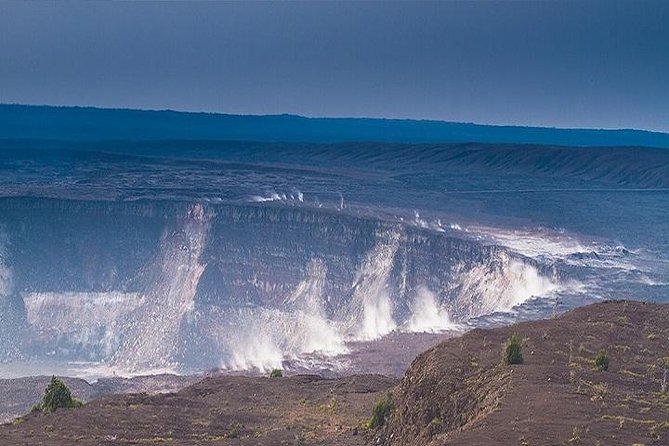
This is the heart of the day, and it’s scheduled for about 2 hours at the park. That time can feel both short and perfect, depending on your style. With a guided route, you get key areas without spending half your day figuring out where to park and what to see.
The park experience begins at the visitor center, where you can learn geology and local history basics before heading out. Then the stops are built around the main volcano story:
- Halemaʻumaʻu Crater is where you look for the glow of molten lava. This is the part people remember, and the viewing you get depends on conditions and what the volcano is doing that day. Don’t plan for a guaranteed “eruption show,” but do expect active geothermal energy and dramatic visuals.
- Kīlauea Iki Rainforest Lookout adds contrast. You’re not just looking at barren rock. You’re seeing a lush rainforest surrounding a major crater, which helps you understand how quickly life and geology work together on the island.
- Thurston Lava Tube is a real physical reminder of how lava once flowed. Walking through a tunnel formed by past lava gives you scale and texture you can’t see from a viewpoint alone.
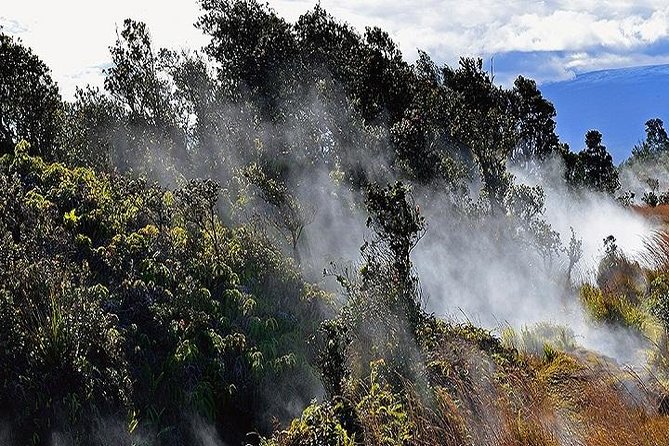
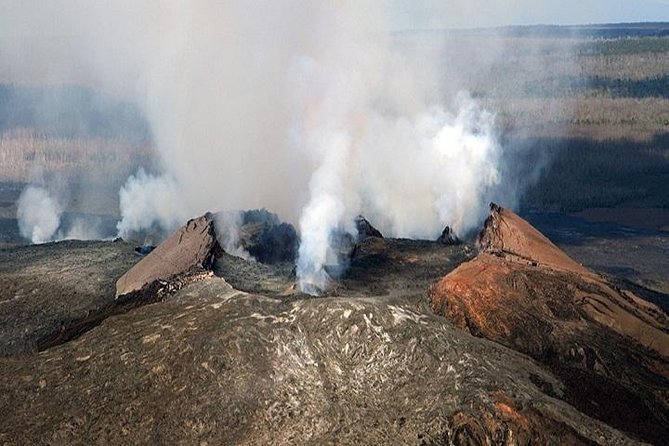
- Active steam vents deliver heat rising from the ground. It can smell strongly and feel intense, which is exactly the point: the volcano isn’t “a monument,” it’s a living system.
Safety note you should treat seriously: volcanic gases can be harmful, especially if you have respiratory issues. The tour information specifically calls out sulfur dioxide and asthma-like conditions. If that’s you, talk to a medical professional beforehand and let your guide know. And always follow marked-trail rules, volcano areas can be unpredictable.
Weather is also not optional. Bring a rain jacket and expect rapid changes. Even if the forecast looks fine, higher elevation and ocean-air mixing can change your comfort level fast.
Mauna Kea Access Road and the Kohala Coast: colder air, big views
After the park, the route heads toward higher elevation territory. The Mauna Kea Access Road is described as steep and winding, starting from Saddle Road (Route 200), with the drive moving through different climate zones. As you climb, the air thins and temperatures drop.
This is a stop where I’d plan carefully. Layers are not a suggestion; they’re how you stay comfortable enough to enjoy the views. A hat can help, and a rain layer can save your mood if clouds roll in.
The tour also mentions the Kohala Coast, known for beaches, luxury resorts, and scenic viewpoints, with a drier climate compared to other parts of the island. In practice, that means you often get a different feel than the wetter sides you may have seen earlier in the day.
If you’re prone to altitude discomfort, take it slow and listen to how you feel. The data here is clear that air thins as you go up, even if the tour stays brief at high points.
Hilo: gardens, museums, and tsunami memory between drives
The route also includes stops around Hilo, which has a mix of culture, history, and museums. The Lyman Museum is highlighted for showcasing Hawaii’s natural and cultural history. You’ll also find the Hilo Historic District with preserved early 20th-century buildings, plus the Pacific Tsunami Museum, which focuses on tsunami impact and education.
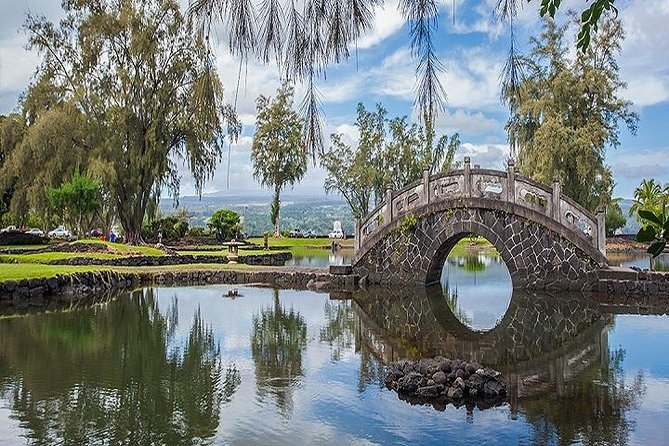
There’s also a calmer stop: Liliuokalani Gardens, which honors Hawaii’s last reigning monarch, Queen Liliuokalani. And if you’re there for food-and-local-life energy, the Hilo Farmers Market is mentioned as a lively hub for locally sourced goods.
Not every visitor loves Hilo-style pacing if they came only for lava. But if you want the Big Island to feel like more than a nature theme park, these cultural stops add meaning. They help you understand how Hawaii remembers its forces, geology included, and how communities live with that reality.
Guide storytelling: why people talk about Henry, Mel, Brandon, and Jim
The strongest common thread in the feedback is the guide. People repeatedly highlight that their host makes the day easier to enjoy and harder to forget. Names that show up in this context include Henry, Mel, Brandon, and Jim.
What matters for you: these guides don’t just recite facts. They connect the dots between what you see and why it exists. You’ll hear geology explanations, cultural context, and safety reminders built into the drive between stops.
Also, some guides are flexible. One person described a plan adjustment to add an extra crater-road style experience because the group stayed on schedule. That’s a big deal for a day trip: timing is everything, and a guide who can work with it helps you get more value from your ticket.
A small practical idea from the feedback: if you’re the type who likes to know names, do a quick self-introduction at the start. A few people said they didn’t know others in their group by the end, and in a small group, learning names adds to the comfort.
Price and value: what $589.99 buys you in real terms
At $589.99 per person, this tour isn’t cheap. But for an Oahu-based traveler, it can be good value when you look at what you’re avoiding:
- You’re not paying separately for inter-island flights that match your schedule.
- Park admission is included for Hawaii Volcanoes National Park.
- A guide is included, not just a driver. That narration is where you get the meaning out of the stops.
- Ground transport is handled, using an air-conditioned vehicle for long drives and weather shifts.
What you should weigh is the reality of a one-day format. You’re spending a lot of time in the van, and a review note described it as a sizable portion of the day. That’s normal for a Big Island day that hits Kona-area coffee, southern coast stops, and Volcanoes National Park plus higher-elevation viewpoints.
So I’d frame it like this: you’re paying for time saved and a guided plan that tries to hit the highlights without you wrestling with logistics. If you want lots of free time, this won’t feel like that. If you want a well-structured, information-rich sampler, it’s a solid deal.
What to bring: layers, shoes, water, and gas-safety awareness
The tour’s advice is straightforward, and you should follow it:
- Sturdy closed-toe shoes. Volcanic terrain can be uneven and sharp.
- Layers plus a rain jacket. Higher elevations can get cool and wet quickly.
- Water and snacks. Limited services inside the park mean you should be ready.
- Sunscreen and a hat. Even with clouds, sun can sneak up.
- Plan for limited cell service. The park and surrounding areas may have weak or no signal, so download maps or save key info ahead of time.
If you have respiratory issues, take the volcanic gas warning seriously. Sulfur dioxide is specifically mentioned as a concern, and it can worsen asthma-like conditions. In that case, ask your doctor and consider whether you want to be in steam and vents at all.
And yes, bring cash if you can. Some food and roadside shops may be cash-only.
Pacing and logistics: the one-day “long van” reality
This experience is about 12 hours, and it runs from early morning. Some feedback mentioned a long day that can stretch well beyond sunrise depending on flight timing and where you’re staying on Oahu.
The most common pacing complaint is driving time. Distances on the Big Island add up. You might spend a big chunk seated, and it can feel like less time at each location. The upside is that the guide uses that drive time well with stories, context, and safety notes.
Also, flight delays can add stress. One person described a late arrival and said pickup could have been clearer by baggage claim, though the guide and day still turned out great. If you’re easily thrown off by schedule changes, build in patience and keep your meeting instructions handy.
Who should book this (and who should rethink it)
This tour makes the most sense if you:
- Want a Big Island highlights day but only have time to do it from Oahu
- Like learning the why behind what you see, coffee, volcanic geology, and cultural history
- Prefer a small group and a guide who keeps things moving
It may be less ideal if you:
- Hate long days and lots of van time
- Need guaranteed eruption visuals. Active areas don’t follow schedules.
- Have significant respiratory limitations. The park can have volcanic gases, and you’ll be near steam vents.
If you fit the first group, it’s a strong “best shot in one day” plan.
Should you book from Oahu? My decision guide
I’d book this tour if your priority is a guided, structured Big Island day with less planning stress than doing it yourself. The bundle value is real: airfare, park entry, and local narration are included, and the small group format helps you actually enjoy the stops.
I wouldn’t book it if your dream is a relaxed beach day or if you’re hoping for a sure-bet eruption. This is geology, not fireworks. But if you’re okay with that and you want a serious introduction to Hawaii Volcanoes National Park plus iconic South Coast sights, this is a very workable way to do it from Oahu.
FAQ
FAQ
How long is the tour?
It’s listed as approximately 12 hours.
Is roundtrip airfare included?
Yes. Roundtrip airfare from Honolulu International Airport to Kona International Airport is included.
What’s included once you’re on the Big Island?
You get an air-conditioned vehicle, Hawaii Volcanoes National Park admission, and narration from a local guide.
Do I need to pay for lunch?
Meals are at your own expense. You’ll stop at Punaluʻu Bake Shop, where you can buy lunch and snacks.
Where do I meet at Kona International Airport?
Meet in the lot behind Alaska Baggage claim B-2.
What should I bring for Volcanoes National Park?
Bring water, snacks, sunscreen, a hat, and layers including a rain jacket. Wear sturdy closed-toe shoes.
Is the cancellation free?
Free cancellation is allowed up to 24 hours before the experience start time for a full refund.
Are there any health or safety concerns to consider?
The park can have volcanic gases, and the tour data specifically notes this could be an issue for people with respiratory conditions. You’ll also be walking on uneven volcanic terrain, so follow safety and stay on marked trails.