REVIEW · HONOLULU
First-Time Scuba Diving in Honolulu + Free Videos
Book on Viator →Operated by Try Scuba Diving-Honolulu · Bookable on Viator
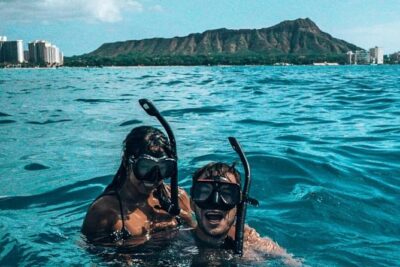
Tank nerves? Then start here in Honolulu. This small-group try-scuba lesson in Oahu gives you a safety talk and full gear fitting, then takes you under the surface in calm water to about 15 feet, with a real chance of seeing sea turtles and other reef life.
I especially like the take-home GoPro video and the photos your instructor captures during your session. Multiple people note they receive the media right after, often via airdrop.
One possible drawback: water clarity and conditions can change your experience. When visibility is less than ideal, you may see fewer animals, and the whole outing can feel more like a short, controlled training session than a wide-open ocean roam.
In This Review
- Key highlights worth your attention
- Honolulu is a smart place for your first time underwater
- Gear fitting and safety prep happen before you go under
- Magic Island Lagoon start: where calm starts matter
- Stop 1: Your first underwater skills at shallow depth
- Stop 2: Ala Moana Beach Park and the best chance to spot marine life
- Your instructor’s role: patience, calm, and constant check-ins
- What you get after: GoPro video and photos to take home
- Price and value: why $89 is more than just a taste
- Who this fits best (and who should think twice)
- Weather and water clarity are part of the deal
- Should you book this first-time scuba session?
- FAQ
- Do I need scuba certification for this experience?
- How deep will we go?
- Do I need prior swimming experience?
- What’s included in the price?
- Where do we meet, and is hotel pickup included?
- What about glasses or contact lenses?
- How big is the group?
- Is it safe to fly soon after the session?
- What happens if weather is bad?
Key highlights worth your attention
- Max depth around 15 feet keeps things beginner-friendly and controlled
- All scuba gear included means you just show up and get fitted
- Small groups up to 16 people help the instructor keep close tabs on comfort and safety
- In-water coaching starts in waist-deep water so you can build confidence fast
- GoPro video and photos give you a real souvenir, not just memories
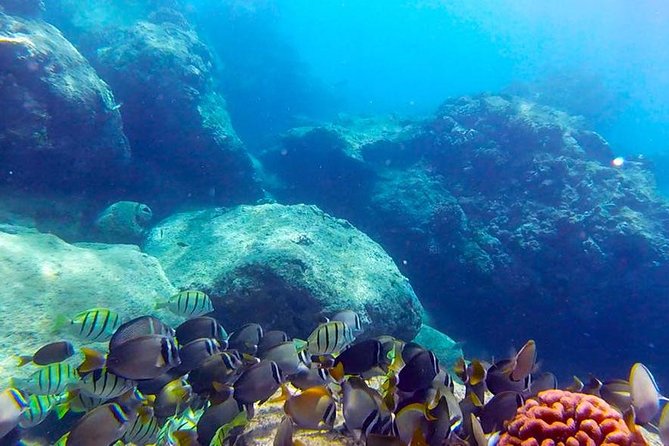
- Watch for turtles, octopus, and starfish as you progress to deeper water
Honolulu is a smart place for your first time underwater
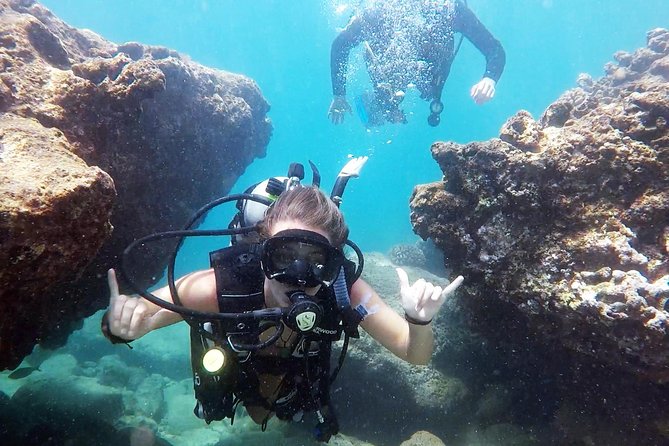
Honolulu is set up for beginners. The lesson takes place on the Oahu side, and your timing is short enough that you’re not committing your whole day. You also get a training structure that doesn’t assume you already know buoyancy, breathing, or how to use mask and regulator gear.
I like that the goal here is practical confidence. You’re not trying to impress anyone. You’re learning how to feel steady while you breathe, how to stay aware of your air, and how to move in a way that’s respectful to marine life.
The experience is also built for people who want something “wow” without needing certification. With a high rating (4.9) and strong recommendation rate (98%), it’s clearly a popular first-step option.
You can also read our reviews of more scuba diving tours in Honolulu
Gear fitting and safety prep happen before you go under
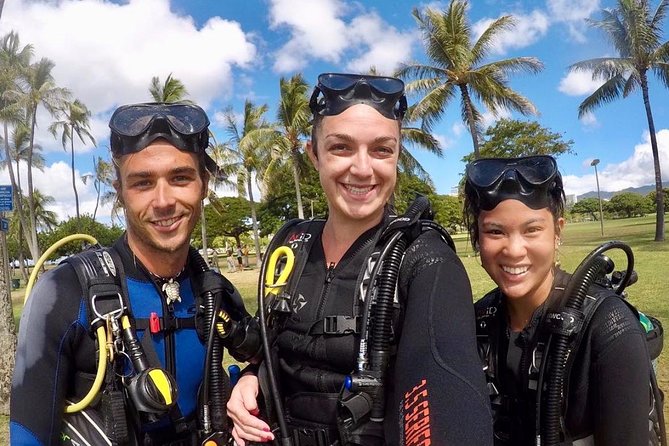
Before you ever get underwater, you’ll meet your guide and get fitted with your wetsuit and scuba gear. Expect the usual beginner questions, how it fits, how it works, and what to do if something feels off. That’s the big value of doing this with a professional instructor: they help you avoid the panic that comes from not knowing what you’re feeling.
Right after gear fitting, you get a safety briefing. The focus is simple: how the equipment should feel, how to breathe, how to follow instructions, and what the plan is if conditions change. Then you start in waist-deep water, where you can stand, reset, and feel comfortable without being fully committed underwater.
If you wear prescription glasses, this is where you need to pay attention. Prescription glasses cannot be worn under the scuba or snorkel mask. Contacts are allowed, or you may go without. Also note the magnification effect: objects can look about 25% closer and larger underwater, which can change how you judge distance at first.
Magic Island Lagoon start: where calm starts matter
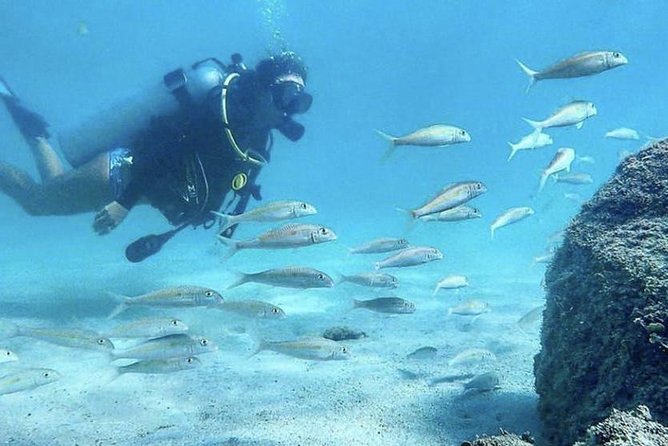
Your meeting point is Magic Island Lagoon in Honolulu. From there, your session runs back to the same meeting point after you finish.
This location choice matters. A lagoon-area start is a big part of why this works for first-timers. You don’t have to jump into the deep end mentally, because the lesson begins with fitting and then moves to shallow water practice.
Also, you’ll want to be ready to walk with the equipment. The tour notes you should have moderate physical fitness and be physically able to walk while carrying the gear. If you’re planning to bring anyone who’s nervous about stairs or uneven ground, I’d factor that in.
And yes, your guide may have a very chill teaching style. In the feedback, instructors like Danny, Alex, Nick, Dan, Rida, and Aleksander show up again and again for being patient and focused on making nervous first-timers feel safe. Whoever you get, the pattern is consistent: instructions come early, and support stays close.
Stop 1: Your first underwater skills at shallow depth
Your first main stop is the start of the underwater training experience. The structure is straightforward:
1) Meet and get fitted with wetsuit and scuba gear
2) Listen to a safety briefing
3) Start in waist-deep water to build comfort
4) Once you’re steady, go deeper and explore
That waist-deep phase is the unsung hero. You get to check the fit of your mask, confirm your breathing rhythm, and practice moving slowly while staying calm. For many beginners, that step is the difference between feeling in control and feeling like the gear is steering your body.
Then you progress. The max depth is around 15 feet, so you’re not doing long bottom times or complex underwater maneuvers. Instead, you’re focusing on staying relaxed and letting the reef life come to you.
A few practical notes I’d take seriously before you head in:
- You don’t need swimming experience, but you do need to be comfortable in the water. Comfort matters more than athletic skill.
- The lesson is small-group sized, but you still need to follow directions closely.
- The instructor stays with you, and they’re monitoring how you’re doing the whole time.
Some people describe the overall session as fast and focused. That’s true. This is a try-and-learn outing designed to cover the essentials without turning into a multi-hour training marathon.
Stop 2: Ala Moana Beach Park and the best chance to spot marine life
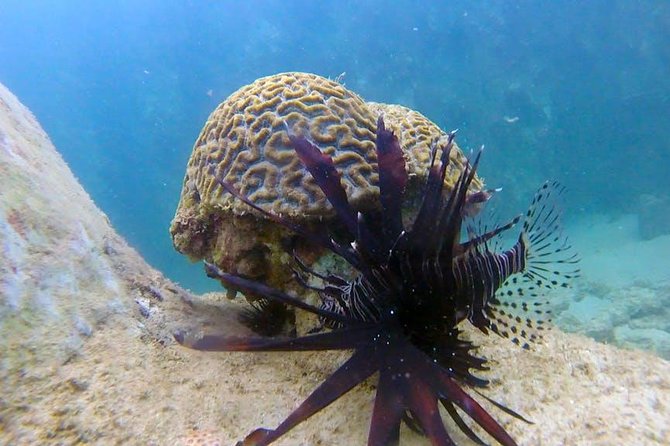
The session includes Ala Moana Beach Park as the second stop. For beginners, this matters because the water conditions are generally set up for short, controlled underwater time. Your max depth still stays around that beginner ceiling, and the guide helps you explore without turning it into a solo expedition.
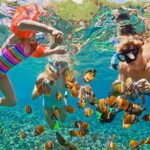
What you’re looking for is tropical marine life, not a checklist of rare species. Depending on water clarity and current conditions, you might see:
- green sea turtles
- octopuses
- sea stars
- a variety of colorful tropical fish
Here’s the thing: marine life sighting is never guaranteed. A couple of people noted that conditions can affect visibility and how much you can see. If you’re booking with a strong expectation of seeing every animal on the planet, temper it. Go in hoping for great encounters, not insisting on them.
One more smart tip comes from how people talked about timing. An instructor mentioned that earlier sessions can help for marine life viewing. If your schedule allows, I’d choose the earliest time you can handle.

Your instructor’s role: patience, calm, and constant check-ins
For first-timers, the instructor is the tour. That shows up in the feedback again and again: people describe instructors as patient, thorough, and quick to correct issues with mask fit, fin comfort, and breathing.
Some examples from the instructor names called out include:
- Danny being amazing and very supportive
- Alex being patient with nervous learners and taking clear underwater videos/pictures
- Nick making people feel comfortable and safe the entire time
- Dan being chill and focused on safety
- Rida being friendly and doing lots of photos/video
You’ll also notice a theme: safety doesn’t feel like a lecture. It feels like guided coaching in real time. That’s what you want when you’re learning how to equalize, move slowly, and avoid panic.
And if you’re anxious on shore, this setup helps. The training begins with land-based instructions and a structured water progression, so you’re not thrown into uncertainty.
What you get after: GoPro video and photos to take home
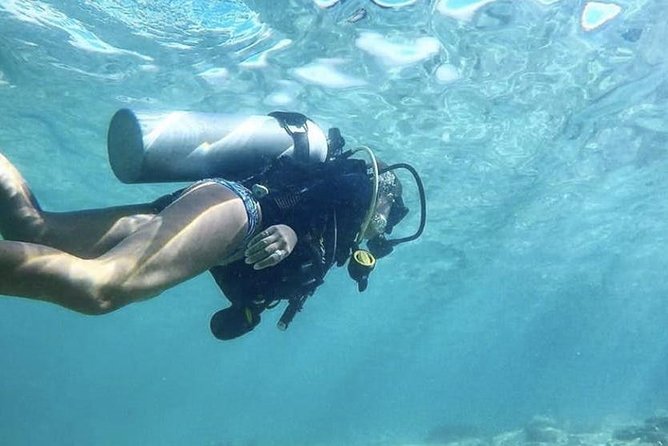
The tour includes complimentary underwater media. Your guide captures video and pictures during the session and you take the GoPro video home at the end.
From the experience reports, many people mention receiving the media quickly after the session, often via airdropped files. That’s a practical perk. You don’t have to wait days to remember what you saw. You can also show friends and family right away, which is half the fun.
One caution: if the camera malfunctions, there’s no refund. That’s not to scare you, just to set expectations. When you’re booking, treat the video as a included extra, not a promise worth arguing over if something technical happens.
Also, if you want to maximize what gets recorded, keep your movements calm and follow your instructor’s hand signals. The steadier you are, the easier it is for them to film you clearly.
Price and value: why $89 is more than just a taste
At $89 per person for about 1 hour 30 minutes, this isn’t a budget bargain, but it does make sense for what’s included. You get:
- a guided scuba experience with no prior certification needed
- all scuba gear and equipment
- instruction and safety briefing
- small-group attention
- take-home underwater GoPro video and complimentary media
The biggest value driver for me is the gear and coaching. A first-timer trying to rent gear and figure things out on their own would cost more in both money and stress. Here, the cost covers the equipment and the “how-to” so you can spend your time doing the underwater part.
And because the max depth is around 15 feet and the group is limited (up to 16 people), the instruction is built for beginners. That helps with value because you’re not competing for attention.
Who this fits best (and who should think twice)
This is ideal if you:
- want a first-time underwater experience without certification
- prefer a structured lesson over a long, wandering outing
- are comfortable in water (even if you’re not a strong swimmer)
- can walk with scuba equipment and meet a moderate physical fitness level
It’s also a good pick if you want a souvenir you’ll actually use. The included GoPro video and photos make the outing feel complete.
Consider thinking twice if:
- you get strongly motion-sick in new environments and need flexibility with schedules (water conditions matter)
- you expect open-ocean exploring at great depth (this is shallow training, not deep-water adventuring)
- you wear prescription glasses and don’t plan to use contacts or go without, since glasses can’t be worn under the mask
One more practical point: flying soon after scuba isn’t recommended. The tour notes that flying within 12 hours after your session is not recommended. Plan your itinerary accordingly, especially if you’re connecting to another island or going home the same day.
Weather and water clarity are part of the deal
The tour requires good weather. If conditions are poor, you’ll be offered a different date or a full refund. That’s normal for ocean activities.
What’s less predictable is water clarity. A small number of experiences mention murky conditions and limited marine life. That doesn’t mean the tour is bad, it means your underwater viewing depends on real ocean variables.
So I recommend going in with the right mindset:
- expect a guided beginner lesson
- hope for great sea turtle and fish sightings
- accept that visibility can vary
That mindset usually leads to a happier trip, even when conditions aren’t perfect.
Should you book this first-time scuba session?
If you want a friendly, controlled way to try scuba in Honolulu, this is a strong choice. The core reasons: beginner-focused coaching, all gear included, shallow max depth (~15 feet), and a real take-home GoPro video.
I’d book it if you’re nervous but willing to listen, because the instruction style described by people who got instructors like Danny, Alex, Nick, Dan, and Rida sounds patient and safety-first. And I’d choose it if you want marine life sightings like sea stars, octopus, and turtles without needing certification.
Skip it only if you can’t be comfortable in the water, you’re planning to fly within 12 hours, or you strongly need perfectly clear water guaranteed. Ocean conditions are part of the experience.
If you match the “comfortable in water, curious to learn, short time commitment” profile, you’ll likely come away feeling proud you did it.
FAQ
Do I need scuba certification for this experience?
No prior certification is needed. The lesson is designed as a beginner-friendly introduction or refresh.
How deep will we go?
The max depth is around 15 feet.
Do I need prior swimming experience?
No swimming experience is necessary, but you must be comfortable in the water.
What’s included in the price?
You get a guided scuba experience with a safety briefing, all required scuba gear/equipment, a small-group format, and complimentary underwater GoPro video and videos/photos.
Where do we meet, and is hotel pickup included?
You meet at Magic Island Lagoon in Honolulu. Hotel pickup and drop-off are not included.
What about glasses or contact lenses?
Prescription glasses cannot be worn under scuba or snorkel masks. Contact lenses are allowed, or you may go without.
How big is the group?
It’s a small-group experience with a maximum of 16 people per booking.
Is it safe to fly soon after the session?
Flying within 12 hours after scuba is not recommended.
What happens if weather is bad?
The experience requires good weather. If it’s canceled due to poor weather, you’ll be offered a different date or a full refund.