REVIEW · OAHU
Group Surf Lesson in Honolulu
Book on Viator →Operated by Adventures in Paradise Oahu · Bookable on Viator
Waikiki turns first-timers into wave-chasers fast. What makes this lesson interesting is the local, island-born coaching and the focus on real-world skills like wave choice and surf etiquette you can use right away. I like that you’re not just learning to pop up, you’re learning how to navigate the lineup with other surfers, and you’ll get hands-on time rather than a long lecture. One possible drawback: if you’re counting on a full, uninterrupted stretch of time, I’d confirm the exact lesson duration, since at least one family found the session ran shorter than what they expected.
This is set up for family and friends to learn together, and you stay within your own group rather than mixing with strangers. You’ll meet at the Hilton Hawaiian Village Waikiki Beach Resort and return to the same spot when you’re done. Expect a practical, active lesson at a beach that’s famous for a reason, and plan on a moderate fitness level since you’ll paddle and balance for a while.
In This Review
- Key Things to Know Before You Paddle Out
- Waikiki Beach: Why This Spot Works for Learning
- Meeting at Hilton Hawaiian Village and Getting Ready
- The 1.5-Hour Lesson Flow: From Shore Practice to Real Waves
- Surf Etiquette: How to Catch Waves Without Causing Chaos
- Instructor Energy: Why the Teaching Style Matters
- Included Gear vs. What Can Add Up
- Practical Tips That Improve Your Chances of Catching More Waves
- Who This Lesson Is Best For (And Who Might Want a Different Day)
- Price and Value: What $125 Gets You in Waikiki
- Should You Book This Waikiki Surf Lesson?
- FAQ
- How much does the group surf lesson cost?
- How long is the surf lesson?
- What is the minimum age to join?
- Is this lesson private for just my group?
- What gear is included?
- Where is the meeting point?
- What physical fitness level do I need?
- Do they cancel if weather is bad?
Key Things to Know Before You Paddle Out
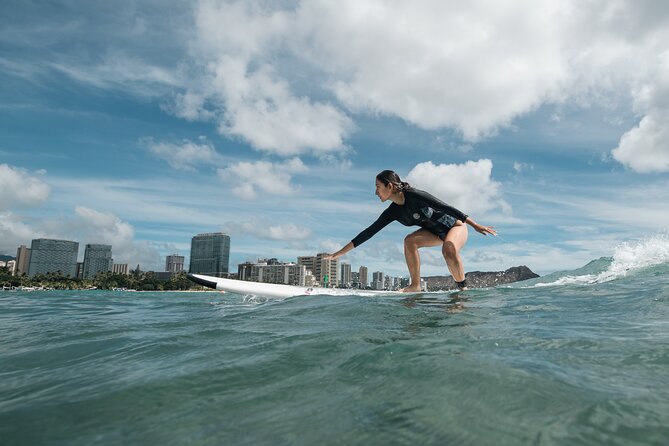
- Local-style instruction from names like Shane, Captain Neil, Darren, Noel, Tom, and Chris, with coaching that aims to build confidence quickly
- Waikiki Beach learning flow that usually starts with safer on-shore or sheltered practice before you head out
- Gear is included: locker surfboards, reef shoes, and rashguards
- Etiquette gets taught, not just technique: where to catch waves and how to behave in the water
- Small-group feel / only your group participates, which helps keep the experience calmer and more personal
- Photo add-ons can cost extra if you buy packages on the day
Waikiki Beach: Why This Spot Works for Learning
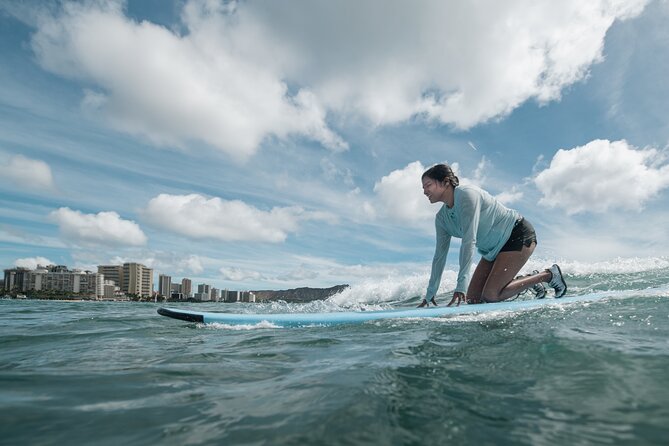
Waikiki is one of those places where the scenery is almost secondary. The main draw is that it’s a high-traffic surf environment, which means your instructors can teach you how to read what’s happening around you, crowds, timing, and the way waves break near shore.
For a first surf lesson, that matters. Beginners don’t just need to stand up. You need to learn where to wait, when to paddle, and how not to turn your board into a confusion machine for everyone else. This lesson’s pitch leans hard into that: you’ll get instruction on how to find the right spot to catch your own wave, plus what to do after you ride.
The other “why Waikiki” factor is simple logistics. Your meeting point is right in the heart of Waikiki, so you’re not traveling far just to get sand in your shoes and water on your face. That keeps the lesson from feeling like a whole day project.
You can also read our reviews of more tours and experiences in Oahu



Meeting at Hilton Hawaiian Village and Getting Ready
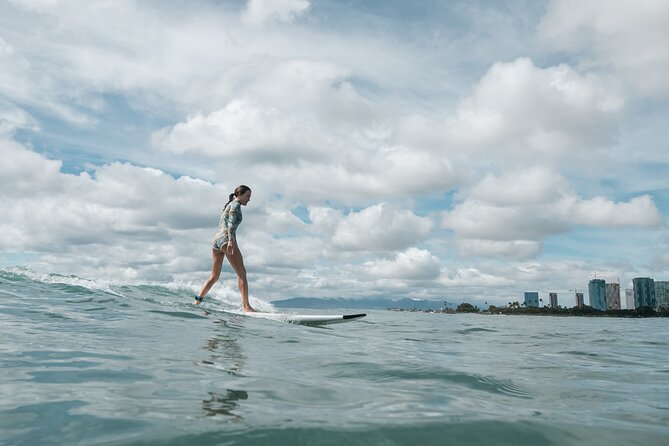
Your start point is the Hilton Hawaiian Village Waikiki Beach Resort at 2005 Kālia Rd, Honolulu, HI 96815. The activity ends back at this meeting point, so you don’t have to worry about getting yourself across town afterward.
Once you arrive, the practical part kicks in fast. You’ll be provided with what you need to suit up: locker surfboards, reef shoes, and rashguards. That’s a real value point because it removes a bunch of “what do we bring?” guesswork. It also keeps the group moving. Surf lessons live or die by time in the water, not time in line.
One thing I’d pay attention to: you’re told to have a moderate physical fitness level. That’s not about being athletic. It’s about being comfortable with paddling, getting on a board, and taking waves to the chest while you figure out balance. If your body tends to protest during active water time, take it seriously and tell the instructor early so they can manage your pacing.
The 1.5-Hour Lesson Flow: From Shore Practice to Real Waves
The experience runs about 1 hour 45 minutes (approx.), and in practice it tends to feel like a tight sequence: gear up, shore or sheltered practice, then time to actually catch waves.
Here’s what this format usually means for you as a beginner:
- You learn fundamentals first: how to get into position, how to paddle, and how to attempt the stand.
- You practice in calmer conditions before the open water: one traveler specifically noted that they stood up quickly after practice in a sheltered area where the waves weren’t as intense.
- You then head out to where the waves are, and your instructors work to put you in reach of the waves you can catch.
Some first-timers get standing up fast. Others need a bit more repetition. The better instructors adjust. The consistent theme from the feedback is that the staff aims to keep you moving, laughing, and making progress, often with a focus on getting you back up when it doesn’t work the first time.
If you’re worried about time, here’s the honest consideration. One family reported that they booked a longer lesson and ended up with less time than expected. That doesn’t mean it’s the norm, but it does mean you should treat timing as something to confirm at the start or in your booking notes, especially if you have a schedule later that day.
Surf Etiquette: How to Catch Waves Without Causing Chaos
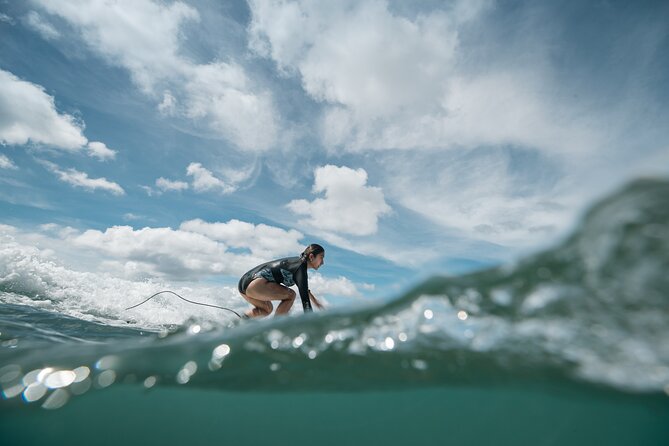
Surf etiquette sounds like the boring part of surfing. Here, it’s part of the actual lesson, and it’s exactly what makes the experience feel safe and organized.
You’ll get guidance on:
- How to catch your own waves without flailing or paddling randomly
- Which waves to choose, based on conditions and what you’re ready for
- Where to position yourself to improve your chances
- How to behave in the water so you’re not creating hazards for others
That last piece is bigger than it sounds. Waikiki can be busy, and even if you never surf professionally, you don’t want to become the person everyone has to dodge. Etiquette teaching also builds confidence. When you understand the rules of the water, you spend less mental energy panicking and more energy learning what to do next.
One practical note from feedback: if you feel nervous or have fear about getting into the waves, it helps to tell your instructor before you wade out. That way they can adjust their pacing and attention so you don’t get left to figure it out alone once you’re in the water.
Instructor Energy: Why the Teaching Style Matters
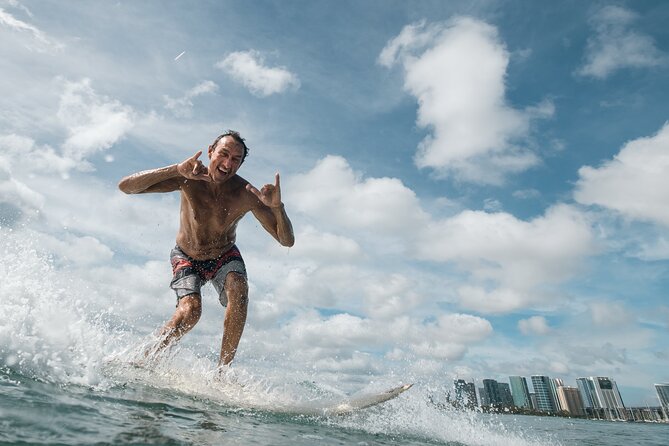
This lesson’s biggest strength is the instructor vibe, people describe the guides as local, engaged, and focused on making you actually succeed, not just “go have fun.”
Names that showed up in the feedback include Shane, Captain Neil, Darren, Noel, Tom, and Chris. Across the comments, the teaching approach trends toward:
- quick fundamentals
- lots of time trying
- patience paired with humor
- coaching that sounds like you’re learning from people who surf a lot
A strong sign of quality is how groups are handled. This experience is designed for family and friends, and there’s a private-group setup where only your group participates. That can change everything for the first lesson. Smaller, contained groups make it easier for an instructor to watch what you’re doing and step in fast.
Safety also comes up. One solo traveler mentioned getting a life vest when they weren’t an experienced swimmer. You should expect the instructors to manage beginner safety with the tools and guidance they’re set up to use.






Included Gear vs. What Can Add Up
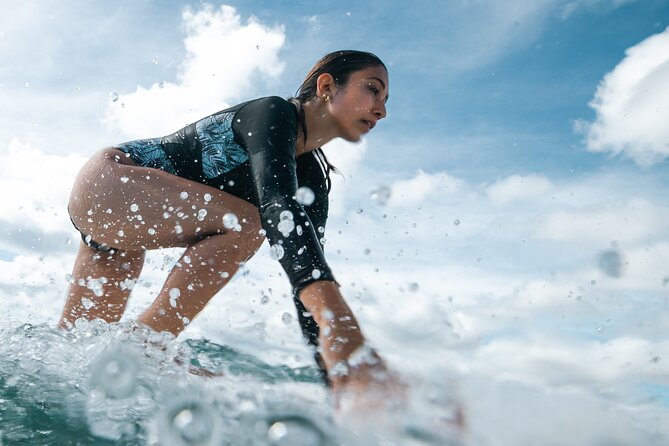
The lesson includes the key physical items that usually make or break a surf day:
- Rashguards
- Reef shoes
- Surfboards via locker
That means you can show up without having to track down surf-specific footwear or worry about bringing the wrong gear.
Not included: alcoholic beverages. If you’re trying to plan your day tightly, that’s useful to know so you don’t assume drinks are part of the deal.
Also, think about photo packages. One traveler said picture purchases were priced at $40 per person and only a couple of photos were included. That’s not a reason to avoid the experience, but it’s smart to decide in advance whether you want professional photos. If you don’t, you’ll feel less pressured on the day.
Practical Tips That Improve Your Chances of Catching More Waves
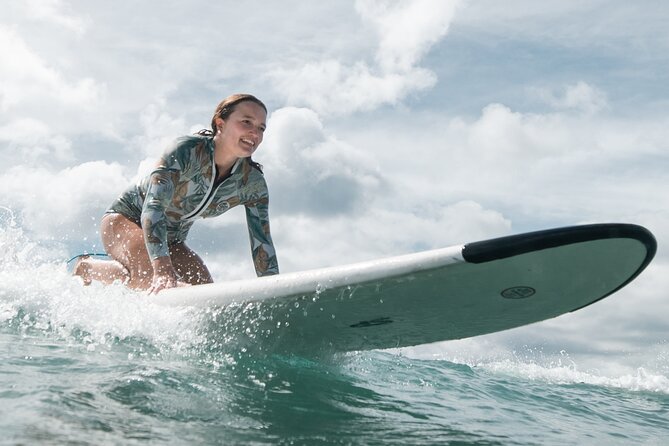
Surf lessons are short. The only way to get more success is to set yourself up for learning, not just surviving.
Here’s what I’d do based on the patterns in the experience:
- Tell the instructor early if you’re nervous or afraid of the water. You’ll get better attention if they know what you need before you’re in the waves.
- Ask questions on shore before you paddle out. If something feels unclear, timing, where to sit, what to do after you stand, getting it answered immediately saves you from repeating mistakes.
- Manage motion sickness risk if you’re prone to it. One family described a rough moment when a participant became seasick and struggled during the return effort. If you tend to get nauseous on boats or in choppy water, bring this up at the start and take it seriously.
- Wear the provided rashguard and reef shoes correctly. Reef shoes matter for traction and comfort, especially on bumpy, shallow areas.
- Pace your effort. Instructors often help you catch as many waves as you can before you get too tired. But you’ll still learn faster if you don’t burn out in the first few attempts.
One more mindset tip: expect you won’t look graceful at first. That’s normal. The real win is getting coached into small improvements, better paddling rhythm, better positioning, and finally that moment when the board settles and you stand.
Who This Lesson Is Best For (And Who Might Want a Different Day)
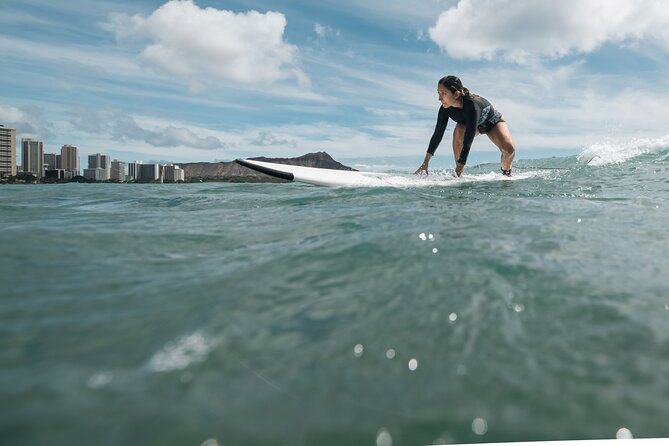
This experience is designed for family and friends who want to learn together without turning it into a crowded group event. It also fits people who want extra guidance while they learn.
It’s best for:
- Families and sibling groups where adults can coach together and kids learn with a shared experience
- Friends (2 to 4) who want a calm, focused lesson
- People who want to learn both technique and surf etiquette so they feel like they belong in the water
You should be cautious if:
- You need a very predictable long session on the clock (one group reported less time than expected).
- You’re uncomfortable with moderate physical effort in water, since paddling and balancing are part of the deal.
- You’re prone to seasickness and haven’t planned for it.
Minimum age is 13 years old, so it’s not set up for younger kids. If you’re traveling with teens or older kids, this format can be a great shared memory day.
Price and Value: What $125 Gets You in Waikiki
At $125 per person, you’re paying for more than “try a wave.” You’re paying for instructor time, safety coaching, and gear, plus the benefit of a private-group setup where only your group participates.
Here’s where the value shows up:
- Gear is included, so you’re not forced to rent or buy basics separately
- The instruction is structured around beginner fundamentals and getting you on waves, not just practicing once
- Etiquette and wave selection are part of the lesson, which helps you improve faster and feel safer
- Local-style teaching matters. When instructors know the spot and explain what to look for, you learn with less guessing
The price becomes harder to justify only if you’re expecting something passive. This is active. You’ll be in the water, learning through repetition. If you’re ready for that, it’s a strong value.
Should You Book This Waikiki Surf Lesson?
If you want a guided first surf experience in Waikiki that takes beginners seriously, I think this is a solid choice. The gear inclusion, the focus on etiquette, and the small, private-group feel are the three big reasons to lean in.
Book it if you:
- like learning from local, hands-on instructors
- want a lesson that aims to get you standing and catching waves
- are traveling with family or friends who want to stay in a tight group
I’d hesitate if:
- your schedule can’t handle possible time differences
- anyone in your group struggles with motion sickness and hasn’t planned for it
- you’re looking for a casual, watch-from-the-beach kind of activity
If you’re game to paddle, listen, and reset after a wipeout, this is exactly the kind of Waikiki day that turns into a story you’ll still laugh about months later.
FAQ
How much does the group surf lesson cost?
It’s listed at $125.00 per person.
How long is the surf lesson?
The duration is about 1 hour 45 minutes.
What is the minimum age to join?
Students must be 13 years of age or older.
Is this lesson private for just my group?
Yes. It’s described as a private tour/activity, and only your group participates.
What gear is included?
You receive locker surfboards, reef shoes, and rashguards.
Where is the meeting point?
You’ll start at Hilton Hawaiian Village Waikiki Beach Resort, 2005 Kālia Rd, Honolulu, HI 96815, USA.
What physical fitness level do I need?
A moderate physical fitness level is recommended.
Do they cancel if weather is bad?
Yes. This experience requires good weather. If it’s canceled due to poor weather, you’ll be offered a different date or a full refund.