REVIEW · OAHU
Dive with Sharks in Hawaii: Shark Tour from Haleiwa
Book on Viator →Operated by One Ocean Diving · Bookable on Viator
Tiger sharks, real rules, zero guesswork. This Haleiwa shark snorkeling trip runs like a field briefing at sea, about 3 miles offshore, with marine scientist guidance on what to do if a shark comes close. You’ll get context on how sharks sense the world and you might even help collect data, all while the crew keeps you on a clear safety routine. Haleiwa Harbor is the start point, and the water time is paired with hands-on marine education.
I love the calm, structured safety approach, including keeping you tied into a safety line and explaining how to act in the moment. I also love the educational angle that goes beyond seeing sharks: the guides break down shark sensory systems and then point out what’s happening in the water as you go. The main thing to consider is the photo package cost, which many people found pricey at $250 and not easy to split.
In This Review
- Key Highlights You’ll Care About
- Why Oahu’s Haleiwa Shark Swim Feels Like Science, Not a Stunt
- The 2-Hour Flow: What Happens From Harbor to “Back Shore”
- The Pre-Water Safety Briefing and How It Changes Your Experience
- What You’ll Likely See Offshore: Tiger Sharks and More Marine Life
- Snorkeling Setup: Gear Included, Towels Not
- Using the Safety Line and Getting Comfortable Fast
- The Photo Package: The $250 Decision You Should Plan For
- Comfort and Boat Practicalities: What to Expect Onboard
- Value Check: Is $153.85 Worth It for Shark Time?
- Who Should Book This (and Who Might Want Another Option)
- Should You Book the Haleiwa Shark Tour With One Ocean Diving?
- FAQ
- How long is the shark tour from Haleiwa?
- Where do I meet for the tour?
- What snorkeling gear is included?
- Are towels provided?
- Is this a private tour?
- What language are the guides in?
- What if weather is poor or there are too few travelers?
Key Highlights You’ll Care About
- Safety briefing that feels practical: clear do’s and don’ts before you enter the water
- Marine scientist style explanations: shark sensory systems and how researchers think
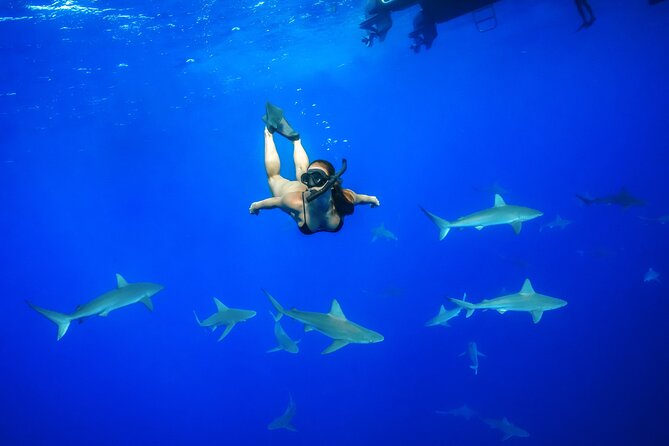
- Offshore spotting zone from Haleiwa: roughly 3 miles out, anchored for good viewing
- Lots of chance for extras beyond sharks: dolphins, turtles, and sometimes whales show up
- Photo package is the big add-on: worth thinking through before you’re in the moment
Why Oahu’s Haleiwa Shark Swim Feels Like Science, Not a Stunt
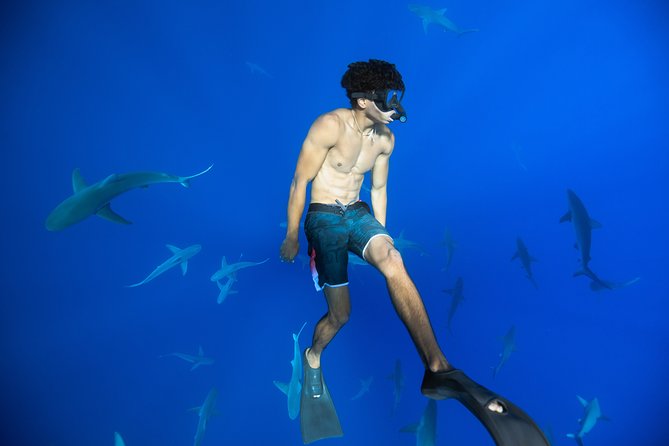
If you’re picturing a chaotic, grab-a-fins-and-go situation, this isn’t that. The format is built around control: you’re briefed, then you enter the water with a safety system and guides monitoring what’s going on around you.
What makes this experience interesting is the mix of animal behavior and real-world safety training. You’re not just watching sharks pass by like scenery. You’re learning how they perceive you, so your actions make sense when the moment comes. And because the boat goes out around 3 miles (about 5 km), you’re not stuck right under the harbor lights with confused water.
Also, this is easy to fit into an Oahu day. The whole experience is about 2 hours, and it starts at a fixed meeting point in Haleiwa (66-105 Haleiwa Rd). You don’t need a whole afternoon to make it work.
You can also read our reviews of more tours and experiences in Oahu.

The 2-Hour Flow: What Happens From Harbor to “Back Shore”
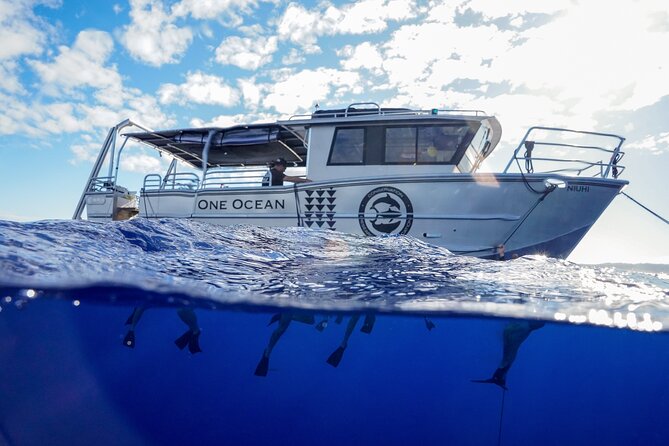
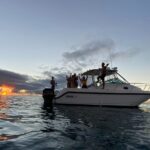
You’ll meet at Haleiwa Harbor and board the boat with your group. The ride out is short enough that the day doesn’t feel swallowed by transit, and the goal is to get you to a viewing area and set up safely.
Once you’re out around 3 miles offshore, you get a briefing from the marine science team. This is one of the most valuable parts of the schedule because it prepares you for what you’re about to see. It covers what to do if a shark approaches, how to stay calm, and how to behave in the water so you don’t create stressful moments for either you or the animal.
After the time in the water, you return to the boat for a debrief. Then it’s back to shore at the same meeting point. That last part matters more than people think. It’s where you can ask questions while the experience is still fresh, instead of walking off confused or only half-understanding what you saw.
The Pre-Water Safety Briefing and How It Changes Your Experience
This is where the tour earns its strong rating. The crew doesn’t just say be careful. They explain why certain moves are important.
In practical terms, you’re taught how to stay safe if a shark approaches. And you’re also taught about shark sensory systems, how they detect things in the water, so you understand what your behavior might communicate. That matters because fear often comes from uncertainty. When you understand the rules, you can focus on watching, not panicking.
A helpful detail from the vibe on these trips: the safety staff are in the water managing the experience with you. People specifically mention the reassurance and professionalism of the team. Names that come up in the crew stories include Gina, Tyler, Ethan, Drew, and Haley. Even if you don’t meet everyone, it tells you the operation is staffed with people who do this regularly and know how to keep it orderly.
What You’ll Likely See Offshore: Tiger Sharks and More Marine Life
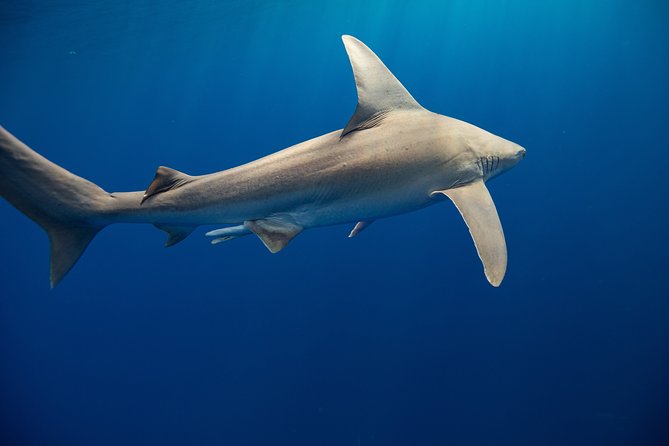
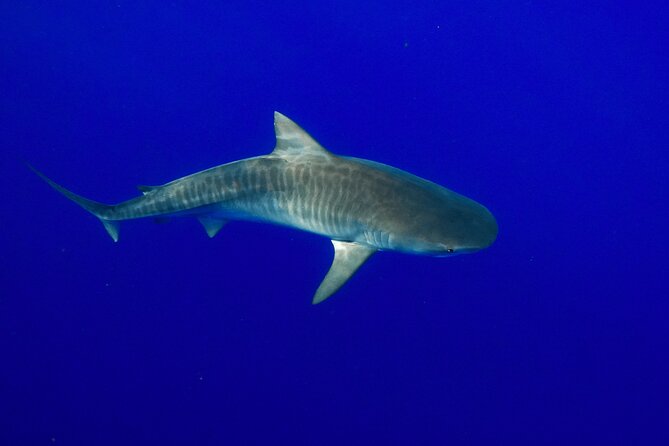
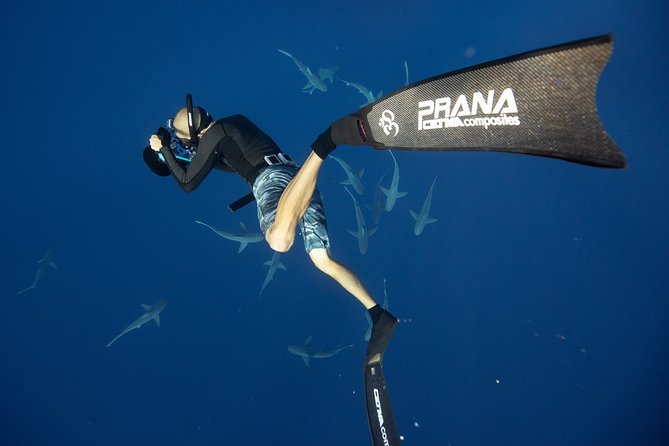
The big draw is sharks, and the chance is real. Depending on the day, you could see tiger sharks and other species. One charter was reported with 24 sharks seen, which gives you an idea of how active the water can be on some days.
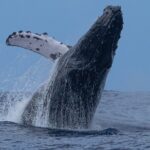
But the experience isn’t limited to just sharks gliding past. The tour area can also turn up other marine life such as dolphins and turtles, and on the right day you might even spot whales. That variety is a value boost. Even if your main goal is tiger sharks, having multiple kinds of wildlife in the same session makes the water time feel richer and more photo-worthy.
Another meaningful point: the crew helps you view sharks without forcing contact. The most common theme in feedback is that the animals are in their element, and the team’s job is to keep everyone at a respectful distance.
Snorkeling Setup: Gear Included, Towels Not
This is one of the simplest parts to plan. Snorkeling equipment is included, so you shouldn’t need to rent gear separately. That alone saves time and money.
The one item not included is towels. So bring one, or plan to grab it back on land before you head to the meeting point. Also, since the tour ends back at the meeting spot, you’ll likely want a change of clothes ready for the ride back into town.
If you’re the type who travels light, this tour can still work well because the core gear is handled. You just need your own basics: towel, personal items, and whatever you use for sun protection.

Using the Safety Line and Getting Comfortable Fast
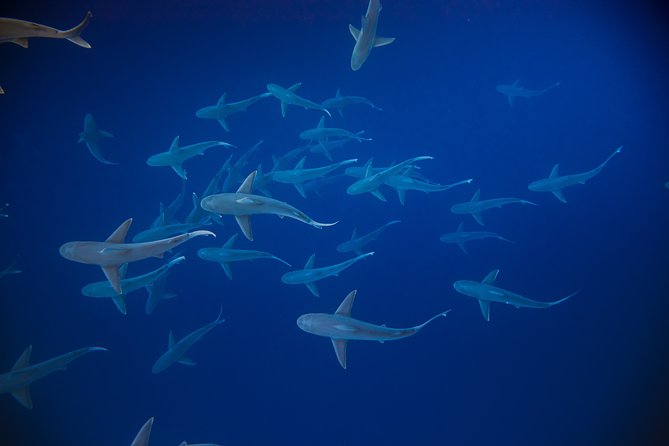
If you’re nervous, you’re not alone. These trips are built for people who are excited and cautious at the same time. What helps most is the “rules you can follow” approach: you don’t freehand it.
People mention the safety line as a key part of feeling secure. The line becomes your reference point. You can stay with it for steadiness, or you can move around in a controlled way as directed by the safety staff. Some reviews also mention free-swimming opportunities that let you go deeper or stay closer to the line, depending on how you feel that day.
One practical tip that comes up: if you want a better position on the safety line, get in early. It’s not about grabbing the best seat. It’s about reducing stress so you’re not scrambling once everyone’s in the water.
The Photo Package: The $250 Decision You Should Plan For
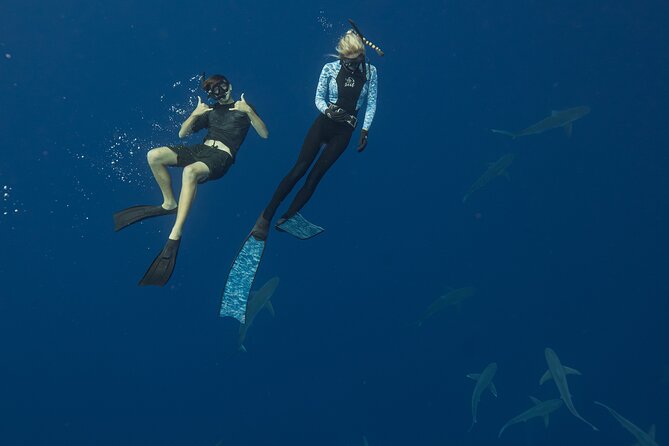
This tour offers a photography add-on, and it’s the most discussed extra. Multiple people describe the photography package as expensive at $250. One recurring criticism is that there’s no easy option to split the package with other travelers.
So here’s how to make the call like a grown-up traveler:
- If you’re the kind of person who wants physical proof of an out-of-this-world day, it may feel worth it.
- If you travel budget-first, treat it as optional and decide before you step into the water, while you still have clear thinking power.
Also, a reasonable expectation-setting point: even with photos, you still control your safety and movement. The crew’s focus is on managing everyone safely first. The photos are a bonus, not the main mission.
Comfort and Boat Practicalities: What to Expect Onboard
Most parts of the experience run smoothly. Still, one negative note stands out about boat facilities. One review mentioned there wasn’t a toilet on the boat, and it also flagged other comfort gaps like water being not offered during a tough moment. That’s not the common story, but it’s worth factoring in if you’re sensitive to those basics.
Also, group logistics can vary. One review complained there were more people on their charter than expected. A private tour/activity is listed as only your group participating, so the mix should be controlled, but it’s smart to remember that on-water charters can sometimes feel busier than expected once everyone’s settled in.
The takeaway: if you need high comfort on a boat, come prepared. Bring what you can, hydrate well, and don’t assume every onboard comfort item will be provided.
Value Check: Is $153.85 Worth It for Shark Time?
At $153.85 per person for about 2 hours, you’re paying for several things at once:
- Offshore access around 3 miles out from Haleiwa
- Expert guidance from marine science staff
- Safety management in the water
- Included snorkeling equipment
- A real chance at seeing multiple sharks and other marine life
For shark encounters, the value usually comes down to one question: will you feel safe and get good animal viewing without rushing or confusion? The ratings suggest most people do. A 4.8 rating across hundreds of reviews and a strong “recommended” score indicates this is landing well for the majority.
Then subtract the extras you might add, especially the photography package. If you buy the add-on, the total cost jumps. If you don’t, you’re still getting the core experience: safety, science briefing, and serious time in the water.
If your budget is tight, you can still justify this as a focused half-day experience. If your priorities include lasting keepsakes, decide early about the photo package so it doesn’t become a last-minute surprise.
Who Should Book This (and Who Might Want Another Option)
This tour fits best if you want:
- A safety-first shark experience with clear guidance
- An educational component about shark behavior and sensory systems
- A chance to see more than sharks, including dolphins and turtles
- A short trip window that fits into an Oahu plan
It’s also a good match for families with kids who can handle snorkeling basics, based on feedback mentioning children enjoying it and feeling relaxed during the experience.
You might think twice if you:
- Are very uncomfortable with boats and basic onboard amenities
- Strongly prefer tours that include towels and comfort items by default
- Don’t want to deal with the option of an expensive photography add-on
Should You Book the Haleiwa Shark Tour With One Ocean Diving?
I’d book it if you’re excited by sharks but want the structure to make you feel safe and informed. The strongest selling points are the clear pre-water safety briefing and the sense that the crew is running the experience with real care, including how they manage the safety line.
If you’re on the fence, do this one practical thing: decide now whether you’ll want the photo package at $250. That decision will shape how “worth it” the day feels when you’re already floating and the sharks are right there.
If you want a shark encounter that’s part marine science, part controlled safety swim, and part memorable wildlife viewing, this one is a solid bet out of Haleiwa.
FAQ
How long is the shark tour from Haleiwa?
The experience lasts about 2 hours (approx.).
Where do I meet for the tour?
You meet at 66-105 Haleiwa Rd, Haleiwa, HI 96712, USA.
What snorkeling gear is included?
The tour includes use of snorkeling equipment.
Are towels provided?
Towels are not included.
Is this a private tour?
Yes. It’s listed as private, meaning only your group participates.
What language are the guides in?
The tour is offered in English.
What if weather is poor or there are too few travelers?
The experience requires good weather. If it’s canceled due to poor weather, you’ll be offered a different date or a full refund. It also requires a minimum number of travelers; if that minimum isn’t met, you’ll be offered a different date/experience or a full refund.