REVIEW · OAHU
Certified Divers: Best 2-Tank Wrecks & Reef Boat Dive All Inclusive From Waikiki
Book on Viator →Operated by Waikiki Dive Center · Bookable on Viator
Early mornings at the ocean can be worth it. This certified-only 2-tank wreck-and-reef outing off Waikiki pairs a professionally run boat day with some of Oahu’s best underwater characters, from shipwreck structure to sea turtles. I like the fact it uses US Coast Guard-certified vessels and a small group setup that keeps things calm and organized, with staff like Capt Jim, Alex, Scott, and Yoshi showing up in the mix.
My favorite part is the way the day is built around real underwater time: you get a wreck stop first, then a local reef stop packed with native marine life. The operation emphasizes safety and conservation rules, so you’re guided to stay close to the local leader through the entire experience.
One drawback to consider: this isn’t for first-timers, and the schedule is strict. If you arrive late, your trip can be canceled automatically, and rescheduling after missed checks can come with serious penalties, plus the wreck portion may feel short if you’re craving longer tank time in one spot.
In This Review
- Key Highlights to Know Before You Go
- Getting There: The 6:45 AM Waikiki Start You Should Plan For
- The Boat Day: Small Group Energy Without the Chaos
- Stop 1: The Wreck Options (Sea Tiger, YO-257, San Pedro)
- Stop 2: The Reef Session for Hawaiian Native Sea Life
- What’s Included (and Why That Affects Value)
- Certification Rules: Proof Matters More Than Good Intentions
- Timing Tips: Don’t Put Your Flight at Risk
- How the Staff Style Affects Your Day
- Who This Scuba Outing Fits Best
- Price and Logistics: Getting Real Value at $259
- Practical Tips for a Smooth Morning
- Should You Book This Waikiki 2-Tank Wreck and Reef Plan?
- FAQ
- Is this tour for certified scuba divers only?
- What time does the tour start?
- How many tanks are included?
- What wreck sites might you see?
- What’s included in the price?
- How big is the group?
- What happens if weather cancels the trip?
Key Highlights to Know Before You Go
- US Coast Guard-certified boat and a max 20-person group help keep the day organized.
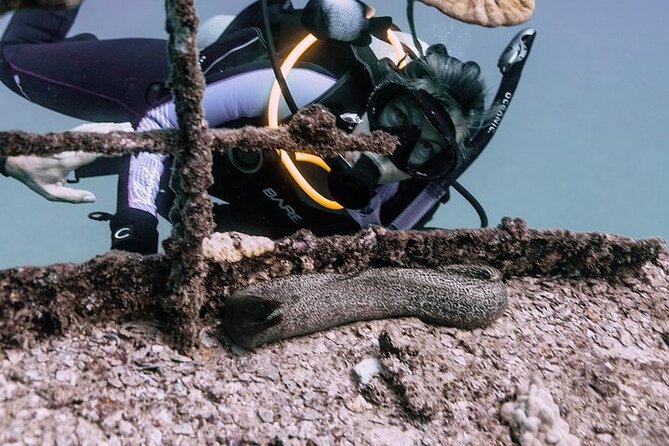
- Three wreck options (Sea Tiger, YO-257, San Pedro) mean you’ll likely see different kinds of wreck textures and marine traffic.
- Conservation-focused guidance includes staying close to your local guide for the whole tour.
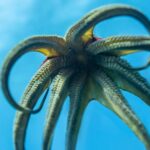
- Real wildlife odds: turtles, eels, sharks, eagle rays, and even manta are all within reach depending on conditions.
- Tank time pacing often works well for most certified divers, but the wreck interval may feel brief if you want extra bottom time.
Getting There: The 6:45 AM Waikiki Start You Should Plan For
This outing is built around an early departure, start time is 6:45 am, from the shop at 424 Nāhua St in Honolulu (Waikiki). The early start matters. It helps you get out to the sites while conditions are usually smoother and the day is still fresh.
That early timing also means you should treat check-in like a flight. The rules are clear: if you’re more than 15 minutes late, the trip can be canceled automatically and the charge can be kept. In plain terms, don’t gamble with traffic, parking, or a slow start.
If you’re coming from Waikiki hotels, I’d give yourself a real cushion. Your goal is to arrive with time to confirm paperwork, get settled, and feel ready before you’re on a boat and dealing with ocean motion.
You can also read our reviews of more boat tours in Oahu
The Boat Day: Small Group Energy Without the Chaos
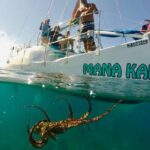
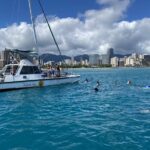
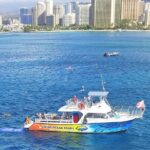
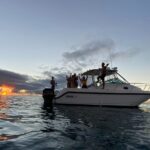
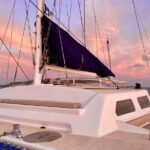
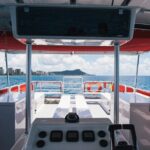
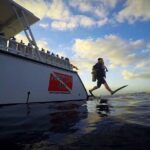
The experience is designed for a small group, no more than 20 travelers, and it runs on US Coast Guard-certified dive vessels. That matters more than it sounds. A smaller group usually means less waiting around, quicker setup, and fewer bottlenecks when equipment goes on and off.
You’ll also feel the “professional operation” vibe. One common theme from the staff reputation is that safety comes first, and equipment is treated like it’s supposed to work every time. On the water, that translates to fewer surprises.
There’s also a small touch of fun built into the culture of the crew. In particular, you might get a moment that people talk about, something like a captain hat moment, because the staff tends to keep the mood friendly even while running a strict, organized day.
Stop 1: The Wreck Options (Sea Tiger, YO-257, San Pedro)
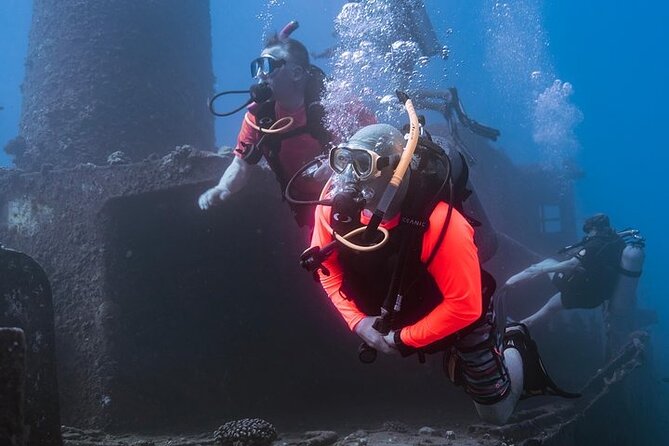
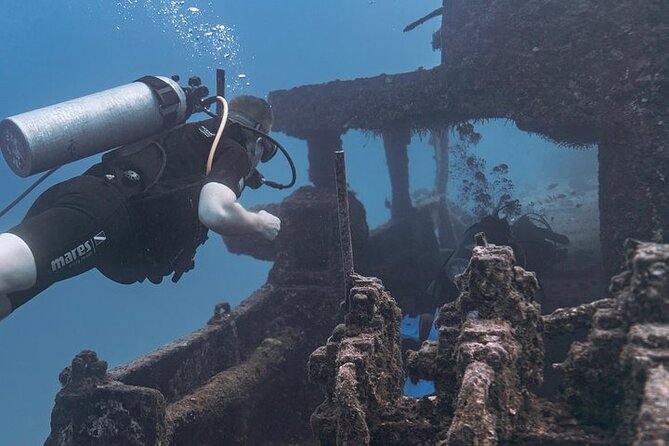
The day kicks off underwater with a shipwreck visit. Depending on the departure, you’ll go see one of three wrecks: Sea Tiger, YO-257, or San Pedro.
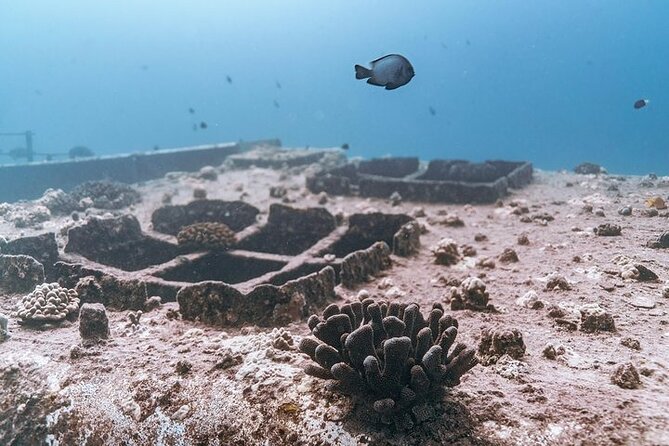
Why this first stop is smart: wrecks let you settle into the water and the gear quickly because the structure gives you something obvious to look at. Even if conditions shift, there’s usually plenty to see, engine shapes, railings, shadows, and the kind of ledges marine life likes.
Depth expectations can vary by site and conditions, but one memorable experience included going to around 130 feet on the wreck. If you’re planning your training and comfort range, treat wreck depth as something you should be prepared for rather than assuming it will always be shallow.
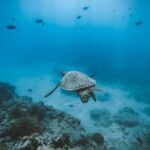
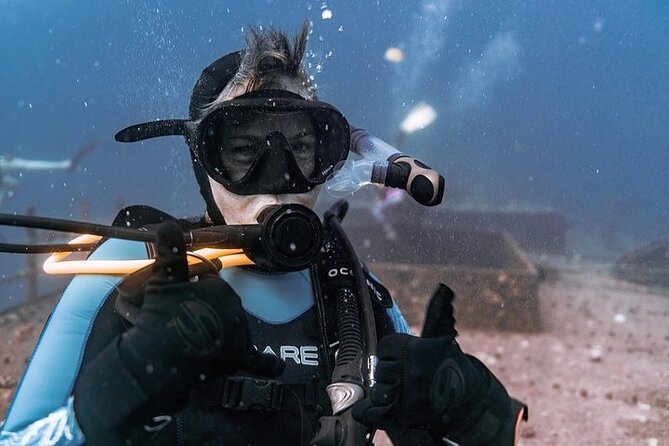
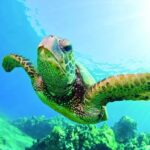
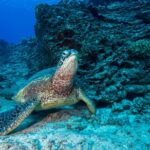
Wildlife tends to show up around wrecks. Expect odds for things like turtles and eels, and in some cases larger visitors too. One outing included a shark and multiple huge turtles, which is exactly the sort of payoff wreck sites can deliver.
A practical note: some wreck intervals may feel short if your personal style is to linger at one location. If that’s you, consider booking a private guide when you want extra bottom time or more individualized attention.
Stop 2: The Reef Session for Hawaiian Native Sea Life
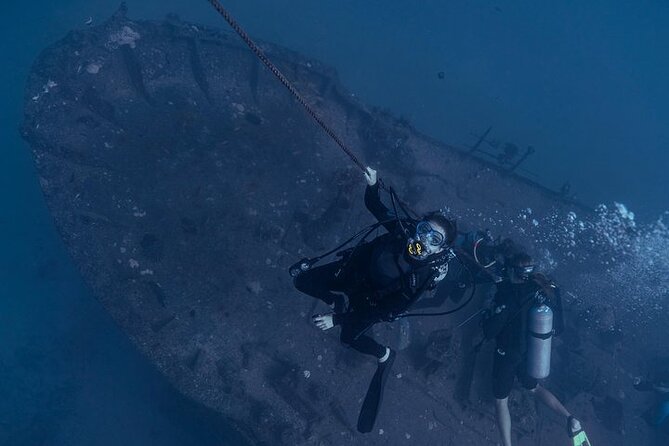
After the wreck, you’ll head into a local reef stop. This is where the trip shifts from “ship structure viewing” to “Hawaii wildlife viewing.”
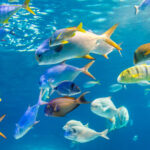
This reef leg is typically where you’ll see more of the day-to-day reef crowd, fish cruising through coral, and the kind of native marine life people come to Hawaii for. In one experience, the reef session was described as a reel dive around 45 minutes, and it was where sightings like a manta and numerous turtles happened.
On other days, you might spot things like eagle rays or more turtles. Your exact lineup depends on the ocean’s mood that day, but reef habitat plus a good guide usually makes for a solid second tank.
Also remember this: the day includes conservation rules. You’ll be expected to follow your guide’s direction and stay close during the entire tour. That keeps the reef healthier and keeps your group moving safely. It also usually makes the experience smoother for your own buoyancy and situational awareness.
What’s Included (and Why That Affects Value)
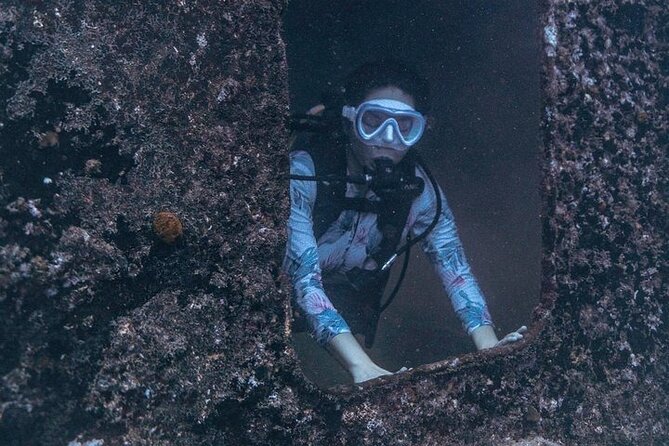
At $259 per person for an approximately 5-hour outing, the value depends on what’s truly included, and this one covers the basics that add up fast on your own:
- Scuba equipment
- Snacks
- Bottled water
That package helps if you don’t want to wrestle with rental logistics or worry about gear condition on your own. It also means you can focus on the actual underwater goals: wreck photos, watching turtles, and enjoying reef life.
Another value driver is the equipment handling. The operation’s reputation includes well-maintained rentals and a safety-first mindset. When gear is maintained and staff is consistent, you spend less time troubleshooting and more time looking around.
The one thing to watch in your mental math: this is a certified-only outing. If you’re not currently qualified to participate, your costs may not translate into a full experience.
You can also read our reviews of more scuba diving tours in Oahu
Certification Rules: Proof Matters More Than Good Intentions
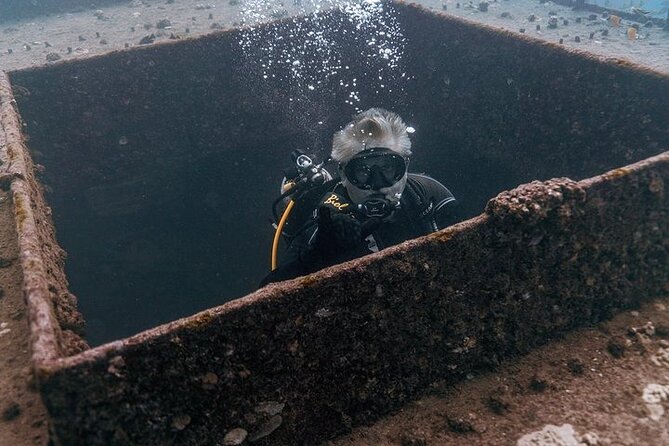
This is a guided experience for certified only divers, and the paperwork is part of the deal. You’ll need to present evidence of dive certification to participate, especially if your departure includes shipwreck and night dive components.
They also follow Hawaii’s conservation expectations. By law and policy, you’re expected to stay close to the local dive guide during the entire tour for conservation compliance. That’s not just a rule to memorize, it affects how you plan your buoyancy and how you move in the water.
If you’re a beginner diver, there’s another gate: your entry depends on a medical questionnaire process at check-in. A failed medical questionnaire can mean forfeiting reimbursement and refund/rescheduling, so don’t treat that form casually.
The simple takeaway: bring your certification proof and treat medical paperwork as part of your prep, not an afterthought.
Timing Tips: Don’t Put Your Flight at Risk
One of the most practical reminders is about schedules beyond the boat. Don’t dive and fly the same day. The rule given is: you must not dive 18 hours prior to flying.
There’s also an administrative expectation: if you need to manage flight timing, and you don’t inform the shop 48 hours prior, the policy can lead to full booking charges. You don’t want your underwater plan turning into a headache with airlines.
So I’d plan this as a morning activity on a day when you’re staying put. If your trip includes flying, build in the buffer. Your air travel will thank you.
How the Staff Style Affects Your Day
People remember the guides because the day runs on their pace and decision-making. One reason this outing gets strong satisfaction is the way the crew stays both friendly and professional.
Capt Jim and dive master Alex are cited as examples of that professional tone and efficiency. Another standout guide name in the mix is Scott, with Yoshi also mentioned often. Those names matter because they point to consistent leadership rather than a rotating cast that changes how the day feels.
You’ll also see that the staff treats safety as non-negotiable. That tends to show up in how they brief you, how they handle entry and exit, and how they keep groups together.
And yes, the people side is real. The crew doesn’t just run gear; they aim to make you feel safe and capable so you can enjoy what’s under you instead of worrying what’s next.
Who This Scuba Outing Fits Best
This works best if:
- You’re already certified and want a structured, guided day with two tank stops.
- You enjoy wrecks but also want a reef segment with Hawaiian marine life.
- You prefer a small-group atmosphere and a safety-forward approach.
- You’re okay with an early start and a set schedule.
It’s not ideal if:
- You’re hoping for a first-time experience (this is certified only).
- You want maximum time at one site. Some wreck intervals can feel shorter than you’d like.
- You need lots of flexibility. The operation’s rules around timing and check-in are firm.
If you’re the kind of diver who wants longer bottom time or more tailored attention, consider asking about a private instructor option. The tour info notes you can book private guidance for extended bottom time or more personalized attention.
Price and Logistics: Getting Real Value at $259
Here’s the honest way to judge the price: $259 includes equipment, snacks, and bottled water, and you get two underwater stops as part of a guided operation with a small cap of 20. That combination can be good value compared with piecing together rentals, a boat seat, and on-water instruction.
At the same time, you should factor in your risk level for schedule problems. If your flights are volatile, you might get stuck dealing with reschedules. One experience included a major flight delay that caused a later arrival with stress around readiness and no easy path to credits. That’s not a reason to avoid the trip, it’s a reason to protect yourself with buffer time and plan conservatively.
Also, if you’re sensitive to how the shop handles merchandise, don’t assume all items are bundled or priced like standard souvenirs. Some items may be misread if you expect a clothing label to mean something specific. It’s minor, but it’s the kind of detail that can turn a good day into mild frustration.
Practical Tips for a Smooth Morning
A few things I’d do before you go:
- Bring your certification proof and any documents you’re required to show at check-in.
- Come ready for an early start at 6:45 am and don’t plan to arrive right at the edge of the window.
- Bring your own calm. Ocean conditions can change, and your guide’s job is to manage the safe plan. Following their pace makes the day easier.
- If you’re sensitive to fitness or underwater comfort, aim for moderate physical fitness, since the tour notes that travelers should have a moderate level.
One more small tip: keep an eye on how you feel at the start of your day. If you’re jet-lagged, it can affect readiness and confidence. The tour experience is best when you’re mentally on board before stepping onto the boat.
Should You Book This Waikiki 2-Tank Wreck and Reef Plan?
Book it if you’re certified, you want a well-run small-group day, and you’re excited by wreck structure plus reef wildlife. The mix of US Coast Guard-certified transport, professional staff, and strong odds for turtles and other marine life makes this a solid “two tank” choice for Oahu.
Skip or rethink it if your schedule is too tight, you’re not comfortable with strict check-in timing, or you strongly prefer very long time at a single wreck site. In that case, private guidance (for more bottom time) or a different pace might fit you better.
FAQ
Is this tour for certified scuba divers only?
Yes. This is a guided tour for certified divers, and you must present evidence of dive certification to participate.
What time does the tour start?
The start time is 6:45 am.
How many tanks are included?
This experience includes two tank stops.
What wreck sites might you see?
You may visit one of these shipwrecks: Sea Tiger, YO-257, or San Pedro.
What’s included in the price?
The tour includes scuba equipment, snacks, and bottled water.
How big is the group?
The maximum group size is 20 travelers.
What happens if weather cancels the trip?
If it’s canceled due to poor weather, you’ll be offered a different date or a full refund.