REVIEW · OAHU
Certified Diver: 2-Tank Night Dive
Book on Viator →Operated by Dive Oahu Inc · Bookable on Viator
That night ocean in Oahu turns into a theater. This two-tank night scuba outing in Honolulu lets you watch familiar spots change once the lights go out, with a PADI Professional guiding you through the dark-water action. I love the way the schedule uses twilight first, then builds into a full-on night experience.
Two things I really like: the premier gear rental (plus snacks and refreshments), and the fact that you’re not guessing underwater, guides point out what to look for and help you stay safe. One thing to consider: this is strictly for certified divers (and you’ll do paperwork and equipment fitting before boarding), so it’s not a casual, first-day-on-holiday activity.
In This Review
- Key Highlights You’ll Care About
- Why Oahu at Night Feels Like a Different Planet
- The Two-Tank Timeline: Twilight Start, Sunset Break, Dark-Water Second Act
- Sea Tiger Wreck Before Sunset: What You’ll Actually See in the Light Fade
- Kewalo Pipe After Sunset: The Night-Shift Creatures and Bioluminescent Moments
- Crew and Equipment That Make a Night Session Feel Stress-Free
- Price and Value: What You’re Paying For at $248.81
- Logistics That Matter: Arrival Time, Parking, and the No-Fly Rule
- Who This Oahu Night Scuba Session Is Best For
- Should You Book This Two-Tank Night Scuba on Oahu?
Key Highlights You’ll Care About
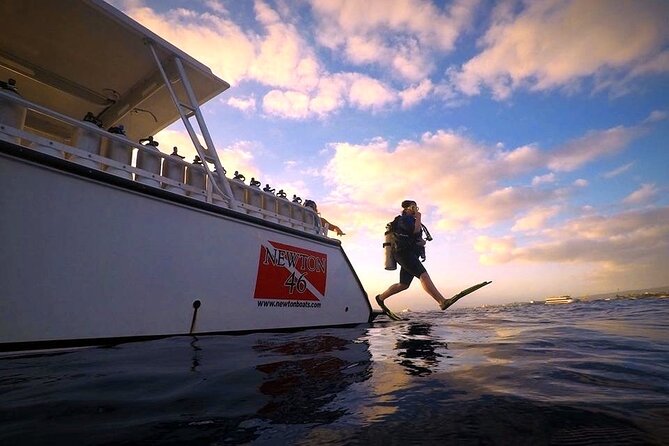
- Twilight setup, then true night: sunset first, surface interval next, darker water after.
- PADI Professional guidance: you’ll have a trained guide explaining what you’re seeing.
- Premier gear rental included: you’re not stuck renting the basics last minute.
- Two classic underwater areas: Sea Tiger wreck before sunset and Kewalo Pipe after sunset.
- Small-group feel is possible: even though the max is 21, I’ve seen reports of tiny groups.
- Optional add-ons: GoPro rental, DPV underwater scooter, Nitrox rental, and private guiding.
Why Oahu at Night Feels Like a Different Planet
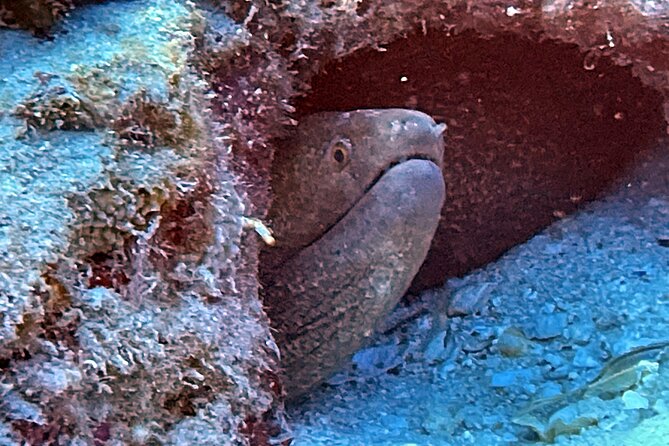
Oahu at night has a mood shift that’s hard to describe until you’re there. Daytime turns busy and bright; nighttime turns selective. You stop hunting for everything at once and start noticing smaller behaviors: animals holding position, grazing, hunting, and hiding in places you never think to check.
That’s what makes this outing special. The plan is built around the moment when light fades and marine life starts acting differently. You’ll get the “normal” part of the reef while there’s still a glow in the sky, then you’ll drop into darker water where the ocean feels more intimate and a lot more mysterious.
And if you’re a certified diver already, you’ll appreciate the pacing. You’re not on a rushed checklist. The guides are there to help you connect what you see to the bigger picture of how the ocean works after dark.
You can also read our reviews of more evening experiences in Oahu

The Two-Tank Timeline: Twilight Start, Sunset Break, Dark-Water Second Act
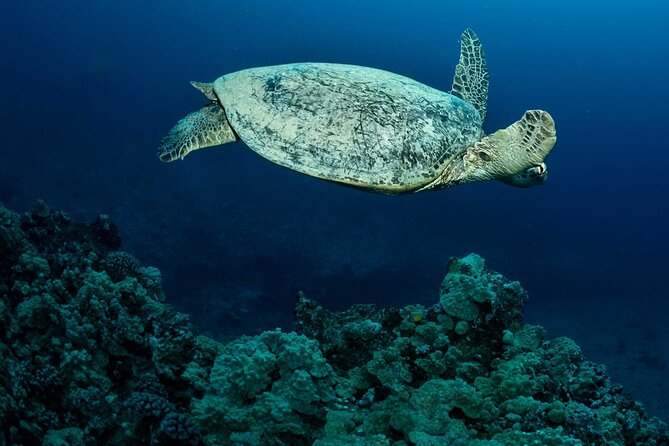
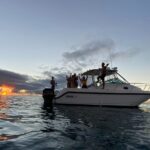
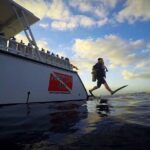
The outing starts at 5:30 pm and runs about 3 hours. The pattern is simple and smart: you leave before sunset, do one underwater portion while there’s still fading light, then come up for a surface interval where you can enjoy the sunset over the ocean. After that, it’s back in for a second tank when the darkness is fully set.
Why that timing matters: night viewing depends on transition. If everything happens too late, you lose the chance to compare how the same site looks in twilight versus deep night. If everything happens too early, you miss the animals that come out when the light really drops.
It also helps you manage your energy. Night conditions can feel more intense than daytime, even when visibility is good. Building in that surface interval is a practical way to help you stay calm, focused, and in control.
Sea Tiger Wreck Before Sunset: What You’ll Actually See in the Light Fade
One of the most common first stops is the Sea Tiger wreck before sunset. This is a strong choice because wrecks concentrate life. In low light, the structure becomes an anchor for your attention, and animals use the nooks and shadows like real estate.
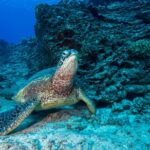
From past experiences reported on this route, you can look forward to the kind of sightings that make wreck time feel like more than “just swimming around.” People have noted eels, urchin, and lots of fish during the earlier portion. Others have reported turtles around the wreck too, which is the kind of moment you feel in your chest even if you’ve seen turtles before.
Here’s the practical angle: before full darkness, you’ll often get better shape and texture recognition. That means you can spot how fish react to the wreck, where eels hang out, and how marine life uses the structure as cover. It’s also a good warm-up zone for a first tank of a night outing because you still have enough ambient light to settle into your buoyancy and breathing.
Kewalo Pipe After Sunset: The Night-Shift Creatures and Bioluminescent Moments
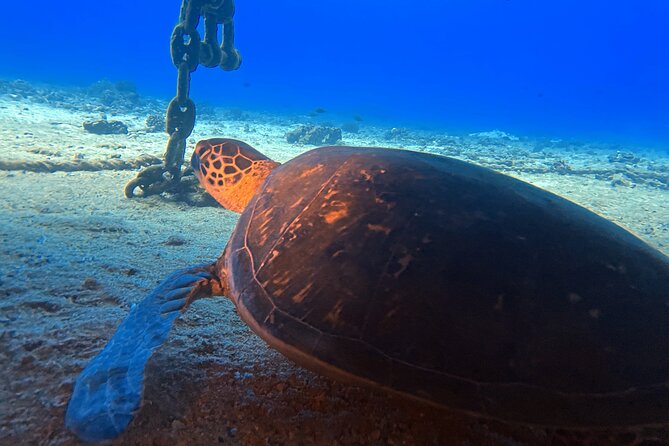
The second tank typically moves to Kewalo Pipe after dark. This is where the outing earns its reputation. Pipes create currents, shade, and surfaces that attract and shelter different animals. Under a flashlight beam, the whole place starts behaving like it’s curated for nighttime viewing.
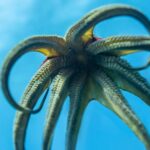
Sightings reported on this route include unicorn fish and slipper lobster, plus people describing the night with words like glowing life and creatures you notice only once you know where to aim your light. One report includes an octopus that actively caught fish, then retreated into the tubes on the sunken ship area. That kind of behavior is exactly why a night schedule is worth it, you’re watching hunting and hiding patterns, not just resting animals.
You may also see more “blink-and-you-miss-it” life: one person described glowing cuttlefish, while others talked about nudibranchs, a live conch, and crab during the night portion. Another report notes a monk seal swimming with the group for about half the dive, which is one of those rare wildlife encounters that makes you stop and remember you’re in Hawaii.
One more practical point: night visibility can vary. When it’s clear, the flashlight magic is real. When it’s not perfect, you’ll still get value if the guide is good at pacing and directing your light. This route’s guides tend to be hands-on about safety and helping you see what’s there.
Crew and Equipment That Make a Night Session Feel Stress-Free
Good nighttime scuba is mostly about people. You need a guide who can manage spacing, remind you how to control your breathing, and help you find the right angles with your light without turning your beam into a random searchlight.
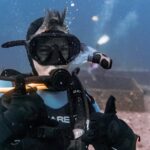
This outing is guided by a PADI Professional, and the crew has a track record of staying calm and clear. Names that have come up in the experiences shared include Capt. Adam, plus guides like Jeff, Heather, Chris, Megan, Jordan, Miranda, and Patrick, with captains such as Alex mentioned as well. People also specifically praised how guides kept things safe while still being upbeat and talkative between tanks.
Equipment quality also matters more at night. Scuba systems and lighting need to be reliable so you’re not dealing with gear problems while you’re trying to enjoy yourself. Reviews for this outing often mention ScubaPro gear as part of the included equipment setup. Couple that with the fact that premier gear rental is included, and you get a smoother start if you don’t want to bring your own kit to Oahu.
I also like that this setup tends to work for divers across comfort levels. More than one report mentions help for first-time night divers, and at least one account describes assistance for someone returning after a long gap in experience. That’s a good sign if you’re nervous about night conditions.
You can also read our reviews of more scuba diving tours in Oahu
Price and Value: What You’re Paying For at $248.81
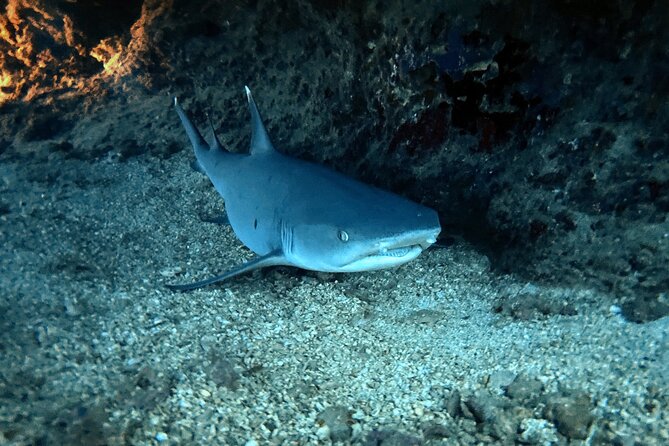
At $248.81 per person, the best way to judge value is to break down what’s included. You’re getting:
- Two tank underwater time as part of a guided night schedule
- Premier gear rental
- Snacks and refreshments
- A PADI Professional guiding and pointing out marine life
If you’ve ever paid for a separate gear rental plus a guide on top, you’ll recognize why this price can feel fair. Night outings usually cost more because they require extra planning and more guide attention. Here, that attention is built into the package, not added later.
You can also add extras if you want to upgrade your experience. Options listed include GoPro rental, a DPV underwater scooter, Nitrox tank rental, and a Private Guide. Even if you don’t take add-ons, the baseline package is strong because the essentials are already covered.
One small caution on value: add-ons are a way to spend more fast. If you’re unsure whether you’ll actually use a scooter or want Nitrox, decide before you book so the final total matches your comfort level and budget.
Logistics That Matter: Arrival Time, Parking, and the No-Fly Rule
This is the kind of trip where a little prep makes it feel easy. You should plan to be at the harbor 30 minutes before the scheduled start to complete waivers and get equipment fitted.
Parking is the one clear item not included. It’s also described as near public transportation, which is helpful if you’re staying in the central Honolulu area and don’t want to stress about where to leave a car.
You’ll also have a few must-do items before you can get on the boat:
- You must show proof of certification (PADI or another approved course).
- You’ll need to provide weight and date of birth.
- You must be able to swim, be over age 15, and be in good health.
- The operator notes that you must not fly within 24 hours of diving/scuba.
On the change-and-weather side: the experience is described as weather-dependent. If it cancels due to poor weather, you’ll be offered a different date or a full refund. The cancellation rules in the provided info include a time window that supports a full refund if you cancel at least 24 hours before start, but there’s also mention of a 48-hour cancellation policy. Since those can conflict, I recommend checking the final confirmation email you receive right after booking so you know the exact cutoff that applies to your reservation.
Who This Oahu Night Scuba Session Is Best For
This outing is made for PADI-certified divers (or divers with equivalent approved training). If you’re a first-time night diver, this can still be a great choice because the guides are there to keep you oriented and safe, and multiple reports specifically praise first-night experiences.
It’s also a nice option if you want a guided night experience rather than playing it by yourself. Night underwater viewing can be overwhelming if you’re still learning how to manage buoyancy and light control. Having a guide makes the difference between a stressful night and a fun one.
Good fits:
- You want two sites instead of just one
- You like seeing how ocean life behaves under different light
- You want quality rental gear without bringing everything from home
- You’re comfortable following safety direction and staying close to your group
Not a fit:
- If you’re not comfortable swimming, aren’t certified, or aren’t in good health
- If you have plans that require flying within 24 hours after your session
If you’re visiting Oahu and want one memorable activity that feels different from the usual beach day, this checks that box fast.
Should You Book This Two-Tank Night Scuba on Oahu?
I’d book it if you’re a certified diver and you want a night experience that’s guided, gear-included, and scheduled to hit both twilight and full dark. The combination of Sea Tiger wreck early and Kewalo Pipe after sunset gives you contrast, and the track record of safety-focused, friendly staff is exactly what you want when you’re underwater at night.
Skip it (or at least think twice) if:
- You’re uncertain about night conditions and you hate being led
- You’re tight on timing and can’t make the 30-minute early arrival window
- You have upcoming flights within 24 hours
- You’re looking for a no-admin, spontaneous outing (this requires certification proof and pre-checks)
If you’re ready for a well-run night underwater session on Oahu, this is one of the simplest ways to get that “other planet” feeling without turning it into a stress test.