REVIEW · OAHU
1 Day Pass LeaLea Trolley and Waikiki Trolley Pink Line
Book on Viator →Operated by LeaLea Tours · Bookable on Viator
A pink-line trolley can save your feet. For $35, you get a day pass that links a lot of Oahu landmarks, from Waikiki beachfront hotels to downtown sights, and it’s offered in English for about three hours. I like that it’s a practical way to stitch together a mini itinerary without hunting down buses; the one caution I’d plan for is that stop directions and onboard info can feel hit-or-miss, so you’ll want to keep an eye on where you are getting on and off.
This isn’t a slow, sit-and-listen guided tour. It’s more like a route with a long list of pickup points, Royal Hawaiian Center, Duke Paoa Kahanamoku’s statue area, Ala Moana, Iolani Palace, and even several scenic photo stops along the southeast side. If you’re expecting museum-style commentary at every stop, you may feel let down; if you want mobility and flexibility, you’ll probably enjoy it.
I recommend this pass if you’re a first-timer or anyone trying to avoid rental cars. The drawback is simple: with a schedule that covers lots of territory, you’ll only have time to do a little at each place, so you need a plan before you board.
In This Review
- Key things to know before you ride the Pink Line
- What Your $35 Day Pass Really Covers (and What It Doesn’t)
- Start at Royal Hawaiian Center: Your Best Base in Waikiki
- Waikiki Hotel and Shopping Stops: The First Leg Is All About Convenience
- Downtown Honolulu Without the Car: HoMA, Capitol, Iolani Palace
- Diamond Head to Hanauma Bay: The Photo-Stop Strategy Works
- Kahala, Kaimuki, and Neighborhood Stops: Where the Route Gets More Local
- Zoo, Aquarium, Koko Head Park, and the East Marina Side
- How to Time Your Ride So You Don’t Feel Rushed
- Price and Logistics: Is $35 a Good Deal for Oahu?
- Should You Book the LeaLea and Waikiki Trolley Pink Line?
- FAQ
- Where does the Pink Line start?
- How long can I ride with this pass?
- What does the $35 per person price include?
- Are any attraction entrance fees included?
- Is the experience offered in English?
- When does the trolley run?
- What is the cancellation policy?
Key things to know before you ride the Pink Line
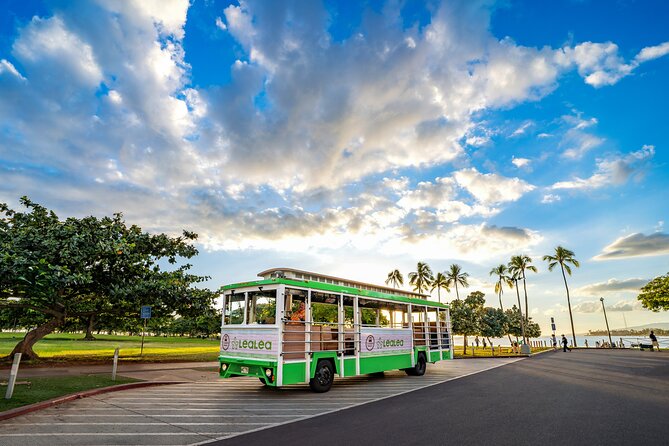
- Waikiki + downtown + east-side lookouts in one ride network
- Two major “modes”: frequent city stops and shorter scenic photo stops
- Trolley pass only: you’ll pay any attraction admissions separately
- Starts around Royal Hawaiian Center, a central Waikiki hub
- English service, but you should still double-check your stop on the ground
What Your $35 Day Pass Really Covers (and What It Doesn’t)
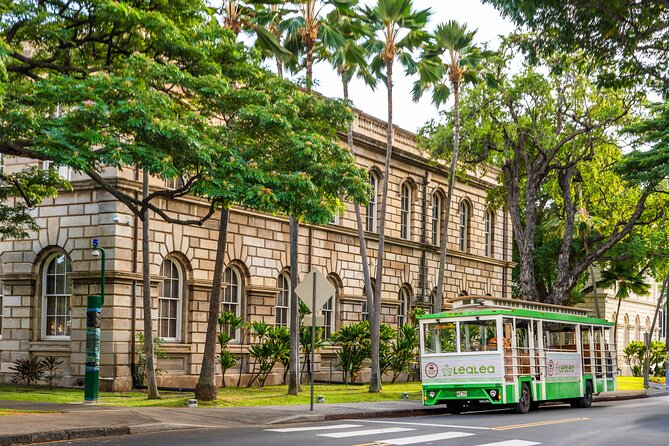
Let’s talk value, because $35 on Oahu can either buy you lots of convenience, or a whole lot of waiting. This pass is priced per person and is set up as a trolley pass only. That means it’s for getting on the trolley and riding the route, not for covering any museum entry, aquarium tickets, or zoo fees.
The practical benefit is that you can move between areas that normally feel far apart when you’re walking or taking individual cabs. You can hop between Waikiki hotel clusters, shopping and neighborhood stops, and downtown Honolulu stops like Iolani Palace and the Hawaii State Capitol area. And you can treat the route like a menu: ride longer in one zone, then come back if you’re not feeling that far-flung.
The one thing I’d keep in mind is that the route includes some photo stops (listed as short time windows). Those are great for quick views, but they’re not a full replacement for time on-site.
You can also read our reviews of more tours and experiences in Oahu
Start at Royal Hawaiian Center: Your Best Base in Waikiki
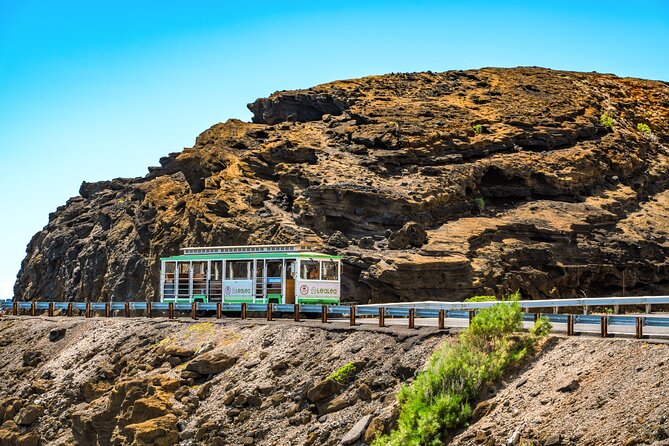
Royal Hawaiian Center is a key anchor point on this Pink Line route. It’s listed right at the start, and it also comes up again later, which matters because it gives you a reliable “reset” point if you want to return to Waikiki without scrambling.
Timing matters here. The trolley runs daily from 8:00 AM to 5:00 PM (for the seasonal operating window shown), so you can structure your day around daylight. I’d aim to arrive before you feel rushed, since you’ll be stepping on and off several times.
Parking is the weak spot to plan for. Even if you’re starting at Royal Hawaiian Center, parking there can add up, one commonly seen example price is about $2.50 for 20 minutes. Translation: if you’re driving, don’t assume you can park cheaply for a long afternoon of trolley hopping. If you can, use drop-off, walk in from nearby, or line up with other public transit options.
Waikiki Hotel and Shopping Stops: The First Leg Is All About Convenience
The early stretch of the route is very “Waikiki in motion.” You’ll see stops tied to beachfront and major hotel areas, plus shopping and everyday errands. That’s exactly where this pass pays off, because it reduces the friction of getting across Waikiki without paying for ride after ride.
On this stretch, you’ll encounter names like the Duke Paoa Kahanamoku statue area and stops around Royal Hawaiian Center, the Twin Fin Hotel, Hotel La Croix, and Hilton Hawaiian Village (including the Grand Islander area). You also get connections through areas like Don Quijote and Walmart stops, plus Ala Moana Center and nearby stops around Prince Waikiki and other Waikiki-adjacent hotels.
What I like about this cluster:
- It’s easy to get your bearings fast. Waikiki can feel like one long strip, but these stop names help you map your day.
- You can pair “beach time” with “walk time” without needing a car. Hop onto the trolley, then walk a few blocks from the stop toward whatever you want, food, shopping, or a stroll.
The consideration:
- Waikiki gets crowded. If you’re hoping for a relaxed pace, build in extra time when you step off near major hotels and shopping areas.
- Because the route covers a lot of ground, you may feel like you’re always moving. If you want one long sit-down meal, plan it so you’re not eating between transfers.
Downtown Honolulu Without the Car: HoMA, Capitol, Iolani Palace
Once you head toward downtown, the tone shifts. This part of the Pink Line includes big-name cultural and civic landmarks, and it’s where you can build a more classic sightseeing day.
You’ll see stops for:
- Honolulu Museum of Art (HoMA)
- Hawaii State Capitol
- Foster Botanical Garden
- Bishop Museum
- Izumo Taishakyo Mission of Hawaii
- Iolani Palace and the King Kamehameha statue area
- Neal S. Blaisdell Center
This is where the trolley pass can save real money if you’re bouncing between these areas, because downtown can be awkward without a car (and parking is rarely the friendly kind of cheap). Also, these stops give you options. You don’t have to do everything; you can choose one anchor stop and let the rest be extras if time allows.
What I’d do with this downtown section:
- Pick one “must” (Iolani Palace or the Capitol area are common favorites) and plan your time around that.
- Treat the other downtown stops as walk-and-see possibilities, not guaranteed full visits, since your total ride time is limited.
The drawback to watch:
- Downtown visits usually mean more walking than Waikiki. If you’re wearing sandals for a beach day, you might find you need a more comfortable shoe for sidewalks and crossings.
Diamond Head to Hanauma Bay: The Photo-Stop Strategy Works
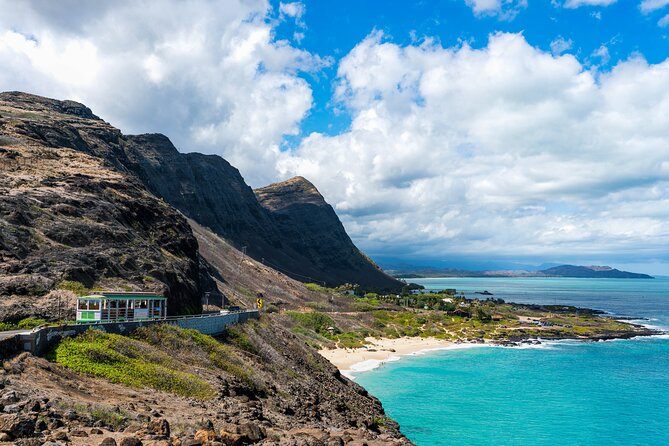
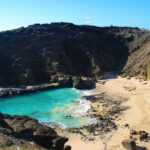
The Pink Line route also swings toward the southeast side and includes a run of scenic stops. Some are full stops where you can get off; others are listed as short photo stops, specifically around Hanauma Bay and Halona Blowhole.
Key names you’ll see in this area:
- KCC Farmers’ Market
- Diamond Head Crater
- Kahala Mall
- Hanauma Bay (listed as a 15-minute photo stop)
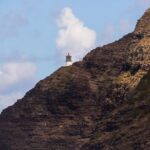
- Halona Blowhole Lookout (listed as a 15-minute photo stop)
This is the portion of the route that feels like the best tradeoff for limited time. If you only have a half-day and you still want the “Oahu wow” moments, short photo stops can work well. You don’t need an all-day commitment to get a few great viewpoints.
My practical advice:
- Have your camera ready for the quick stops. Fifteen minutes goes fast once you step out, find a spot, and then wait for the group to move.
- Bring water and something for sun. These areas can be exposed, and trolley timing means you may not have time to grab supplies on the fly.
And a heads-up on expectation:
- Photo stops are for views. They’re not for long explorations. If you want to fully experience Hanauma Bay or Halona Blowhole, this route can get you close, but it won’t replace time on-site.

Kahala, Kaimuki, and Neighborhood Stops: Where the Route Gets More Local
One of the more interesting things about this Pink Line is that it doesn’t only skim the tourist map. It includes neighborhood shopping and food stops that can help you experience more everyday Oahu life.
You’ll find stops such as:
- Bogart’s Café (Monsarrat Avenue)
- Kaimukī Community Park
- Miro Kaimuki
- Market City Shopping Center
- Safeway (with a nearby Leonard’s Bakery stop listed)
- Side Street Inn On Da Strip
- Pioneer Saloon
- Kahala Mall (again in the broader route)
This is also where the route can be a little tricky for first-timers, not because the places are bad, but because you’re farther from the obvious landmarks. The stop names can help you orient, but you’ll still want to be careful when you’re crossing streets and walking between the bus stop and the place you want to explore.
How I’d use this “neighborhood zone”:
- If you want a casual meal, choose one stop and commit. Don’t plan to do four quick hits or you’ll burn time on boarding and walking.
- Use it as your low-pressure dinner option. When you’re away from the hotel-strip crowds, the route can feel more relaxed.
Zoo, Aquarium, Koko Head Park, and the East Marina Side
The Pink Line also includes attractions and ocean-adjacent stops that can turn a trolley ride into a real day of variety.
Some of the notable names in this chunk:
- Honolulu Zoo (bus stop listed)
- Waikiki Aquarium
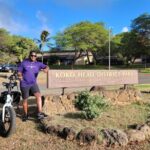
- Koko Head Park (listed with a photo stop time window)
- Sea Life Park Hawaii
- Koko Marina Center
- Hawaiʻi Kai Towne Center
Here’s the value logic: zoo and aquarium are often pricier as standalone outings. With this trolley pass, you can get to the right area without paying for multiple taxis or trying to navigate buses with heavy bags. And Koko Marina and Hawaiʻi Kai offer a different feel from central Waikiki, more of a coastal neighborhood vibe, at least from the stop positioning.
The main drawback is the one you should always remember with a pass like this:
- Admissions aren’t included. If you get excited and decide you want to enter several places, the costs can stack up fast.
- Your time is limited by the overall ride window, so you need to choose which paid experience is worth it.
If you’re balancing beach time with attraction time, I’d pick only one major paid stop here. Everything else becomes optional.
How to Time Your Ride So You Don’t Feel Rushed
This pass is priced for a short time window, but the route covers a lot of named stops. That can be a blessing or a trap.
My best method:
- Choose two zones max. For example: Waikiki + one downtown stop, or Diamond Head photo stops + one neighborhood meal.
- Use photo stops as “view checkpoints,” not as places to plan a full visit.
- Build a buffer. Step on board early enough that you’re not sprinting to the trolley when it arrives.
Also, pay attention to stop references like bus stop numbers that are listed for some locations. When you’re standing at a curb, those details help you avoid the classic move of boarding the wrong direction or missing the pickup spot.
One more timing tip: if you’re hoping for a smooth ride, don’t count on expert narration. Some drivers may have announcements that are hard to follow, so it’s smart to watch the route and confirm your next stop when you can.
Price and Logistics: Is $35 a Good Deal for Oahu?
Let’s make this simple. $35 gets you trolley access for about three hours. That’s fair if:
- you plan to ride multiple times and use the stop network to move between areas, and
- you don’t try to force three paid attractions into the same day.
It’s less of a deal if:
- you mostly stay in one small area and only take one short ride, or
- you assume tickets and entry fees are included (they are not).
Logistics can also affect the final value. Parking around the Royal Hawaiian Center can be costly for short periods, and the success of your day can depend on how clear the pickup and onboard communication feels. With that said, the route does give you a lot of options without needing to schedule a bunch of separate transport.
Who gets the best payoff:
- First-time visitors who want an easy way to connect Waikiki with downtown and at least some east-side scenery
- People traveling without a car
- Anyone who likes to pick priorities on the day and adjust on the fly
Who might feel annoyed:
- If you want a slow-paced guided experience with lots of detail at every stop
- If you hate short photo windows and prefer deep, long visits only
Should You Book the LeaLea and Waikiki Trolley Pink Line?
I’d book this pass if you want mobility more than narration. It’s one of those trolley experiences that can turn a limited day into a bigger mix of Waikiki, downtown Honolulu, and southeast viewpoints. The price is reasonable for what you can access, especially if you’ll ride across multiple areas and keep paid entries to one or two must-dos.
Skip it (or at least scale expectations) if you’re expecting guided storytelling and long stays at every stop. With a route packed with named locations and a few short photo stops, you’ll need to choose your priorities ahead of time.
FAQ
Where does the Pink Line start?
The route is shown starting at Royal Hawaiian Center, with Royal Hawaiian Center appearing again later on the route as well.
How long can I ride with this pass?
The duration is listed as about 3 hours.
What does the $35 per person price include?
It includes only the Trolley Pass for this experience.
Are any attraction entrance fees included?
No. Admission or entrance fees are not included in the pass.
Is the experience offered in English?
Yes, it’s offered in English.
When does the trolley run?
It’s listed as operating daily from 8:00 AM to 5:00 PM, with the date range shown as 09/03/2024 – 02/04/2027.
What is the cancellation policy?
Cancellation is free up to 24 hours in advance for a full refund. If you cancel less than 24 hours before the start time, the amount paid is not refunded.