REVIEW · OAHU
Learn to surf with a local big wave rider on the North Shore of Oahu
Book on Viator →Operated by Chance King · Bookable on Viator
Big waves meet first-timer coaching. On Oahu’s North Shore, Chance King teaches at Haleiwa Surf Surf School with local big-wave know-how and patient beginner instruction that gets you focused fast. You start on shore with a 15–20 minute safety briefing, then head into the water with guidance on how to stand up and navigate the surf break, and the school backs it with a feel-good promise: you’re guaranteed to get up and riding during your session.
One thing to keep in mind is that this is a real ocean lesson, so it’s weather-dependent, and you’ll have more fun if you plan extra time rather than squeezing it between other activities. Dress for comfort and board burn, and if you’re bringing kids or anyone prone to motion sickness, tell the instructor quickly so you can get support and adjust.
In This Review
- Key highlights worth planning for
- North Shore Surf Lesson With Chance King in Haleiwa
- The first 15–20 minutes: beach safety that actually helps
- Getting in the water: how the coaching turns into waves
- Why Chance chooses beginner-friendly conditions
- Private group energy: more attention without the crowd noise
- Kids, first-timers, and nerves: what the session is good at
- What to wear (board burn is real)
- Timing on the day: when earlier helps
- Value on Oahu: why this lesson feels worth it
- Weather and realistic expectations: the ocean is in charge
- Should you book this surf lesson in Haleiwa?
- FAQ
- How long is the surf lesson on Oahu’s North Shore?
- Where do I meet for the lesson?
- Is the lesson offered in English?
- Is this a private experience?
- What happens at the start of the lesson?
- What if weather is poor or I need to cancel?
Key highlights worth planning for
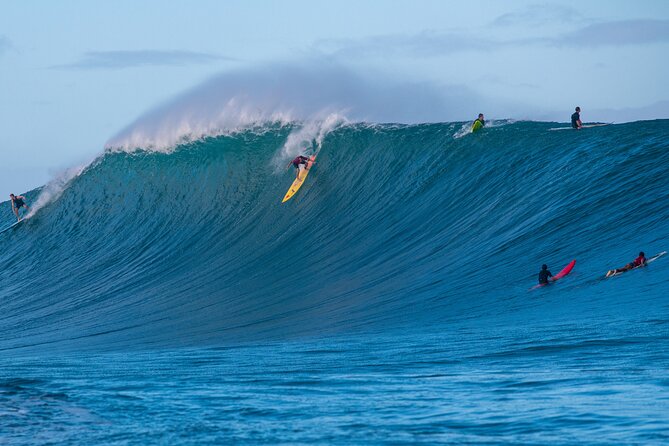
- Chance King’s North Shore background: a lifelong waterman with big-wave and tube-rider experience guiding your first rides
- 15–20 minutes of beach coaching first: safety, stance, and break navigation so you’re not guessing in the water
- Beginner-focused session design: you’re taught at a level that fits brand-new surfers
- Guarantee on getting up: you should get riding during the session, not just watching from the shore
- Comfort and pacing that keeps you going: coaching helps you stay rested between waves
- 100% refund if you’re not enjoying it: a rare “we want you to feel good” policy during the lesson
North Shore Surf Lesson With Chance King in Haleiwa
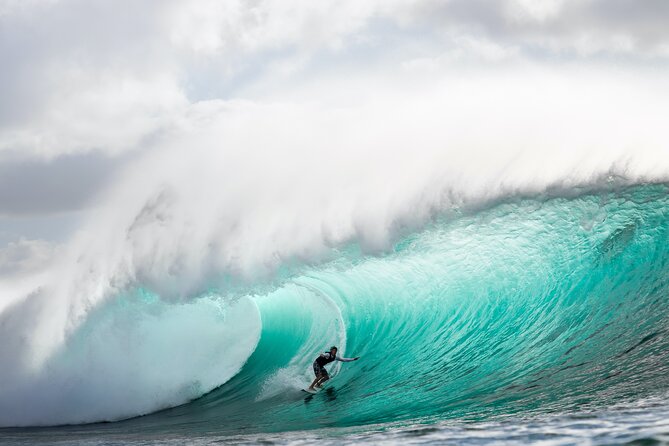
If you’re picturing surf lessons as a slow day of awkward paddling, this one is built to move with you. The focus is on surf basics with real North Shore credibility: Chance King is the owner of Haleiwa Surf Surf School and grew up on the north shore, with a lifetime of ocean safety and ocean experience. That matters because surfing is never just “how to stand on a board.” It’s timing, reading water, and knowing what to do when conditions change.
The vibe you’re aiming for here is local and practical. Chance’s big-wave and tube-rider background doesn’t mean this lesson is out of reach; it means you get taught by someone who understands how to manage risk and momentum. In plain terms: you get safer faster, and you spend more of the session actually riding.
The “where” is also a plus. You’re meeting in Haleiwa at Kahalewai Place, a convenient north shore base point, and the experience ends back at the same place. That simple logistics rhythm helps your day feel smoother.
You can also read our reviews of more tours and experiences in Oahu.



The first 15–20 minutes: beach safety that actually helps
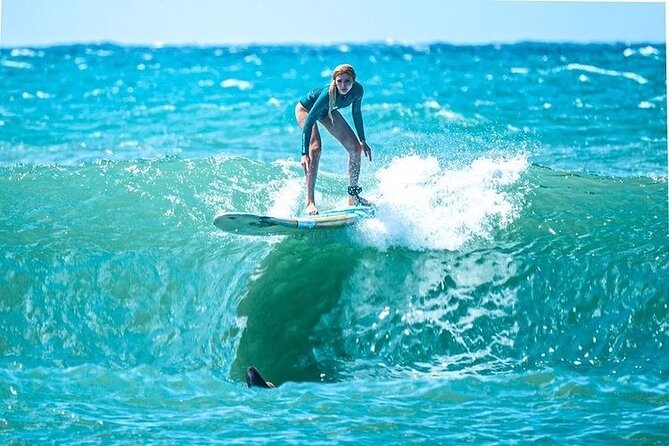
The session begins with a short stretch of beach instruction and safety briefing, typically 15–20 minutes. That time isn’t filler. It’s where your instructor sets the rules of the ocean and teaches the movements you’ll use immediately in the water.
You’re taught how to properly stand on your board and how to navigate the surf break. For first-timers, that can be the difference between feeling confused and feeling in control. You’ll also get real-time context about where you’re going and what to expect, which helps a lot if you’re nervous.
One detail I really like: you’re not just told to “watch and follow.” You’re guided through the setup so you understand what the board is doing and why the wave timing matters. The result is that when you hit the water, you’re not starting from zero.
Getting in the water: how the coaching turns into waves
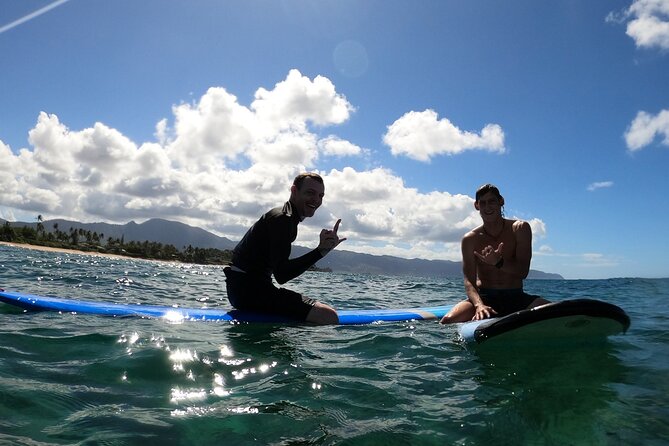
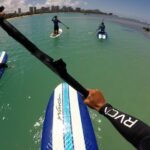
Once you’re out there, the instruction shifts from theory to action. This is where you learn to line up, pop up, and make decisions at the speed of waves. The goal is not to simply have you touch a board and hope for the best. The school’s promise is that you’re guaranteed to get up and riding during your session.
What you’ll likely notice is that the coaching is very focused on getting the next wave, not perfecting a bunch of complicated techniques at once. That matters for confidence. When you feel success early, you relax, and relaxed surfers paddle better, listen better, and last longer.
The teaching style also seems built for real spacing on the water. In practice, you can expect more ride time because you’re coached with your group size in mind. For example, one group of four was able to get several surfs per person during the session, with enough breaks to recover between attempts. That pacing is important because fatigue can turn a good technique day into a frustrating one.
Why Chance chooses beginner-friendly conditions
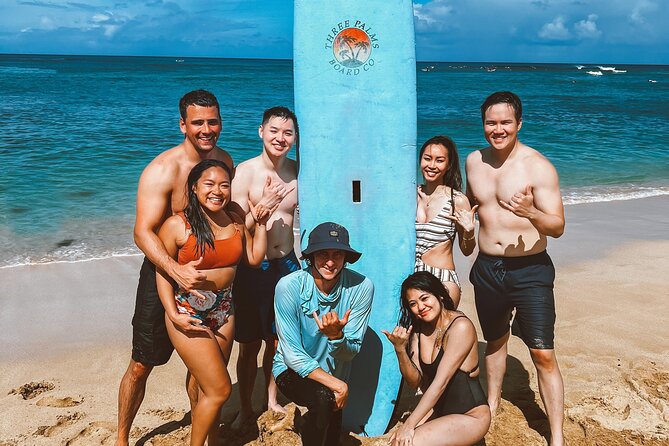
On the North Shore, the ocean can be intense. What makes this lesson feel “beginner-friendly” is the way it’s matched to your needs. One of the strongest themes in the experience is the way the instructor picks a surf spot that works for beginners and often isn’t overcrowded.
That choice changes everything. Less crowding means you’re not getting constantly interrupted by other groups and different skill levels. It also reduces the sense of chaos that can make new surfers hesitate.
Also, big-wave knowledge helps here. A rider who’s comfortable with powerful water still understands how to scale the learning. You’re not being thrown into something random; you’re being placed where you can learn the motion and timing without fighting the ocean the whole time.
Private group energy: more attention without the crowd noise
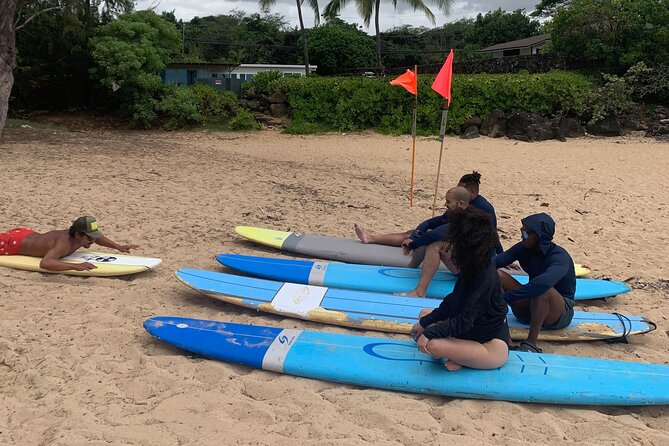
This is a private activity, meaning it’s only your group. That’s a huge quality-of-life factor. You’re not sharing a lesson with multiple parties and hoping the instructor catches your needs between different skill levels.
In reviews, the “feel” of that private setup comes through: people describe the instructors as patient and quick to get them into the water. They also note that having dedicated coaching can mean more rides than being out on the waves as part of a larger, mixed group. If your goal is to leave with actual wave time, this matters.
And it can matter emotionally too. If you’re scared at first, you need reassurance that doesn’t feel cheesy. The instruction here seems designed to keep you calm while still pushing you toward progress.



Kids, first-timers, and nerves: what the session is good at
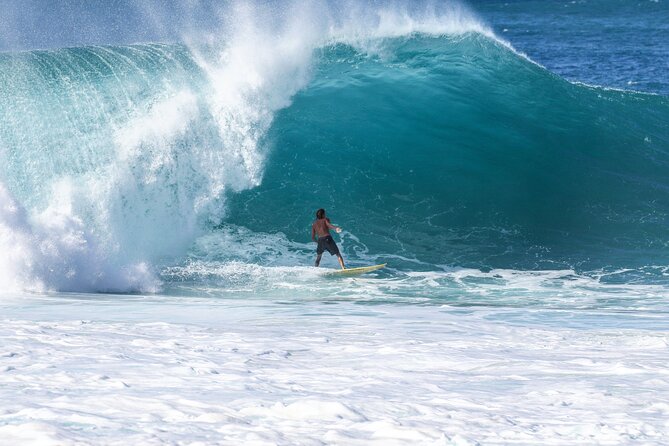
If you’re bringing kids, this lesson has a clear track record of working through the first-time jitters. One family brought daughters aged 15, 13, and 8 for their first surf lesson, and the youngest ended up standing a few times. That’s the kind of outcome you want to hear when you’re worried about whether an 8-year-old will get overwhelmed.
The teaching style also includes attention to comfort and wellbeing. In that same family experience, one child got sea sick, and the instructor brought her back to shore and made sure she was okay. That’s a realistic reminder: the ocean can affect people differently, even when the beach is calm.
For any first-timer, adult or child, the best advice I can give is to communicate early. If you feel shaky, seasick, or scared, say it right away. A good instructor can adjust how you enter the water and how you take breaks, and you’ll have a much better experience if you don’t white-knuckle it.
What to wear (board burn is real)
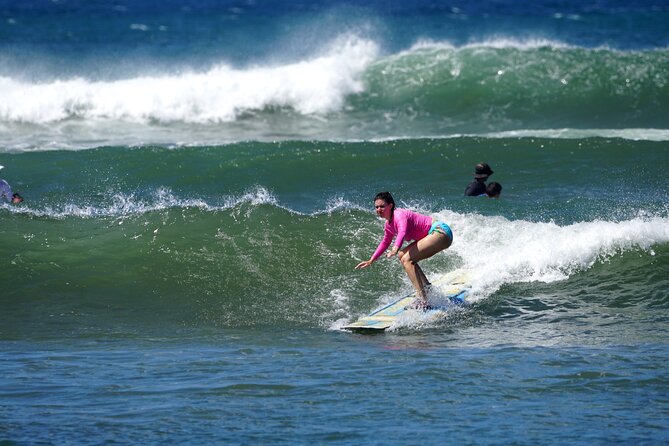
Comfort is not a small detail here. Several people specifically mention board burn, which is the friction and irritation you can get when your skin rubs the board during paddling and popping up.
A practical takeaway is: wear a one-piece and something that covers your thighs. That kind of simple clothing choice can make the day way more enjoyable. Also, treat this like a real water activity: wear swimwear you’re comfortable getting wet, and plan for the fact that you’ll be moving a lot on the board.
If you’re bringing kids, this matters even more. Loose comfort clothing can get in the way; tight or protected clothing can keep the day from turning into a skin problem instead of a surf success.
Timing on the day: when earlier helps
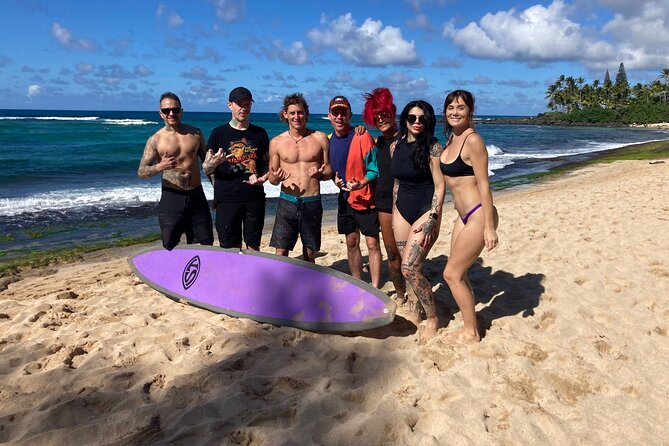
You’ll see a smart scheduling suggestion come up: consider booking an earlier time in the day if you can. The reasons are straightforward. Early sessions often feel calmer, and you’re more likely to start the day with energy for multiple wave attempts instead of arriving after fatigue has set in.
Also, surfing lessons can become the best part of your day. One person recommended blocking out more time because it’s so much fun. That’s not just hype; surf lessons take energy, and you may want time afterward to recover, rinse off, and decompress instead of rushing into dinner plans.
Value on Oahu: why this lesson feels worth it
Surf lessons can range from “basic instructions” to “coaching that changes how you ride.” This one leans hard toward the second category. You’re paying for a local instructor with a lifetime of ocean safety, a beginner-focused teaching flow, and a guarantee that you should get riding during your session.
There’s also the 100% refund promise if at any point you aren’t enjoying the session. That’s a strong signal that they’re not treating your money as the goal. They’re aiming for a positive experience, and that changes how an instructor approaches the lesson.
Another value factor: you’re not just getting a quick walk-through. You start with a beach lesson, then get coached in the water with enough structure to make progress during the 1 hour 30 minutes. For many people, the biggest frustration in beginner surfing is the sense that you’ll get maybe one wave and then it’s over. The way this lesson is described suggests a better chance of consistent wave attempts.
And yes, there are group discounts and a mobile ticket option, which can help if you’re booking with friends or family.
Weather and realistic expectations: the ocean is in charge
The ocean is the boss. This experience requires good weather, so if conditions aren’t right, you’ll be offered another date or a full refund. That’s the correct kind of flexibility for an ocean activity because safety and ride quality depend on conditions.
Realistic expectation is part of having fun. Even with great coaching, there will be moments where you wait, reset, paddle again, or take a break. What matters is that you’re taught how to handle those moments, not just thrown into the chaos.
If you’re prone to motion sickness, tell the instructor early. One family’s experience shows that the team will help if someone isn’t feeling well, including getting the person back to shore and checking in.
Should you book this surf lesson in Haleiwa?
Book it if you want a beginner-first approach taught by a North Shore waterman, and you care more about getting actual wave time than just having a scenic beach story. It’s a great fit for first-timers, nervous surfers, and families who want patient coaching and a safety-first flow.
I’d also book it if you dislike “big class” lessons. A private group setup tends to translate into more attention, faster feedback, and better odds of staying energized through the session.
Skip it only if you know you can’t handle ocean conditions on a given day. Because it’s weather-dependent, you should be comfortable with the idea that the ocean might change plans.
Bottom line: if you want to learn to surf with real local guidance and you’d like your lesson designed around getting you riding, this is a strong North Shore choice.
FAQ
How long is the surf lesson on Oahu’s North Shore?
The experience runs about 1 hour 30 minutes.
Where do I meet for the lesson?
You meet at Kahalewai Place, Kahalewai Pl, Haleiwa, HI 96712, USA, and the activity ends back at the meeting point.
Is the lesson offered in English?
Yes, the experience is offered in English.
Is this a private experience?
Yes. It’s a private tour/activity, and only your group will participate.
What happens at the start of the lesson?
You start with a short 15–20 minute beach instruction and safety briefing, including how to stand on your board and how to navigate the surf break.
What if weather is poor or I need to cancel?
The experience requires good weather; if it’s canceled due to poor weather, you’ll be offered a different date or a full refund. You can cancel up to 24 hours in advance for a full refund.