REVIEW · OAHU
Whale Watching Cruise in Honolulu
Book on Viator →Operated by Prince Kuhio Tours · Bookable on Viator
Whales are a bonus on this Honolulu sail. I love the spacious upper deck for scanning the water, and I also like the on-board drink service that keeps the outing comfortable. The big drawback to plan around: the trip runs only with good conditions, so you might end up with no whales, or even a cancellation.
This is a 12:00 pm cruise from Ala Moana, about 1 hour 45 minutes, and you’ll use a mobile ticket. If you’re prone to seasickness, plan ahead, motion sickness medication isn’t included, and the operator says the cruise isn’t recommended for unmanageable motion sickness.
In This Review
- Quick take: what matters most
- Whale watching in Honolulu: what you’re really paying for
- Price and value at $45: deck time beats add-ons
- Where you board: Ala Moana Blvd at 12:00 pm
- The route: Diamond Head Lighthouse to Waikiki Beach
- Diamond Head Lighthouse stop: the scan-and-set phase
- Waikiki Beach stop: where sightings often matter most
- Onboard comfort: roomy upper deck and helpful crew
- Food and drinks: what to expect from the onboard vibe
- Whale odds: what season and timing can do for you
- Weather, wind, and last-minute changes: plan like a local
- Who should book this cruise (and who should skip)
- Should you book this Honolulu whale watching cruise?
- FAQ
- How much does the whale watching cruise cost?
- How long is the cruise?
- What time does the cruise start, and where do I meet?
- Is there a mobile ticket?
- What is included, and what should I bring?
- When are humpback whales most likely to be in Hawaii waters?
- What happens if the tour is canceled due to weather, or if I cancel?
Quick take: what matters most
- Spacious open upper deck helps you spot whales without feeling boxed in.
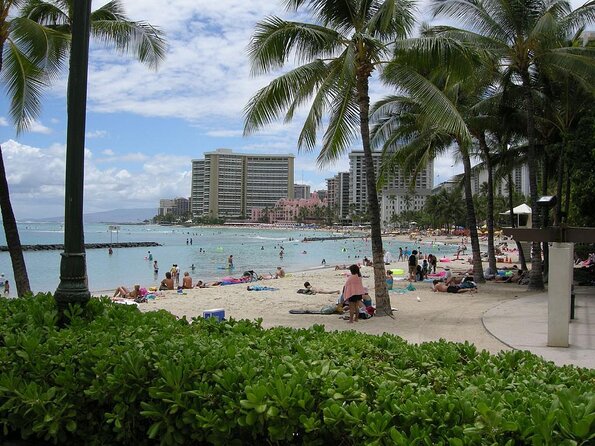
- Waikiki-coast route gives you plenty of coastline and ocean views as you search.
- Crew actively help with sightings, so you know when to look.
- Good weather is required, so wind can affect your day.
- Small enough to feel like a group (max 100 travelers) without being tiny.
Whale watching in Honolulu: what you’re really paying for
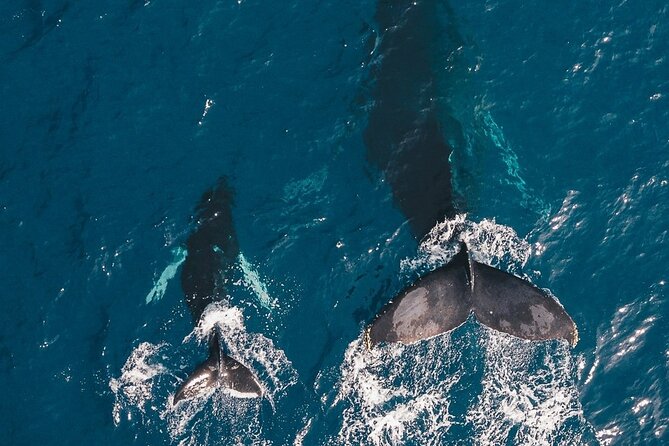
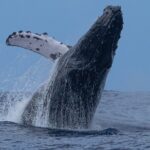
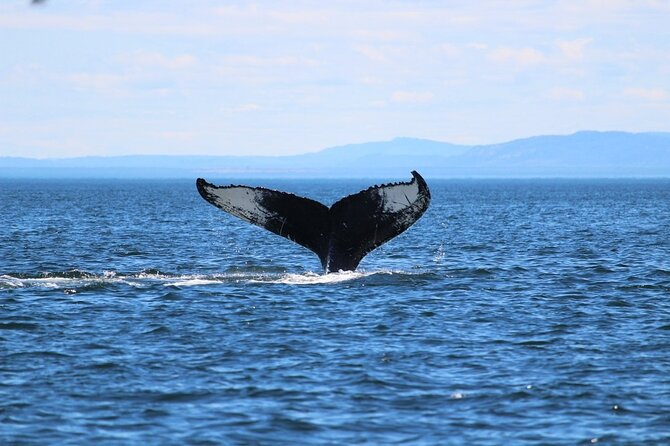
You’re buying two things with this cruise: time on the water and a deck plan designed for whale-spotting. In Hawaii, humpback whales winter nearby, most reliably in the mid-December through March window. When conditions line up, you’re not just watching a distant spout, you’re seeing behavior: slow turns, feeding, surface play, and sometimes more dramatic breaches.
And even when the whales don’t show up, the experience still works because the cruise is built around being outside and looking, across a real slice of the Honolulu coast, not a quick drive-by from behind a window.
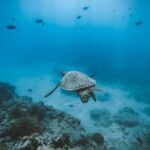
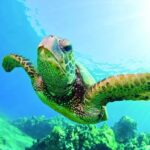
The starting price is $45 per person for an outing that runs about 1 hour 45 minutes. That’s middle-of-the-road for Hawaii tours, and it feels fair because you’re getting a long look from a stable, open upper deck plus time watching for marine life like dolphins and sea turtles (when they’re around).
You can also read our reviews of more boat tours in Oahu
Price and value at $45: deck time beats add-ons
At $45, I treat this as a value play. You’re not paying extra for premium “seating tiers” in the information you get, you’re paying for the core experience: being out on the water with an upper deck view.
A few practical notes make the value make sense:
- The boat experience includes upper deck/outside seating (capacity depends on the ship/ride).
- You’ll have on-board drink service, which matters when you’re out for almost two hours.
- The crowd limit (max 100) keeps the whole operation from turning into a stampede.
What isn’t included is motion sickness medication. That detail is small on paper, but it can make or break value for the people who need it. If you’re even slightly unsure, bring your own solution, don’t assume you can wing it at the dock.
Where you board: Ala Moana Blvd at 12:00 pm
The meeting point is straightforward: 1009 Ala Moana Blvd, Honolulu, HI 96813, and the cruise starts at 12:00 pm. The activity ends back at the same meeting point, so you’re not dealing with complicated drop-offs.
Two things I like about the location setup:
- You’re near public transportation, so you can travel without fighting Honolulu traffic.
- Ala Moana is a good “base” area, easy to fit this into a day of beach time and other Waikiki sights.
One consideration: because this is a midday departure, it can overlap with sun and wind shifts. If you’re sensitive to heat, plan your day so you’re not arriving already wiped out.
The route: Diamond Head Lighthouse to Waikiki Beach
This cruise follows a practical search pattern along the coast. You’ll have two notable parts to the run:
Diamond Head Lighthouse stop: the scan-and-set phase
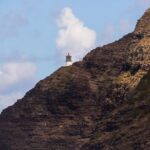
Starting with the Diamond Head Lighthouse area gives you a dramatic coastline viewpoint to orient yourself fast. It’s a good moment to get your bearings, where the water is open, where the horizon sits, and where your best sightlines are from the upper deck.
A fair warning: with whale watching, you’re not guaranteed “nearby whales” on every sailing. Even when whales are present, you may initially spot them from farther out. That’s not a failure of the crew; it’s just how wildlife moves in real ocean conditions.
You can also read our reviews of more whale watching tours in Oahu


Waikiki Beach stop: where sightings often matter most
The second stop is Waikiki Beach. This part of the route is where the experience can feel most “on” because you’re still in the familiar Waikiki sightline zone while the crew keeps hunting for pods.
When whales do appear, you’ll usually want the upper deck view. The point isn’t just seeing a spout, it’s timing the next surface moment and watching how the pod moves through the water. If the whales are active, this is the segment where the ride can go from calm sightseeing to full wow-mode.
Onboard comfort: roomy upper deck and helpful crew
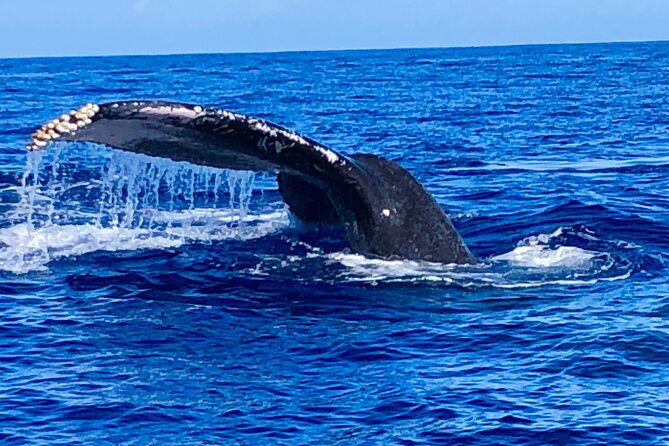
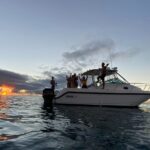
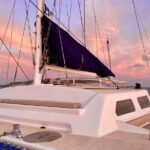
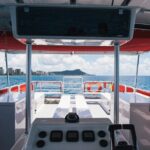
The upper deck is the star feature here, and it’s exactly what I look for on whale cruises. From the top, you get open views and more room to shift your angle as whales surface. That reduces the common problem of being stuck behind people who showed up late to the best viewing spot.
The boat is also described as comfortable and stable. Stability matters because seasickness is real, especially if wind picks up.
Where the cruise really earns its high points is the crew approach. When whales are sighted, you’re not left guessing. People have reported the staff letting them know when whales were spotted and helping keep the group informed.
That adds value even if you don’t see anything right away, because it keeps the hunt from feeling passive.
Food and drinks: what to expect from the onboard vibe
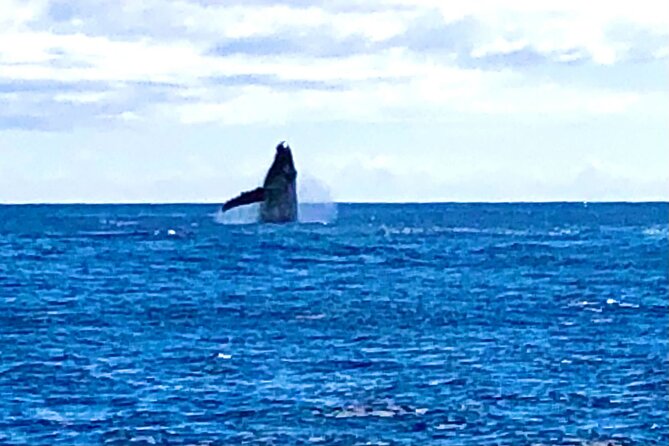
From the provided info, drink service is on board. That’s a simple but smart inclusion: it turns a “sit and wait” activity into something you can comfortably ride out, especially if you’re staying out through midday.
Some departures are described as having breakfast or meal service (people mention food like French toast or loco moco, plus a friendly waitress). I wouldn’t build your day around specific menu items unless you confirm your exact sailing details, but I like that the operator treats the cruise as more than just a checklist item.
One note on drinks: one piece of feedback mentions BYOB. Policies can change, so if you’re thinking of bringing your own drinks, I’d verify first rather than gambling at the dock.
Whale odds: what season and timing can do for you
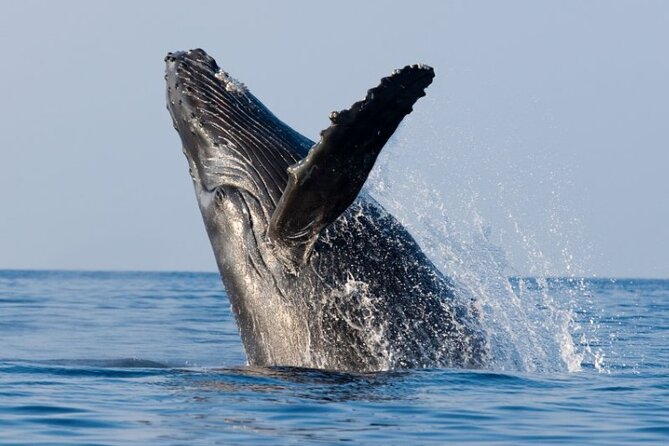
Humpback whales are the headline in Hawaii winter waters, and this cruise is clearly positioned around that reality. The mid-December to March window is when you’re most likely to see the whales in the Honolulu area.
But I also think it’s worth adjusting expectations even during prime season:
- You might see whales from farther away rather than up close.
- You could get fewer whale moments on one trip than another, depending on where pods travel that day.
- Wind can change how far the boat can comfortably travel and where it can sit in relation to wildlife.
The best mindset is: look for whale behavior, not just a fast spout. If you can spot small movements, direction changes, surface milling, clusters, you’re more likely to catch the next moment.
When whales do come closer, it can be unforgettable. Some feedback points to mother-and-calf sightings at closer viewing distances, plus breaches that bring the whole group to instant attention.
Weather, wind, and last-minute changes: plan like a local
This is a weather-based experience. The operator states that the cruise requires good weather. If weather turns, your day may change.
Here’s the practical version of what that means for you:
- If it’s canceled due to poor weather, you’ll be offered a different date or a full refund.
- If there aren’t enough travelers (minimum group requirement), you might be offered a different time or refund.
I’ll add an extra real-world tip: don’t schedule something critical right after your cruise. Set up your day with a little wiggle room, especially if you’re driving and parking costs are on the line.
Also, bring the stuff that makes wind tolerable. A light layer helps because ocean air can feel cooler once you’re moving.
Who should book this cruise (and who should skip)
This whale watching cruise is a good match if:
- You want a deck-forward experience where you can actually search the water.
- You’re visiting in the humpback season window (mid-December through March).
- You like staying outside for the whole outing, not bouncing between quick stops.
It’s not a great match if:
- You have unmanageable motion sickness. The operator explicitly warns against it, and motion sickness medication isn’t included.
- You hate the idea that weather or mechanics could alter plans. Some past trips were canceled or changed close to departure time, so you’ll want flexibility.
If you’re traveling with kids, this can still work because the crew experience tends to be people-focused and the ride itself is described as comfortable. Just pack sun protection and plan for the waiting between sightings.
If you’re a solo traveler, you’ll likely appreciate the manageable group size (max 100). It’s big enough that the boat doesn’t feel empty, but not so big that you lose your angle.
Should you book this Honolulu whale watching cruise?
I’d book it if you’re coming for whales during the December-to-March season and you want a comfortable, open-air search from a spacious upper deck. The value at $45 fits well when you plan for the possibility of fewer sightings and you bring your own seasickness solution if you need it.
I’d think twice if you’re on a tight schedule with zero flexibility, or if motion sickness is a major issue for you. Weather dependence is part of the deal, and you don’t want a whale cruise to turn into a stress test.
If you do book, do one simple thing: plan a buffer window in your itinerary. Hawaii rewards patience, and this cruise is at its best when you give it room to do its job.
FAQ
How much does the whale watching cruise cost?
The price is $45.00 per person.
How long is the cruise?
It runs about 1 hour 45 minutes.
What time does the cruise start, and where do I meet?
The start time is 12:00 pm, and you meet at 1009 Ala Moana Blvd, Honolulu, HI 96813, USA.
Is there a mobile ticket?
Yes. The tour uses a mobile ticket.
What is included, and what should I bring?
Outside seating on the upper deck is included (based on capacity). Motion sickness medication is not included, so if you need it, bring your own.
When are humpback whales most likely to be in Hawaii waters?
The most reliable wintering period is mid-December through March.
What happens if the tour is canceled due to weather, or if I cancel?
If weather is poor and the tour is canceled, you’ll be offered a different date or a full refund. You can also cancel up to 24 hours in advance for a full refund; within 24 hours, the amount paid isn’t refunded.