REVIEW · HONOLULU
Oahu: Whale Watching Cruise Whales Guaranteed
Book on GetYourGuide →Operated by Living Ocean Tours · Bookable on GetYourGuide
Whales on Waikiki time is a good kind of surprise. This Oahu cruise runs during the January–April humpback migration and gets you out on the water where you can spot whales on their way to mate and give birth. I like the focus on real whale behavior, not just a quick look and go.
My other favorite part is the sunset scenery from the water. You get wide views of Waikiki Beach and Diamond Head, plus live commentary from the crew, Captains like Shawn, Kevin, and Jason, and helpful staff such as Tanner, Missy, Haley, and Taylor have been part of past departures. If you’re hoping for romantic photos, they’ll even help take pictures during sunset.
One thing to think about: sightings are common, but not guaranteed, and the trip isn’t suitable if you’re pregnant, have back problems, or get seasick easily.
In This Review
- Key highlights worth your attention
- Why this 90-minute format works for whale watching on Oahu
- Pier B in Kewalo Basin: where you start makes a difference
- The double-decker power boat setup: photos, views, and snacks
- Waikiki Beach leg: where the coastline framing helps you spot movement
- Diamond Head Lighthouse leg: searching with big landmarks in view
- The crew and guide commentary: what you learn while you watch
- Sunset viewing: the romance factor and how to make it work
- Price and value: why $56 can be a good deal
- Who this cruise suits (and who should skip it)
- Weather, chances, and the free return plan
- Should you book this Oahu whale watching cruise?
- FAQ
- Where do I meet for the cruise?
- How long is the whale watching cruise?
- Does this run only during whale season?
- Are whale sightings guaranteed?
- What views can I expect besides whales?
- What’s included in the ticket price?
- Is hotel pickup included?
- Who shouldn’t take this tour?
- What should I bring, and what’s not allowed?
Key highlights worth your attention
- Humpback migration timing (Jan–Apr) when whales are most likely to be around
- Waikiki Beach + Diamond Head views from the water, not from a crowded lookout
- Double-decker power boat for better viewing angles and photo opportunities
- Live guide commentary tying what you see to whale behavior and marine ecology
- Free return trip if you end up with no sightings (rare, but it’s there)
Why this 90-minute format works for whale watching on Oahu
On Oahu, whale watching can eat up a whole day, long drives, long waits, and boats that feel like a compromise. This one is tight: about 90 minutes on the water, with the best light usually in the afternoon and around sunset. That time window matters because humpbacks can be more active, and the coastline views look better when the sun starts to lower.
You also get a practical routine. The cruise is built around two main viewing stretches, so you’re not just tooling around hoping for the best. Instead, you’re spending the bulk of your time with the coastline framed in front of you, Waikiki one direction, Diamond Head the other. That makes it easier to stay interested even if the first sighting takes a minute.
Finally, there’s a nice sense of momentum. You’re out there long enough to actually search and learn, but short enough that it doesn’t feel like you’re stuck on a boat for hours.
You can also read our reviews of more boat tours in Honolulu



Pier B in Kewalo Basin: where you start makes a difference
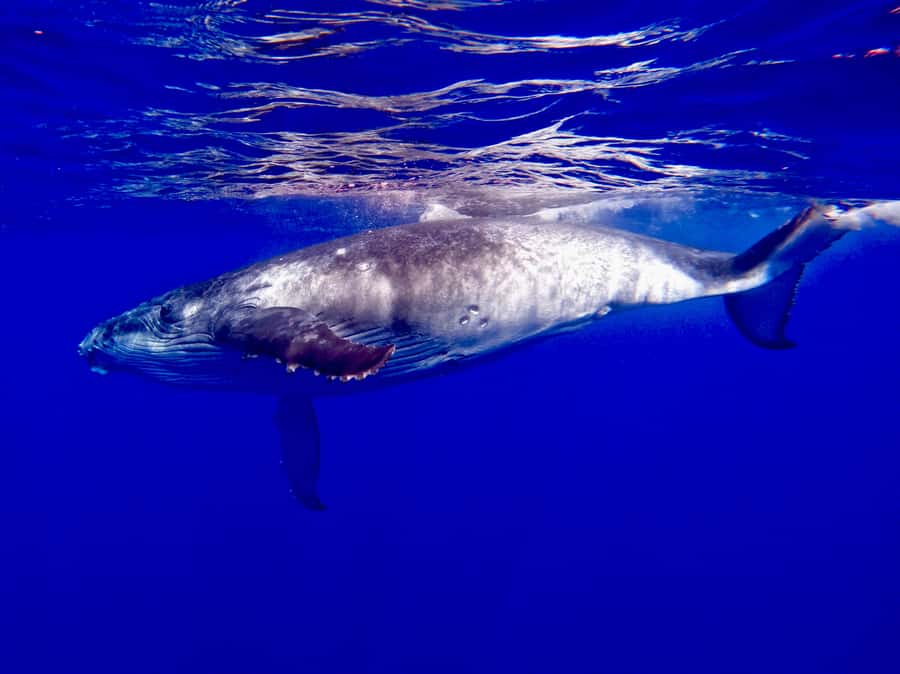
You meet at Pier B in Kewalo Basin Boat Harbor, at Living Ocean Tours. That matters because most people underestimate how quickly you’ll need to move once you arrive, parking, walking, boarding, and getting positioned take more time than your brain expects.
This cruise also doesn’t include hotel pickup. So you’ll want to plan your timing around getting to the harbor smoothly. If you’re staying near Waikiki, you can likely make it work without turning the day into a logistics project, but still, build in buffer time.
Language is English, and that’s helpful if you want to catch the guide’s explanations as you scan the water. When you’re trying to spot a whale’s surface blow or a breach, every few seconds counts.
The double-decker power boat setup: photos, views, and snacks
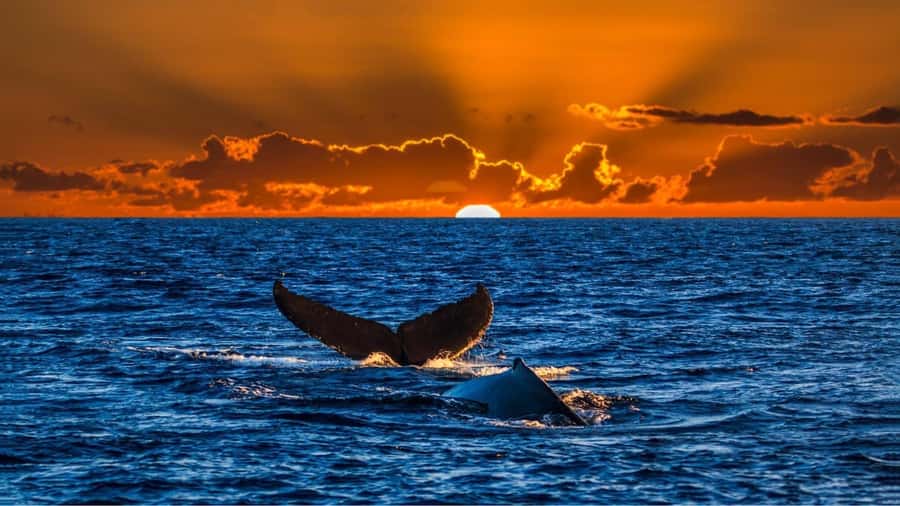
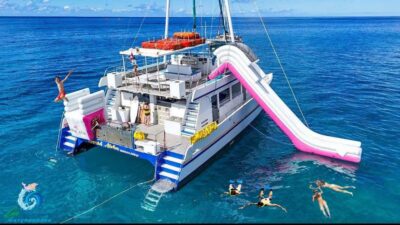
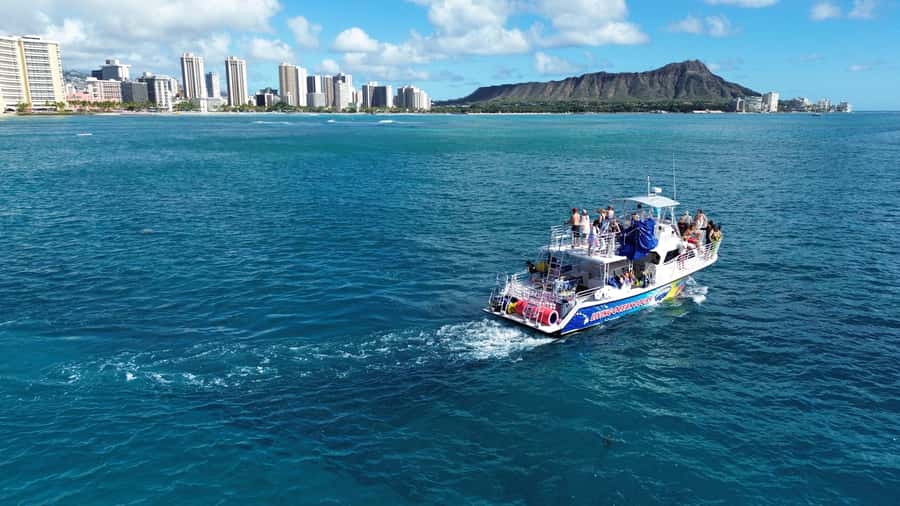
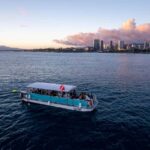
The boat is a double-decker power boat, and that’s a real advantage. From a lower deck, you can get great water-level views, but you’ll also sometimes lose the horizon line. A higher deck helps you see farther across the water, and you’ll usually find more space for people trying to line up a shot of whales near the surface.
You’ll also have a place to reset between sightings. The cruise includes light snacks and drinks, sodas, juices, and water. That’s a better deal than many boat trips where you’re left starving after you’ve been out searching for awhile.
One detail I like: there’s also a bar with snacks and drinks available for purchase. So if you want something extra, you’re not completely cut off. And if you’re traveling with someone who doesn’t get as excited by whales, the combo of views and food keeps everyone happier.
Keep in mind the trip isn’t set up for everyone’s body. It’s not suitable for people with back problems or those prone to seasickness. If either applies, skip it, don’t “test your luck” on the open water.
Waikiki Beach leg: where the coastline framing helps you spot movement
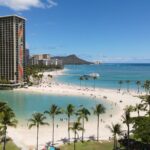
The cruise includes a 45-minute whale-watching window near Waikiki Beach. Watching whales from this side of the island feels different than most whale trips because you’re seeing urban coastline landmarks in the same frame as open ocean.
That coastline context is useful. When you know where to look, toward the shore, out beyond the break, you stop drifting into aimless scanning. You can also watch for the classic tells: a blow, quick surface activity, or a breach that pops up and vanishes faster than you think it will.
This is also where the vibe often shifts quickly. Multiple onboard experiences have started with a sighting early on, and once that happens, everyone’s attention clicks into place. It’s easier to enjoy the water and the search when you’re not wondering if it’ll ever happen.
Even if you don’t catch a whale in this leg, you’re still getting value from the setting. Waikiki Beach from the sea is one of those views that makes you understand the geography instantly.
Diamond Head Lighthouse leg: searching with big landmarks in view
The second major viewing stretch is 45 minutes near Diamond Head Lighthouse. Diamond Head is dramatic from land, but from the water it has a different scale. The lighthouse area gives you a strong visual anchor, which helps you track where the crew is focusing their attention.
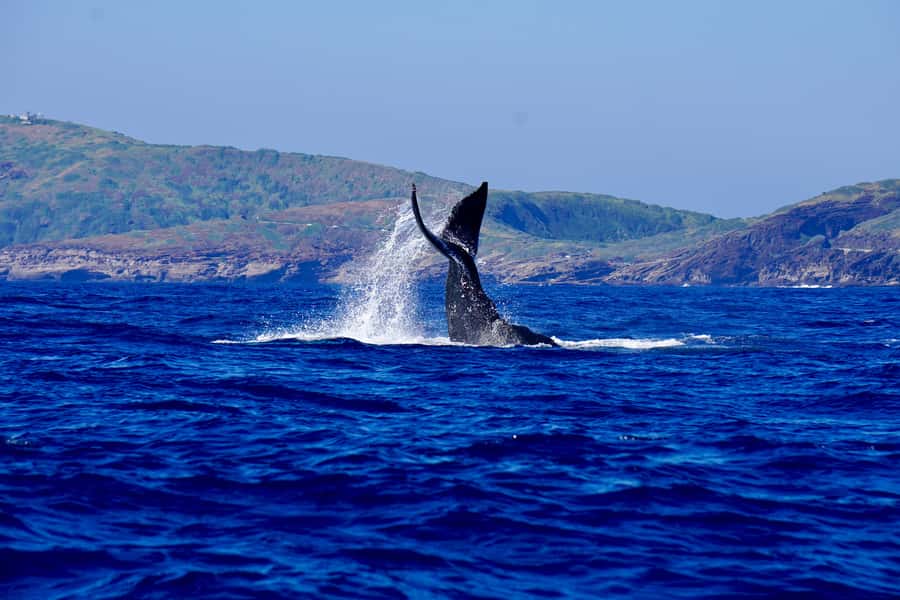
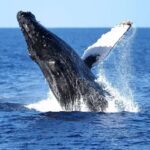
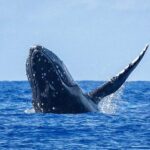
This is also where the cruise can feel most suspenseful. The goal is to find humpbacks as they move through the area during migration. When whales are around, you may see them in different patterns, sometimes a calm surface appearance, sometimes more active behavior like breaches or tail slaps.
Some past sailings have also included dolphins, including spinner dolphins. That’s not guaranteed, but it’s a nice bonus when it happens because it adds more motion and life to the water beyond whale sightings.
From a comfort standpoint, this leg is where you’ll want to be ready. If you plan to take photos or videos, charge batteries and wipe your camera lens before this portion of the trip starts. On a boat, you don’t want to waste your best whale time troubleshooting gear.
You can also read our reviews of more whale watching tours in Honolulu
The crew and guide commentary: what you learn while you watch
You’ll have a live guide giving commentary on whale behavior and marine ecology while you scan. This is one of the main reasons I think this cruise is good value, because it turns the search into something you can actually follow.
Instead of just pointing and saying look, the crew links sightings to behavior, why whales surface when they do, how they move through the water, and what you’re seeing when you notice those quick moments of activity. When you understand what the guide is explaining, spotting becomes less random. You start watching for patterns.
The human element matters too. Past departures describe captains who actively work the search and crew who keep things friendly and organized. Names that have shown up include Capt Kevin, Capt Shawn, and Capt Jason, with crew members such as Tanner, Missy, Haley, and Taylor helping guests with questions and picture-taking.
If you like learning while you travel (and let’s be honest, everyone does), you’ll probably find this part genuinely useful rather than background noise.
Sunset viewing: the romance factor and how to make it work
This cruise is often at its best in late afternoon and around sunset. That’s not just a mood choice. Sunset tends to make the water glow, and it also gives you softer light for photographs. You’re watching whales in their habitat, but you’re also watching Hawaii’s coastline change color, Waikiki and Diamond Head both look better with the sun lower.
One practical benefit: you’re more likely to get memorable pictures when the crew helps. On at least one past departure, the team even assisted with photos during sunset. That’s handy because on a boat, it’s tough to manage your camera, your balance, and framing all at once.
To help yourself enjoy the moment, bring sunglasses, a hat, camera, and sunscreen. You’ll be on open water in Hawaiian light. Sun shows up fast, even when you think you’re being careful.
Price and value: why $56 can be a good deal
At $56 per person, the main question is whether you’re paying for a real experience or just buying access to the water. Here, you’re getting more than a ticket.
You’re paying for:
- time on a double-decker boat with strong viewing angles
- a live guide who explains what you’re seeing
- included snacks and drinks (sodas, juices, water)
- whale-search time organized around prime viewing areas near Waikiki and Diamond Head
- and a safety net: a free return trip if you have no sightings (rare)
Could you find cheaper cruises somewhere on the island? Probably. But in whale watching, the cost often reflects where the boat spends its time and how hard the crew searches. The best value is when your time and your attention actually pay off.
Given how often sightings happen (and how many people report multiple whales or close encounters), this price feels fairly reasonable, especially if you time it for sunset and can dedicate 90 minutes to focusing on the water.
Who this cruise suits (and who should skip it)
This is a good fit if:
- you want a short, high-focus whale-watching experience
- you care about the scenery as much as the animals
- you like live explanations and want context, not just a ride
- you’re traveling with someone who loves photos and coastline views
It’s not for everyone. You should skip it if:
- you’re pregnant
- you have back problems
- you get seasick easily
- you have a child under 3
That’s not about comfort snobbery. It’s about safety and avoiding a miserable day on moving water.
Weather, chances, and the free return plan
Whale sightings are common on this kind of cruise, but the honest truth is that whales are wild animals. The tour’s policy is straightforward: if you don’t spot any whales during your outing, you’re offered a free return trip. That reduces the risk of paying for a dud day.
For planning, aim for afternoon and sunset when conditions and light are better. And if you’re visiting during the migration season, January through April, your odds improve because that’s when humpbacks are around to mate and give birth.
There’s one more subtle point: the quality of the experience often depends on how you handle waiting. If you’re the type who can stay calm while searching, you’ll probably enjoy the whole trip. If you only want a whale in the first five minutes, this may be stressful even when whales are near.
Should you book this Oahu whale watching cruise?
I’d book it if you want a focused, good-value whale cruise that also delivers classic Oahu views. The double-decker boat, the mix of Waikiki and Diamond Head scenery, the live guide commentary, and the included snacks make this feel like more than a basic outing. And the free return trip is a meaningful backup plan.
I would not book it if you’re dealing with pregnancy, back issues, or a strong tendency toward seasickness. In those cases, the sea ride is the deal, and you don’t want to gamble with how you’ll feel.
If you’re in Oahu during Jan–Apr and you can get yourself to Pier B in Kewalo Basin, this is one of the better bets for a sunset cruise that actually tries to find whales rather than just spending time at sea.
FAQ
Where do I meet for the cruise?
You meet at Pier B in Kewalo Basin Boat Harbor.
How long is the whale watching cruise?
The cruise is about 90 minutes.
Does this run only during whale season?
The humpback migration season is January to April, and the cruise departs daily during that time.
Are whale sightings guaranteed?
Whale sightings are common but not guaranteed. If no sightings occur, you’re offered a free return trip.
What views can I expect besides whales?
From the water you’ll see Waikiki Beach and Diamond Head during the whale watching portions.
What’s included in the ticket price?
Included are the cruise time, live guide commentary, double-decker power boat access, and light snacks plus sodas, juices, and water.
Is hotel pickup included?
No, hotel pickup and drop-off are not included.
Who shouldn’t take this tour?
It’s not suitable for children under 3, pregnant women, people with back problems, or people prone to seasickness.
What should I bring, and what’s not allowed?
Bring sunglasses, a hat, a camera, and sunscreen. Smoking and alcohol or drugs are not allowed.