REVIEW · OAHU
Oahu: Pearl Harbor Aviation Museum Entry & Hangar Tour
Book on GetYourGuide →Operated by Pearl Harbor Aviation Museum · Bookable on GetYourGuide
WWII hangars still feel loud. On this Pearl Harbor Aviation Museum tour, you walk through surviving WWII hangars tied to December 7, 1941, then climb up for big-picture views from the Ford Island Control Tower. It’s history you can measure with your own steps and your own eyes.
I especially like the way the visit blends aircraft and artifacts with personal stories from the attack, not just captions on a wall. And I really value the behind-the-scenes feel of the Hangar tour plus a stop at the Restoration Shop, where you see the effort it takes to keep aircraft and equipment part of the story. One thing to plan around: it’s not suitable for wheelchair users, and the Navy base rules mean you’ll need to travel light.
In This Review
- Key highlights you should know before you go
- Getting Oriented: Pearl Harbor Aviation Museum on Ford Island
- WWII Hangars 37 and 79: What You Actually Walk Through
- Restoration Shop: Seeing Repair Work Up Close
- Ford Island Control Tower: 168 Feet Above the Attack Points
- Price and Value: Is $40 Worth It?
- Practical Stuff You’ll Actually Use: Rules, what to pack, and base access
- Who This Tour Fits Best (and who should skip it)
- Should You Book the Aviation Museum Hangar Tour?
- FAQ
- How long is the Pearl Harbor Aviation Museum hangar tour?
- Where do I meet for the tour?
- Is museum admission included in the price?
- What parts of the museum are included?
- What is included besides the hangars?
- How high is the Ford Island Control Tower?
- Is the tour guided, and in what language?
- What should I bring?
- Can I take photos with flash?
- Is the tour wheelchair accessible?
Key highlights you should know before you go
- Hangars 37 and 79: You tour two specific WWII hangars tied to the Pearl Harbor attack story.
- Restoration Shop access: You get a professional look at ongoing restoration work.
- Control Tower climb (168 feet): You reach a viewpoint that shows attack points across Oahu from above.
- Personal stories and artifacts: The tour focuses on what happened to the people, not just dates.
- Guided English tour for about 1 hour: A focused time block that fits into a Pearl Harbor day.
Getting Oriented: Pearl Harbor Aviation Museum on Ford Island
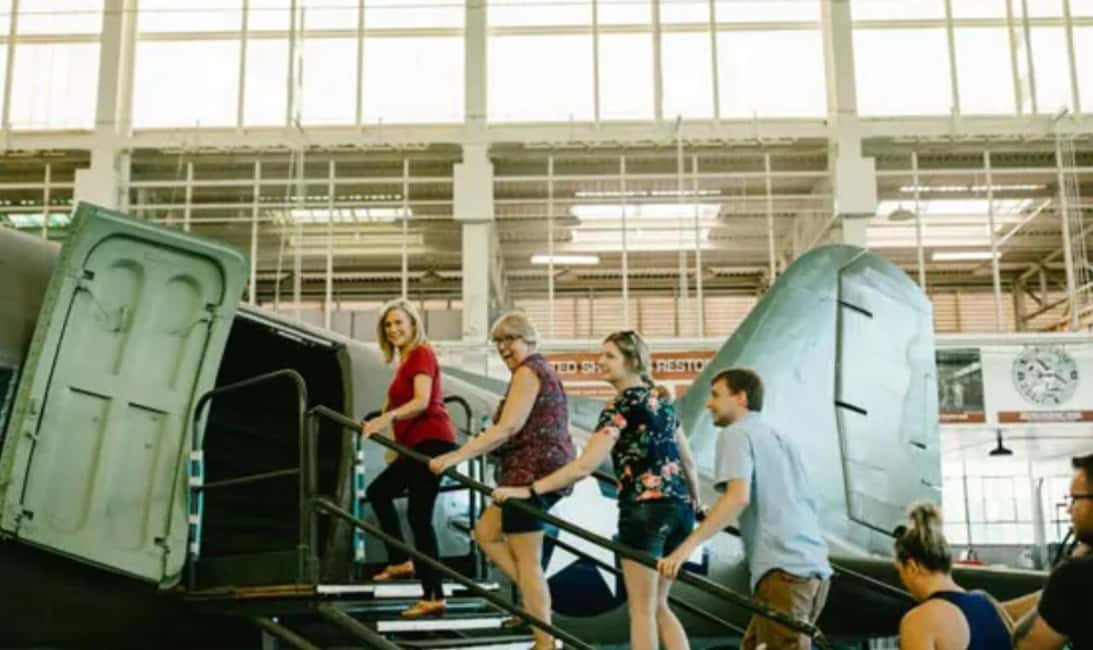
The day starts at the Pearl Harbor Historic Sites Visitor Center. From there, you catch a complimentary shuttle to Pearl Harbor Aviation Museum, which is the museum’s second stop on Ford Island. Because this is an active Navy base, the rules are stricter than you might expect at a typical museum. The important ones for your comfort: you can bring only your mobile phone and wallet, and there are limited lockers outside the visitor center.
This matters because you’ll want to handle your stuff fast. If you arrive with a backpack full of camera gear, snacks, and “just in case” items, you’re going to spend time figuring out what can go in a locker. My advice is to pack light in the first place and plan for a camera-based visit rather than a carry-everything day.
You’ll also have a short bus/coach transfer as part of the experience. That extra travel time is worth budgeting for, even though the museum tour itself is about 1 hour. Think of it as a focused, guided museum program plus a quick move to and from the Ford Island site.
You can also read our reviews of more museum experiences in Oahu
WWII Hangars 37 and 79: What You Actually Walk Through
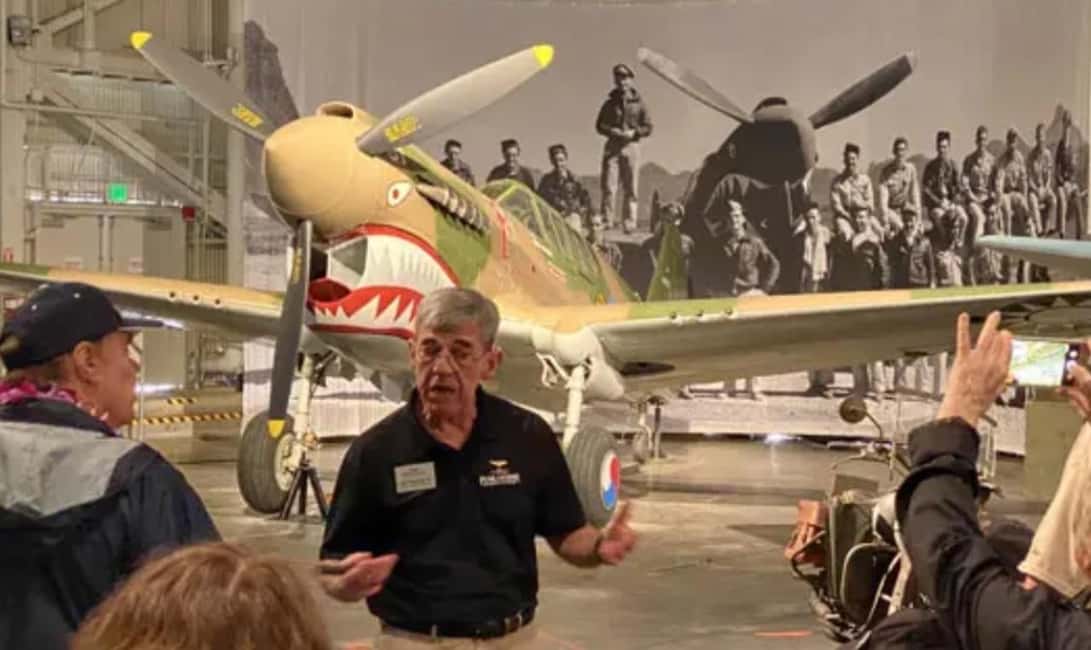
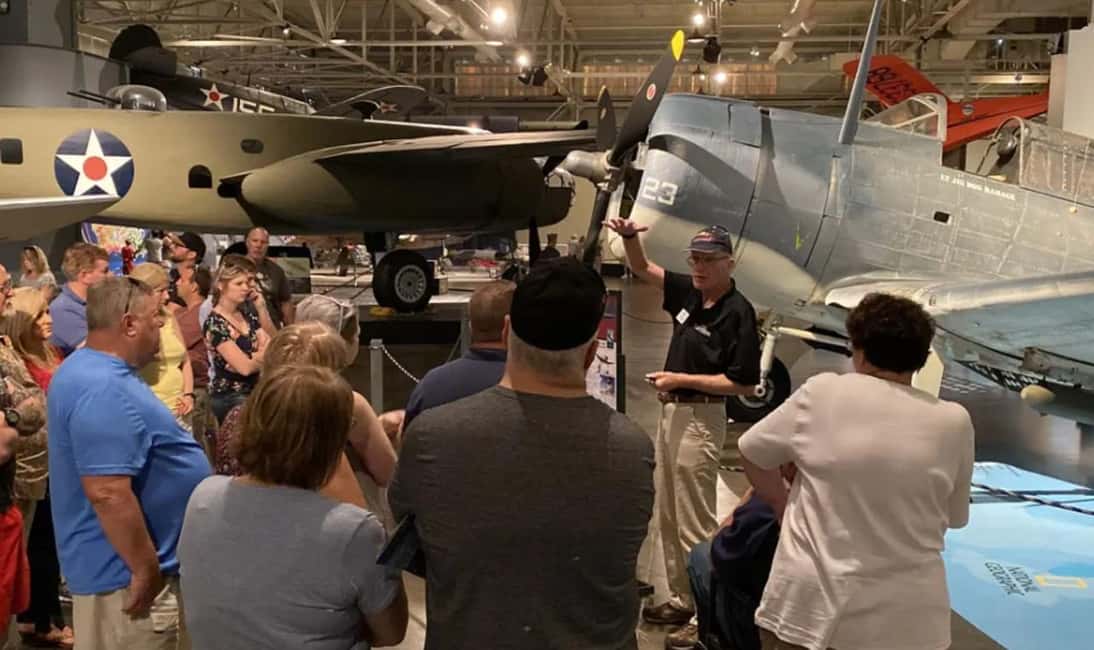
The heart of this experience is walking through WWII hangars that survived the attack. That one detail changes how the whole visit feels. Instead of imagining the setting, you’re standing in the kind of space where aircraft were maintained, staged, and readied under wartime pressure.
You’ll tour Hangars 37 and 79 with a live guide (English). As you move through the buildings, you’re not just looking at exhibits. You’re seeing how hangars work as practical spaces: long interiors, heavy-duty infrastructure, and room where aircraft could be worked on up close. It helps the artifacts and aircraft descriptions land in your brain, because you’re linking what you see to how these facilities operated in 1941.
The tour also emphasizes personal stories from the Pearl Harbor attack. That balance is key. Aircraft and equipment are essential, but the human part is what turns information into understanding. You’ll hear the kind of context that makes a hangar feel like it has weight, not just wallpaper history.
One practical drawback to keep in mind: the walking is unavoidable. Wear comfortable shoes. You’ll be on your feet moving between exhibits, and there’s no indication this tour is set up for mobility limitations. If you need step-free access or wheelchair support, this one is likely not your best fit.
Restoration Shop: Seeing Repair Work Up Close
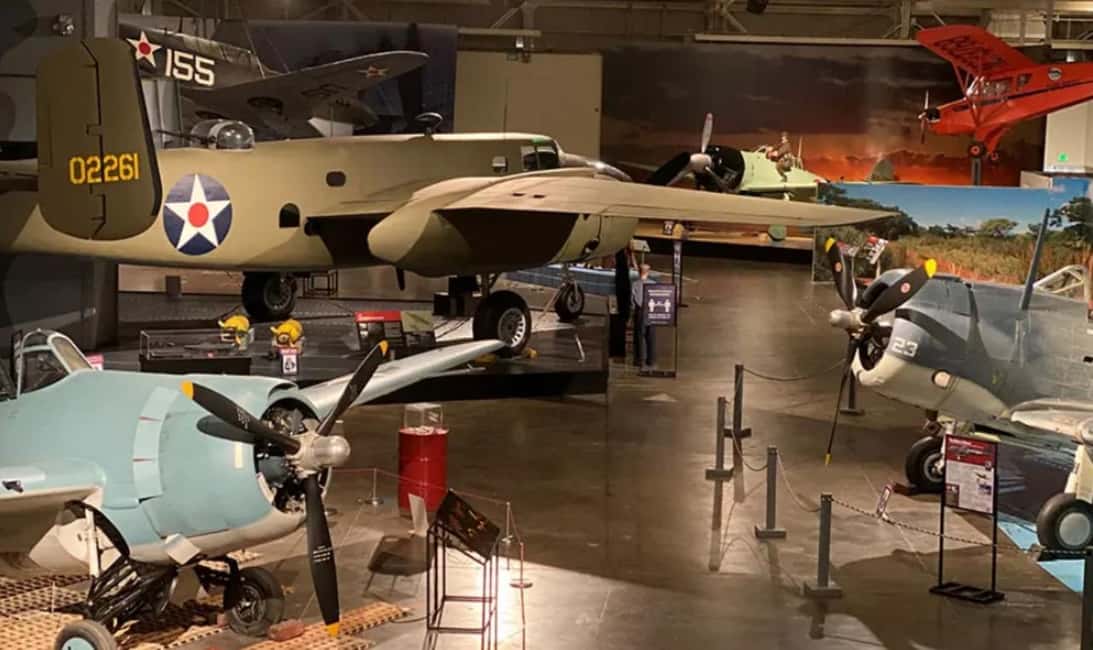
After the hangars, you visit the Restoration Shop. This is the kind of stop that history fans often love, because it answers a question most museum displays don’t: what happens after the exhibit is built?
In the restoration area, you get a behind-the-scenes look at the work professional restorers do. The point isn’t just to show off finished aircraft or polished displays. It’s to show the ongoing process, how preservation and restoration keep WWII aviation history from turning into static, lifeless objects.
For you, that means the tour isn’t only about December 7, 1941. It’s also about the years afterward: the careful effort it takes to keep aircraft and artifacts interpretable for future visitors. Even if you’re not the type to read every label, watching how restoration works can make the exhibits feel more real and more current.
The guided format helps here too. Since the tour is live with an English guide, you can connect restoration details to what you just saw in the hangars. That link between “then” and “now” is one reason this tour feels more than a quick pass through a museum room.
Ford Island Control Tower: 168 Feet Above the Attack Points
Then comes the wow moment: climbing the historic Ford Island Control Tower. The tower rises 168 feet above the battlefield, and it gives you a rare birds-eye view of the attack points across Oahu.
This viewpoint is valuable because it changes the scale. Hangars and aircraft tell you about specific locations. From the tower, you can start to understand relationships: where things were relative to each other and how the attack unfolded across the island. That shift in perspective is one of the most useful ways to learn on a visit like this, because it helps you mentally map what you’ve heard and seen into something you can visualize.
It also offers a kind of closure for the experience. After walking through buildings tied to the attack and seeing restoration work, you look out from the tower and get the bigger picture. It makes the day feel structured, like you’re moving from close-up to wide view.
Photo tip: you can bring a camera, but flash photography is not allowed. If you want night-vision flash effects for night shots, this isn’t that kind of place anyway. Plan on natural light from the tower level, and focus on steady, normal exposure photos.
Price and Value: Is $40 Worth It?
At $40 per person, this isn’t a “budget-only” activity. But it also isn’t overpriced for what you get. The ticket includes museum admission and a guided tour. You’re also getting access to a specific mix of spaces: WWII hangars (two of them), the Restoration Shop, and the control tower climb.
So for value, ask yourself: do you want more than a self-guided museum walk? If you’re happy wandering on your own, you might question the guided price. But if you want a guided program that compresses a lot of meaning into about 1 hour, it’s a fair trade.
Another value angle: the tower viewpoint is a major differentiator. Many museums can show you aircraft and artifacts. Fewer let you climb to a high vantage point with that specific “attack points across Oahu” perspective. That’s a unique learning payoff for your time and money.
And because the visit leaves you back at the Pearl Harbor Historic Sites Visitor Center, it works as a practical add-on to a broader Pearl Harbor day without forcing you into an all-day commitment.





Practical Stuff You’ll Actually Use: Rules, what to pack, and base access
This is the part that saves you stress.
Bring
- Comfortable shoes (walking is part of it)
- Camera (just remember: no flash photography)
- Water (recommended for hydration)
Don’t bring
- Backpacks (not allowed)
- Flash photography (not allowed)
Base access reality
Since it’s an active Navy Base, only your mobile phone and wallet are allowed on site. There are limited lockers outside the Visitor Center, so plan on storing items there before you head to the museum.
What I’d do to keep things easy: keep your “must-have” items small and simple. Use a small day bag only until you reach the locker area. Then you’re hands-free for the tour and camera time.
If you’re the type who always packs extra layers, snacks, and a charger for every gadget, you might want to rethink that for this day. The rules aren’t there to ruin your fun; they’re there to keep operations smooth on an active base.
Who This Tour Fits Best (and who should skip it)
This tour is a strong match if you want:
- A guided Pearl Harbor aviation experience focused on WWII hangars
- A clearer sense of layout and scale from the 168-foot Control Tower
- A look at restoration work rather than only finished exhibits
- A time-efficient visit (about 1 hour on site, plus the short transfer)
It’s less of a match if:
- You’re wheelchair users (it’s listed as not suitable)
- You can’t comfortably follow the base rules about what you can carry
If you love history but get impatient with slow, vague museum tours, the structured pace helps. You have a clear sequence: hangars, restoration stop, tower climb. And you don’t have to guess what matters most, your guide’s focus keeps the experience pointed.
Should You Book the Aviation Museum Hangar Tour?
Book this tour if you want a smart, focused way to understand Pearl Harbor through aviation spaces, hangars you can walk through, people-based stories, restoration work, and a tower view that helps you see the attack points across Oahu from above. At $40 with museum admission and a guided program, it’s a good value for the unique access you get.
Skip it (or reconsider) if mobility access is a concern, or if you hate museum plans that require you to travel light. For most people, though, this hits a sweet spot: close-up WWII aircraft history plus a high viewpoint that turns facts into a real mental map.
If you’re already planning a Pearl Harbor day, this is the kind of add-on that makes your visit feel more connected and more specific. And once you’re standing that high in the control tower, you’ll understand why this part is often the “I get it now” moment.
FAQ
How long is the Pearl Harbor Aviation Museum hangar tour?
The experience duration is listed as 1 hour.
Where do I meet for the tour?
You start at the Pearl Harbor Historic Sites Visitor Center, then you catch the complimentary shuttle to Pearl Harbor Aviation Museum on Ford Island.
Is museum admission included in the price?
Yes. Museum admission is included, along with the guided tour.
What parts of the museum are included?
The guided tour includes Hangars 37 and 79, and you also visit the Restoration Shop.
What is included besides the hangars?
You ascend the Ford Island Control Tower for panoramic views, including a birds-eye view of the attack points across Oahu.
How high is the Ford Island Control Tower?
The control tower is listed as 168 feet above the battlefield.
Is the tour guided, and in what language?
Yes. The tour includes a live guide in English.
What should I bring?
You should bring comfortable shoes, a camera, and water.
Can I take photos with flash?
No. Flash photography is not allowed.
Is the tour wheelchair accessible?
No. The experience is listed as not suitable for wheelchair users.