REVIEW · KAPOLEI
Oahu: Beginner SCUBA Dive at Electric Beach
Book on GetYourGuide →Operated by diving_center,tourism,adventure_sports · Bookable on GetYourGuide
Your first breaths underwater change how you see Oahu. I love the one-on-one skills session that helps you get comfortable fast, and I love how the guide focuses the outing on Hawaii’s reef life. One thing to plan for: you carry about 50 lbs from the beach to the water for the first part of the experience.
This is a small-group setup (limited to 6), so you’re not lost in a crowd. You also get all scuba equipment plus an included reef tour and complimentary photos, which is a big value when you’re doing this for the first time.
In This Review
- Key things that make this first-time scuba session work
- Electric Beach: Why Kahe Point is a great start for first-timers
- The meeting point and logistics you should actually plan for
- Timeline: how the 3 hours typically feel (and why)
- The safety briefing: what it gives you before you go below the surface
- One-on-one skills session: why this is the best part for beginners
- The reef swim with a guide: what you might see
- The coral and marine life angle (and what to watch for)
- Photo package: getting proof without bringing a camera
- What’s included (and why the “all-inclusive” part matters)
- What to bring: the small list that prevents big stress
- Who this is for (and who should skip it)
- What to know about expectations and comfort
- Price and value: is $175 “worth it”?
- Should you book the Electric Beach beginner scuba session?
- FAQ
- How long is the Electric Beach beginner scuba experience?
- Where do I meet for the tour?
- Do I need prior scuba certification?
- What’s included in the price?
- What should I bring?
- Are cameras allowed?
- How big is the group?
- What’s the cancellation and refund policy?
- Is there a way to book without paying right away?
Key things that make this first-time scuba session work
- Beginner-friendly setup with no certification required for this introductory experience
- One-on-one skills time with a PADI scuba instructor before you head out on the reef
- Small group limit of 6, keeping the experience more personal
- Guided spotting of reef highlights like reef fish, sea turtles, monk seals, and eagle rays
- Complimentary photo package taken during your time in the water
Electric Beach: Why Kahe Point is a great start for first-timers
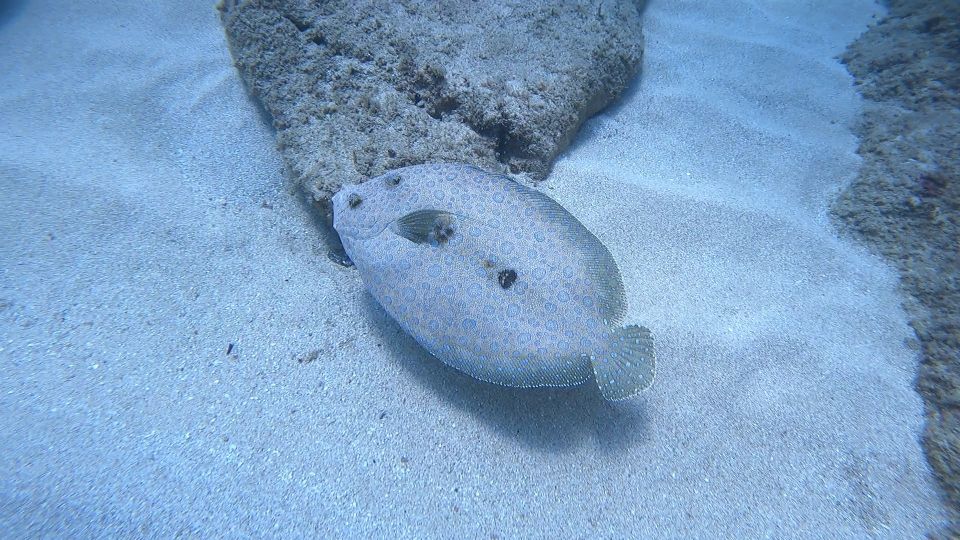
Oahu’s Electric Beach area (Kahe Point Beach Park) is where a lot of people go to see the ocean’s edge meet real reef habitat. For a first-time scuba experience, that matters. You want a place where the briefing, equipment, and guided tour all line up smoothly, without you having to figure out the basics alone.
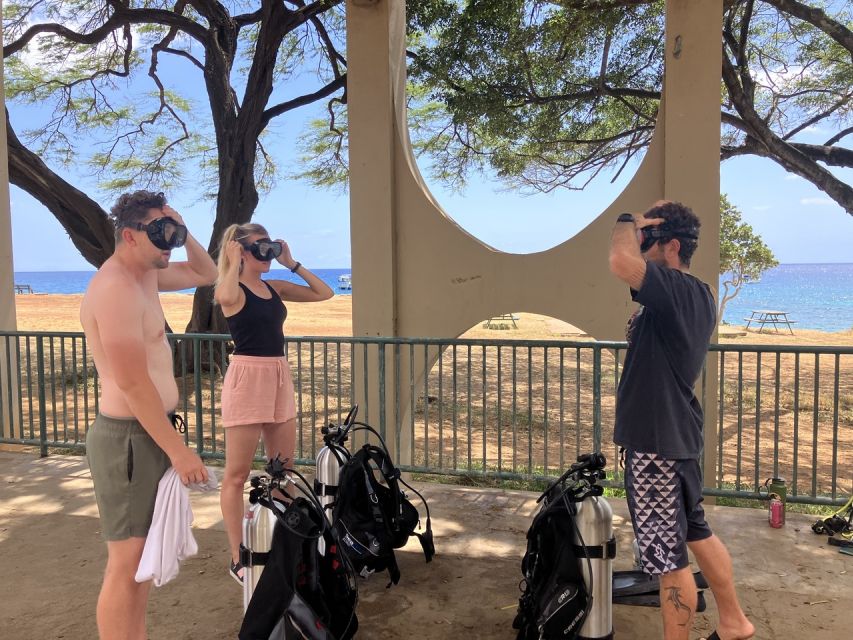
This tour keeps things practical. You meet at the pavilion at Kahe Point Beach Park, then you get a dive and safety briefing, followed by a one-on-one skills session with your instructor. After that, you explore the reef with a guide who points out what you’re seeing, from reef fish to bigger visitors like sea turtles and eagle rays.
You can also read our reviews of more tours and experiences in Kapolei.


The meeting point and logistics you should actually plan for
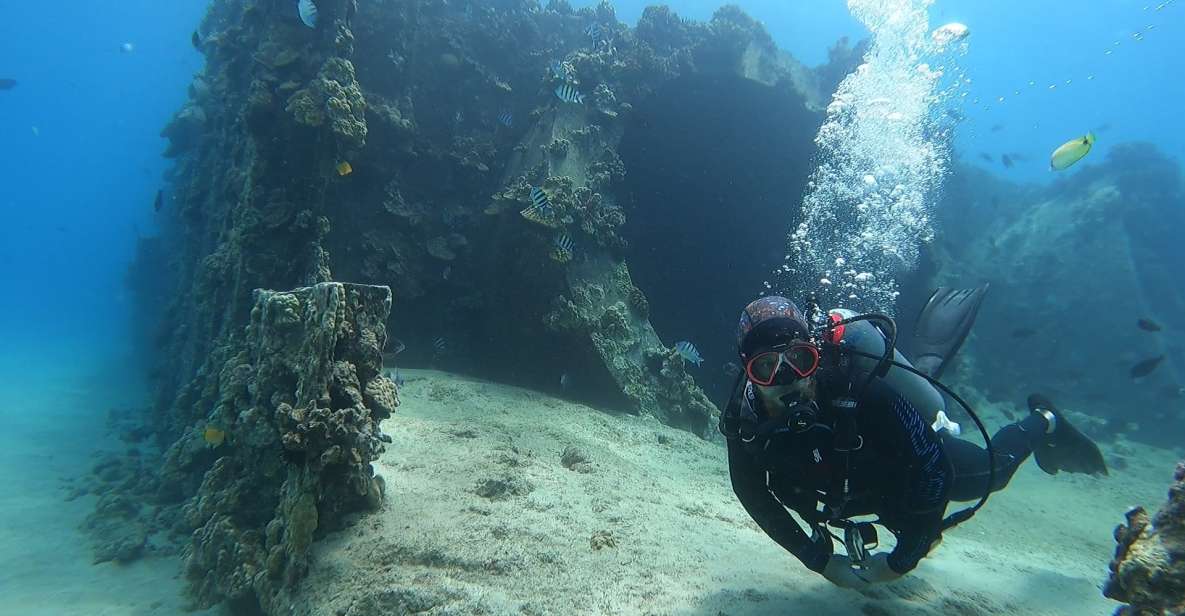
You’ll start at Kahe Point Beach Park (address: 92-301 Farrington Hwy). The key is finding the parking lot first, then heading to the pavilion where the guide meets you. Beach parks can be busy, and they’re also common spots for theft, so don’t leave valuables visible in your car.
Also note what’s not included: transportation to the meeting place, and even simple essentials like water, towel, and swimwear. If you show up empty-handed, you’ll either pay for last-minute fixes or waste time. If you show up prepared, you’ll stay in the “excited and focused” mood.
Timeline: how the 3 hours typically feel (and why)
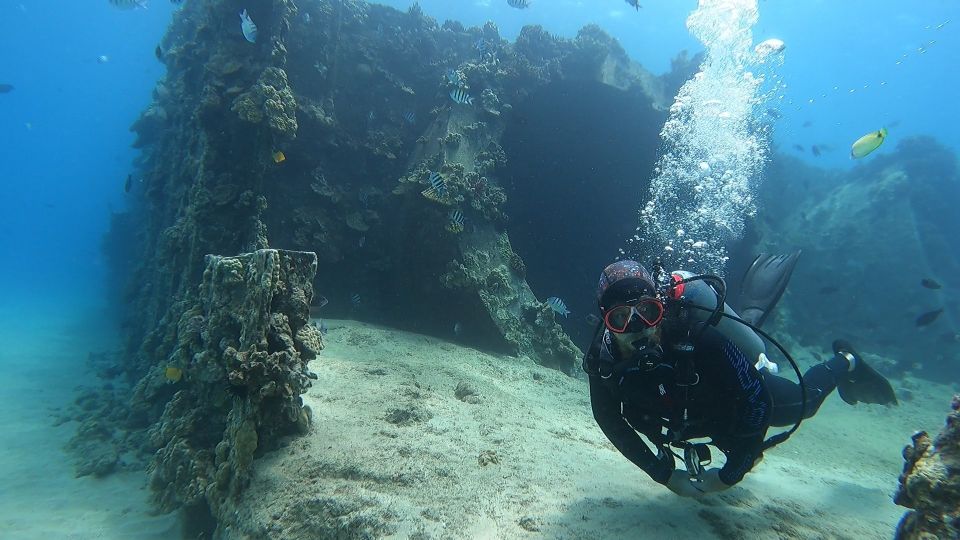
The total experience runs about 3 hours. You can treat it like a tight arc: start with learning and gear readiness, then move to the water portion, then wrap up back at the starting point.
- First, you do a dive and safety briefing where you learn about the site and what you need to know to go on your first scuba experience. This is the part that turns “I’m nervous” into “I understand the plan.”
- Next is a one-on-one skills session with the instructor. That personal coaching is a big deal for beginners.
- Then you get a guided reef tour where the guide points out marine life you encounter.
- Finally, you return to the meeting point for help getting out of your equipment.
Even though it’s short, it’s structured in the right order: learn, practice, then experience.
The safety briefing: what it gives you before you go below the surface
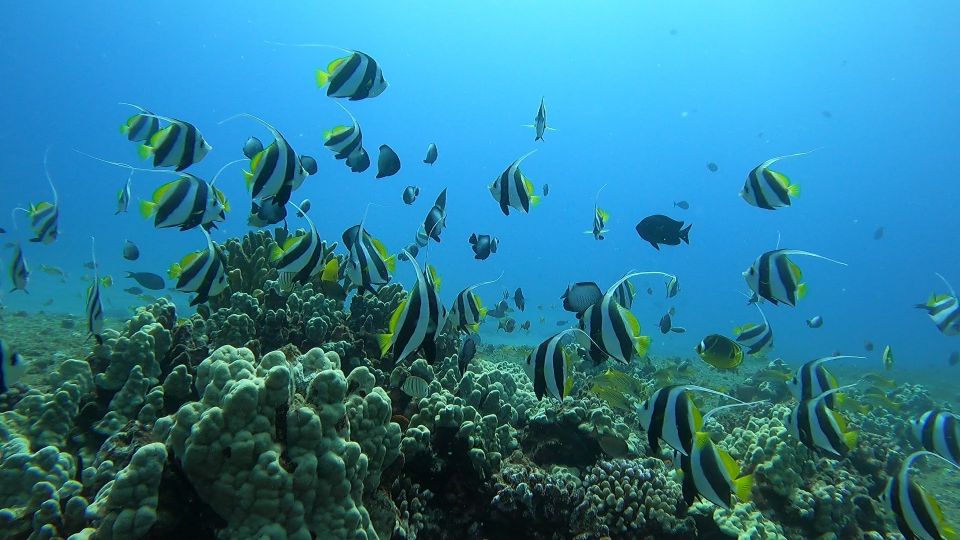
Before you even get in the water, you’ll get a briefing, around 45 minutes, covering the dive site and the basics you need for the session. For first-timers, this is where you build confidence. The point isn’t memorizing a textbook. It’s understanding how your equipment works for you and what to expect when you’re in the ocean.
You’ll also get an instructor-led setup flow. That helps you avoid the common first-time problem: spending your energy figuring out gear instead of paying attention to what’s happening around you.
One-on-one skills session: why this is the best part for beginners
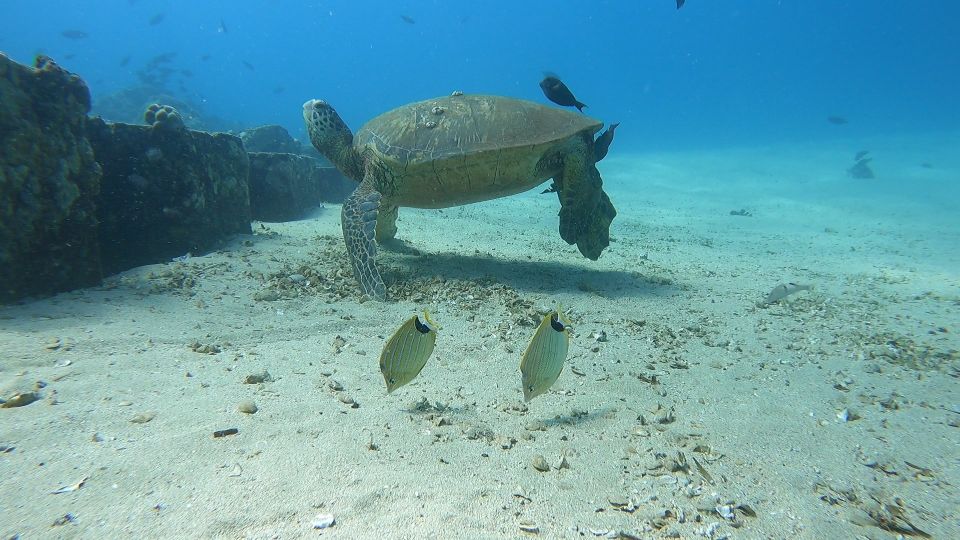
After the briefing, you’ll do a one-on-one skills session with the instructor. This is where the experience becomes beginner-friendly in a real way, not just in marketing.
Instead of being rushed, you get hands-on coaching to help you handle the basics and feel steady. And because you’re not doing this as a certification course, the goal is simpler: help you do your first safe, guided underwater experience without needing prior scuba training.
If you’re the kind of person who learns best with direct feedback, this is exactly your style. It’s also good if you’re nervous. The instructor can respond to your pace in a small, personal format.
The reef swim with a guide: what you might see
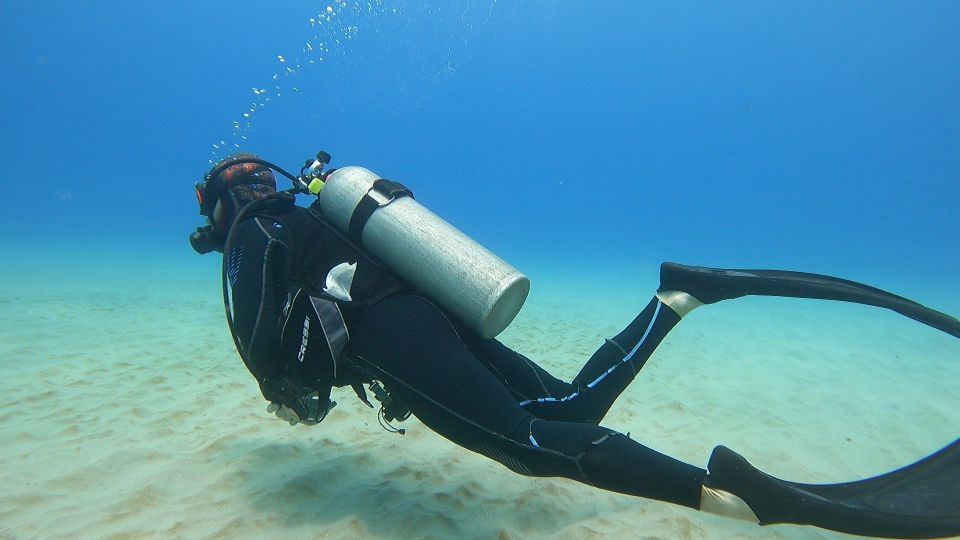
Once you’ve completed the skills part, the tour shifts into exploring the reef with your guide. This is the heart of why you booked. You’re not just wearing gear and going for a swim, you’re learning to notice what the reef holds.
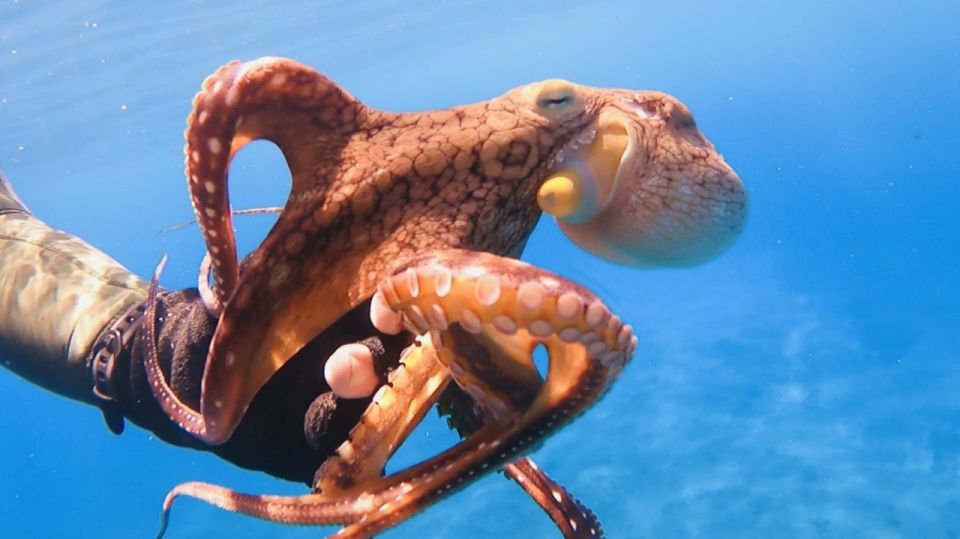
Your guide will point out marine life you encounter, and the tour description specifically lists potential highlights such as:
- reef fish
- sea turtles
- monk seals
- eagle rays
Even if you don’t see every single animal listed, the guiding focus matters. It turns random-looking water into a living scene you can actually understand, coral reefs are different from “just ocean,” and the guide helps you make that connection.
The coral and marine life angle (and what to watch for)
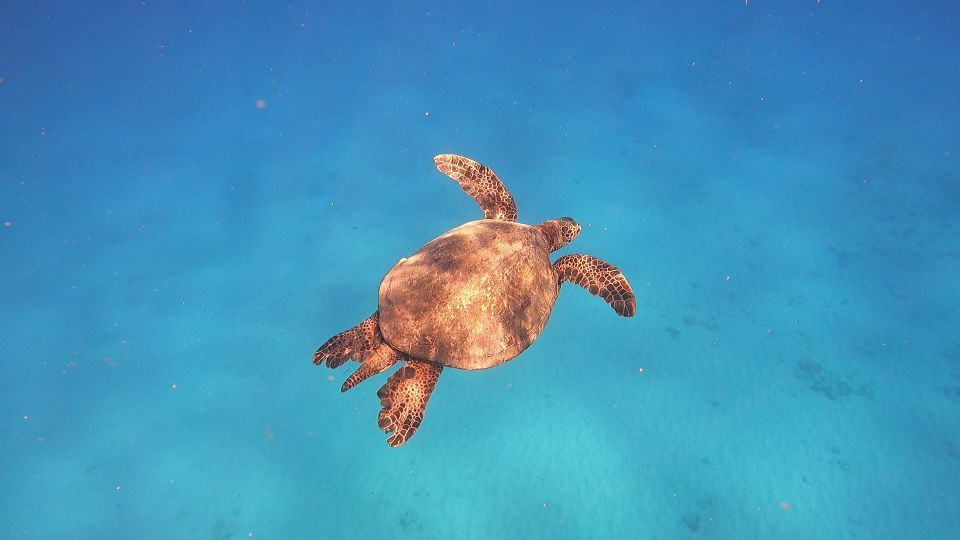
This experience centers on the unique coral reefs of Hawaii and the animals that live there. That wording is more than a theme. It means the guide is actively teaching you while you’re underwater, so you can connect what you see to the reef environment.
A practical tip: when you’re first learning how to move underwater, you may feel focused on your own comfort. That’s normal. Let the guide’s cues do some of the work. You’ll likely enjoy the marine life more once you’re not trying to interpret everything alone.
Photo package: getting proof without bringing a camera
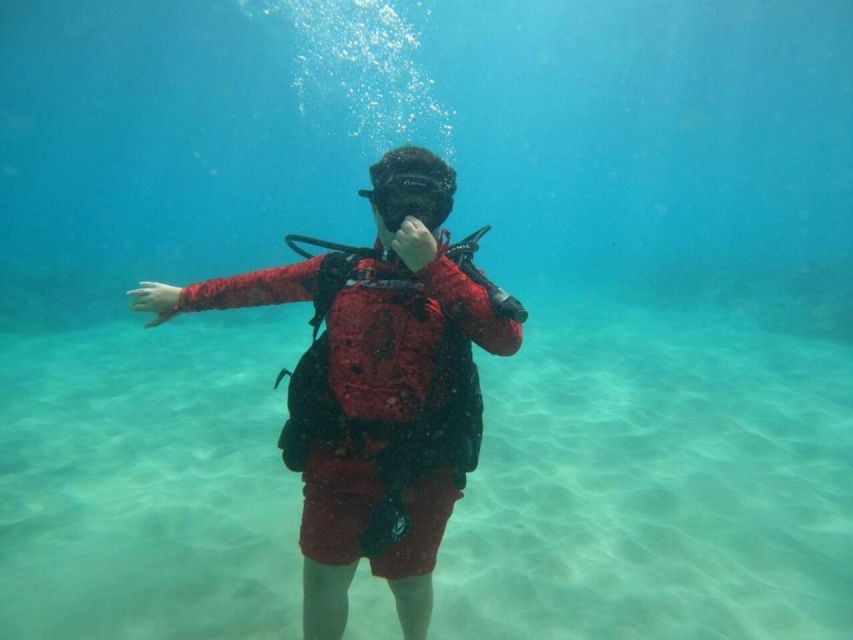
One of the smartest extras here is the complimentary photo package. Your guide helps capture photos during your time in the water, so you’re not juggling a camera while you’re learning.
It also solves a real issue: cameras are not allowed. That includes bringing your own camera along. The tour gives you the photo memories directly, which is especially useful if you’re doing this for the first time and don’t want to fuss with waterproof gear.
What’s included (and why the “all-inclusive” part matters)
You’re paying $175 per person, and the value is largely in what you don’t have to organize yourself. Included items are:
- a scuba instructor
- dive and safety briefing
- one-on-one skills session
- scuba equipment
- optional wetsuits
- guided tour of the reef
- photo package
Not included:
- transportation to the meeting place
- water
- towel
- swimwear
So you’re not stuck figuring out gear rental, lesson logistics, or a separate photo service. For a first-time scuba experience, that bundling is a big deal, because it lowers stress and keeps you focused on the actual underwater moment.
What to bring: the small list that prevents big stress
Bring:
- towel
- biodegradable sunscreen
- swimwear
And bring yourself prepared for effort. You’ll carry about 50 lbs a short distance from the beach to the water. That doesn’t sound long, but it’s enough to be noticeable, especially if you’re traveling with a bunch of other items.
Also remember: the tour runs rain or shine. If you only pack for sunshine, you’ll feel it.
Who this is for (and who should skip it)
This experience is not suitable for:
- children under 13
- people with back problems
- people with heart problems
- wheelchair users
- non-swimmers
- people over 80
- people with low level of fitness
In other words: if you’re generally healthy, comfortable in the water, and physically able for a short stretch carrying equipment, you’re likely a good match.
It’s also a strong fit if you want a guided first underwater experience without needing to complete a certification course. If you’re visiting Oahu and want one memorable scuba moment instead of months of training, this kind of beginner program is the cleanest path.
What to know about expectations and comfort
This tour is designed to be beginner-friendly, but it’s still the ocean. You can expect a mix of learning and wonder. The ocean environment can feel different from snorkeling or a pool, so give yourself grace during the skills session.
Also, keep in mind the camera rule. If photography is a big priority, rely on the included photo package rather than trying to bring your own camera setup.
Finally, because the guide is taking responsibility for your tour pacing, listen during the briefing and follow the instructor’s lead once you’re in the water.
Price and value: is $175 “worth it”?
At $175 per person, you’re paying for more than a basic activity. You’re getting instructor-led guidance, equipment, and a structured beginner experience with a one-on-one skills session plus a guided reef tour. On top of that, the complimentary photo package saves you the hassle of trying to capture decent underwater shots on your own.
This is the type of tour where the value shows up in friction reduction. You don’t have to coordinate rentals, figure out what to do first, or manage a photo plan. For a first-time scuba experience, that’s often worth as much as the ocean itself.
Should you book the Electric Beach beginner scuba session?
You should book if:
- you want a true beginner setup with no scuba certification required
- you like the idea of a one-on-one skills session before going out on the reef
- you want a guided chance at seeing animals like sea turtles and eagle rays
- you’d rather get photos taken for you than bring your own camera (also because cameras aren’t allowed)
You might skip it if:
- you’re a non-swimmer or have any of the listed medical/fitness limitations
- carrying gear (about 50 lbs a short distance) doesn’t sound workable
- you strongly prefer bringing your own camera to document the experience
If you’re coming to Oahu for an unforgettable first-timer underwater experience and you want it handled in a small-group, instructor-led way, this is a solid choice.
FAQ
How long is the Electric Beach beginner scuba experience?
It lasts about 3 hours total. You’ll check availability to see the starting times.
Where do I meet for the tour?
You’ll meet under the pavilion at Kahe Point Beach Park. The address is 92-301 Farrington Hwy.
Do I need prior scuba certification?
No. This is designed for first-timers and does not require you to complete a certification course.
What’s included in the price?
The tour includes a scuba instructor, a dive and safety briefing, a one-on-one skills session, scuba equipment, a guided reef tour, and a complimentary photo package. Optional wetsuits are also included.
What should I bring?
Bring a towel, swimwear, and biodegradable sunscreen.
Are cameras allowed?
No. Cameras are not allowed on this activity.
How big is the group?
The group is limited to 6 participants, and it’s instructor-led and small group in nature.
What’s the cancellation and refund policy?
You can cancel up to 24 hours in advance for a full refund.
Is there a way to book without paying right away?
Yes. The tour offers reserve now & pay later, so you can book your spot and pay nothing today.