REVIEW · HONOLULU
Honolulu: Battleship Missouri Memorial with Guide Option
Book on GetYourGuide →Operated by Battleship Missouri Memorial · Bookable on GetYourGuide
WWII ends in plain sight here. On the USS Missouri Memorial, you get to walk the decks of the last Iowa-class battleship and stand on the Surrender Deck, where the war’s end was officially announced.
Two things I really like: the smart mix of guided time plus self-guided wandering, and the way the ship itself turns history into something physical. One consideration: you’ll want to plan which tour option fits your interests, because the Captain’s Tour (45 minutes) and the Chief Engineer’s Tour (1 hour) are upgrades on top of what’s included.
In This Review
- Key things to know before you go
- USS Missouri: the battleship behind Japan’s WWII surrender
- Choosing your tour time: included guided tour vs Captain’s and Chief Engineer’s upgrades
- The Surrender Deck experience: where the war’s end becomes real
- Self-guided exploration with a digital tour map and clear on-board signs
- Below-decks exhibits: how sailors lived at sea
- Languages, guide format, and how to get the most from the narration
- Price and value: what $39 buys you for a full-day experience
- Who this is best for (and who should plan differently)
- Should you book the USS Missouri Memorial with a guide option?
- FAQ
- How long is the USS Missouri Memorial visit?
- Is a guided tour included with the ticket?
- Can I explore the ship on my own?
- Are there options for longer guided tours?
- What languages are available for the tours?
- Is the memorial wheelchair accessible?
Key things to know before you go
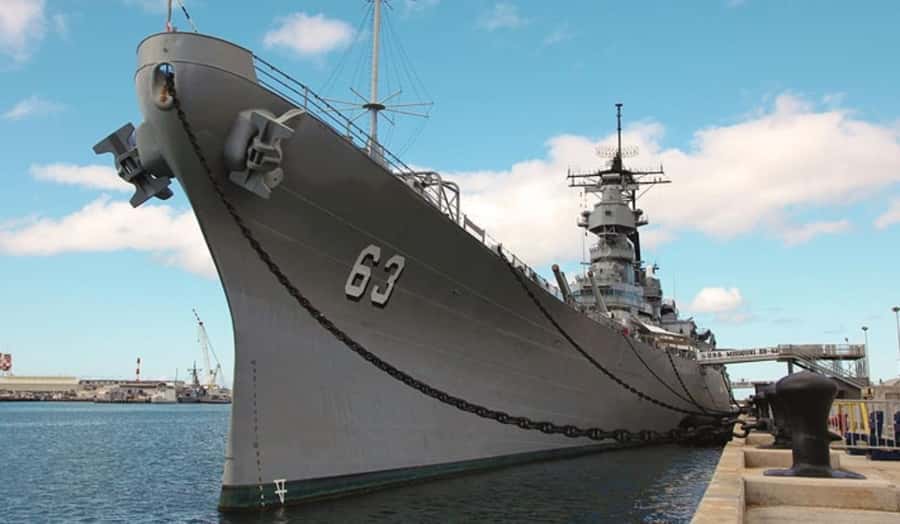
- Surrender Deck access on a ship tied directly to Japan’s WWII surrender
- Guided tour included with general admission, then explore at your own pace
- Digital tour map you can scan on boarding, plus informative signs across the ship
- Tour choices: Captain’s Tour (45 minutes) and an optional 1-hour Chief Engineer’s Tour
- Multi-war service story: WWII, Korean War duty, and Gulf War operations
- On-board life exhibits in spaces below decks, showing how sailors lived at sea
USS Missouri: the battleship behind Japan’s WWII surrender
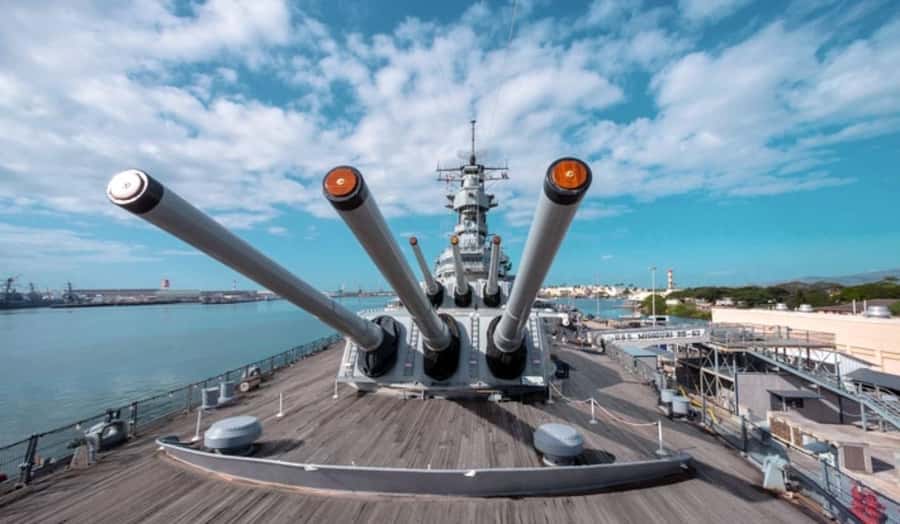
The USS Missouri is not a model behind glass. It’s a working-feeling ship you can walk through, which changes how the story lands. This was the last Iowa-class battleship to be constructed during World War II, and its most famous moment is tied to the official end of the conflict: the Japanese surrender, carried out here.
What I find especially useful is that the ship isn’t stuck in one era. The USS Missouri served two tours of duty during the Korean War and later took part in three separate operations during the Gulf War. So even if your focus is WWII, you’ll still get a broader sense of how American naval power kept evolving long after 1945.
You’ll also see why this memorial matters to Pearl Harbor visitors. Today the Battleship Missouri Memorial continues as a symbol of peace for people who come through the Pearl Harbor area, with a mission to preserve the ship and honor what happened here.
You can also read our reviews of more guided tours in Honolulu



Choosing your tour time: included guided tour vs Captain’s and Chief Engineer’s upgrades
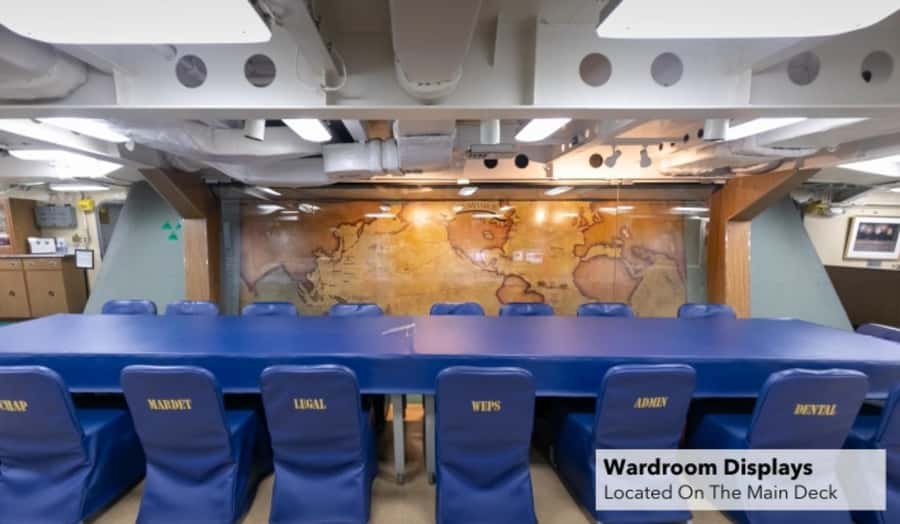
Your ticket gives you access to the Battleship Missouri Memorial plus a digital tour map, and it includes a guided tour as part of general admission. The included guided portion is described as about 35 minutes, focused on key highlights you’ll want to see first, especially the Surrender Deck.
If you like structure and want the ship’s story told in a specific order, that included guidance is a good start. It helps you avoid wandering into parts that feel interesting but don’t connect to the big moments.
Then you can customize:
- Captain’s Tour (45 minutes): designed to teach you more about the ship’s history. If your main goal is the overall story, how the Missouri was built, why it mattered, and what it did over time, this option is the natural pick.
- Chief Engineer’s Tour (1 hour): a deeper focus on the ship from an engineering angle. If you’ve ever wondered how a ship like this actually worked day-to-day, this added time shifts the emphasis from events to the machinery and systems behind them.
A practical consideration: if you only do the included guided tour plus self-exploring, you’ll still get a full experience. But if you care a lot about the details, history narrative versus ship operations, plan ahead so your time matches your interest. Upgraded tours cost extra, and they add time to your day.
The Surrender Deck experience: where the war’s end becomes real
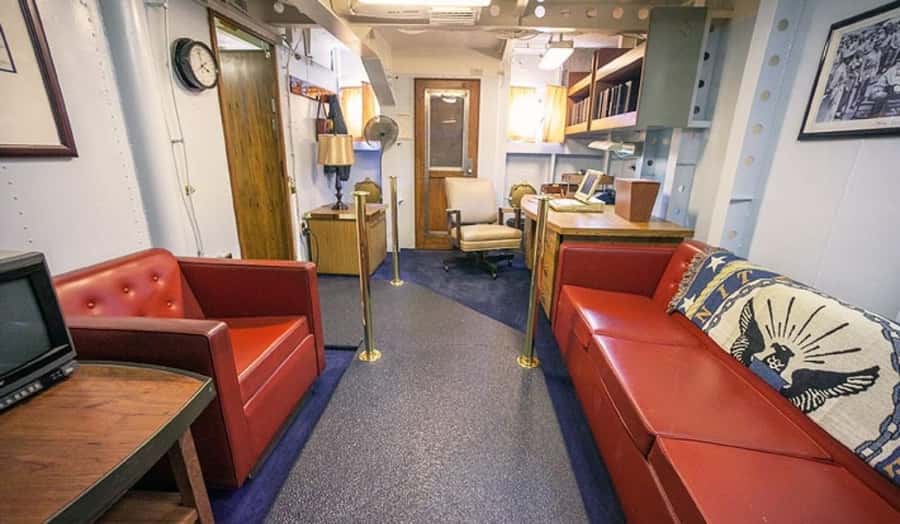
The headline moment here is the Surrender Deck. Even if you already know the WWII timeline, standing on the exact place where the surrender took place gives you a different kind of perspective. It’s one thing to read that the war ended. It’s another to look around a real battleship deck and feel how official this moment was.
In the included guided tour, you’ll visit the ship’s key historical highlights and hear the stories behind them. That means you’re not left to guess which parts connect to the biggest events. The guide’s narration helps you connect the physical space with what happened there.
One thing I suggest: keep your eyes moving during this part of the visit. Look at what’s around you, then let the guide’s explanation anchor those details. If you only listen while standing still, you’ll miss the way the ship’s layout and scale make the moment feel grounded.
And because the story is heavy, I recommend taking a pause after the guided portion. Step away from the busiest flow for a minute, read the nearby informational signs, and give yourself a beat before you continue.
Self-guided exploration with a digital tour map and clear on-board signs
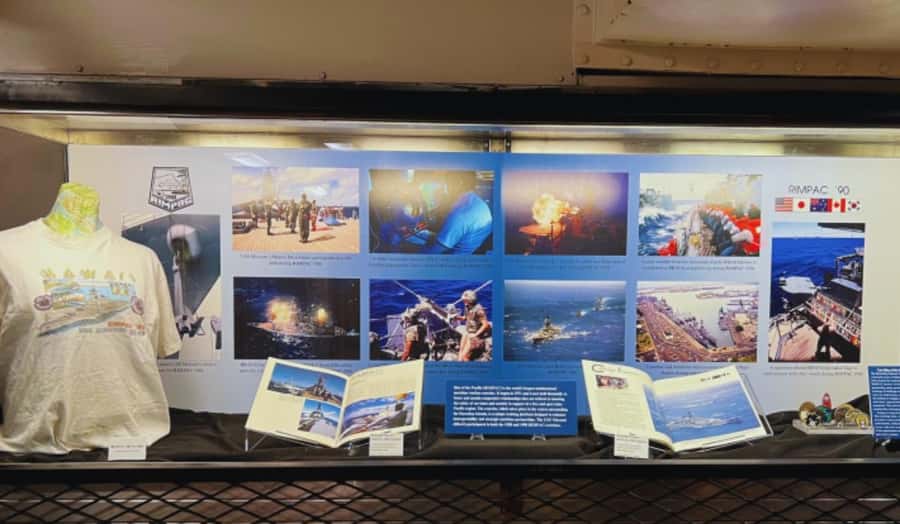
After the guided segment, you get to explore at your own pace. This is where the experience becomes personal. You can slow down where you’re curious and skip ahead where you already get the gist.
Here’s the advantage that’s genuinely helpful: you scan a digital tour map when you board. Instead of trying to figure everything out from scratch, the map gives you a simple way to navigate the ship while still keeping control of your time.
You’ll also find informative signs placed throughout the vessel. These matter because the ship is complex and the spaces aren’t laid out like a typical museum building. The signs help connect each area to the broader story, so you’re not stuck either guessing or waiting for someone to explain.
Two practical tips I’d use if I were going again:
- Use the digital map first, before you start roaming. That prevents backtracking.
- When you stop to read signs, take a second look around. The ship’s real scale is part of the lesson.
If you have questions, guides and staff are available on-site to help. That’s a nice safety net if you’re the type who wants clarity instead of just vibes.
Below-decks exhibits: how sailors lived at sea
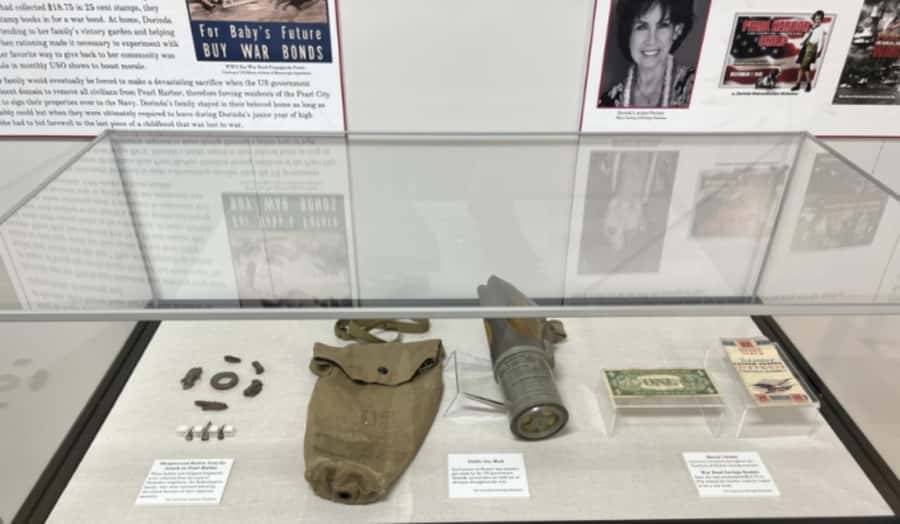
One of the most valuable parts of this visit comes from exploring down into the ship’s interior. The experience includes access to exhibit spaces below decks, where you learn how American sailors lived while out at sea.
This part can change your understanding quickly. WWII history is often told through big events, surrender, battles, decisions. But life below decks is where you get the daily reality behind the headlines. You’ll see the context of cramped spaces, routines, and how a ship functions as a home for its crew.
Even if you’re not a ship-nerd, this section tends to be memorable because it’s grounded. You can connect the human side to the events above deck. And once that connection clicks, the Surrender Deck moment feels even more weighty, because you’re thinking about who was there and what life was like around them.






Languages, guide format, and how to get the most from the narration
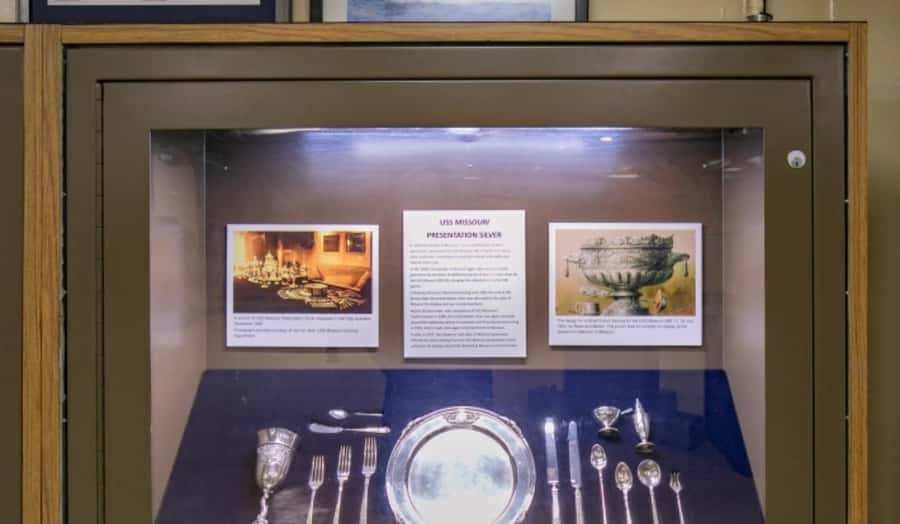
The memorial provides English, Chinese, Japanese, and Korean tour guides. The guided tour is listed as having a live tour guide in English, but the broader language availability is a big plus if you’re traveling with people who prefer those languages.
What I like about this setup is simple: you can choose how deep you want to go, and language shouldn’t be a barrier. A ship this historic loses something if you can’t fully follow the explanation.
Here’s how to make the guide time count:
- Listen for the big landmarks during the included tour, then use the self-guided time to revisit or linger.
- If you’re doing an upgrade like the Captain’s Tour or Chief Engineer’s Tour, treat the guided time as your map for what to pay attention to later.
Price and value: what $39 buys you for a full-day experience
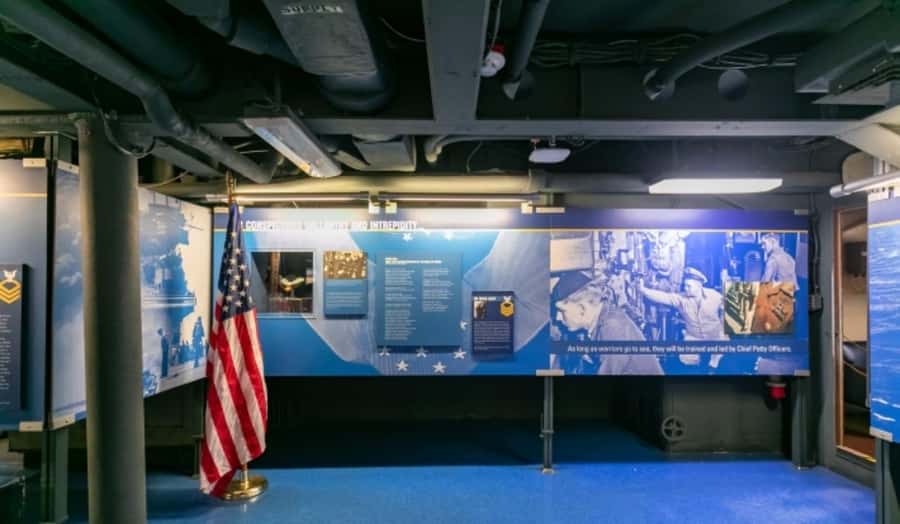
At $39 per person for a 1-day experience, the value comes from what’s included, not just the location.
You’re not paying for a single photo-op. Your ticket includes:
- Access to the Battleship Missouri Memorial
- A digital tour map
- A guided tour included with general admission
- Options for language support with available guides
Then you have optional upgrades if you want more structure or a deeper technical angle. That means you can match cost to interest: do the included tour and self-exploring, or add time with the Captain’s Tour (45 minutes) and the Chief Engineer’s Tour (1 hour).
If you like historical places that still feel real and walkable, this price-to-experience ratio tends to work well. You’re getting time with a guide, plus the freedom to spend extra moments where you want to absorb more.
Who this is best for (and who should plan differently)
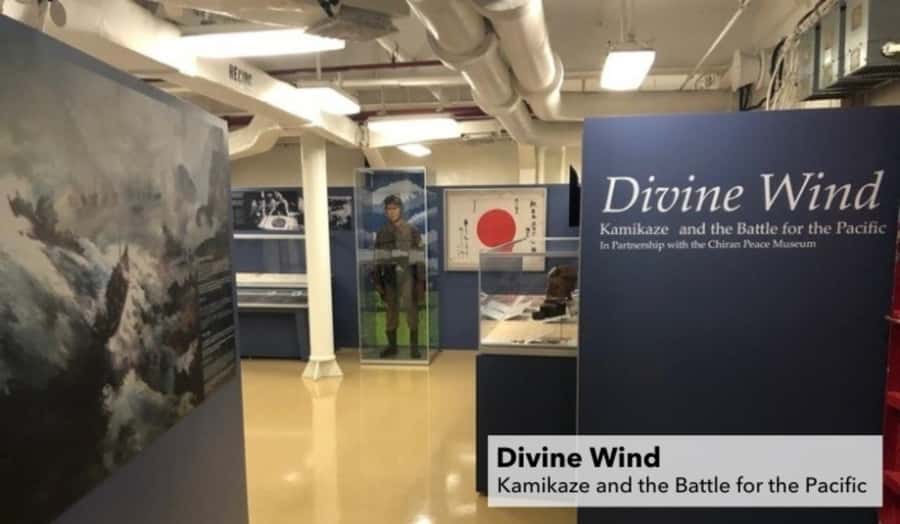
This experience suits you if:
- You want WWII history you can physically stand on and see from multiple angles
- You like a guided introduction, then independent exploring afterward
- You’re curious about ship history beyond just one moment in time
It’s also a good fit for people who like mixing perspectives. The ship connects events (the surrender) to service over multiple wars, then backs it up with on-board life exhibits below decks.
If you’re visiting with limited time and want the most story per minute, consider choosing between the included guided tour and a longer option like the Captain’s Tour. If your curiosity leans technical, the Chief Engineer’s Tour may feel like the best match.
Should you book the USS Missouri Memorial with a guide option?
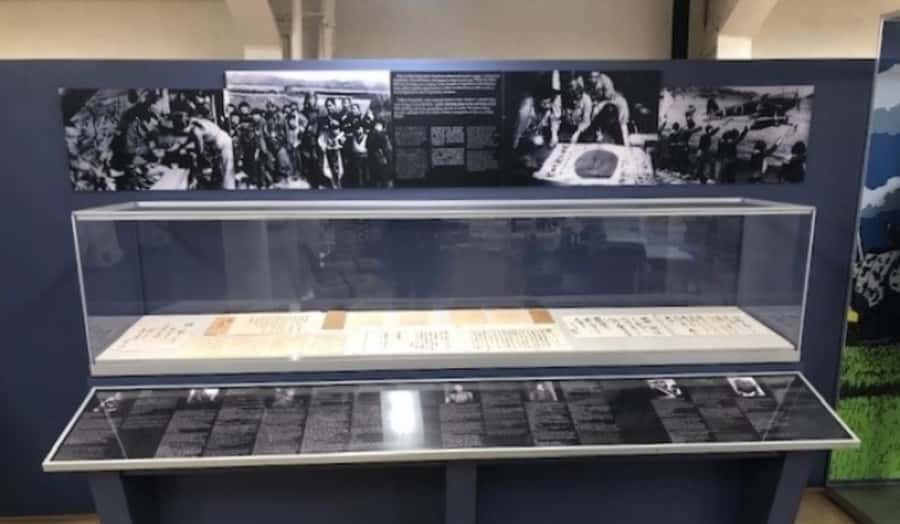
I’d book it if you want more than a quick look at a famous battleship. The included guided tour helps you hit the key historical highlights, especially the Surrender Deck, and then the digital tour map lets you keep going in your own direction.
It’s also worth booking if you care about context. The ship’s role spans WWII, Korean War duty, and Gulf War operations, so you don’t leave feeling like you only heard one story.
My final advice: if you’re the type who learns best with a narrative, consider upgrading to either the Captain’s Tour or the Chief Engineer’s Tour. If you prefer to control your pace, stick with the included guided time and spend extra moments in the below-decks exhibits where the human side of the ship shows up.
FAQ
How long is the USS Missouri Memorial visit?
The experience is listed as lasting 1 day. The included guided portion is described as about 35 minutes, and there are optional Captain’s (45 minutes) and Chief Engineer’s (1 hour) tours.
Is a guided tour included with the ticket?
Yes. General admission includes a guided tour, along with access to the ship’s key historical highlights.
Can I explore the ship on my own?
Yes. After the guided tour, you can explore at your own pace using a digital tour map and the informational signs throughout the ship.
Are there options for longer guided tours?
Yes. You can choose a Captain’s Tour for a 45-minute tour focused on the ship’s history, and you can upgrade to a 1-hour Chief Engineer’s Tour.
What languages are available for the tours?
English, Chinese, Japanese, and Korean tour guides are available. The live tour guide is listed as English.
Is the memorial wheelchair accessible?
Yes. The experience is wheelchair accessible.