REVIEW · HONOLULU
Oahu to Big Island Volcanoes National Park Adventure Tour
Book on GetYourGuide →Operated by Dynamic Tour USA · Bookable on GetYourGuide
Volcano day, minus the stress. This Oahu to Big Island tour gives you a guided hit of Hawaii Volcanoes National Park plus famous Hilo-area sights like Rainbow Falls and the Banyan Tree Drive. I like the way the day is organized around big, dramatic geology: Visitor Center context, steam vents, sulfur banks, and time at Kīlauea Iki Crater, which is described as the most active volcano crater in the world.
One thing to watch: the meeting-point process is tied to your flight plan, and the tour is not set up like a simple hotel pickup. In particular, some people reported that expected pickup did not happen, so plan to handle your own airport-side logistics with care.
In This Review
- Key highlights you actually get from this day
- How a one-day Big Island trip works from Oahu (and why it matters)
- Hawaii Volcanoes National Park: Visitor Center to Chain of Craters Road
- Steam vents, sulfur banks, and an ancient lava tube
- Kīlauea Iki Crater and Mount Kīlauea: seeing the active heart
- Hilo Bay in the daylight: Liliuokalani Gardens and big-water stops
- Wailuku River State Park and the Tale of Hina stop
- Richardson black sand beach and Banyan Tree Drive: the Hilo flavor you don’t expect
- Price and value: what $580 buys you (and what it doesn’t)
- Logistics and timing: how to keep this day from turning stressful
- Who this tour suits best (and who should choose differently)
- Should you book this Oahu to Big Island Volcanoes Adventure?
- FAQ
- How long is the Oahu to Big Island Volcanoes National Park Adventure Tour?
- Is lunch included?
- Does the price include park admission?
- Do I need a passport or ID?
- Is the tour guided in English?
- What should I bring?
- What’s included in the tour price besides sightseeing?
- Is the tour suitable for people with mobility impairments?
- How do I get my flight details?
- Where does the tour end?
Key highlights you actually get from this day
- Kīlauea Iki Crater time in the caldera area, with a focus on seeing what makes Kīlauea so active
- Steam vents, sulfur banks, and an ancient lava tube for variety beyond just viewpoints
- Chain of Craters Road + Mount Kīlauea scenery that matches the park’s active-volcano reputation
- Hilo-area stops that feel local, including Rainbow Falls and Liliuokalani Gardens
- Banyan Tree Drive walking/driving vibes, with historic plantings tied to famous names like Theodore Roosevelt, Babe Ruth, and Richard Nixon
How a one-day Big Island trip works from Oahu (and why it matters)
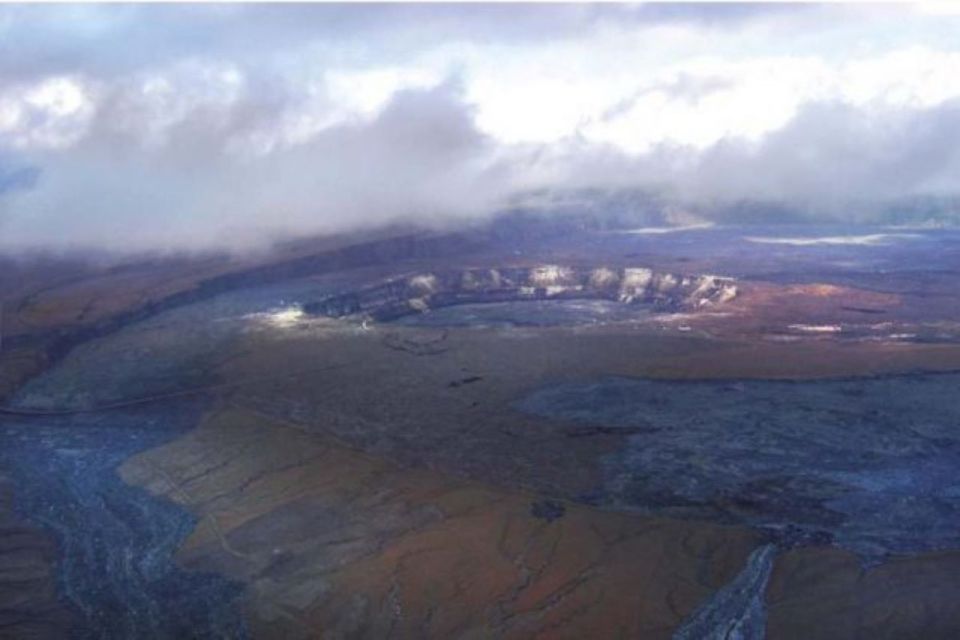
This is a true day excursion from Oahu to the Big Island. You’re not just “on the island” for a long stay, you’re flying over, doing a packed guided sightseeing day, then returning to your meeting point. The tour price is listed at $580 per person, and the big value lever here is that air ticketing is included (along with snacks and water).
That matters because airfare can easily erase the apparent savings of a cheaper tour. With this one, you’re basically buying three things at once: transportation by plane, a guided day on Hawaiʻi Island, and admission into Hawaii Volcanoes National Park. If you like having one person manage the route, it’s a strong deal.
The flip side is that you can’t fully control the day. If weather or timing gets tight, you’ll be moving on the tour’s schedule. So I’d treat this as a best-for-adults-with-flexibility kind of day: you’ll get a lot, but you won’t have the freedom to slow-walk every stop for hours.
You can also read our reviews of more tours and experiences in Honolulu.



Hawaii Volcanoes National Park: Visitor Center to Chain of Craters Road
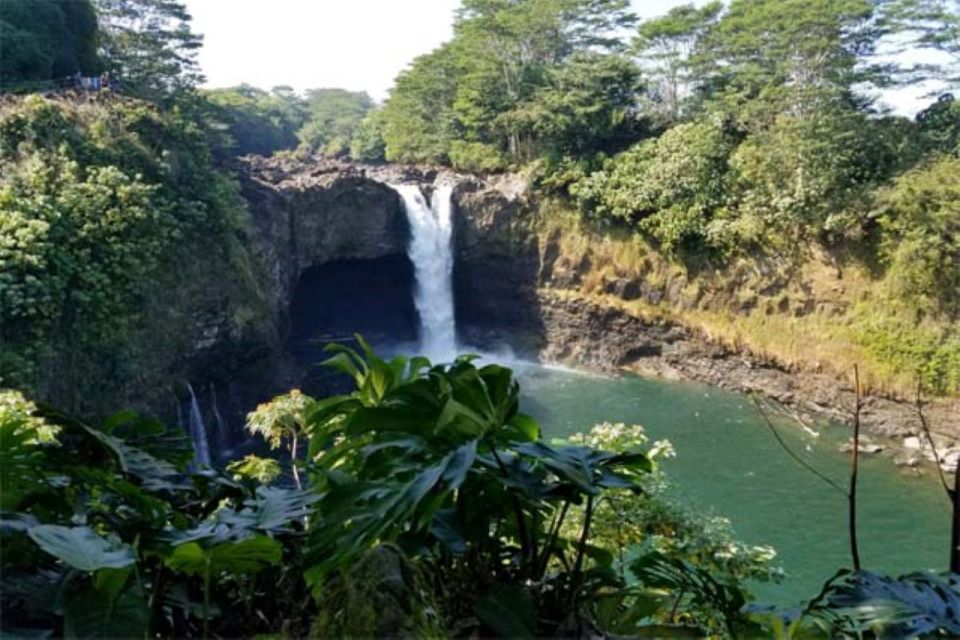
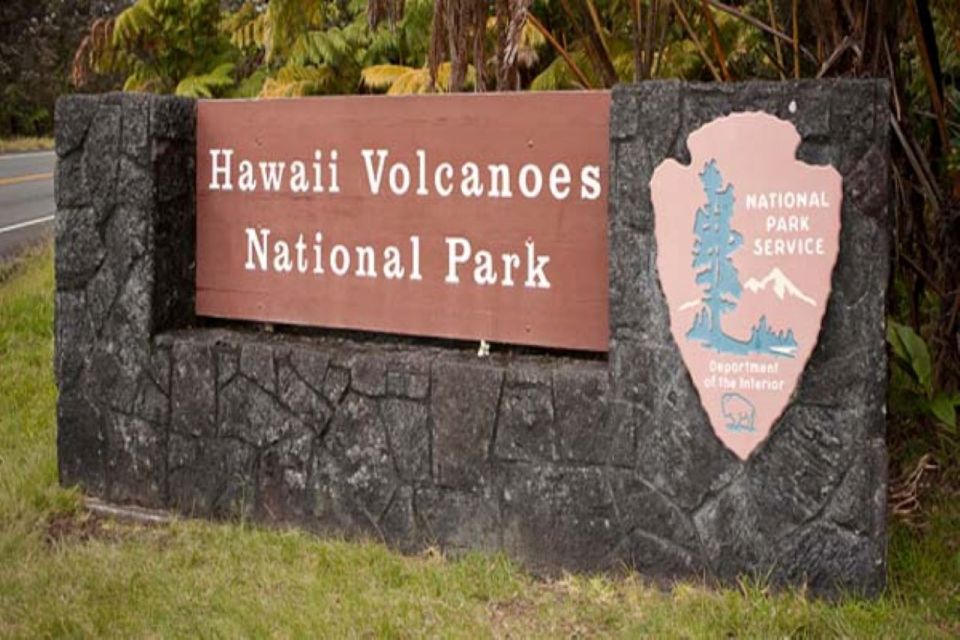
Your park day starts with the Visitor Center, and that’s not a small detail. The Visitor Center is where you get the basics on what you’re looking at, especially useful for Kīlauea and Mauna Loa, since the park covers two active volcanoes. It was established in 1916, which helps explain why the park has had a long time to build visitor-focused explanations and viewpoints.
From there, the route heads along Chain of Craters Road, which is a name you’ll recognize instantly when you start seeing the geology change around you. Even without getting technical, the setting tells the story: raw ground, volcanic textures, and the sense that you’re close to ongoing forces. This is one of those places where the scenery looks different every time you turn your head.
What I like about the way this tour is built is that you’re not stuck with only one kind of viewing. You’re going from explanation (Visitor Center) to roads and overlooks (Chain of Craters Road) to specific caldera features later in the day. That makes it easier for you to connect the dots instead of just collecting photos.
Steam vents, sulfur banks, and an ancient lava tube
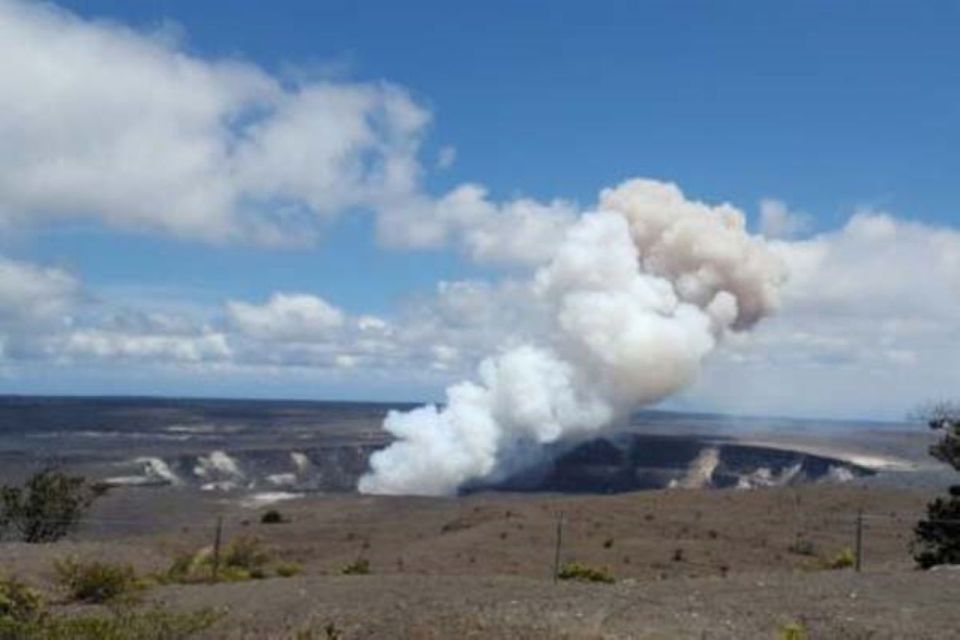
One of the most memorable parts is the park’s geothermal area: Volcanic Steam Vents and Sulfur Banks. The tour description even gives you a simple science frame: groundwater seeps down into hot volcanic rocks and returns to the surface as steam. When you stand there, it’s not just pretty vapor, you’re seeing a process that’s actively shaping the landscape.
There’s also a mention of a treeless plain between the caldera’s edge and outer cliffs of Kīlauea Caldera. That detail matters because it explains what you’re seeing, why some areas look stripped down compared with the more vegetated corners of the island. It’s the kind of context that turns “wow” into “oh, that makes sense.”
Then you’ll get an ancient lava tube stop. A lava tube is a different perspective than a viewpoint. Instead of looking outward, you’re stepping into the idea that lava moved underground and left behind a tunnel-like structure. Even if you only get brief time there, it’s a helpful reminder that volcanoes aren’t only about craters and smoke, they’re also about how the ground carries energy and movement.
If you’re the type who likes understanding what you’re looking at, this section is the tour’s best teacher.
Kīlauea Iki Crater and Mount Kīlauea: seeing the active heart
The centerpiece for many people is Kīlauea Iki Crater, described as the most active volcano crater in the world. That claim is big, but you’ll understand why the tour puts it on the must-see list as soon as you’re in the caldera area. You’re looking at a place that has been shaped repeatedly by activity, which is exactly what makes it feel more intense than a “history-only” attraction.
After that, the day continues toward Mount Kīlauea, described as currently active and the most active of the five. Even if you don’t see dramatic eruptions on your visit, the area’s atmosphere tends to feel different from casual sightseeing. There’s a sense that you’re standing near ongoing change.
Here’s the practical takeaway: go into this part of the day ready for wind, heat, or sudden weather swings, and plan to dress for it. The tour doesn’t spell out exact clothing temperatures, but you are in an outdoor volcanic environment. Weather-appropriate clothing is required, and I’d treat that as more than a checkbox.
Hilo Bay in the daylight: Liliuokalani Gardens and big-water stops
Once you’re done with the park core, the tour shifts from geology to Hilo-area scenery. It’s a smart switch because it balances raw volcanic energy with lush-looking, human-scaled Hawaii sights.
The first named garden stop is Liliuokalani Gardens. The tour description notes that the park’s site was given by Queen Liliʻuokalani, and it sits southeast of downtown Hilo on the Waiakea Peninsula in Hilo Bay. I like having this kind of stop in a volcano day because it reminds you that the island’s story is bigger than the crater view.
Next, you’ll hit water scenery around Hilo Bay and waterfalls. Rainbow Falls shows up twice in the description: it’s referenced as a waterfall known for a never-ending rainbow feel, and it’s also called the most beautiful waterfall with never ending rainbow. That’s obviously a poetic description, but it lines up with why this spot is famous, when conditions are right, you get that rainbow effect.
You’ll also see Hilo Bay, described as a large bay on the eastern coast of Hawaiʻi Island. A bay view after a volcanic morning is grounding. You get a calmer scene to rest your eyes, and you can better feel how close the ocean is to the island’s active interior.



Wailuku River State Park and the Tale of Hina stop
Another listed stop is Wailuku River State Park, with the note that Tale of Hina comes to life. That phrasing signals that the park experience includes more than just a view, it’s tied to the cultural storytelling of the place.
I find these stops worth it on a day like this because volcano days can get very “science camera mode.” A storytelling moment helps you step back and remember that Hawaii’s landscapes are interpreted through both natural forces and human meaning.
Even if you’re not super into legends, this kind of stop can add a pause. You get to breathe, listen, and reset before the final wave of iconic sights.
Richardson black sand beach and Banyan Tree Drive: the Hilo flavor you don’t expect
Two of the most charming named stops are the black sand beach and the Banyan Tree Drive. They’re a nice reminder that the island isn’t only about volcanoes.
Richardson Black sand Beach is described as the only beach in the Hilo area with black sand. That detail matters, because black sand is a signature feature you’ll remember. The color isn’t just a novelty; it visually connects the beach to the island’s volcanic history.
Then there’s Banyan Tree Drive, which the tour describes as a famed drive where banyan trees bear the names of famous people who planted them. Named examples include President Theodore Roosevelt, Babe Ruth, and Richard Nixon, and the description notes that they still thrive and form a thick canopy popular for walking and driving. That’s a big contrast from the stark volcanic areas earlier in the day, and it makes the Hilo portion feel like a real place, not a rushed checklist.
If you want photos, this drive is a good one: thick canopy shade, long sight lines, and that “historic Hawaii” vibe. If you prefer a quick stop, it’s still easy to enjoy because you can keep it flexible, walk a bit, take in the trees, then move on.
Price and value: what $580 buys you (and what it doesn’t)
At $580 per person, the price looks steep at first glance. But in your favor, the tour lists full day tour + air ticket + snacks and water + Hawaii Volcanoes National Park admission included.
Here’s how I’d think about the value:
- Air ticket included reduces the most unpredictable cost. You’re not shopping flights on your own while trying to coordinate a day tour.
- Park admission included means you’re not adding extra fees at the gate.
- Snacks and water are helpful on a day that includes outdoor time at active geology sites.
What’s not included is lunch. That’s an important missing piece because you’ll likely be outdoors and sightseeing for long stretches. If you don’t want to hunt for a meal during a tight schedule, plan to buy lunch near a reasonable stop time or bring a simple snack plan beyond what’s provided.
Also note: the tour is not suitable for people with mobility impairments. I’d treat that as a serious limitation, since crater and park terrain can be uneven and walking may be required.
Logistics and timing: how to keep this day from turning stressful
This is the section I’d highlight for anyone thinking, I just want it to be easy. The tour is tied to flights. The process described is: flight information will be sent after details are confirmed and flights are booked. You’re instructed to go to the airline check-in counter for boarding passes.
Timing rules are clear but strict: boarding time is 30 minutes before departure, and doors close 15 minutes before departure. That’s not unusual for flights, but on a day tour like this, missing a window can become a cascade problem.
You also need the right ID. Bring a government-issued passport or ID. The notes say: passport is needed for foreign citizens; ID or passport is required for US citizens. There’s also a line asking you to have your vaccine card with you to travel. The tour doesn’t explain how it’s checked, so the safest move is to bring it.
One more practical warning based on actual experience: don’t assume a hotel pickup will automatically show up. If you’re staying in an area like Waikiki, it’s worth confirming exactly what the plan is for getting you to the starting point or airport-side steps. When transport expectations don’t match the reality, it turns a volcanic dream day into a phone-call day.
Who this tour suits best (and who should choose differently)
This experience fits you best if you want a guided one-day sampler of the Big Island without planning every stop. It’s ideal if:
- you’re short on time and want Hawaii Volcanoes National Park highlights plus Hilo sights in one shot
- you like having a guide in English who can connect what you’re seeing at each named location
- you’d rather pay for convenience than build your own day around timed routes
It’s probably not your best choice if you:
- need step-free or mobility-friendly terrain (the tour says it’s not suitable for mobility impairments)
- want long, slow visits at each location rather than a structured day
- get anxious when logistics involve flights and airport check-in rules
If you’re comfortable with a fast-paced day and you’re organized about your documents, it’s the kind of trip that feels like you maximized a single travel day.
Should you book this Oahu to Big Island Volcanoes Adventure?
I’d book it if you want a guided volcano-first day with real, named stops, Visitor Center, steam vents, sulfur banks, lava tube, Kīlauea Iki Crater, and Mount Kīlauea, and you also want Hilo flavor afterwards. The fact that admission and air ticket are included pushes it into the value zone for many people, especially when you consider the hassle of coordinating all that yourself.
I’d think twice if you hate uncertainty around pickups or you’re the type who needs very clear, simple meet points. If that’s you, do a quick confirm of the meeting plan tied to your flight information, and treat your own arrival to airline check-in steps as your responsibility.
If you get your documents ready and plan for a structured day, this is a strong way to see why Hawaiʻi Volcanoes National Park is one of the most compelling places on Earth.
FAQ
How long is the Oahu to Big Island Volcanoes National Park Adventure Tour?
The tour duration is listed as 1 day. Starting times depend on availability.
Is lunch included?
No. Lunch is not included.
Does the price include park admission?
Yes. Hawaii Volcanoes National Park admission is included.
Do I need a passport or ID?
Yes. The tour notes that ID or passport is required for US citizens, and a passport is needed for foreign citizens.
Is the tour guided in English?
Yes. The tour includes a live English guide.
What should I bring?
Bring a passport, ID (if applicable for your citizenship), and weather-appropriate clothing. The tour also asks you to have your vaccine card with you.
What’s included in the tour price besides sightseeing?
The inclusions listed are a full day tour, air ticket, snacks, and water.
Is the tour suitable for people with mobility impairments?
No. It is not suitable for people with mobility impairments.
How do I get my flight details?
Flight information is sent to you after the provider confirms details and books flights. You then go to the airline check-in counter for boarding passes.
Where does the tour end?
It ends back at the meeting point.