REVIEW · HONOLULU
Honolulu: Liljestrand House Architectural Tour
Book on GetYourGuide →Operated by Liljestrand Foundation · Bookable on GetYourGuide
Tucked inside Honolulu is a mid-century architecture lesson you can walk through. I like how the preserved Liljestrand House shows Hawaiian modern design up close, and I love the way the tour explains Vladimir Ossipoff’s design thinking. One drawback to plan for: the house has no air-conditioning, so summer and fall can feel hot.
This is a small-group tour limited to 10 people, and that matters because you’re not just looking at walls. You get a live English guide, and I especially appreciate when the docent has real, personal context to share, like Perry, who brings firsthand knowledge of Ossipoff.
Before you go, note the practical stuff. You’ll need to remove your shoes on the fragile wood floors, and the house has a clear list of rules (no vaping or smoking, and no selfie sticks or tripods).
In This Review
- Key Things I’d Focus on During the Liljestrand House Tour
- Why the Liljestrand House Feels Different Than a Usual House Tour
- The 90 Minutes: What You’ll Likely Do and See
- The Welcome and Setup
- Walking Through the Preserved Home
- Design Details and “Why It Works”
- Closing With the People Behind the House
- Inside the Liljestrand House: What Makes the Interiors Worth Your Time
- Original Furnishings and Artworks
- Mid-Century Details You Can Actually Spot
- Ossipoff’s Design Ideas: View Management and Natural Materials
- View Management: Framing the Outdoors on Purpose
- Natural Materials: Comfort and Continuity
- The Story Element: Liljestrand Family and Friendship With Ossipoff
- The Preservation Angle: Why Your Ticket Supports Real Work
- Practical Tips: Shoes, Heat, and What You Can Bring
- Remove Your Shoes (Wood Floors Are Fragile)
- Expect Heat: No Air-Conditioning
- No Tripods or Selfie Sticks
- No Smoking or Vaping
- Not for Kids Under 10
- Price and Value: Is $78 for 90 Minutes a Fair Deal?
- Who Should Book This Tour (and Who Might Skip It)
- Should You Book the Honolulu Liljestrand House Architectural Tour?
- FAQ
- How long is the Liljestrand House Architectural Tour?
- How much does it cost?
- How big is the group?
- Is the tour guided and in English?
- Is the house air-conditioned?
- Do I need to remove my shoes?
- Are pets allowed?
- What items are not allowed during the tour?
Key Things I’d Focus on During the Liljestrand House Tour
- Mid-century Hawaiian modern architecture that still feels fresh and practical
- Architect Vladimir Ossipoff’s principles, explained in plain language
- View management: how the design frames outdoors without shouting about it
- Original furnishings and artwork that show what the home was meant to feel like
- A small-group format (max 10) that makes Q&A actually possible
- Preservation mission support through your paid visit with the Liljestrand Foundation
Why the Liljestrand House Feels Different Than a Usual House Tour
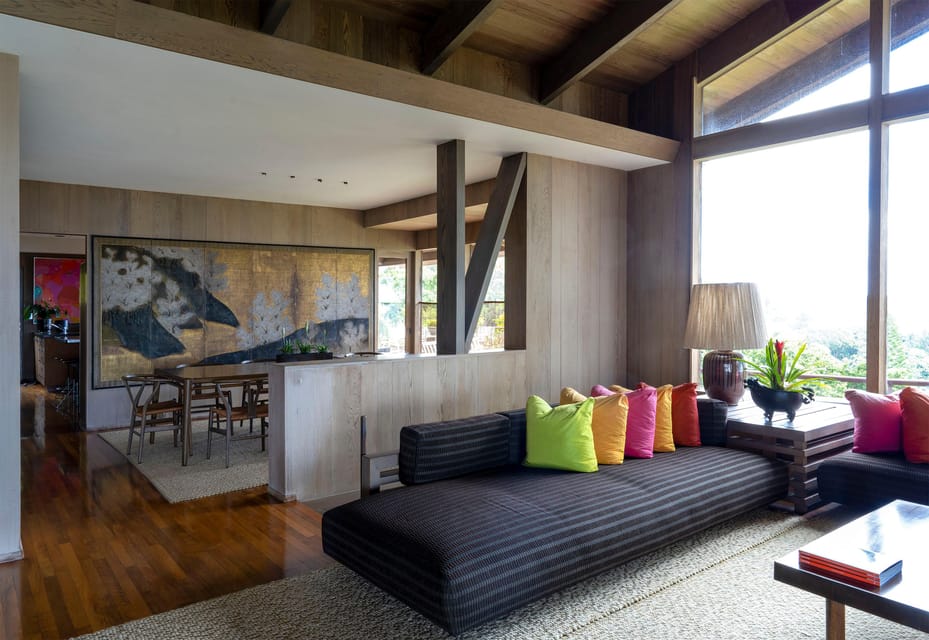
Architecture tours can be either too technical or too vague. This one hits a sweet spot because it treats the house as a working design project, not a museum display behind rope.
The Liljestrand House is preserved in a way that lets you see the design choices in context. That means you’re not just looking at pretty rooms. You’re learning how the home was shaped around light, materials, and the way people move through space.
And because it’s Hawaiian modern architecture, it’s not trying to copy a far-off style. The design principles are tied to local realities: climate, natural light, and the visual pull of the outdoors.
You can also read our reviews of more tours and experiences in Honolulu.



The 90 Minutes: What You’ll Likely Do and See
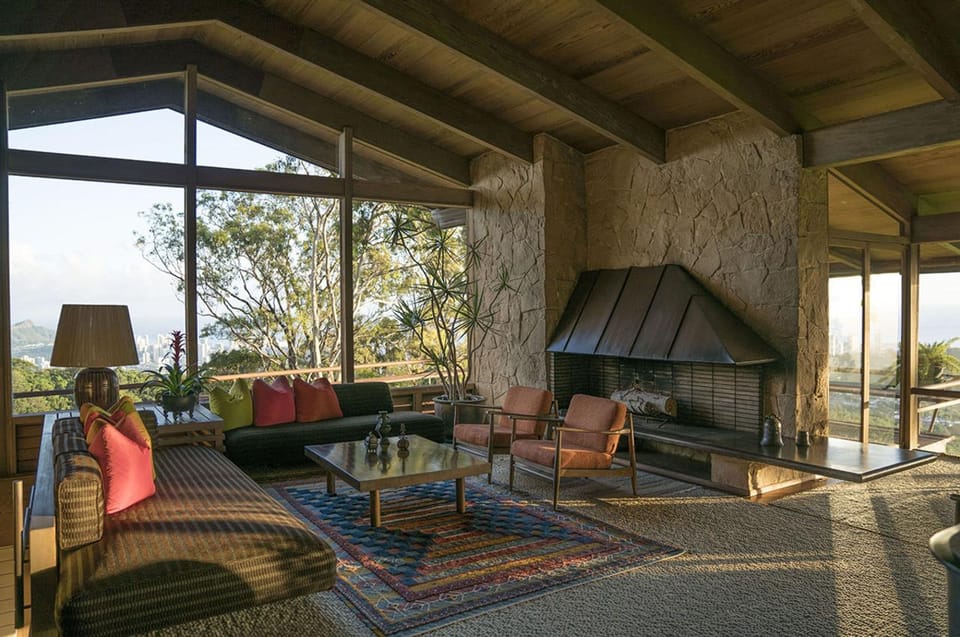
The tour runs about 90 minutes, led by a live guide in English. Since the exact room-by-room path isn’t listed, think of it as a guided walkthrough with stops for explanation, starting with an orientation to what makes the house special and then moving into the details that reveal the architect’s goals.
Here’s the flow I’d expect and what each part is really for:
The Welcome and Setup
You’ll be welcomed into the Liljestrand House and guided through the basics: what you’re looking at, why it matters, and what design ideas you should keep an eye out for. This early framing is helpful because Ossipoff’s work is about relationships between parts, so the guide sets you up to notice the right things fast.
Walking Through the Preserved Home
Next comes the main walkthrough. This is where you’ll see the preserved mid-century layout and the way the home was designed for everyday life, not just showpiece living.
The tour also highlights the original furnishings and artworks, which is a big deal. When you’re allowed to see the original pieces alongside the architecture, the house stops being abstract. It becomes a lived-in design with a point of view.
Design Details and “Why It Works”
After you’ve had time to look, the guide connects details back to principles: view management and the integration of natural materials. You’ll learn how those ideas influence what you see from inside the home, how rooms feel in different lighting, and how the house stays connected to the outdoors.



Closing With the People Behind the House
Most architecture becomes memorable when you connect it to people. This tour adds that layer by sharing the Liljestrand family’s story and their enduring friendship with Ossipoff, so the house feels personal, not just engineered.
Inside the Liljestrand House: What Makes the Interiors Worth Your Time
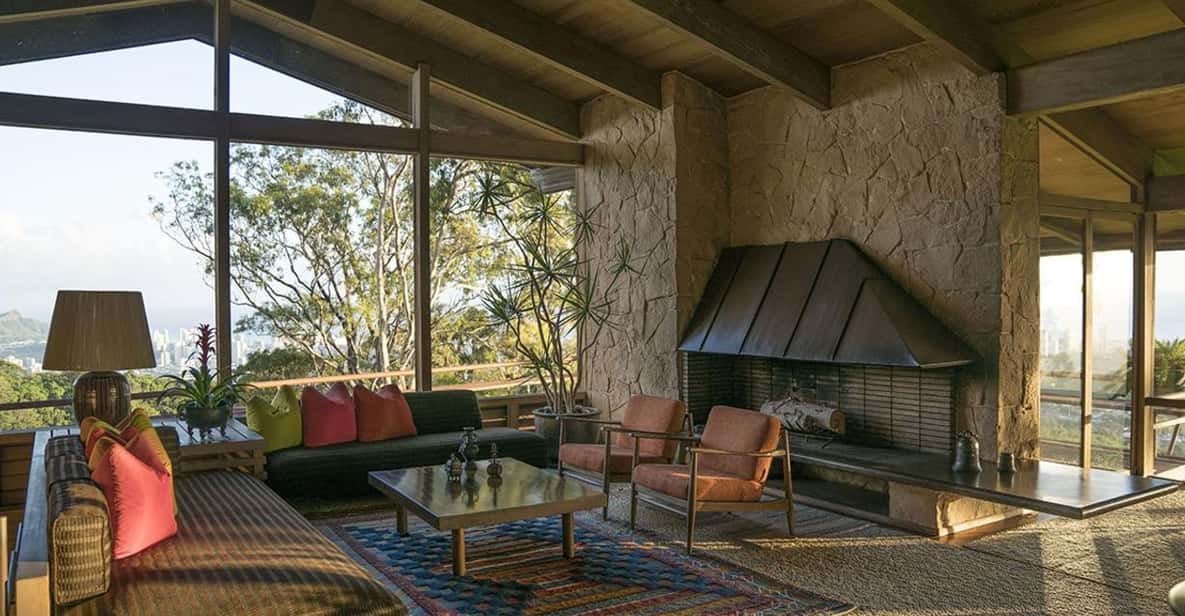
The biggest reason this tour is worth the ticket is that it’s not only about the outer look. The house is treated as a complete design system, where interior choices carry the architect’s intent.
Original Furnishings and Artworks
One of the highlights is the presence of original furnishings and artworks. That means you can see what the home was meant to look like in its own time, not in a later “generic museum” version.
For you, this changes the experience. Instead of thinking, This is a nice house, you’ll start thinking, This is what someone chose, and here’s how those choices match the building.
Mid-Century Details You Can Actually Spot
The tour’s focus on preservation helps you notice smaller design cues. You’ll be guided toward details that explain the era’s thinking, how mid-century modern design in Hawaii wasn’t just about style, but about comfort and connection to place.
If you like architecture that’s readable, not just Instagram-friendly, this is where you’ll feel the “wow” quietly build.
Ossipoff’s Design Ideas: View Management and Natural Materials
The name Vladimir Ossipoff matters here because his approach is the tour’s backbone. The guide explains the principles that defined the home’s look and function, and two themes come up again and again: view management and the integration of natural materials.
View Management: Framing the Outdoors on Purpose
View management sounds like a fancy phrase, but on the ground it means this: the home is designed so the outdoors is part of daily experience.
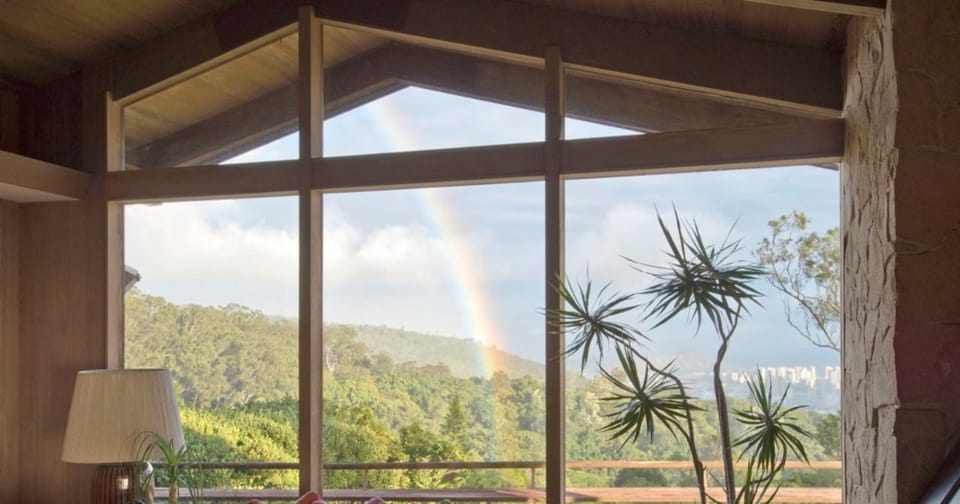
You’ll learn how certain sightlines are handled, how windows, sight angles, and room layout help the house control what you see, when you see it, and how it feels. It’s less about getting the biggest view possible and more about getting the right one at the right moment.
Natural Materials: Comfort and Continuity
Natural materials are part of why Hawaiian modern architecture can feel calm and grounded. Instead of heavy contrast, the look and feel come from materials that belong where they are.
On this tour, the guide connects those choices to the way the home functions across seasons. You may start noticing how surfaces interact with daylight and how the home’s material choices keep it from feeling cold or overly rigid.
The Story Element: Liljestrand Family and Friendship With Ossipoff
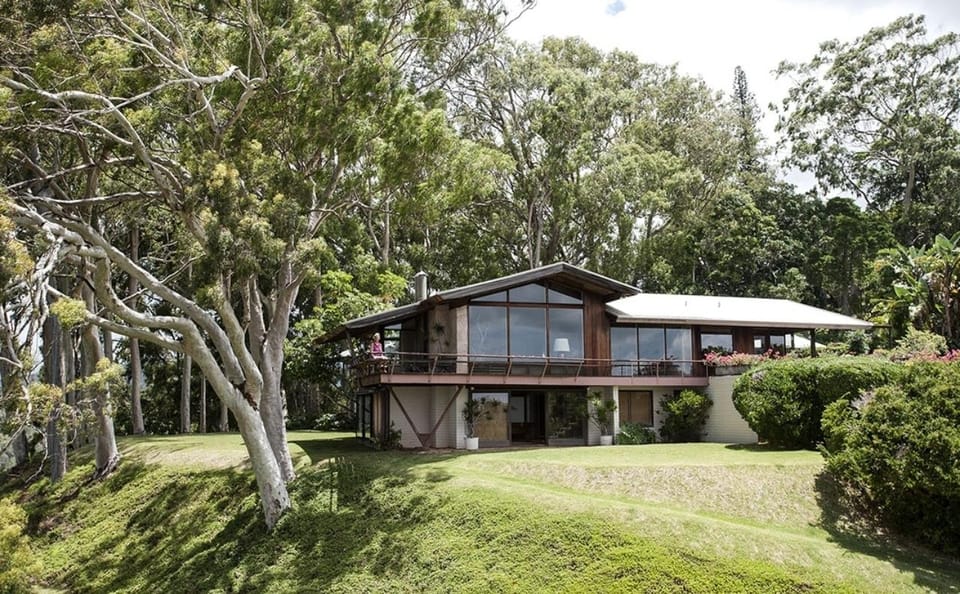
Architecture can feel hollow if it’s only about drawings. This tour adds the human side: the Liljestrand family’s life in the home and their enduring friendship with Ossipoff.
For you, this context is what turns the visit into more than a checklist of features. It helps explain why the design choices made sense to the people who lived there, and why the home’s story continued after the era of its original construction.
And it’s one reason this tour can be satisfying even if you’re not an architecture nerd. The design is presented through relationships and intent, not just measurements.
The Preservation Angle: Why Your Ticket Supports Real Work
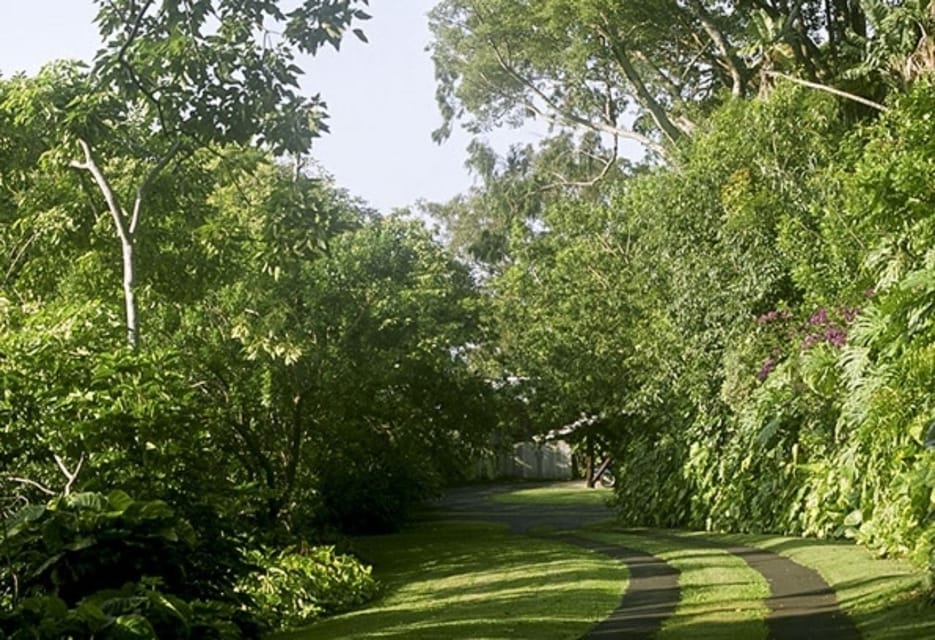
This visit is run by the Liljestrand Foundation, and your entry helps keep the home available for educational and cultural enrichment. That matters because architectural preservation is usually invisible work until you see a building still standing the way it was intended.
When you pay for a guided visit like this, you’re not just consuming a “cool experience.” You’re helping fund the ongoing effort to preserve fragile details like the wood floors and maintain the house so it can keep teaching people.
That’s also why the tour rules exist. They protect the home while still letting you get close enough to learn.
Practical Tips: Shoes, Heat, and What You Can Bring
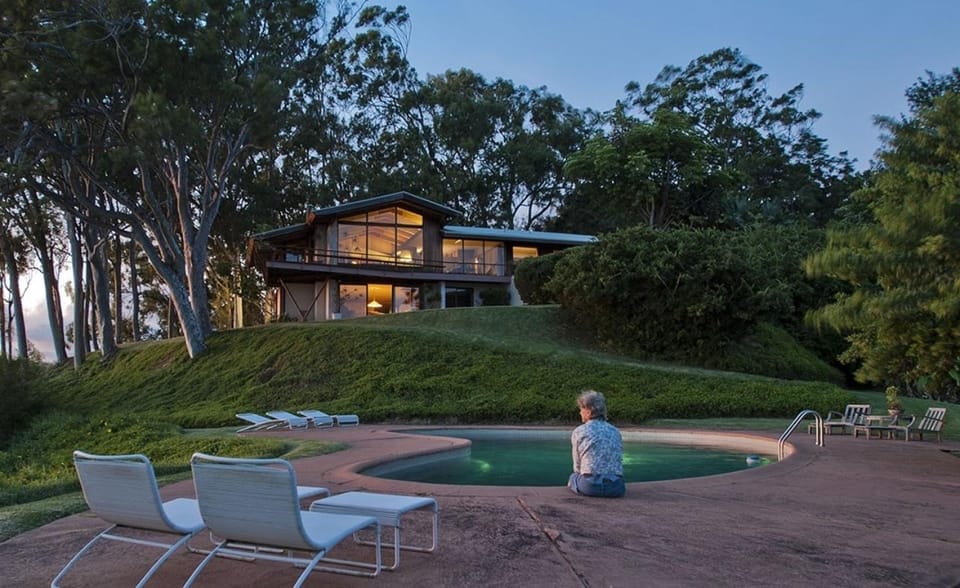
Let’s get the logistics straight, because they affect your comfort.
Remove Your Shoes (Wood Floors Are Fragile)
Because of the fragile nature of the wood floors, you’ll need to remove your shoes. Plan ahead so you’re not scrambling for socks at the door.
This is also one of those small rules that tells you the house is genuinely cared for. Preservation is easier when visitors treat the space like a living interior, not a high-traffic public hall.
Expect Heat: No Air-Conditioning
The house is not air-conditioned. During summer and fall, it can get quite hot. This doesn’t ruin the tour, but it does change how you should dress and pace yourself.
Wear something light and breathable, and plan to take your time with the explanations rather than rushing through.
No Tripods or Selfie Sticks
Pets, backpacks, large bags, tripods, extension poles, and selfie sticks are not permitted. So come light. If you want photos, keep it simple and follow the house rules.
No Smoking or Vaping
Smoking and vaping are not allowed inside.
Not for Kids Under 10
The tour is not suitable for children under 10. If you’re traveling with family, that age limit is the big filter.
Price and Value: Is $78 for 90 Minutes a Fair Deal?
At $78 per person for about 90 minutes, this isn’t a throwaway activity. The value comes from what you get for that time.
First, it’s a small group capped at 10, so the guide can spend real time explaining design ideas and answering questions. Second, the tour includes entry to the house and a live guide, not just a self-guided pass.
Third, you’re paying for a preserved environment where details are part of the lesson: original furnishings and artwork, plus the architect’s intent explained through the structure itself. That combination is hard to recreate elsewhere.
If you’re the kind of person who enjoys architectural design and wants context, the price feels reasonable because it buys interpretation, not just access.
If you only want broad sightseeing with no design focus, you might feel the time is a bit long for one site. In that case, choose based on your interest in modern architecture.
Who Should Book This Tour (and Who Might Skip It)
This is a strong fit if you:
- care about Hawaiian modern architecture and want it explained in plain language
- like design details you can see, like view management and natural materials
- want a small-group experience with a guide who can answer questions
- enjoy heritage spaces where preservation is part of the story
Skip it if you:
- need an air-conditioned indoor experience (the house has none)
- prefer tours that allow lots of gear (tripods and selfie sticks are not permitted)
- are traveling with kids under 10 (the tour isn’t suitable)
Should You Book the Honolulu Liljestrand House Architectural Tour?
I’d book it if you want an architecture tour that feels real and specific. The preserved mid-century setting, the focus on Ossipoff’s design principles, and the inclusion of original furnishings and artworks give you more than a basic walkthrough.
Also, this is one of those experiences where the people matter. The strongest comments point to docents who give in-depth, informative guidance, including Perry, who brings special insight from personal familiarity with Ossipoff.
If you’re planning a Honolulu trip and you’re even mildly curious about how modern architecture adapts to climate and light, this 90-minute tour is a solid use of time. Just go in with the right expectations: light walking, no shoes on wood floors, and heat management.
FAQ
How long is the Liljestrand House Architectural Tour?
The tour lasts about 90 minutes.
How much does it cost?
The price is $78 per person.
How big is the group?
The tour is a small group limited to 10 participants.
Is the tour guided and in English?
Yes. It includes a live tour guide and the tour is in English.
Is the house air-conditioned?
No. The house is not air-conditioned, and it can be hot during summer and fall months.
Do I need to remove my shoes?
Yes. Because of fragile wood floors, you’ll need to remove your shoes.
Are pets allowed?
No. Pets are not permitted.
What items are not allowed during the tour?
The tour does not allow backpacks, large bags, tripods, extension poles, and selfie sticks. Smoking and vaping are also not allowed.